

You hear a faint noise at night. It may sound like scurrying. Your pet may stare at the same corner each evening. At first, you may ignore it. Then you notice small droppings near the baseboards, and concern grows. These moments often point to one problem homeowners face year-round: signs of mice in the house.
Mice need very little space or time to turn a minor issue into a serious mouse problem. In Alabama, Tennessee, Mississippi, and the Florida Panhandle, house mice often enter homes as temperatures change or food becomes more accessible. Many homeowners do not notice the problem until mouse activity becomes obvious.
This guide explains common signs of mice, what they mean, where to look, and the next steps. You will learn how to spot a mouse infestation early, understand health risks, and know when to call for professional rodent control.
Key Takeaways
- Small clues like mouse droppings or gnaw marks often appear before you ever see a mouse. Spotting early signs of mice in the house lets you act before the rodent problem spreads.
- Mice use runways along walls, baseboards, and inside walls to move through your home while staying hidden.
- Ignoring early signs of mice can lead to health risks and costly repairs, including damaged wiring and contaminated surfaces.
- Professional rodent control focuses on sealing entry points, removing nests, and stopping future activity.
Video Guide: Mice 101
This short video will help you understand mouse behavior, nesting habits, and why certain signs of mice in the house appear where they do. Understanding how house mice live, move, and reproduce helps spot a mouse problem early. The video also explains why prompt action is critical before a rodent infestation escalates.
Mouse Droppings Are Often The First Red Flag
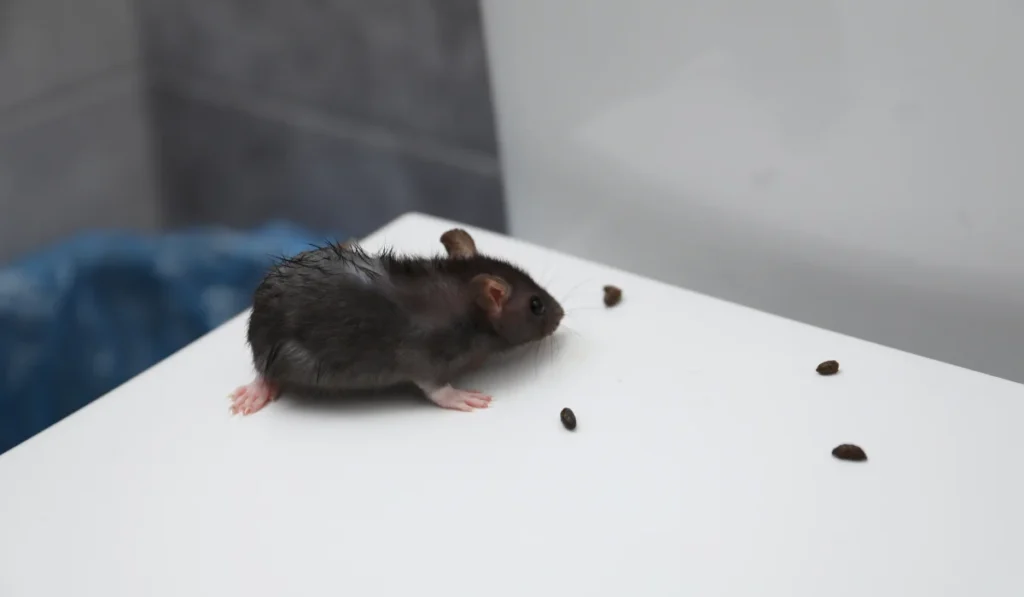
One of the most common signs of mice in the house is mouse droppings. These droppings are small, dark, and shaped like rice grains. You often find them near food packaging, inside cabinets, or along baseboards that mice use. Fresh droppings look soft and dark. Older droppings turn dry and crumbly.
Rodent droppings appear in kitchens, pantries, basements, and crawl spaces. Even a few droppings suggest ongoing mouse activity, not a single visit. You often find them near food sources like pet food, birdseed, or unsealed dry goods.
If you spot droppings, we offer rodent control services that start with a complete home inspection. Early pest control helps limit the spread and reduce health risks.
Gnaw Marks On Wood, Plastic, And Wires
Gnaw marks are another clear sign of a mouse problem. Mice chew constantly to keep their teeth worn down. You may notice chew marks on food packaging, cabinets, or even electrical wires. These marks often appear rough and uneven, unlike those caused by termites.
Damage to electrical wires creates fire risks. Mice also chew around small holes to enlarge entry points. These openings can be as small as a coin.
Scratching, Scampering, And Sounds Inside Walls
Hearing noises is one of the most unsettling signs of mice in the house. Many homeowners report scurrying or scampering sounds late at night when the house is quiet. When mice settle in your attic, you may also hear squeaking, light scratching, or movement inside walls and ceilings.
Mice stay most active after dark. They often make noise in basements, crawl spaces, attics, and wall voids where they build nests. These sounds typically indicate that more than one mouse is present.
At Waynes Pest Control, we use professional pest management methods to find hidden activity and remove the source of the noise.
Oily Rub Marks And Runways Along Walls
As mice follow the same paths each night, they leave oily rub marks along walls and baseboards. Oils and dirt on their fur create dark smudges over time. These runways appear most often in low-light areas.
You may notice rub marks behind appliances, along cabinets, or in basements where mice feel safe. These marks confirm repeated mouse activity.
Our technicians identify and treat these travel paths as part of a complete rodent control plan.
Nesting Materials And Hidden Mouse Nests
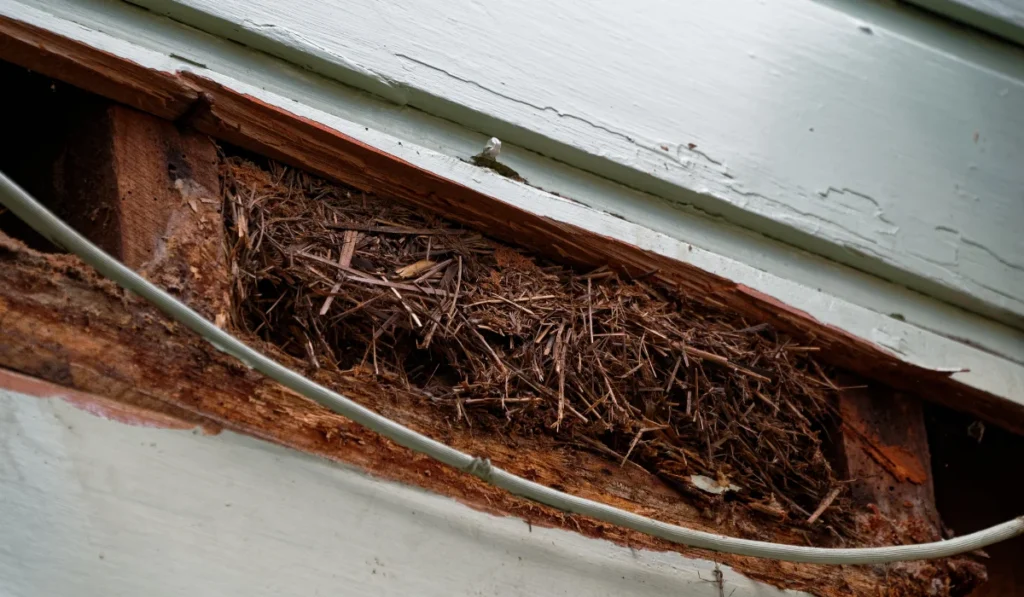
Mice build nests using soft materials they find indoors. Common nesting items include shredded paper, fabric, insulation, and cardboard. Mice hide nests inside walls, storage boxes, attics, and crawl spaces.
Finding nesting materials means mice have stayed in the home for some time. Mice reproduce quickly, so one nest can lead to a fast-growing rodent infestation.
Our pest control services remove nests and reduce nesting chances by closing entry points and limiting shelter areas.
Pet Behavior Can Signal Mouse Activity
Pets often notice mice before people do. Dogs may bark at walls or scratch at cabinets. Cats may fixate on spots under appliances or along baseboards.
Dogs and cats detect mouse activity that people miss. If pet behavior changes without a clear cause, check for other signs of mice.
Our team helps homeowners regain control when mouse activity disrupts the household.
Food Damage And Missing Food Sources
Mice seek easy food sources inside the home. You may notice chewed food packaging, spilled pet food, or damage to stored birdseed, even in sealed containers. Small amounts of food left overnight attract mice year-round, especially during colder months when outdoor options are limited.
Mice contaminate food with rodent droppings and mouse urine, which can spread diseases. This contamination does not remain confined to the food and often spreads to countertops, cabinets, and nearby surfaces, increasing health risks for homeowners and their families.
We help homeowners get rid of mice by removing access to food and addressing the root cause of the pest problem.
Health Risks Linked To Mice In Homes
A mouse infestation poses serious health risks. Mice carry diseases such as hantavirus, which can spread through particles in their droppings and urine. Allergies and asthma symptoms may worsen when mice contaminate air spaces.
A dead mouse hidden in walls or crawl spaces can cause strong odors and attract other pests. These risks make fast action necessary once signs of mice appear.
Professional pest control reduces health risks by removing rodents and blocking re-entry.
Why DIY Mouse Traps Often Fall Short
Mouse traps may catch one or two mice, but they rarely fix the whole problem. Traps do not seal entry points or remove nests. Mice often avoid poorly placed traps or return through the same gaps.
Repellents offer limited results and do not stop breeding. Without sealing holes and treating runways, mice often return.
We use a complete rodent control approach that includes inspection, exclusion, and targeted removal.
Making The Right Choice For Mouse Control In The Southeast
Mouse problems rarely stay small once they start. Taking action at the right time helps limit disruption to your home and prevents the issue from becoming harder to manage. A clear plan that focuses on entry points, shelter areas, and follow-up care makes a lasting difference.
Homeowners across Alabama, Tennessee, Mississippi, and the Florida Panhandle often need support that goes beyond short-term fixes. At Waynes Pest Control, we provide rodent control built around long-term protection, with solutions designed for the conditions found in this region.
Contact us today to schedule an inspection or request a free quote.
FAQs
What are the most common signs of mice in Alabama homes?
In Alabama, homeowners often notice mouse droppings, gnaw marks, and scurrying sounds in basements or crawl spaces. Changes in pet behavior and oily rub marks along baseboards are also common signs of mice in the house across the state.
Are mice a year-round problem in Tennessee and Mississippi?
Yes, mice remain active year-round in Tennessee and Mississippi. While activity increases in cooler months, house mice seek food and shelter indoors at any time, especially in older homes with easy entry points.
When should Florida Panhandle homeowners call professional pest control for mice?
Homeowners in the Florida Panhandle should contact a professional pest control company when they see repeated signs of mice, hear noises inside walls, or notice food damage. Early rodent control helps prevent health risks and property damage.