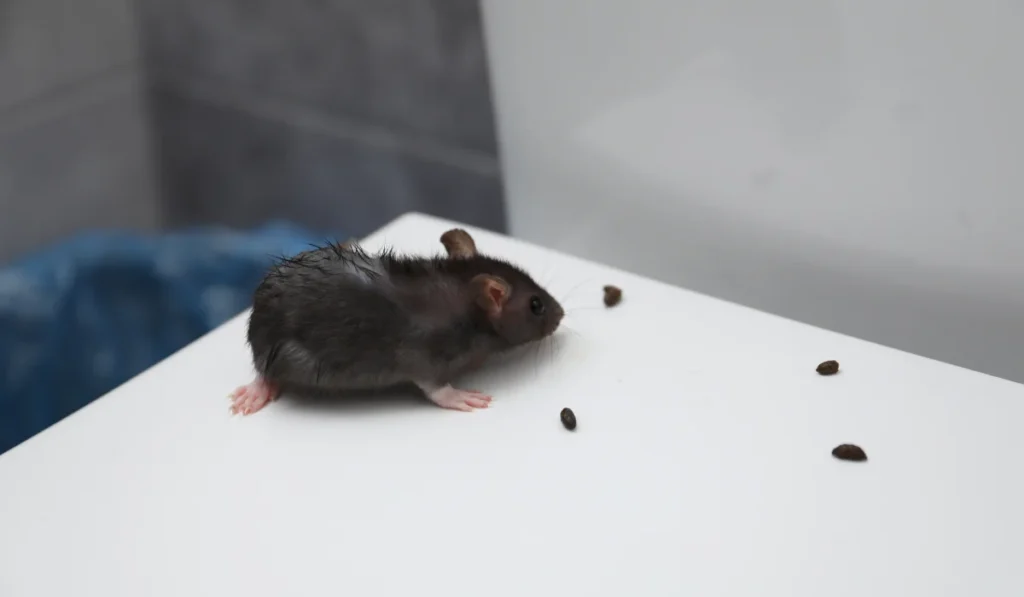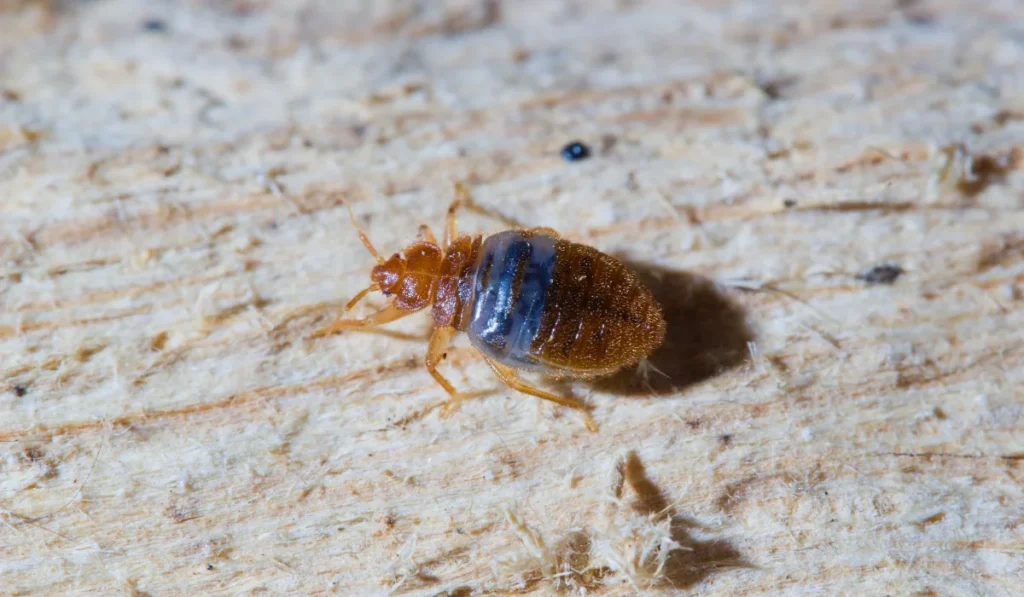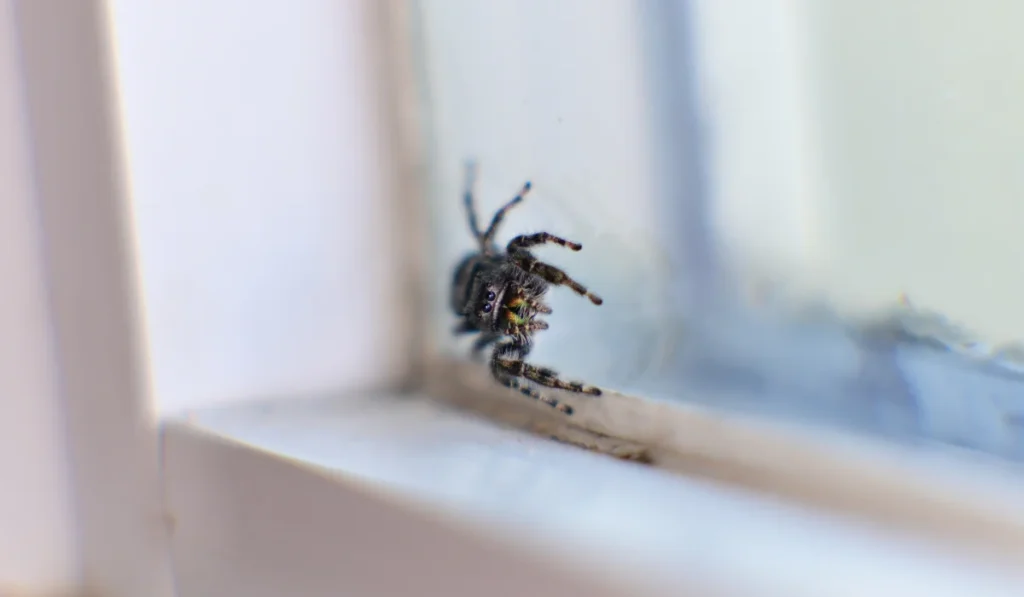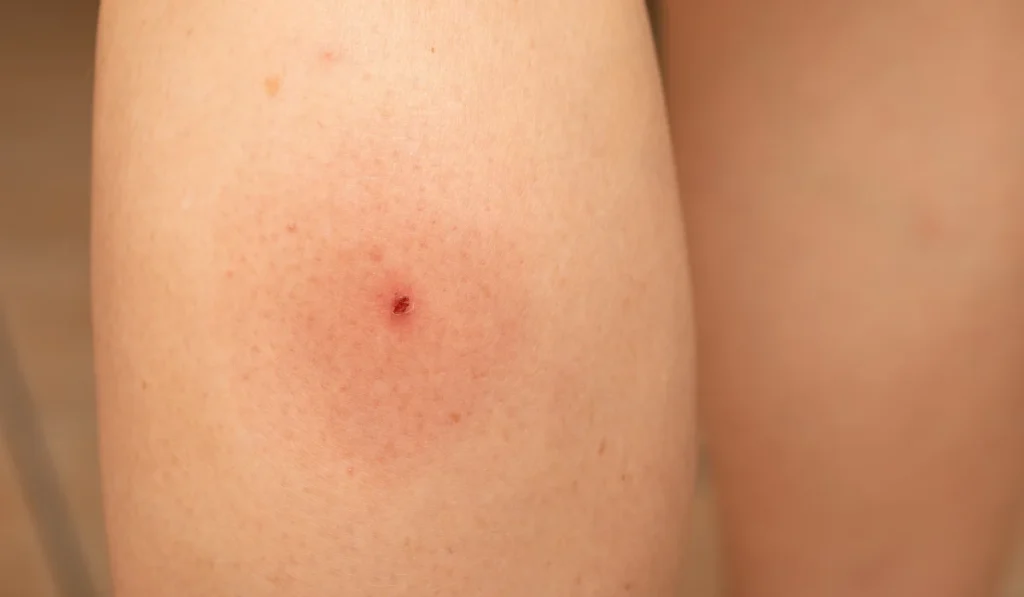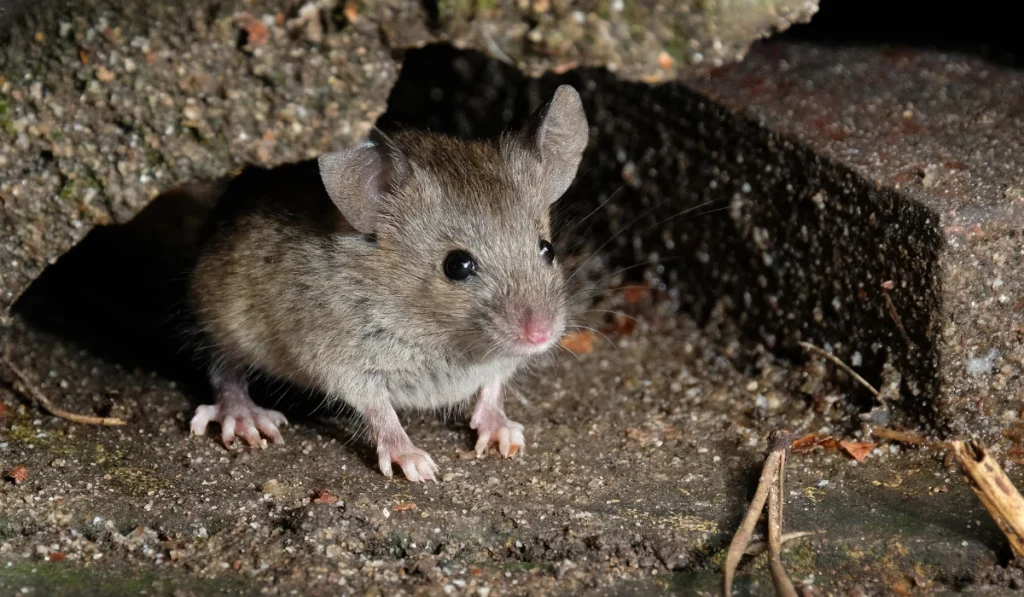


Mice are a common problem for homeowners in Huntsville, especially during seasonal changes. When temperatures drop or heavy rain falls in north Alabama, mice seek warm, dry places to nest. Many homes offer easy entry points, and most people do not notice until a rodent problem has already started.
Preventing mouse infestations in Huntsville, AL, starts with understanding how mice behave. House mice are among the most common pests found indoors, but roof rats also cause problems in some areas. These rodents squeeze through small gaps, hide inside walls, and search for food at night. Once inside, they create ongoing issues.
This guide explains why mice enter homes in Huntsville, what attracts them, and how to prevent an infestation early. You will learn simple prevention steps, when DIY methods stop working, how local weather affects mice, and when to call a professional rat exterminator in Huntsville, AL.
Key Takeaways
- Mice enter homes in Huntsville through small openings while searching for food and shelter.
- Sealing gaps and controlling food sources helps prevent rodent infestations.
- Huntsville’s climate allows rodents to stay active year-round.
- Professional rodent control services help keep homes pest-free over time.
Video Guide: Mice 101 – Mice Species Fast Facts and Information
The video discusses common mouse species, their behavior, and where they hide. Watching how mice move and nest shows why sealing entry points and reducing food sources matters. Visual examples help homeowners spot early warning signs and act before the problem grows.
Why Do Mice Infest Homes In Huntsville, AL?
Mice infest homes in Huntsville, AL, because they find easy access to food, moisture, and shelter. Many homes across Madison County include hidden spaces where rodents nest.
Huntsville’s mild winters keep mice active all year. Heavy rain pushes rodents indoors, while cooler weather sends them into basements and crawl spaces. Roof rats may also travel along rooflines and attics when outdoor food sources decline.
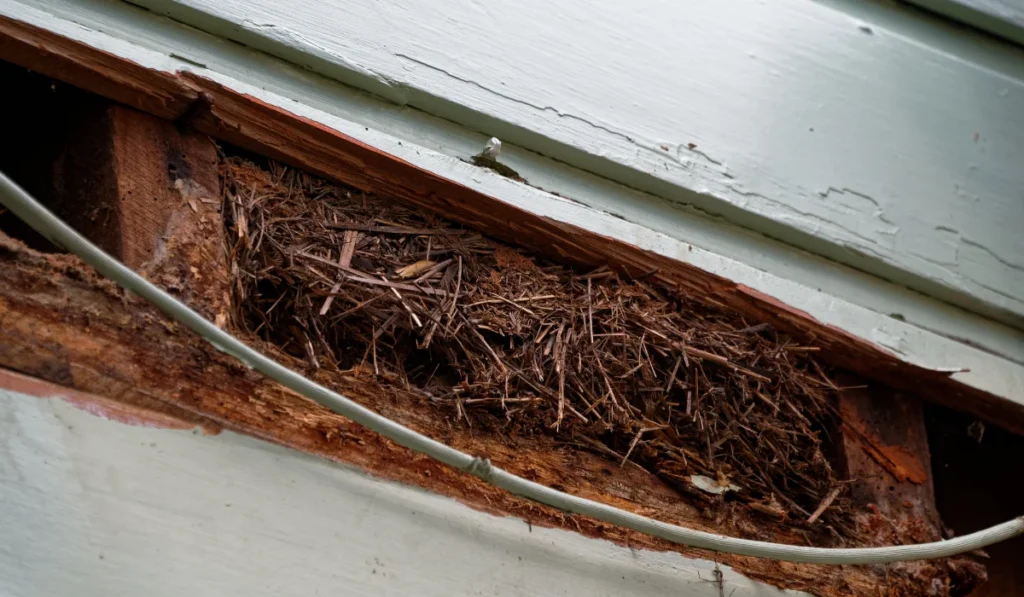
Many homes in Huntsville have crawl spaces, basements, or older foundations. Small drywall cracks, gaps in pipes, and worn door seals provide easy entry for mice. Mulch and shrubs near the foundation also help rodents stay hidden.
Daily habits can raise the risk. Leaving pet food out, storing items loosely in basements, or letting clutter accumulate provide mice with food and nesting materials. Without prevention, minor pest problems can grow fast and become harder to control.
At Waynes Pest Control, we provide complete pest control services that help Huntsville homeowners spot these risks early through inspections and targeted treatments.
What Attracts Mice To Homes In Huntsville, AL?
Mice look for food, water, and shelter, and many Huntsville homes provide all three without realizing it.
Food sources include crumbs, pantry items, trash, and pet food left out overnight. Mice chew through thin packaging, so sealed containers matter. Even small spills can attract rodents.
Moisture also attracts mice. Leaky pipes, damp basements, and humid crawl spaces create ideal conditions. Shelter comes from clutter, insulation, and wall voids where mice stay hidden.
Outdoor conditions also matter. Mulch beds, woodpiles, and overgrown landscaping near foundations give mice cover to move unseen. Construction in Huntsville, Athens, and Decatur can push rodents into nearby homes.
Our pest control services help homeowners find and remove these attractants early.
How Do You Prevent Mice Infestations In Huntsville, AL? (Step-By-Step)
Stopping rodents before they move in requires consistent habits and simple preventive measures that limit access to shelter and entry points. Mice only need a small opening to get inside.
Step 1: Seal Entry Points
Seal entry points around doors, windows, vents, utility lines, rooflines, and the foundation. Mice can squeeze through openings as small as a nickel. Inside the home, check for gaps in drywall, baseboards, and areas behind appliances.
Sealing these openings keeps mice out of walls, basements, and crawl spaces and can also reduce insect activity.
Step 2: Reduce Moisture Indoors And Outdoors
Fix leaky pipes, dripping faucets, and condensation near HVAC systems. Keep basements and crawl spaces dry and well ventilated.
Outside, clean gutters and direct water away from the foundation. Standing water attracts pests and makes mosquito problems worse during warm months.
Step 3: Improve Food And Waste Management
Store pantry items and pet food in sealed containers. Clean kitchen surfaces daily and dispose of trash regularly. Avoid leaving food in garages or storage rooms where mice often nest.
When mice cannot find food, they are less likely to stay inside.
Step 4: Maintain Landscaping
Trim shrubs away from the home and limit mulch near the foundation. Remove leaf piles and store firewood away from the house. These steps reduce hiding places and limit access for mice and roof rats.
Step 5: Use Preventive Treatments When Needed
Basic traps can help spot early activity, but they do not address nesting sites or entry points. Preventive treatments are most effective when combined with sealing, sanitation, and moisture control.
Without these steps, mice often return. We offer guidance and rodent control services that support long-term prevention for Huntsville homeowners.
What DIY Methods Help Prevent Mice In Huntsville, AL?
DIY methods can help with prevention when used correctly. Sealing small gaps, improving cleaning habits, and using basic traps may lower activity.
Many homeowners notice droppings or feces and try DIY solutions first. While traps may catch individual mice, they rarely stop a growing rodent infestation. DIY methods also do not address fleas that rodents may carry or health risks such as Salmonella and hantavirus.
DIY works best as maintenance, not a complete solution. If you want to protect your home from rodents and hantavirus, let professionals address any ongoing mouse problems.
Our exterminator teams help homeowners understand when DIY efforts are no longer enough.
How Does The Huntsville, AL, Climate Affect Mice Prevention?
Huntsville’s climate allows rodents to remain active year-round. Mild winters keep mice moving, and rain pushes them indoors. Summer heat sends rodents into cooler wall voids and basements.
Seasonal prevention helps. Winter inspections catch entry points early. Spring sealing and moisture control limit nesting. Summer sanitation reduces food access, and fall exclusion prepares homes for cooler weather.
Homes in Athens, Decatur, and other parts of north Alabama follow the same patterns.
When Should You Call A Professional For Mice Prevention In Huntsville, AL?
Call a professional when DIY efforts fail or when signs continue. Droppings, gnawed drywall, scratching sounds, or repeated sightings point to a deeper issue.
Mice spread salmonella and hantavirus and carry fleas throughout the home. Damage and contamination increase over time when infestations go untreated.
Our team brings years of experience to rodent control services. A detailed inspection helps find hidden problems and prevent repeat infestations.
Making The Right Choice To Prevent Mice Infestation In Huntsville, AL
Preventing mice problems comes down to staying ahead of the issue before damage or health risks appear. A well-planned prevention approach focuses on early detection, proper exclusion, and ongoing monitoring to prevent rodents from establishing a presence.
At Waynes Pest Control, we offer professional support to address hidden activity and reduce the risk of recurring issues through detailed inspections and proven prevention methods.
Contact us today or request a free quote to learn more about rodent control services in Huntsville and the surrounding areas.
FAQs
What’s the most important step in preventing mice in Huntsville, AL?
Sealing entry points is the most important step for Huntsville homeowners. Mice can enter through tiny gaps common in Madison County homes, so proper exclusion helps stop infestations early.
Are DIY pest prevention methods effective in Huntsville, AL?
DIY methods can address minor issues, but they rarely resolve a full mouse problem in Huntsville. Traps and cleaning provide short-term relief, but professional rodent control services address nesting and recurring activity.
Does the weather affect how often mice invade homes in Huntsville, AL?
Yes. Huntsville’s mild winters and frequent rain push mice indoors year-round. Local climate conditions make consistent preventive maintenance important for homeowners across northern Alabama.