As temperatures drop in Huntsville, mice start looking for the same things your home provides: warmth, shelter, and reliable access to food. They need very little space to get inside, and once they establish a nest in a crawl space, attic, or wall void, the problem tends to compound quietly before most homeowners notice. Knowing where they enter, what signs to look for, and how to cut off the conditions that keep them there gives you a practical edge before winter sets in.
Key Takeaways
Protection Calendar · House miceHuntsville, ALWhen mice press into Huntsville homes
This calendar tracks when mice move indoors for warmth. Activity climbs as outdoor temperatures fall. Mice are most active inside through the coldest stretch. Darker shields mean heavier activity.
Peak: Nov–Jan, mice shelter indoors from winter cold
Peak Nov–JanHigh Feb & OctLow Mar & SepOff Apr–Aug
- Mice can fit through gaps as small as a dime. Inspecting your home for openings around pipes, wires, vents, and the foundation is the most practical first step toward winter prevention.
- Removing easy access to food and storing items in sealed containers makes your home considerably less attractive to rodents once temperatures push them toward structures.
- Crawl spaces, attics, and wall voids are the areas where mice establish nests most often. Regular inspection of these spaces helps you catch activity before it grows.
- Waynes Pest Control has served more than 150,000 families across Alabama with over 50 years of experience. Professional inspection uncovers entry points and hiding spots that are easy to miss on your own.
How to Identify Mice in Your Huntsville Home During Winter
Mice are rarely seen directly, but they leave consistent signs. Knowing what to look for helps you act before a small presence grows into something harder to manage.
Alabama Cooperative Extension provides identification guidance for commensal rodents common to North Alabama homes, including house mice and Norway rats.
Mice vs. Rats: Telling Them Apart
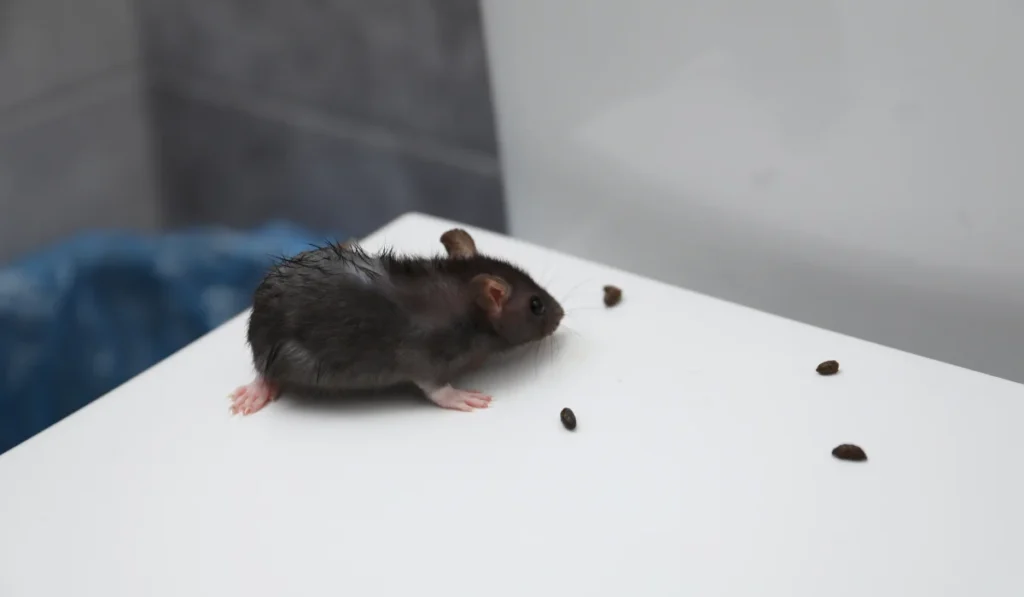
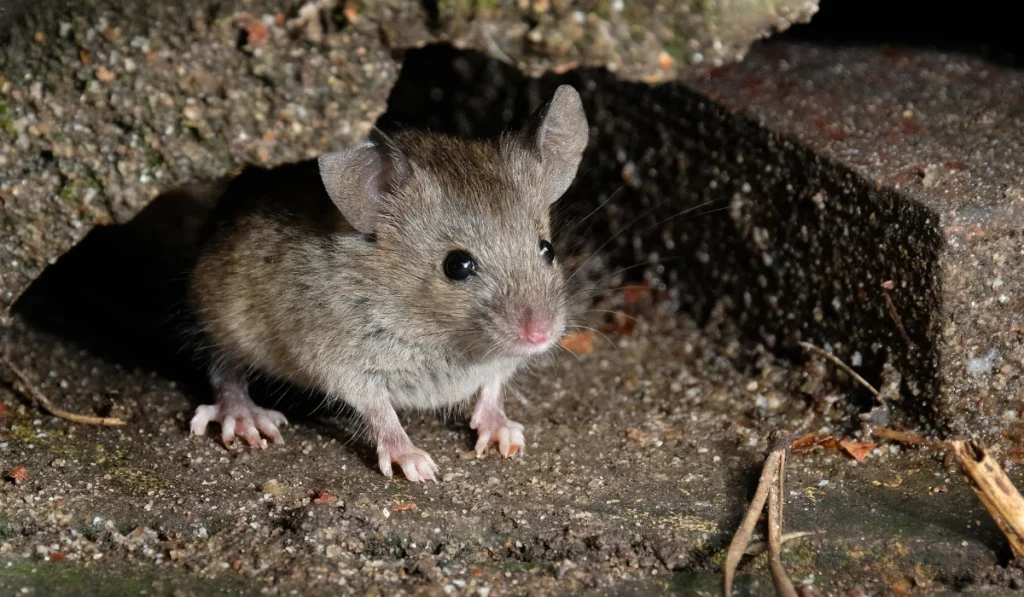
Commensal mice and rats are the rodent types most likely to seek shelter in Huntsville homes during winter. Mice are smaller, with more tapered snouts, larger ears relative to their body size, and thinner tails. Their droppings are small and pointed at both ends, roughly the size of a rice grain. Rat droppings are larger and blunt-ended. Knowing which rodent you are dealing with shapes the right response, since control approaches and product choices differ between the two.
Signs of Mouse Activity Inside Your Home
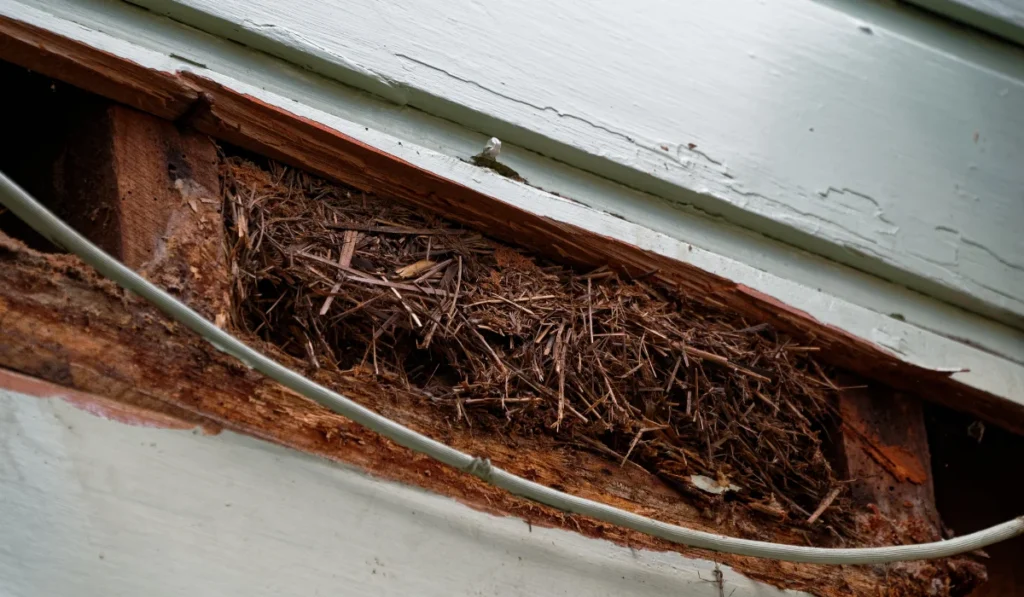
Nesting material is one of the clearest indoor signs. Mice build nests using shredded insulation, dry wood fiber, and water-damaged wood. Finding disturbed insulation or scattered soft debris in hidden areas points to active nesting. Small dark droppings along walls, near baseboards, and in storage areas are another consistent indicator. Gnaw marks on food packaging, wiring, and structural materials also signal activity, as does scratching or movement sounds from inside walls at night when mice are most active.
Where Mice Concentrate in Huntsville Homes
Crawl spaces, attics, and wall voids are the preferred nesting locations. These spaces offer warmth, low traffic, and proximity to the entry points mice use to get inside. Crawl spaces deserve particular attention in Huntsville homes. Vented or unsealed crawl spaces with moisture accumulation create conditions that are especially hospitable to rodents, both as nesting habitat and as a pathway to the rest of the structure.
Entry Points to Watch For
Mice can squeeze through any gap roughly the size of a dime. Openings where pipes, wires, and vents pass through exterior walls and the foundation are among the most common and most overlooked entry points. Gaps in siding, cracks along the foundation perimeter, and poorly fitted doors and windows also provide access. Walking the perimeter of your home before winter temperatures drop gives you the clearest picture of where your home is vulnerable.
Why Mouse Problems Develop in Huntsville Homes in Winter
Winter mouse problems follow a predictable pattern driven by temperature, food availability, and shelter. Understanding what draws mice toward your home and how they move once inside helps you focus prevention where it will have the most effect.
Where Mice Nest Near Your Home
Before moving indoors, mice often establish outdoor nesting spots close to structures. Dense ground cover, stacked firewood, debris piles, and areas where moisture collects near the foundation all provide shelter that keeps mice within easy foraging distance of your home. Crawl spaces in particular can attract rodent activity when moisture and humidity create favorable conditions inside them. Once a nest is established nearby, the move indoors during cold stretches becomes almost inevitable.
What Draws Mice Into Your Home
Food is the primary draw. Accessible food stored in cardboard boxes or paper bags, spilled grain, pet food left in open bowls, and pantry items in unsealed containers all give mice a reason to stay once they find their way in. The combination of available food and a warm, sheltered space is what turns a brief exploratory visit into a full winter infestation. Removing those rewards before cold weather arrives reduces the incentive significantly.
How Mice Move Through a Structure
Mice follow consistent routes between their nests and food sources, typically running along walls, pipes, and structural edges. They use these same pathways repeatedly, which is why droppings accumulate along baseboards and behind appliances rather than scattered randomly. Crawl spaces often function as a transitional zone, connecting the exterior to interior wall voids and eventually to living areas. Moisture in crawl spaces, beyond attracting rodents as a nesting site, can soften wood and create conditions that make gnawing through structural materials easier over time.
Sealing Entry Points and Cutting Off Access
Keeping food cleaned up and stored in sealed containers limits the reward at the end of the routes mice travel. Sealing gaps around utility penetrations, adding weather stripping to doors, and installing screens over vents in soffits, gables, and crawl spaces removes the access routes themselves. Addressing both the attractants and the entry points together is more effective than either step alone.
Risks of Mice in Your Huntsville Home
Mice in a Huntsville home during winter create more than a nuisance. The areas they access and the materials they contact make their presence a concern worth addressing promptly rather than monitoring.
Health Concerns
Mice travel through crawl spaces, wall voids, and attic spaces before moving into living areas, carrying contaminants from those environments with them.
The EPA identifies the house mouse as among the most problematic pests affecting homes and public health, with risks associated with contact with droppings, urine, and surfaces mice travel across. Any area where mouse activity is confirmed deserves thorough cleaning in addition to pest control treatment.
Property Damage
Mice gnaw constantly to keep their teeth worn down, and wiring, insulation, structural wood, and stored items along their travel routes are all at risk. Damage to vehicle wiring in garages and to household wiring inside wall voids is a particular concern during winter when mice are most active indoors. The longer an infestation goes unaddressed, the more cumulative damage accumulates in the areas mice use regularly.
Food Storage and Kitchen Areas
Kitchens and pantries draw mice once they have established inside a structure. Cardboard food packaging and paper bags offer no meaningful barrier. Moving pantry items into hard-sided, sealed containers removes both the food source and the nesting material that cardboard provides. Addressing food storage is important, but it works best alongside sealing the entry points that allowed mice access in the first place.
When to Investigate Further
Droppings along walls, chewed packaging, disturbed insulation in a crawl space, or scratching sounds from inside walls are all signs worth following up on rather than dismissing. Mice travel along consistent routes, so checking baseboards, behind appliances, and near any utility penetrations gives you the most productive starting points. If traps placed near suspected activity do not catch anything within the first few nights, moving them closer to visible signs of use improves the chance of confirming the scope of the problem.
Professional Mouse Prevention in Huntsville, AL
A layered approach that combines sealing entry points, removing food sources, regular inspection, and professional treatment gives you the most complete defense against winter mouse activity in your Huntsville home.
Reducing What Draws Mice In
Removing what attracts mice toward your home is the first line of defense. Store food in hard-sided sealed containers. Keep storage areas organized and free of cardboard and clutter that gives mice places to hide. Remove stacked firewood and debris piles from near the foundation. Clear dense ground cover from the perimeter. Add door sweeps to entries that lead outdoors and install weather stripping wherever gaps allow air movement.
Screen open vents in soffits, gables, and crawl space openings to close off entry points that are easy to overlook during a casual exterior inspection. These physical barriers work alongside food source removal to make your home as unwelcoming as possible before the first cold stretch of the season.
Why Inspection Comes First
A professional inspection identifies where mice are entering, where they are nesting, and how active the problem already is. Crawl spaces and attics are the areas where activity is most often found and most often missed during a homeowner walkthrough. Waynes Pest Control evaluates the interior, exterior, crawl space, and attic, looking at walls, the foundation perimeter, and utility penetrations, to locate the vulnerabilities that matter most for your specific home.
That walkthrough also shapes the treatment plan. Entry points found during inspection can be sealed as part of the service rather than treated as a separate project, which makes the barrier more complete from the start.
What Professional Treatment Involves
Professional mouse control combines tamper-resistant bait stations with trapping and exclusion work.
The EPA’s residential pest control guidance recommends that any rodenticide bait be placed inside a tamper-resistant station made of durable plastic or metal, positioned where children and pets cannot reach it. A professional knows which product fits the situation and where stations should be placed to intercept mice along the routes they actually use rather than in locations that sound logical but produce no results.
Waynes pairs hands-on service with post-service video transparency so you can see exactly what was done and where. That accountability is part of what 50 years of service to more than 150,000 families across Alabama looks like in practice.
What a Mouse Prevention Plan Covers
A complete plan pairs exclusion work with ongoing monitoring. Screening vents, sealing gaps around utility penetrations, adding door sweeps, and reducing indoor harborage all support the professional treatment and keep the barrier intact between visits. Regular inspection of the crawl space and attic maintains awareness of any new activity so it can be addressed before it grows. Every little thing matters. A LOT.
Bottom Line
Preventing mice in your Huntsville home during winter comes down to a few consistent habits: seal gaps around walls, floors, and utility penetrations; store food in sealed containers; and reduce the clutter and outdoor conditions that keep mice close to the structure. DIY efforts help but have limits, particularly in crawl spaces and attics where activity often goes undetected until it is well established. If you want a thorough inspection and a plan tailored to your home, contact Waynes Pest Control for help from a team backed by more than 50 years of experience serving Alabama families.
Frequently Asked Questions
What Attracts Mice Indoors When Temperatures Drop?
Mice look for warmth, shelter, and reliable access to food. Stored food in cardboard or paper packaging, pet food in open bowls, and cluttered storage areas all make a home more appealing. Keeping those conditions in check reduces what draws mice inside when outdoor temperatures push them toward structures.
Where Should I Check for Entry Points?
Focus on openings around pipes, wires, and vents where they pass through exterior walls and the foundation. Check door and window frames for gaps, inspect where siding meets the foundation, and look at crawl space vents and soffit openings. Any gap roughly the size of a dime is wide enough for a mouse to use.
Are Traps a Good Option for Homeowners?
Traps can help reduce the mice already inside a structure, but they do not address the entry points that allowed them in. If you use bait stations, choose tamper-resistant models made of durable plastic or metal and position them where children and pets cannot reach them. Move traps that produce no results within the first few nights to locations closer to visible droppings or other signs of activity.
When Should I Call a Professional?
If you notice signs of ongoing activity despite your prevention efforts, or if you are unsure about the scope of the problem, a professional inspection is the most reliable next step. Crawl spaces and attics are the areas most often missed during a homeowner walkthrough, and a trained professional can evaluate those spaces safely and accurately. Waynes can assess your home and recommend next steps based on what is actually found.