
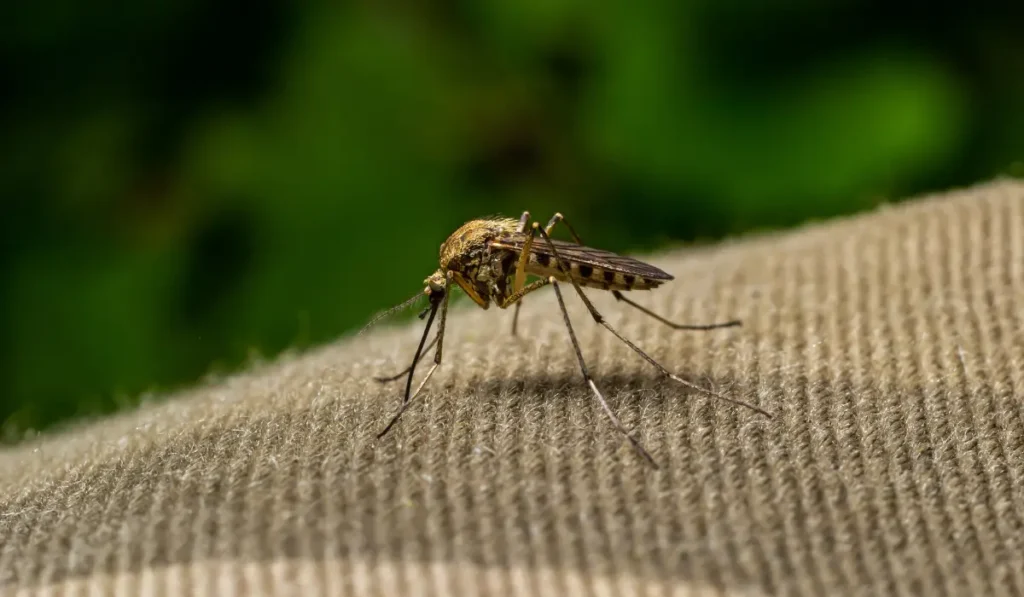
Florida Panhandle mosquitoes can become much more noticeable after warm, wet weather because rain leaves water in places where immature mosquitoes can develop. For homeowners, the most effective response starts close to home: find and remove standing water, keep the yard maintained, protect doors and windows, and take steps to prevent bites. Understanding where mosquitoes develop and what keeps them active can also help you decide when routine yard care is enough and when professional mosquito control makes sense.
Why Florida Panhandle Mosquitoes Can Be So Persistent
The Florida Panhandle provides many of the conditions mosquitoes need. Warm temperatures, rainfall, humidity, vegetation, and available water can support activity through a long part of the year. Along the Gulf Coast, mosquito concerns may also continue beyond the period homeowners in cooler regions usually think of as mosquito season.
Weather can change conditions around your home quickly. A dry yard may contain several new water-holding spots after one stretch of rain. Gutters, flowerpot saucers, buckets, children’s toys, tarps, outdoor equipment, birdbaths, and low areas of the lawn can all collect water.
Your Yard Is Part of a Larger Mosquito Environment
The mosquitoes around your patio may not all be developing in one obvious place. Your property can contain breeding or resting areas, while neighboring yards, drainage areas, and other nearby water sources can add to the activity you notice.
That is why mosquito management works best as a repeated property-maintenance habit rather than a one-time cleanup. The University of Florida IFAS Extension provides Florida-specific information on mosquito biology, breeding habitats, species, and management, making it a useful resource for understanding how local conditions affect mosquito activity.
Where Mosquitoes Develop Around Florida Panhandle Homes
Mosquitoes depend on water during key parts of their life cycle. They develop through egg, larval, pupal, and adult stages, with the larval and pupal stages occurring in water. The CDC’s mosquito guidance recommends removing water-holding areas around the home as part of reducing mosquito breeding opportunities.
You do not need a pond or large drainage ditch to have a mosquito breeding concern. A small container that holds rainwater can provide suitable conditions for developing mosquitoes. That makes routine inspection especially useful around homes where outdoor items are moved, stored, or exposed to frequent rain.
Common Places to Check After Rain
Walk around your property after wet weather and look for anything that is holding water. Check low areas first, but do not overlook gutters, outdoor furniture, equipment, and covered items where water can sit out of sight.
| Area Around Your Home | What to Check | Practical Response |
| Gutters and drainage | Water that remains instead of draining | Remove debris and correct drainage problems where practical |
| Planters and containers | Water in saucers, buckets, or unused pots | Empty unnecessary water and store containers so they cannot collect rain |
| Toys and outdoor equipment | Recessed areas or openings that hold water | Drain, turn over, or cover the item |
| Birdbaths and water features | Water that remains undisturbed | Maintain and refresh the water regularly |
| Lawn and landscaping | Low areas, dense growth, and persistent moisture | Improve drainage where practical and trim excessive vegetation |
The key is to repeat the inspection. Rain, irrigation, yard work, and everyday use of outdoor spaces can create new water-holding locations even after you have already cleaned up the property.
How to Reduce Mosquitoes Around Your Panhandle Property
Reducing mosquitoes around your home starts with source reduction. Empty containers that do not need to hold water, keep gutters and drainage areas clear, and store outdoor items so they cannot fill with rain. After storms, revisit the parts of your property where water tends to collect.
Landscaping also plays a role. Waynes recommends keeping grass cut, trimming excess vegetation, and removing standing water to help reduce mosquito populations and support mosquito service. These steps also make it easier to see damp areas and containers that might otherwise stay hidden behind thick growth.
Make Mosquito Checks Part of Yard Maintenance
A single cleanup can lose its value after the next rain. A tarp may shift, a toy may be left outside, or leaves may block a drain. Building a mosquito check into your normal yard routine helps you catch these changes sooner.
Use the same route around the property each time. Check patios, side yards, storage areas, gutters, landscaping beds, play areas, and any place where you have seen water collect before. Over time, you will learn which parts of your yard need the most attention after rain.
Understanding Mosquito Season in the Florida Panhandle
Mosquito season in the Florida Panhandle does not have one fixed beginning and end that applies to every property. Temperature, rainfall, water availability, and local yard conditions all influence activity. Gulf Coast weather can support mosquitoes beyond the months many homeowners associate with summer.
Waynes uses March through October as its primary mosquito service period and notes that mosquito concerns can continue year-round in the Gulf Coast region. For homeowners, that is a reminder to follow the conditions around the property rather than relying only on the calendar.
Rainfall Can Change Mosquito Conditions Quickly
A dry stretch may leave containers empty and low areas firm. After repeated rain, those same locations can hold water again. Gutters, plant saucers, toys, tarps, outdoor equipment, and depressions in the yard may all need another check.
This makes weather one of the best reminders to inspect your property. If several storms move through the Panhandle, walk the yard again even if you recently completed routine maintenance.
What Mosquito-Borne Illness Means for Florida Homeowners
Some mosquitoes in Florida are capable of transmitting disease, but that does not mean every mosquito carries a pathogen or that every bite leads to illness. Risk depends on the mosquito species, whether a pathogen is circulating locally, and current public-health conditions.
The Florida Department of Health monitors mosquito-borne illness across the state and publishes information on diseases of concern in Florida, including West Nile virus, Eastern equine encephalitis, and dengue. Because disease activity can change, current state and local surveillance is more useful than relying on old case totals from previous seasons.
Reduce Bites Indoors and Outside
Managing your yard is only part of mosquito prevention. Screens on windows and doors can help keep mosquitoes from entering your home. If a screen is torn or does not fit correctly, repairing it removes an easy entry point.
When you spend time outdoors, the CDC recommends using EPA-registered repellents according to label directions. Pairing personal protection with good yard maintenance gives you a more complete approach than relying on either one by itself.
When Florida Panhandle Mosquito Control Can Help
Even with careful yard maintenance, Florida Panhandle mosquito activity may remain high. Nearby properties, drainage areas, heavy vegetation, shaded locations, and water sources that cannot easily be removed can continue contributing to the problem.
Professional mosquito control can complement the steps you take yourself. Waynes’ mosquito service is built around recurring treatments during the main service season, with Gulf Coast service accounting for the region’s longer period of mosquito activity. The service approach can also account for parts of the property where shade, water, or access make mosquito management more difficult.
Why Home Maintenance Still Matters
Professional service works best when the property is maintained between visits. Removing standing water, keeping grass cut, trimming excessive vegetation, and addressing drainage where practical can reduce conditions that support mosquitoes.
Your own observations are useful, too. If mosquitoes are consistently worse near a shaded patio, around one side of the house, or after water gathers in a particular area, share that information with your Field Professional. It helps focus attention on the places where you experience the most activity.
Taking Control of Mosquitoes Around Your Florida Panhandle Home
Managing Florida Panhandle mosquitoes starts with the conditions you can see and change. Water supports mosquito development, rain can create new breeding locations, and common outdoor items can become water-holding sites when they are overlooked. Regular inspections, maintained landscaping, working screens, and appropriate bite protection can all help reduce mosquito activity around your home.
If mosquitoes continue interfering with your outdoor space, Waynes Pest Control can evaluate the conditions around your property and recommend mosquito-control options suited to your home. To discuss persistent mosquito activity or schedule service in the Florida Panhandle, contact the Waynes team to get started.