
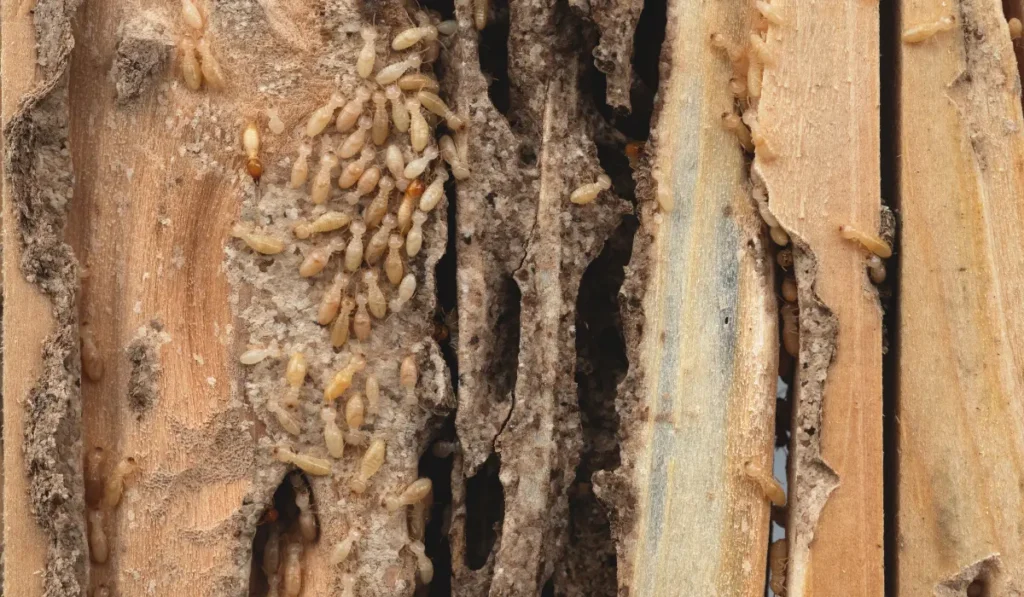
If you want to know what attracts termites to Panhandle properties, start around the foundation and yard. Subterranean termites feed on cellulose and can reach wood from the soil, especially where wood touches the ground or where sheltered routes let them move without much exposure. Moisture problems, nearby wood materials, and hard-to-inspect areas can also make a property more conducive to termite activity. Knowing which conditions matter, and which signs point to possible activity, can help you decide what to correct and when to schedule an inspection.
What Attracts Termites to Panhandle Homes?
Termites feed on cellulose, the material that makes wood and other plant matter a food source. Around a home, that can include structural lumber, landscape timbers, tree stumps, firewood, and discarded pieces of wood. The presence of wood alone does not indicate an infestation. What matters more is whether termites can reach it from the soil and whether the area stays hidden from routine inspection.
Waynes encounters both native and Formosan subterranean termites in its service areas. These termites live in soil or wood and may remain concealed while moving toward a food source. That makes foundations, crawl spaces, porches, decks, and other areas where soil and structural materials come close together worth checking regularly.
Homeowners looking for more information about Florida termite species and identification can also use the University of Florida IFAS Extension as a university-based reference.
Why Moisture Around Your Home Deserves Attention
Moisture is one condition to watch when evaluating what attracts termites to your home. Persistent dampness around wood or soil can create a more favorable environment for subterranean termite activity. A wet area does not confirm termites, but repeated moisture near structural wood is a maintenance issue worth correcting.
Check for Recurring Water Problems
Look for leaks or damp areas that continue returning after the surface appears dry. Water near wooden supports, framing, crawl-space components, or other structural materials can be easy to overlook when the source is hidden.
The priority is finding and fixing the source rather than repeatedly drying the same area. Correcting a leak also makes it easier to monitor the wood and surrounding surfaces for changes.
Pay Attention to Water Near the Foundation
Water that repeatedly collects beside a house can make foundation areas harder to maintain and inspect. Check how water moves away from the structure after rain and whether any part of the perimeter remains persistently damp.
Keeping these areas accessible gives you a clearer view of foundation surfaces and other places where mud tubes may appear.
How Wood-to-Soil Contact Gives Termites Easier Access
Wood-to-soil contact is one of the clearest conditions to address around a Panhandle property. Subterranean termites travel through soil, so wood that touches the ground places a cellulose food source directly against the environment where they live and move.
Porch supports, deck components, siding, fencing, and landscape timbers are examples of exterior wood that may come into contact with soil. Not every piece of ground-contact wood contains termites, but unnecessary contact can remove a useful separation between soil and structural material.
Termites can also reach wood that sits above the ground. Waynes’ termite information identifies mud tubes as a sign of subterranean termite activity. These tubes can provide a sheltered route across other surfaces toward wood.
| Property Condition | Why It Matters | What to Do |
| Structural wood touches soil | Places cellulose in direct contact with the ground | Correct unnecessary wood-to-soil contact |
| Wood remains persistently damp | Creates a moisture problem around a food source | Locate and repair the water source |
| Mud tubes appear on a surface | May indicate subterranean termite activity | Arrange a termite inspection |
| Unused wood sits beside the home | Adds cellulose and may block inspection areas | Remove wood that is no longer needed |
Mulch, Firewood, Stumps, and Wood Debris
When homeowners think about termite attractants, mulch often gets most of the attention. A more useful approach is to look at all cellulose-containing material close to the house. Firewood, tree stumps, landscape timbers, old boards, and discarded wood can all become relevant when they sit near soil and the structure.
Placement matters. Firewood stacked directly against the house can hide part of the foundation from view. Old lumber under a deck or scraps left after a project can do the same. Removing material you no longer need keeps the perimeter easier to inspect and eliminates unnecessary wood close to the building.
Mulch should be treated with the same practical mindset. Rather than assuming mulch itself means termites will appear, make sure landscaping materials do not cover areas you need to inspect or create contact with structural wood.
Why Hidden Termite Access Can Be Hard to Spot
A termite problem may develop without exposed insects moving across an obvious surface. Subterranean termites can remain concealed in soil, wood, and mud tubes, which makes some activity difficult for homeowners to see during routine maintenance.
This is also why appearance alone has limits. A foundation may look clear from one side while another portion is blocked by landscaping, stored items, decking, or other materials. Keeping accessible areas of the foundation visible can make signs such as mud tubes easier to notice.
When making changes around the exterior, consider whether new soil, wood, or landscaping will cover surfaces you previously could inspect. Maintaining a clear view where practical can make both homeowner checks and professional inspections more useful.
What Termite Swarms and Other Warning Signs Look Like
Conditions around a home can increase concern, but visible termite signs deserve a different level of attention. Waynes identifies mud tubes, swarmers, discarded wings, and wood damage with mud in the layers as signs associated with termite activity.
Swarmers and Discarded Wings
Termites swarm as colonies expand. During this process, winged termites may become visible around a property, and discarded wings may remain after the swarm.
Flying ants can be confused with termite swarmers, so identification matters. If you find suspicious winged insects, take a clear photo or save an intact specimen if you can do so safely. Note where you found them, since location can provide useful context during an inspection.
Mud Tubes and Damaged Wood
Mud tubes are another sign associated with subterranean termites. They may appear on surfaces between the soil and wood or other parts of the structure.
Wood damage can be less obvious from the outside. Waynes’ termite information notes damaged wood with mud in the layers as a warning sign. When suspicious wood appears along with mud tubes, swarmers, or discarded wings, professional identification is a sensible next step.
How to Reduce What Attracts Termites to Panhandle Properties
Reducing what attracts termites to Panhandle properties starts with conditions you can control. Fix recurring moisture problems, correct unnecessary wood-to-soil contact, and remove wood debris or stored materials that block your view of the foundation.
Keep firewood and unused lumber from resting directly against the house. Look at porch supports, decks, landscape timbers, and other exterior wood for places where soil contact can be avoided. The goal is to reduce easy access to cellulose while making the perimeter easier to inspect.
Home maintenance cannot confirm whether a termite colony is already active beneath or around the structure. The U.S. Environmental Protection Agency’s termite-control information provides federal consumer guidance on termite management, while a termite professional can evaluate signs and conditions at your specific property.
Protecting Your Panhandle Property From Termites
Understanding what attracts termites to Panhandle properties helps you separate property conditions from evidence of actual activity. Wood-to-soil contact, persistent moisture, nearby wood debris, and concealed foundation areas are conditions you can address. Mud tubes, swarmers, discarded wings, and suspicious wood damage are stronger reasons to have the property evaluated.
Waynes uses the Sentricon System as part of its termite protection service. Stations around the property contain bait that termites can feed on and carry back to the colony, and Waynes services protected properties on an ongoing basis. If you have found signs of termite activity or want help assessing conditions around your home, Waynes Pest Control can evaluate your options. You can also contact Waynes about termite protection to request service for your Panhandle property.