
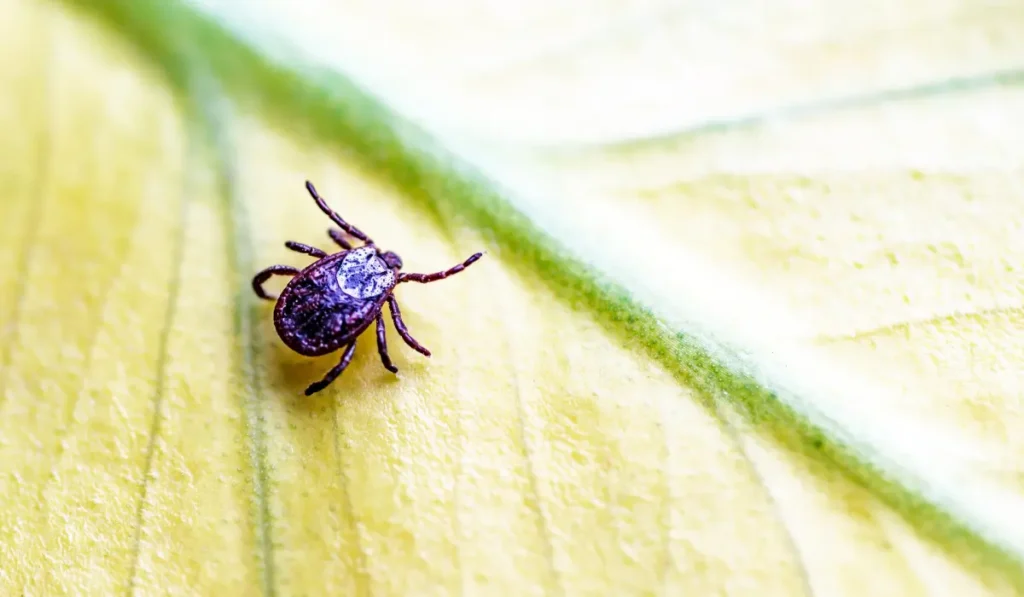
If you are wondering what attracts ticks to your yard, look first at the places where vegetation, animals, pets, and people cross paths. Dense growth, leaf litter, shaded areas, and regular animal traffic can give ticks more opportunities to encounter a host. For Florida Panhandle homeowners, identifying those areas can make tick prevention more focused, especially around walkways, pet spaces, landscaped borders, and other parts of the property your household uses often.
What Attracts Ticks to Your Yard in the Florida Panhandle?
What attracts ticks to your yard is usually a combination of suitable habitat and access to hosts. Ticks depend on blood meals from animals or people, but they also spend time away from a host. As a result, the layout and condition of your yard can influence where tick encounters happen.
According to the Centers for Disease Control and Prevention’s information on ticks, ticks cannot fly or jump. They reach people and animals through direct contact. A tick encounter may therefore be more likely where you or a pet brushes against vegetation than in the middle of an open section of lawn.
Look at Habitat, Hosts, and Contact Points
A practical property check should focus on three things:
- Habitat: Leaf litter, brush, dense vegetation, and other protected areas can provide places for ticks away from a host.
- Hosts: Wildlife, pets, and people can provide the blood meals ticks need.
- Contact points: Walkways, wooded borders, fence lines, and pet routes can bring hosts close to vegetation where ticks may be present.
A yard can look well maintained from the street and still have smaller areas that deserve attention. The front lawn may be closely cut while the space behind a shed stays shaded, a fence line collects leaves, or shrubs grow into a path used by people and pets.
Overgrown Vegetation Can Increase Tick Encounters
Vegetation matters because ticks can wait on plants and other surfaces for a host to pass. This behavior is commonly called questing. Rather than flying toward a person or animal, a tick relies on close contact to get onto a host.
Tall weeds, thick shrubs, brush, and unmanaged edges increase the amount of vegetation people and pets may brush against. A dog following a narrow path beside dense plants, for example, has more contact with vegetation than a dog crossing an open lawn.
Give Property Edges Extra Attention
The boundary between a maintained lawn and a wooded or overgrown area deserves a closer look. These transition zones can combine plant cover with animal movement. Fence lines can create similar conditions when weeds, fallen leaves, or brush build up beside them.
Trimming vegetation back from paths and preventing dense growth from extending into patios, play areas, and pet spaces can reduce unnecessary contact. Waynes also advises customers receiving Mosquito Plus service to cut grass and trim excess vegetation. The service targets mosquitoes, fleas, and ticks throughout Waynes service areas.
| Property Area | Why It Deserves Attention | Practical Maintenance |
| Wooded lawn edges | Vegetation and animal movement can overlap | Keep the border defined and trim excess growth |
| Fence lines | Leaves, weeds, and brush can accumulate | Remove buildup and maintain vegetation |
| Shaded planting beds | Dense plants can create protected spaces | Thin excessive growth and clear excess debris |
| Pet areas | Pets may repeatedly pass through vegetation | Maintain grass and nearby plants |
| Walkways beside shrubs | People and pets can brush against plants | Trim vegetation back from the path |
Leaf Litter and Shade Can Create Protected Areas
When you are trying to determine where ticks hide around a property, do not assume every part of the yard presents the same conditions. Leaf litter, brush, dense planting beds, spaces beneath shrubs, and less-disturbed property edges can provide more cover than open turf.
A shady patch of leaves beneath shrubs is different from a few scattered leaves in the center of a sunny lawn. The issue is not that ticks are simply drawn to water. Protected areas can offer shelter from the exposed conditions found in open sections of a yard.
Watch for Connected Patches of Cover
A small accumulation of leaves may be easy to overlook. If that area connects to dense shrubs, an overgrown fence line, a brush pile, or natural vegetation, it becomes part of a larger strip of cover.
Check behind sheds, beneath shrubs, beside fences, around pet areas, and along the point where your lawn meets woods or unmanaged vegetation. You do not need to remove healthy landscaping. Focus instead on preventing heavy debris and overgrowth from building up next to the areas where your household spends time.
Wildlife Can Bring Ticks Through Residential Areas
What attracts ticks to your yard is also connected to the animals that use the property. Different tick species can use different hosts, and wildlife can carry ticks while moving between natural areas and residential landscapes.
Deer, rodents, raccoons, birds, and other animals may travel along wooded borders, drainage areas, fences, or vegetated routes. Seeing wildlife does not mean ticks are automatically present. Regular animal movement simply creates another way ticks can reach areas closer to a lawn, garden, or outdoor living space.
The University of Florida IFAS Extension provides Florida-specific information on ticks, hosts, and habitat. That local context matters because tick species do not all use the same hosts or behave in the same way.
Pets Can Increase Contact With Tick Habitat
Dogs often spend time exactly where potential tick habitat and household activity meet. Walks through tall grass, shrubs, wooded paths, or brushy property edges can put a pet in direct contact with vegetation.
Keeping dog runs and frequently used pet areas maintained can reduce that exposure. Pet protection recommended by your veterinarian addresses the animal directly, while yard maintenance reduces contact with potential habitat. These measures serve different purposes and work best as separate parts of the same prevention plan.
If you find a tick attached to a pet, contact your veterinarian for guidance on removal and prevention. If you find one attached to a person, use current public health guidance for proper removal and monitoring instead of assuming that every tick presents the same health risk.
Florida Tick Species Do Not All Pose the Same Concerns
Ticks found in Florida vary in the hosts they use, the habitats where they occur, and the health concerns associated with them. For that reason, identifying a tick can be useful when a bite has occurred or when the same type of tick keeps appearing around a property.
The Florida Department of Health provides state-specific information about tick-borne illnesses and prevention. Finding a tick does not establish that disease transmission has occurred, so health decisions should rely on current medical and public health guidance rather than appearance alone.
For property management, you do not need to identify every tick before making useful changes. Reducing dense cover, maintaining frequently used spaces, and limiting unnecessary contact with vegetation can help lower the chance of encounters across different parts of the yard.
How to Keep Ticks Out of Your Yard
If you want to know how to keep ticks out of your yard, begin with the areas where people, pets, vegetation, and animal traffic overlap most often. Outdoor properties cannot be made completely inaccessible to ticks, but thoughtful maintenance can reduce the places where encounters are more likely.
Keep Frequently Used Areas Clear
Prioritize patios, play areas, walkways, dog runs, and other spaces your household uses regularly. Keep grass maintained and trim plants that extend into those areas.
Paths beside woods or dense landscaping deserve particular attention. Keeping vegetation back from the walking surface reduces how often clothing, skin, or pet fur brushes against plants.
Remove Excess Leaf and Brush Buildup
Clear heavy leaf litter and accumulated brush around frequently used areas. Look beneath shrubs, behind outbuildings, along fences, and beside pet spaces.
You do not need to remove every fallen leaf across the yard. Put your effort into dense buildup near places where people or pets regularly walk, sit, play, or rest.
Keep Vegetation From Closing In on Paths
Shrubs, weeds, and groundcover can gradually extend into walking areas. Routine trimming keeps those routes more open and reduces contact with plants.
Recheck these spots as vegetation grows throughout the year. A walkway with plenty of clearance at one point can become crowded later if shrubs and groundcover are left unchecked.
Reduce Overlap With Wildlife Routes
Wildlife is part of many Florida Panhandle landscapes, so the goal is not to remove every animal from the area. Instead, pay attention to where animal travel overlaps with patios, pet areas, play spaces, and walkways.
If dense cover sits directly beside one of those high-use areas, maintaining that vegetation can create more separation between wildlife travel routes and your household’s outdoor space.
When Professional Tick Control Can Help
Yard maintenance addresses many of the conditions associated with tick encounters, but repeated activity may require a broader approach. If ticks continue appearing on people or pets after you have addressed vegetation and debris, professional service can help evaluate where activity is concentrated.
Property maintenance still matters when professional tick control is in place. Heavy leaf buildup, dense growth, and unmanaged edges can continue to create protected areas and bring people or pets into close contact with vegetation.
Waynes’ Mosquito Plus service targets mosquitoes, fleas, and ticks. Waynes also advises customers to keep grass cut and excess vegetation trimmed so outdoor areas are properly prepared for service.
Protecting Your Florida Panhandle Property From Ticks
Knowing what attracts ticks to your yard helps you spend your time on the parts of the property that matter most. Pay attention to overgrown vegetation, leaf buildup, shaded cover, animal traffic, pet routes, and the places where people regularly brush against plants. Small maintenance changes around those high-use areas can make the yard easier to manage without removing healthy landscaping or trying to control every animal that passes through.
If ticks continue to show up despite those changes, professional tick control can become part of a broader prevention plan. Waynes Pest Control provides outdoor pest services for homeowners across its service area, and you can contact Waynes to discuss options for your Florida Panhandle property.