
German cockroaches in Florida Panhandle homes tend to stay close to the places you use most: kitchens, bathrooms, cabinets, and appliances. A small roach near the sink may be your first clue, but droppings, dark staining, or activity around appliances can reveal more about where they are hiding. Knowing how to identify German cockroaches, how they get inside, and what keeps an infestation going can help you respond before repeated sightings become part of your routine.
How to Recognize German Cockroaches in Florida Panhandle Homes
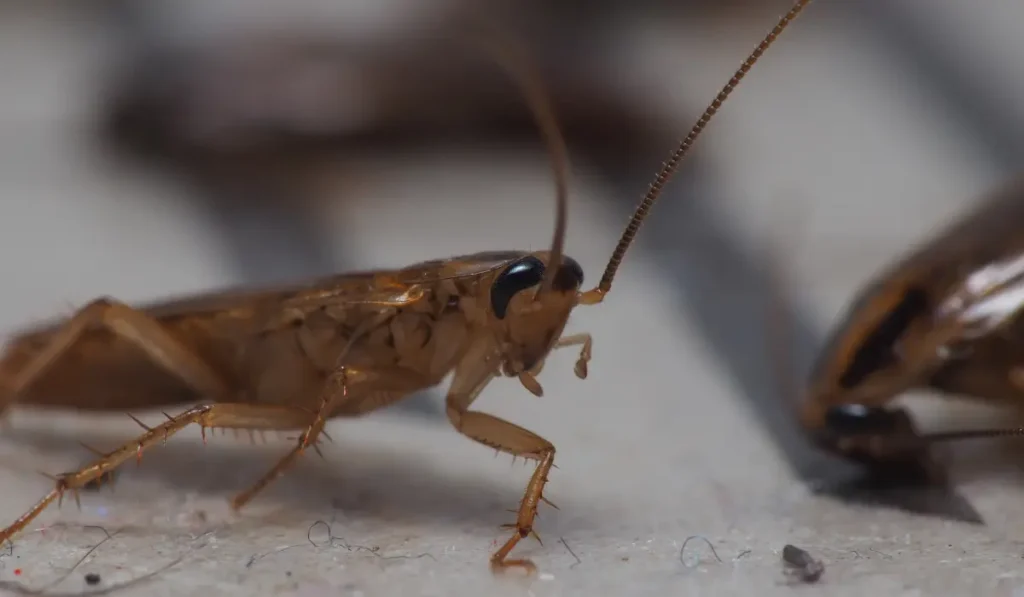
Adult German cockroaches are generally about 1/2 to 5/8 of an inch long. Their color ranges from tan to light brown, with two dark, nearly parallel stripes behind the head. Younger German cockroaches, called nymphs, are darker but have similar markings. Adults have developed wings, although they typically run rather than fly.
These features help separate German cockroaches from other roaches you may find around a home. Location provides another useful clue. German roaches are closely associated with indoor spaces where food, warmth, and moisture are available, especially kitchens and bathrooms. If you can safely take a clear photo, note where the roach was found so a pest professional has more information to work with.
Signs Beyond a Live Roach
Droppings are one of the more useful signs of German cockroach activity. They can appear as fine, dark specks that resemble pepper and may collect inside drawers, on counters, or near hiding areas. You may also notice dark spotting or smearing around cracks and openings that roaches use regularly.
A mild musty odor can develop when a larger population is present. No single sign tells you the full extent of an infestation, but several signs in the same area can point to a place that needs closer inspection.
| What You Notice | What It May Indicate |
| Small tan roaches with two dark stripes | Possible German cockroach activity |
| Dark, pepper-like specks | Droppings near feeding or hiding areas |
| Dark spotting near cracks or openings | Regular activity around a hiding place |
| Roaches around sinks or appliances | Nearby food, warmth, moisture, or shelter |
| Musty odor with frequent sightings | A more established infestation may be present |
Why German Cockroaches Settle Indoors
German cockroaches favor warm, humid places close to food and water. A kitchen can provide all of those conditions within a few feet. Cabinets offer narrow hiding spaces, appliances give off warmth, and sinks or plumbing provide moisture. Crumbs, grease, spills, and exposed pet food can add feeding opportunities.
The PestWorld kitchen pest resource identifies kitchens as common areas for household pest activity. When German roaches are involved, dishwashers, refrigerators, stoves, sinks, cabinets, and small appliances are sensible places to inspect because they combine shelter with nearby resources.
Why Bathrooms Can Attract Them Too
German cockroaches are not confined to kitchens. Bathrooms can offer moisture and protected spaces beneath sinks, inside cabinets, and around plumbing openings. A room does not need to contain much food to provide useful shelter and water.
The PestWorld bathroom pest resource provides further information about pests associated with bathroom environments. If you are repeatedly seeing German roaches in a bathroom, pay attention to where the sightings occur and whether plumbing leaks, damp areas, or clutter are present.
How a German Cockroach Infestation Gets Started
German cockroaches are good hitchhikers. Rather than entering every home by crawling in from outdoors, they can arrive in items carried from one location to another. Grocery bags, cardboard boxes, drink cartons, and other belongings can transport a roach without anyone noticing.
Used appliances deserve attention for the same reason. Refrigerators, microwaves, and similar equipment contain sheltered spaces where insects can remain hidden during a move. Once an item reaches a new home, nearby food, moisture, and warmth can give the roaches what they need to stay.
This is why finding German cockroaches does not automatically mean a home is dirty. The original introduction may have happened through an ordinary household item. What happens afterward depends in part on whether the roaches can find reliable food, water, and places to hide.
What Keeps an Infestation Going
German cockroaches can feed on many materials with nutritional value. In addition to ordinary food, Waynes’ German cockroach information identifies soap, glue, and toothpaste as potential food sources. Exposed pet food can provide another easy meal.
Moisture can come from leaking plumbing, wet areas beneath sinks, or residue around drains. Clutter adds sheltered spaces and can make inspection more difficult. Together, those conditions allow roaches to stay close to what they need while spending much of their time out of sight.
Why German Cockroaches Are a Concern Inside Your Home
German cockroaches can move through areas where food, waste, drains, and other debris are present, then cross counters and other food-preparation surfaces. Waynes’ German cockroach guidance identifies contamination of food and preparation surfaces among the concerns associated with an infestation.
Cockroach material can also contribute to allergens. For that reason, an infestation deserves more attention than simply removing the insects you happen to see. Cleaning food-contact surfaces, protecting stored food, and addressing active hiding areas all have a place in the response.
Activity Can Spread Past the Kitchen
Kitchens and bathrooms are common locations, but German roaches can also turn up in dining rooms, living rooms, dens, and bedrooms when food or drinks are available. The PestWorld bedroom pest resource provides broader information about household pests that may occur in sleeping areas.
If sightings start appearing in several rooms, keep track of where they occur. A pattern of activity can help a pest professional determine which areas need inspection instead of treating every sighting as an isolated event.
Why German Cockroach Control Can Take Time
Seeing fewer roaches after an initial service is useful, but visible adults are only part of the problem. German cockroaches can remain hidden in cracks, cabinets, appliance areas, and other protected spaces. Different life stages can also be present at the same time.
Waynes advises customers that German cockroach elimination may take from three weeks to two months because of the pest’s biology. Its German roach service includes a follow-up appointment, and the service guidance notes that several visits may be needed to achieve complete elimination.
The exact experience can differ from one home to another. The amount of activity, the number of hiding areas, and how well the home is prepared for service can all affect the process. This is why follow-up is part of the treatment rather than an afterthought.
How to Prepare for German Cockroach Treatment
Waynes asks customers to clear food debris and remove items from cabinets and beneath sinks before treatment. In bathrooms, toothbrushes, drinking glasses, and other personal items should be put away. These steps provide better access to the areas where German roaches may be hiding.
Small appliances such as toasters, microwaves, and coffee makers should remain accessible so they can be inspected if needed. If roaches have been seen outside the kitchen or bathroom, moving belongings away from baseboards can make those areas easier to check.
Waynes also advises customers not to use bug bombs or aerosols before or after its German cockroach treatment because they can interfere with the treatment plan. Following the preparation instructions gives the Field Professional a clearer picture of where activity remains at follow-up.
How to Make Your Home Less Inviting to German Roaches
Prevention does not require a long list of special chores. Focus on the resources German cockroaches use most. Store food and pet food in sealed containers, clean residue from food-preparation surfaces, and pay attention to crumbs or grease beside and beneath appliances.
Keep sinks and drains clean and repair plumbing problems that create persistent moisture. Garbage containers should be covered, leak-resistant, and emptied regularly. These habits reduce the food and water available to roaches while making fresh signs easier to notice.
Check Boxes and Used Appliances Before They Come Inside
Cardboard boxes and used appliances deserve a quick inspection before you bring them into living areas. German cockroaches can hide in protected spaces where they are easy to overlook during transportation.
Look for live roaches, dark specks, or staining on items that have been stored elsewhere. You cannot prevent every accidental introduction, but spotting evidence before an item reaches the kitchen can keep a small problem from gaining an easier foothold.
Getting German Cockroaches Out of Your Florida Panhandle Home
German cockroaches in Florida Panhandle homes are easier to address when you look beyond the roach running across the counter. Identification, the location of activity, accessible food and moisture, hiding spaces, treatment, and follow-up all help determine whether an infestation is brought under control.
If you are seeing German roaches repeatedly or finding pepper-like droppings and staining around sinks, appliances, or cabinets, Waynes can inspect the areas where activity is occurring and provide German cockroach treatment as part of its pest control service.
You can contact Waynes to discuss what you are seeing and schedule service. The sooner the active areas are identified, the sooner the focus can shift from chasing individual roaches to addressing where they are living and hiding.