
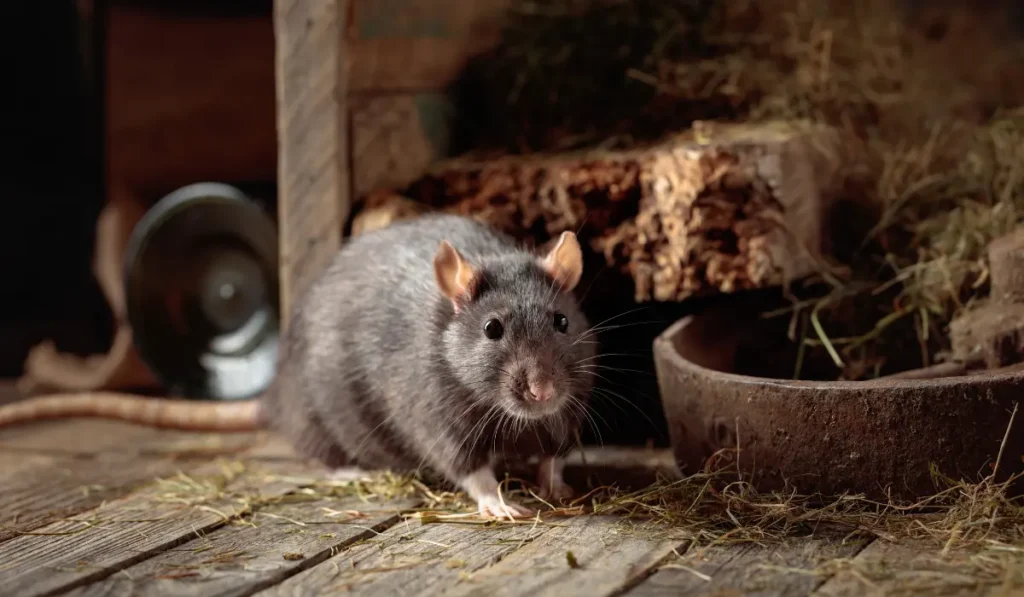
Rats in Florida Panhandle properties are usually there for practical reasons: they have found food, water, shelter, or a way into a protected part of the home. Pet food in a garage, bird seed on the ground, accessible trash, recurring water sources, cluttered storage, and exterior openings can all support rodent activity. If you are dealing with rats in Florida Panhandle homes or yards, the best place to start is not with the last place you saw one. Look at the conditions across the property that give rats a reason to return.
Why Rats in Florida Panhandle Properties Keep Finding Food
Food does not have to be left in an open pile to attract rodents. A small source that remains available night after night can be enough to keep rats moving through the same area. That is why garages, patios, sheds, feeding areas, and trash storage deserve as much attention as the kitchen.
Pet Food, Bird Seed, and Stored Goods
Pet food is easy to overlook because it belongs on the property. The problem starts when bowls stay outside after feeding or open bags remain in a garage or shed that rodents can reach. Bird feeders can create the same issue when seed collects underneath them.
Pay attention to the packaging around stored food as well. Chewed containers and gnaw marks are among the signs of rodent activity identified in Waynes’ rodent guidance. Moving pet food, bird seed, and similar items into sturdy containers with secure lids can remove an easy meal and make fresh damage easier to spot.
Trash, Grills, and Outdoor Eating Areas
Trash becomes more attractive to rats when lids do not close well, bags sit beside the container, or food scraps collect around the area. Grills and outdoor dining spaces can create another feeding spot if crumbs, grease, or leftovers remain after a meal.
Fruit- or nut-producing plants can add food to the yard when fallen material stays on the ground. You do not need to strip the landscape of every natural food source. Focus on places where food repeatedly collects near the house, garage, shed, or other sheltered areas.
Water and Shelter Can Keep Rats on the Property
Removing food helps, but it may not end rodent activity if the property still offers water and cover. Rats need places where they can stay protected, and those places are not always hidden deep inside the home.
Check for Recurring Water Sources
Outdoor pet bowls, leaking fixtures, and containers that collect water can give rodents another reason to stay nearby. Drainage issues may also leave damp spots around a structure.
Look for water that returns to the same location instead of focusing only on large puddles. Repair leaks, empty containers that do not need to hold water, and address simple drainage problems where practical. Removing dependable water sources makes the property less useful to rodents.
Look at Garages, Sheds, and Dense Storage
Garages, sheds, crawl spaces, attics, stored materials, and thick vegetation can give rats places to hide or nest. Clutter can also hide the evidence they leave behind, including droppings, gnawing, and disturbed materials.
You do not need to empty every storage area. The goal is to keep spaces organized enough that you can see the floor, check along walls, and notice new damage. Reducing heavy vegetation immediately beside the structure can also make exterior inspection easier.
How Rats Move From the Yard Into the Home
A food source can draw a rat onto your property without bringing it indoors. The indoor problem starts when the animal also finds access to a garage, attic, wall space, crawl space, or another protected area.
Inspect the Places Where Materials Meet
Check vents, soffits, rooflines, garage doors, utility penetrations, foundation areas, and other spots where different building materials meet. Damaged components or visible openings deserve attention because they may connect exterior activity with sheltered spaces inside.
The University of Florida IFAS Extension publishes Florida-focused information on household pests and pest management. Its guidance can help homeowners understand regional pest issues while they inspect their own property for conditions that support rodent activity.
Treat Attractants and Access as Separate Problems
Removing accessible food does not close an opening in the structure. Repairing one opening does not remove the trash, seed, water, or shelter that may be keeping rats around the property.
A better inspection asks two questions. What is giving rats a reason to stay close to the home, and where could they get inside? Working through both questions helps you avoid solving only half of the problem.
Common Signs of Rats in Florida Panhandle Homes
Rats often leave evidence before you see the animal. Droppings, nests, odors, scratching sounds, gnaw marks, grease marks, footprints, nesting material, chewed containers, and other damage can all point to rodent activity.
The location of that evidence matters. Chewed food packaging in a garage should lead you to inspect nearby storage and exterior openings. Repeated sounds above a ceiling should shift attention toward the attic, roofline, and surrounding access points.
Look for a Pattern Instead of One Clue
One dropping, noise, or damaged package may not tell you which rodent is present or where it is coming from. Several signs in the same area are more useful because they show where activity may be concentrated.
Fresh evidence also matters. If you clean an area and new droppings or gnaw marks appear, the activity is ongoing. That gives you a clearer place to focus your next inspection.
Use Care Around Rodent Waste
Rodent droppings and contaminated nesting material should not be handled like ordinary household dust. The Centers for Disease Control and Prevention guidance on rodents provides cleanup and health information for homes where rodent waste is present.
That guidance is especially useful for enclosed spaces such as garages, storage rooms, attics, and other areas where droppings or nesting material may have built up before the problem was noticed.
Roof Rats and Norway Rats May Be Involved
Waynes’ rodent materials identify roof rats and Norway rats among the rat species encountered within its service footprint. That makes accurate identification useful, especially when homeowners are trying to decide where to inspect and what evidence matters most.
Rat and mouse problems can produce some of the same general signs, including droppings, gnawing, scratching sounds, nesting material, and damaged food packaging. A single clue is not always enough to tell you what is present.
Follow the Evidence Across the Property
The place where you see a rat is not necessarily where it is nesting. A rat near a trash container may be feeding there and sheltering somewhere else. Activity in a garage may connect to an exterior food source or an opening in another part of the structure.
Look at the property as a connected system. Feeding areas, hiding places, travel routes, and possible entry points often make more sense when you consider them together rather than treating each sign as a separate problem.
How to Make Your Property Less Attractive to Rats
Rat prevention works best when you remove several supporting conditions instead of relying on one change. Food, water, shelter, and access can overlap, so the most useful improvements are the ones that reduce those opportunities across the property.
| Property Condition | What to Check | Practical Response |
| Pet food and bird seed | Outdoor bowls, spilled seed, accessible bags | Store food securely and clean up spills |
| Trash and food residue | Loose lids, overflow, scraps, grill residue | Keep containers closed and clean food areas |
| Recurring water | Pet bowls, leaks, water-holding containers | Remove unnecessary water and repair leaks |
| Protected shelter | Clutter, storage areas, dense vegetation | Organize storage and improve visibility |
| Structural access | Vents, soffits, garage doors, utility openings | Repair damage and address visible gaps |
Start With Food and Water
Bring pet food inside when it is not being used, clean up spilled bird seed, and keep bulk food or seed in sturdy containers. Keep trash contained and clean food residue from grills and outdoor dining areas.
Then check for recurring water. Repair obvious leaks and remove containers that hold water unnecessarily. These are simple changes, but they remove resources that may be keeping rats close to the home.
Make Rodent Activity Easier to Spot
Keep garages, sheds, and other storage areas organized enough that you can see new droppings, gnaw marks, disturbed packaging, or nesting material. You do not need an empty space. You need enough visibility to notice when something changes.
Inspect the exterior at the same time. Damaged vents, soffits, garage-door gaps, utility openings, and other visible defects should not be ignored. After making changes, keep watching for fresh evidence. New droppings, new gnawing, or recurring sounds can show that another attractant or access point remains.
Protecting Your Home From Rats in the Florida Panhandle
Rats in Florida Panhandle properties stay where the conditions work for them. Food, water, shelter, and access can each play a part, which is why a useful response looks beyond the room or yard where you happened to see the animal.
If rodent activity continues after you remove accessible food, correct water sources, improve storage, and inspect likely entry points, a professional inspection can help narrow down the source. Waynes Pest Control provides rodent services as part of its pest prevention work for homeowners across its service area.
If you are finding droppings, hearing scratching, or noticing fresh gnawing around your home, you can contact Waynes to discuss service options. Reducing what draws rats to your property and correcting the places they use for access can make your home less suitable for continued rodent activity.