
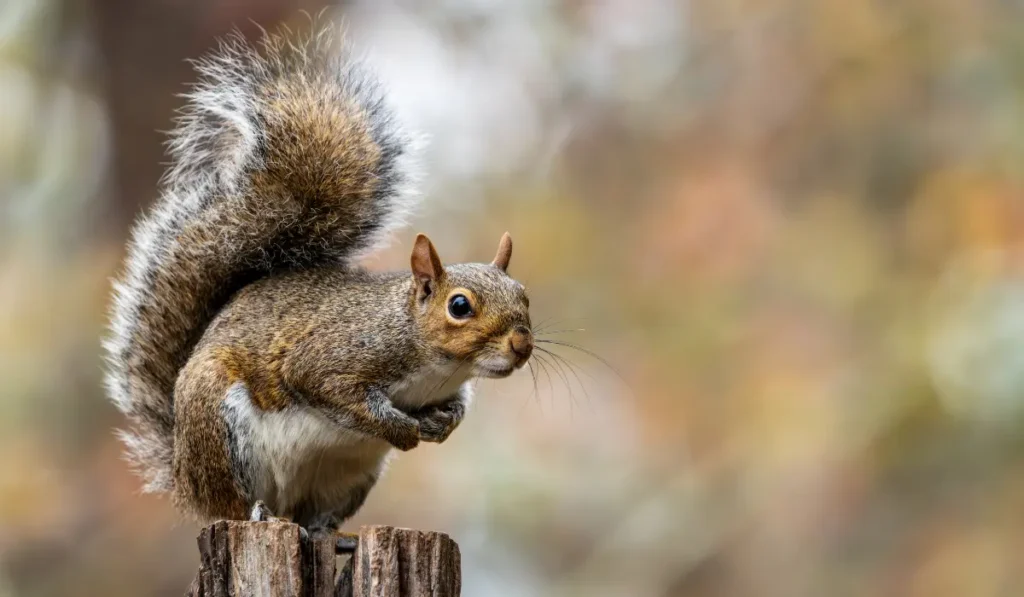
Squirrel season in Mississippi can mean two very different things. Hunters are usually looking for current season dates, bag limits, and property-specific rules, while homeowners may be trying to figure out whether squirrel activity around the roof or attic points to a wildlife problem. The Mississippi Department of Wildlife, Fisheries, and Parks should be your source for current hunting regulations. Around your home, the better clues are repeated activity, possible entry points, and signs that wildlife may already be inside.
When Is Squirrel Season in Mississippi?
The official squirrel season in Mississippi is regulated by the Mississippi Department of Wildlife, Fisheries, and Parks. Before hunting, check the agency’s current regulations for opening and closing dates, bag limits, possession limits, and any requirements that apply to the property where you plan to hunt.
That extra check matters because hunting information can become outdated. An older article may still appear in search results even after state rules have changed. Wildlife Management Areas and other managed properties may also have requirements that differ from general statewide guidance.
The same rule applies when you are searching for a Mississippi squirrel bag limit, a spring squirrel season, or other season-specific details. For legal hunting information, rely on the current state source rather than a previous-year summary.
Hunting Rules and Home Activity Are Different Questions
The hunting calendar does not tell you whether squirrels will be active around your property. A homeowner can notice squirrels around trees, fences, roofs, or other parts of the property regardless of whether hunting season is open.
What matters at home is where the animal is spending its time. A squirrel moving through the yard is one situation. A squirrel repeatedly approaching the same opening in the roof is another.
What Squirrel Activity Around Your Home Means
Seeing squirrels outside does not automatically mean you have a wildlife problem. A squirrel crossing the lawn, moving along a fence, or traveling through nearby trees may simply be passing through the property.
The pattern becomes more useful when the animal keeps returning to the house. Repeated activity around one vent, roof edge, gap, or opening can point to a location that deserves inspection.
For Mississippi-specific wildlife information, Mississippi State University Extension is a useful academic resource. If you are trying to identify local wildlife or better understand what you are seeing around your property, state-focused guidance is more useful than relying on information written for another region.
Focus on Behavior Before Making Assumptions
Species identification can be helpful, but homeowners often get more useful information from the animal’s behavior. Watch where the squirrel goes, whether it returns to the same spot, and whether you hear or see anything inside the home near that area.
That approach keeps you from treating every squirrel sighting as a problem. It also gives you better information if you need a professional inspection later.
Normal Outdoor Activity vs. Possible Home Entry
A single sighting usually does not tell you whether a squirrel has entered your home. Look for a pattern instead.
| What You Notice | What It May Indicate |
| A squirrel moving through trees or across a fence | Normal outdoor activity |
| A squirrel crossing the roof and moving on | The animal may simply be traveling |
| Repeated visits to the same vent or roof edge | A possible entry area that needs inspection |
| Recurring noises in an attic or wall | Wildlife may be inside the structure |
| Chewing around a vent or opening | A possible access point |
| Droppings or odors near an area of activity | More evidence that the area should be checked |
No one sign proves that a squirrel is living inside the house. Several signs pointing to the same area provide a stronger reason to investigate.
For example, a squirrel crossing the roof once is not the same as an animal returning to one vent several times while you also hear movement above the ceiling. Repetition helps separate ordinary outdoor activity from a possible home-entry problem.
When Squirrel Activity Becomes a Home Concern
Waynes’ wildlife guidance identifies several signs that can point to wildlife activity around a home, including noises in walls or attics, droppings near the home, chew marks around vents or entry points, and foul odors.
Those signs are more useful when you consider them together. Scratching in an attic can have more than one cause, and a squirrel near the roof does not automatically mean the animal is inside.
If the same area produces both indoor and outdoor signs, it deserves a closer look. Repeated movement near a roof opening combined with sounds from the attic, for example, gives you a clearer reason to request an inspection.
Signs Worth Checking More Closely
If you suspect squirrels or other wildlife may be getting into the house, watch for:
- Recurring scratching or movement in the attic or walls
- Droppings near suspected activity
- Chew marks around vents or openings
- Repeated squirrel activity near the same part of the roof
- Odors around an area where wildlife may be present
These signs help narrow down where an inspection should focus. They do not identify the animal on their own, so avoid making removal decisions based on one clue.
Why Squirrel Entry Points Matter
When homeowners search for squirrels in attic Mississippi, the first concern is usually how to get the animal out. Removal addresses the immediate problem, but it does not explain how the animal got inside.
If an opening remains accessible, removing the animal can leave the property exposed to another wildlife problem. That is why exclusion is part of a more complete response.
Waynes’ wildlife removal process includes four parts: inspection, removal, exclusion, and prevention guidance. The inspection looks for wildlife signs and entry points, removal addresses the animal inside, and exclusion focuses on sealing potential access points after the active situation has been handled.
Do Not Close an Opening Before the Situation Is Clear
If you find a gap or opening where you have seen squirrel activity, avoid assuming it should be sealed immediately. First determine whether wildlife is still using the space.
A professional inspection can help answer practical questions such as:
- Is wildlife actually inside the home?
- Where is the activity concentrated?
- Which opening appears to be in use?
- Are other potential entry points present?
- What should be addressed after removal?
That sequence keeps the focus on the whole problem instead of one visible opening.
What to Do If You Hear Squirrels in Your Attic
If you hear movement overhead, start by noting where the sound occurs and whether it happens repeatedly. You do not need to identify the animal from sound alone.
Next, observe the exterior from a safe location. Look for squirrels repeatedly approaching the same vent, roof edge, or opening. There is no reason to climb onto the roof just to investigate. Basic observations from the ground can give a wildlife professional useful information.
If the indoor and outdoor signs point to the same area, an inspection can determine whether wildlife is present and what access point may be involved.
When an Inspection Makes Sense
A one-time noise may not tell you much. Recurring attic activity, visible chewing, droppings, odors, or an animal repeatedly using the same opening give you a stronger reason to have the area evaluated.
Proper identification matters because similar signs can come from different types of wildlife. An inspection helps determine what is present before removal or exclusion work begins.
Squirrel Removal and Exclusion in Mississippi
If you need squirrel removal in Mississippi, look for a service that evaluates both the animal activity and the structure. Waynes’ wildlife materials list squirrels among the animals the company handles and describe a process that includes inspection, removal, exclusion, and prevention guidance.
The same Waynes guidance lists Biloxi and Columbus among its Mississippi wildlife removal and exclusion service areas. Service availability can vary by location, so confirming coverage for your property is a practical first step.
The value of exclusion is straightforward. Removal addresses the animal that is already inside. Exclusion addresses the opening that made entry possible. Handling both parts gives you a more complete response than removing the animal while leaving the access point unchanged.
Protecting Your Home During Squirrel Season in Mississippi
Squirrel season in Mississippi brings one set of questions for hunters and another for homeowners. Hunters should use current Mississippi Department of Wildlife, Fisheries, and Parks regulations for season dates, limits, and property-specific rules. Homeowners should pay attention to repeated activity, attic or wall noises, droppings, chewing near openings, and other signs that wildlife may have moved inside.
A squirrel crossing the yard or roof once is different from one repeatedly entering the same part of the house. When several signs point to one area of the structure, an inspection can help identify what is happening and whether removal and exclusion are needed.
If you are seeing those signs at your Mississippi home, Waynes can evaluate the wildlife activity and help determine the appropriate next step. You can also contact Waynes to describe what you are seeing and confirm wildlife service availability for your property.