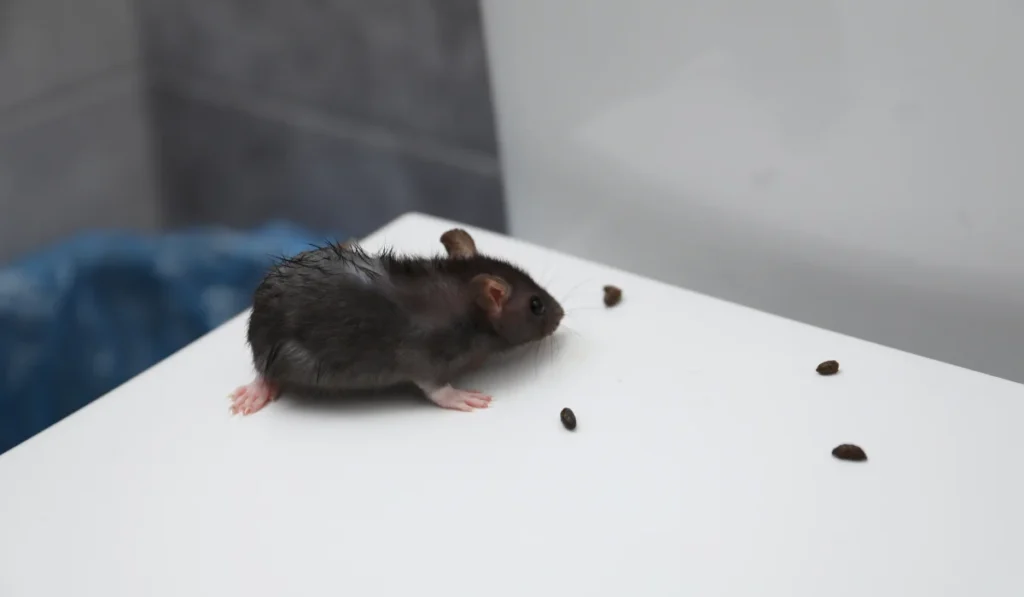

 When rodents show up, most homeowners know they have a rat problem, but do not know which type. That confusion often causes delays, which gives rats time to multiply. Many homeowners in the Southeast struggle to tell roof rats and Norway rats apart.
These two rat species act differently, live in different areas of the home, and need different control plans. Using the same treatment for both often leads to repeated pest problems.
In this guide, you will learn how to tell roof rats and Norway rats apart. You will also know where they live, the damage they cause, and why the right rodent pest control plan matters. This guide also covers health risks, common entry points, and when professional pest control makes sense.
When rodents show up, most homeowners know they have a rat problem, but do not know which type. That confusion often causes delays, which gives rats time to multiply. Many homeowners in the Southeast struggle to tell roof rats and Norway rats apart.
These two rat species act differently, live in different areas of the home, and need different control plans. Using the same treatment for both often leads to repeated pest problems.
In this guide, you will learn how to tell roof rats and Norway rats apart. You will also know where they live, the damage they cause, and why the right rodent pest control plan matters. This guide also covers health risks, common entry points, and when professional pest control makes sense.
Key Takeaways:
Field Guide · Southeast
Roof rats vs Norway rats
These two rats live in different parts of the home and need different control plans. Location is the fastest tell.
1Destructive
Roof rat
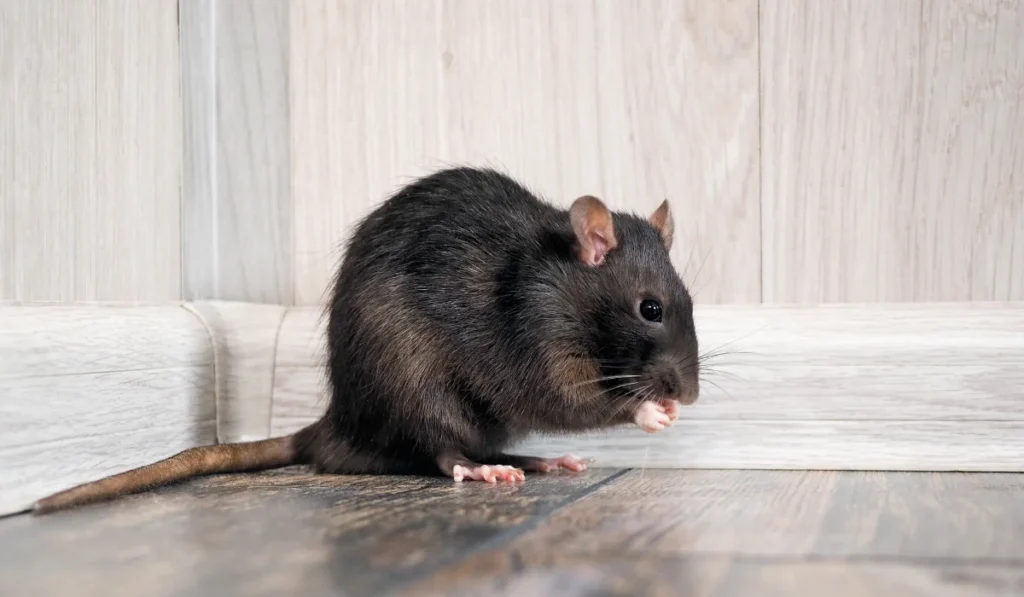
IDSlim and agile with a tail longer than the body, narrow head, pointed nose, and black or dark brown fur with a lighter underbelly. Smaller, pointed droppings.
WhereAbove ground in attics, wall voids, soffits, and insulation. Travels tree limbs and utility lines to reach the roof.
NoteStrong climbers that chew electrical wiring in attics, creating fire hazards. Scratching above ceilings is the common clue.
2Destructive
Norway rat
IDStocky and heavy-bodied with a shorter tail and a blunt head with a wider nose, brownish-gray fur. Larger, blunt-ended droppings.
WhereBelow ground in burrows along foundations, under slabs, and near crawl spaces. Enters through foundation gaps, drains, and sewers.
NoteGround-focused diggers that gnaw wood and soft concrete near floors, risking foundation issues. Noises come from beneath floors.
Waynes has protected Southeast families for 50 years as an EPA Pesticide Environmental Stewardship member. Every little thing matters. A LOT.
- Roof rats and Norway rats live in different areas of the home and need different control plans.
- Climbing ability, body shape, and nesting spots are major identification clues.
- Both types cause serious damage and health risks if ignored.
- Proper pest management focuses on entry points, food sources, and long-term prevention.
Video Guide: How To Identify What Type Of Rat You Have
Watching this video can help you quickly narrow down what you are dealing with before the problem grows. Seeing real examples of movement patterns, body shape, and nesting behavior makes identification easier than guessing from sounds alone. This video guide explains what to look for so you can take smarter next steps and avoid wasting time on the wrong solution.Understanding The Key Differences Between Roof Rats And Norway Rats
When comparing roof rats and Norway rats, the main differences lie in their preferred habitats, movement patterns, and appearance. Both species are common in Alabama, Tennessee, Mississippi, and the Florida Panhandle, but they rarely overlap.| Key Difference | Roof Rats | Norway Rats |
|---|---|---|
| Common names | Black rats, ship rats | Brown rats, common rat |
| Preferred living areas | High places inside and outside the home | Ground-level and below-ground areas |
| Typical indoor locations | Attics, wall voids, rooflines, and upper levels | Basements, crawl spaces, garages, and sewers |
| Movement style | Strong climbers that travel wires, fences, and tree limbs | Ground-focused movers that rely on burrowing |
| Most common clue | Scratching or movement above ceilings | Noises beneath floors or near foundations |
Physical Identification: How Roof Rats And Norway Rats Look Different
Homeowners often confuse roof rats, Norway rats, and house mice. Mice are much smaller, but roof rats and Norway rats cause the most damage in homes. Knowing their physical traits helps you recognize the issue faster and choose the right control plan.| Feature | Roof Rats | Norway Rats |
|---|---|---|
| Body shape | Slim and agile, built for movement in tight spaces | Stocky and heavy-bodied with a thicker build |
| Fur color | Black fur or dark brown | Brownish-gray, often described as dark brown |
| Tail length | Longer tail, usually longer than the body | Shorter tail compared to body length |
| Head shape | Narrower head and pointed nose | Blunt head with a wider nose |
| Underbellies | Lighter color, often gray or off-white | Heavier-looking underside that matches body tone |
| Droppings | Smaller and pointed at the ends | Larger and blunt at the ends |
| Typical movement | Quick climbers that move through high places | Ground-level runners with strong digging ability |
Where Roof Rats Nest Versus Where Norway Rats Burrow
Rats do not live or travel the same way. One of the biggest differences between roof rats and Norway rats is where they build nests and how they move through a home. Knowing whether activity happens above ground or near the foundation helps narrow down the rat type.| Nesting Behavior | Roof Rats | Norway Rats |
|---|---|---|
| Primary nesting location | Above ground | Below ground |
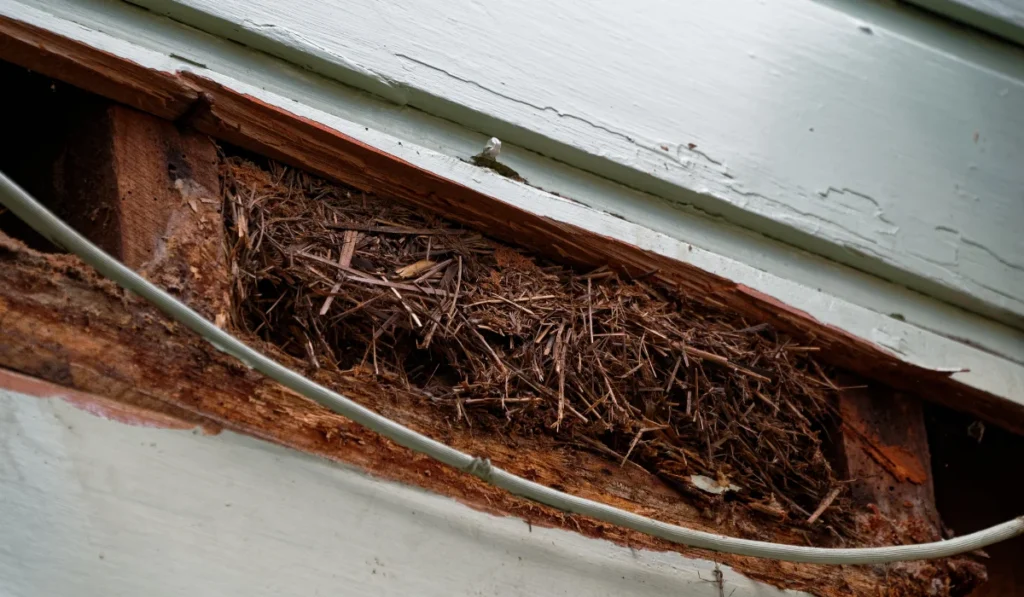
| Common nesting areas | Attics, wall voids, soffits, and insulation | Burrows along foundations, under slabs, and near crawl spaces |
| How they access the home | Travel tree limbs and utility lines to reach roofs | Enter through foundation gaps, damaged drains, and sewers |
| Movement patterns indoors | Move quickly between high places and food sources | Stay close to floors, basements, garages, and crawl spaces |
| Strong indicator | Nests found in insulation or upper areas | Burrows found outside near the structure |
Damage Caused By Both Types Of Rats
Rats cause damage fast. The location and type of damage often reveal which rat is present.| Type of Damage | Roof Rats | Norway Rats |
|---|---|---|
| Primary damage areas | Attics, upper walls, and ceilings | Basements, garages, crawl spaces, and ground-level areas |
| Common materials damaged | Electrical wiring, insulation, and stored items | Wood, plastic, soft concrete, and stored items |
| Structural risks | Fire hazards from chewed electrical wiring | Foundation issues from burrowing and gnawing |
| Visible signs | Grease marks along rafters, gnaw marks in high places | Gnaw marks near floors, damaged containers, exterior burrows |
| Typical contamination | Insulation and attic storage | Stored items, food areas, and lower living spaces |
Food And Water Sources That Attract Rats
Roof rats and Norway rats eat almost anything, but they prefer easy food. Pet food left out overnight attracts rats quickly. Open trash, bird seed, and unsealed pantry items also draw them inside. Roof rats often target fruit, nuts, and food stored in high cabinets. Norway rats prefer meat scraps, grease, and food waste near the ground. Water sources matter too. Leaky pipes, standing water, and condensation give rats what they need to survive indoors.Health Risks Linked To Rat Infestations
A rat problem is not just about damage. Health risks increase when rats move into living spaces. Rats can spread fleas, bacteria, and viruses through droppings, urine, and nesting materials. Diseases linked to rats include hantavirus and typhus. Fleas carried by rats can also spread illness. Contaminated surfaces in kitchens, basements, and crawl spaces put families at risk. These health risks are one reason professional pest control is recommended instead of DIY trapping alone. If you want to protect your home from rodents and hantavirus, early identification and proper rodent control are key before contamination spreads into living areas. We take health concerns seriously and use proven rodent control methods that prioritize safety and sanitation.How Rats Get Inside Your Home
Rats enter through small openings that often go unnoticed, creating multiple potential entry points around the home. Common entry points include:- Damaged vents
- Gaps around pipes and utility lines
- Roofline openings
- Foundation cracks
- Poorly sealed garage doors