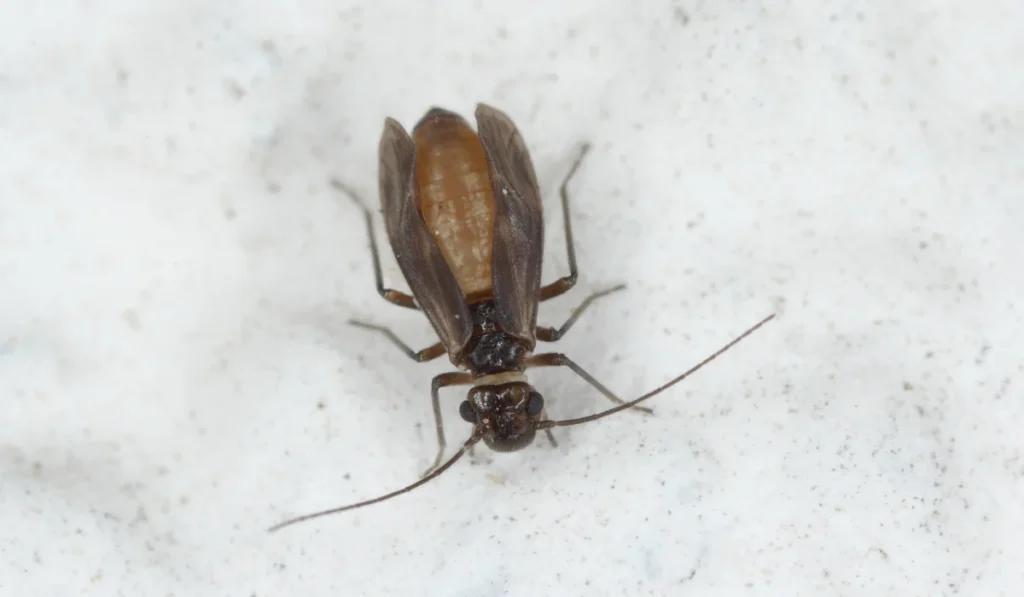


You apply spider repellent along the baseboards, around the garage, or near a porch light. A few days later, another spider appears. The product may still be working in the area where you used it, but it may not be doing what you expected throughout the rest of the home.
Many homeowners picture spider repellent as an invisible barrier that keeps every spider away. In practice, these products work on specific surfaces and in specific locations. They do not seal gaps, remove webs, reduce the insects spiders eat, or reach every box, wall void, attic corner, or crawl space where spiders may hide.
That difference matters across Alabama, Tennessee, Mississippi, and the Florida Panhandle, where long warm seasons support insect activity around homes. Once you understand how spider repellent fits into a broader spider control plan, you can make better decisions about product use, prevention, and when to call for help.
Why Spider Repellent Does Not Create an Invisible Barrier
Spider repellent works only where and how the complete product directions say it should be used. A short phrase on the front of the container may describe the intended result, but the full label explains where the product can be applied, which pests it covers, how much to use, and when another application may be appropriate.
The EPA guidance on product labels explains that the label provides the directions for proper use. A product approved for cracks, exterior surfaces, or entry points should not be treated as whole-home protection unless the directions support that use.
A Treated Surface Is Only One Part of the Home
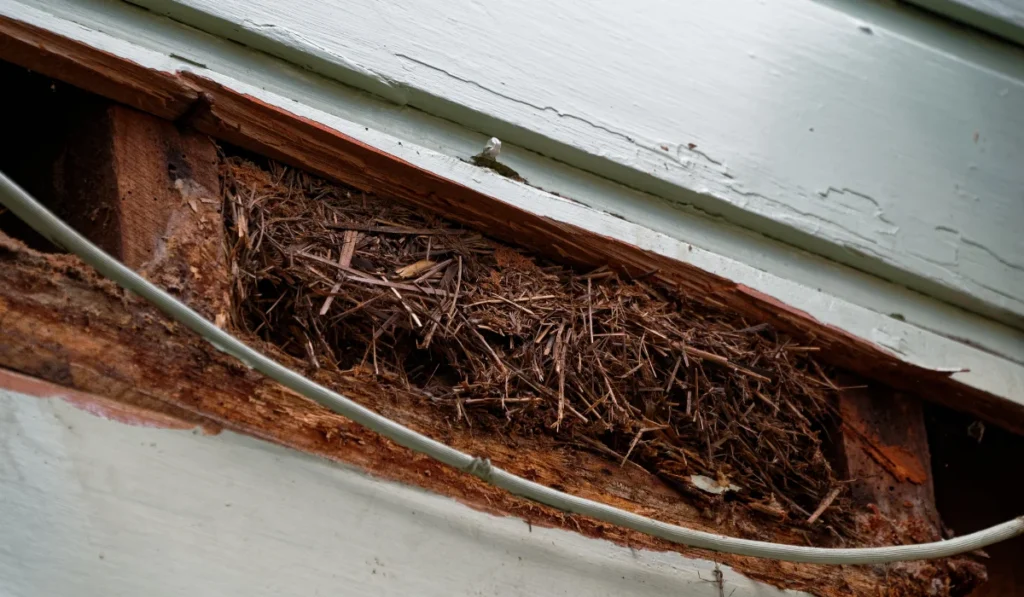
A spider may avoid one treated area and remain active a few feet away. Wall voids, storage boxes, closets, garages, crawl spaces, porch ceilings, and spaces behind furniture can give spiders protected places to rest without crossing the surface you treated.
Placement also affects performance. Applying spider spray near one doorway will not address a torn screen, an open garage, a gap around a utility line, or insects gathering near an outdoor light. Spider prevention works better when treatment is paired with changes that reduce access, shelter, and food.
What Spider Repellent Can and Cannot Do
Spider repellent may discourage spiders from remaining on or crossing a treated surface. Some products may also affect spiders that contact the application, depending on the directions and intended use. That can make treatment useful around known entry points, exterior corners, door frames, and other locations where spider activity has been observed.
It cannot close openings, remove egg sacs, clean away established webs, or reduce the insects attracting spiders to the property. It also cannot guarantee that a spider hidden inside an untreated space will contact the application.
| Method | What It Helps Address | What It Does Not Solve |
| Spider repellent | Discourages activity on treated surfaces | Gaps, clutter, prey insects, and hidden spiders |
| Direct treatment | Targets spiders that contact the application | Spiders that remain in untreated areas |
| Web removal | Clears visible webs and makes new activity easier to spot | Entry points and food sources |
| Exclusion | Reduces access through cracks and openings | Spiders already inside |
| Monitoring | Shows where activity continues | The cause of the activity by itself |
Each Control Method Has a Separate Job
Web removal clears visible activity and helps you identify where fresh webs appear. Sealing cracks and gaps limits spider entry points. Monitoring can show whether spiders are moving through the same room or storage area, while reducing insects removes a major reason spiders remain near the home.
Relying on spider repellent alone is like locking one window while leaving several other openings unaddressed. The product may help where you applied it, but the surrounding conditions can still support spider activity.
Why Spiders Keep Coming Back After You Apply Repellent
When spiders keep returning, look beyond the place where you found the last one. House spiders can enter through gaps around doors, windows, pipes, vents, siding, foundations, and utility lines. They may also arrive inside boxes, firewood, outdoor furniture, decorations, or other items brought into the home.
Storage areas create another challenge. Garages, attics, closets, sheds, and crawl spaces often provide quiet shelter with little disturbance. Cardboard boxes, folded fabrics, stacked materials, and clutter can create protected spaces that a surface application may never reach.
Spiders Often Follow Their Food
Spiders are predators, so their activity often follows the insects they eat. Porch lights, open doors, damaged screens, moisture, pet food, and small exterior gaps can support insect activity around a structure. Treating a corner where a web appears will not address insects gathering near a light or entering through another opening.
Reducing those insects does not mean removing every outdoor bug. It means correcting conditions that concentrate prey near doors, windows, garages, and other access points. A cleaner, less inviting perimeter gives spiders fewer reasons to remain close to the house.
Weather and Surface Conditions Affect Results
Rain, direct sunlight, dust, cleaning, surface type, and application placement may affect how long a treatment remains useful. A product applied to an exposed porch column may not perform the same way as an application placed in a protected crack or sheltered corner.
The full directions should guide reapplication. Using more than directed does not create better spider control. The National Pesticide Information Center offers consumer guidance on reading labels, applying products correctly, and reducing unnecessary exposure around the home.
Natural Spider Repellent and Home Remedies
Searches for natural spider repellent often lead to peppermint oil, citrus, vinegar, cedar, chestnuts, and ultrasonic devices. These options sound appealing because they are familiar and easy to try, but popularity does not prove consistent results.
A substance may cause a spider to move away during a short test without keeping spiders out of an occupied home. Spider species, concentration, airflow, surface type, and exposure time can all affect the outcome. A brief avoidance response does not show that the same remedy will continue working in a garage, attic, kitchen, or exterior entryway.
Peppermint Oil Has Practical Limits
Peppermint oil for spiders is one of the most common home remedies. Even when a strong scent affects spider movement, the odor can fade, spread unevenly, or fail to reach hidden spaces. It also does not remove webs, seal openings, reduce prey insects, or confirm which spider species is present.
The better question is not simply, “What repels spiders?” Ask whether the method addresses the conditions supporting activity. A short-term scent barrier should not replace exclusion, monitoring, web removal, or professional inspection when spiders continue appearing.
How to Keep Spiders Out of Your House
Learning how to repel spiders is only one part of keeping spiders out of the house. Begin with an inspection of doors, windows, vents, utility openings, foundations, siding, and rooflines. Repair damaged screens, add door sweeps where needed, and seal accessible gaps that allow spiders and insects to enter.
Reduce clutter in garages, closets, attics, and storage rooms. Sealed plastic containers provide fewer hiding places than open cardboard boxes. Keep stored items off the floor when practical, wear gloves when moving long-undisturbed materials, and inspect seasonal decorations before bringing them indoors.
Remove Webs and Track New Activity
Remove accessible spider webs from eaves, porch ceilings, windows, garage corners, and other active areas. Fresh webs appearing after removal can help show where spiders are returning. Reducing insects near outdoor lights, doors, and windows can also make those areas less attractive to web-building spiders.
Monitoring is useful when activity continues in a specific room or storage area. It can help distinguish an occasional spider from repeated movement through the same location. It may also show whether activity is concentrated near an entry point, stored belongings, or a part of the home with heavier insect activity.
Use Care With Brown Recluse and Black Widow Concerns
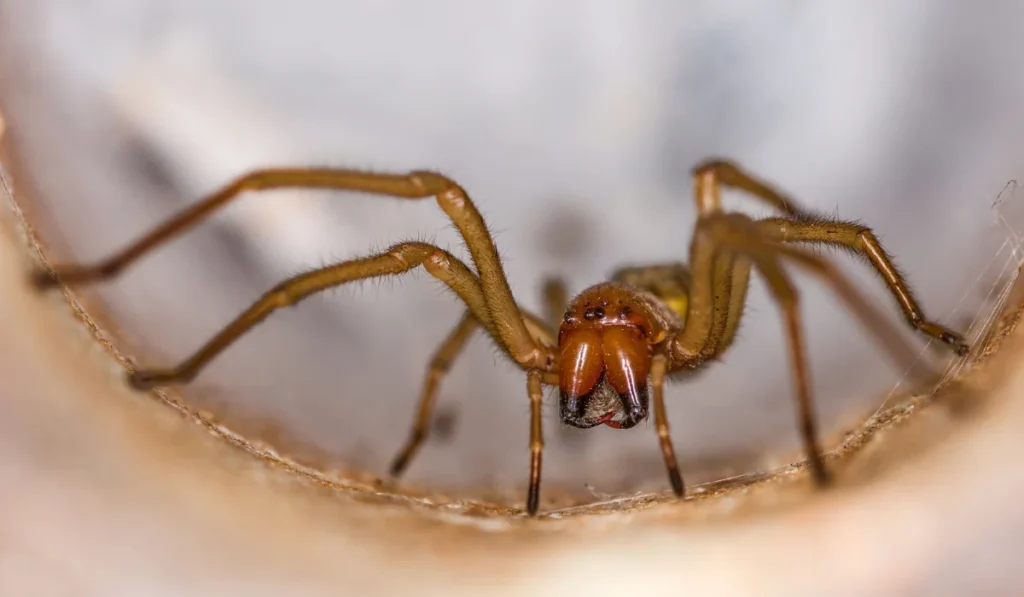
Many brown spiders are mistaken for brown recluse spiders, so color alone is not enough for identification. Avoid handling an unknown spider with bare hands. Clear photographs, monitoring, and a professional inspection can help determine which species is present and where activity is concentrated.
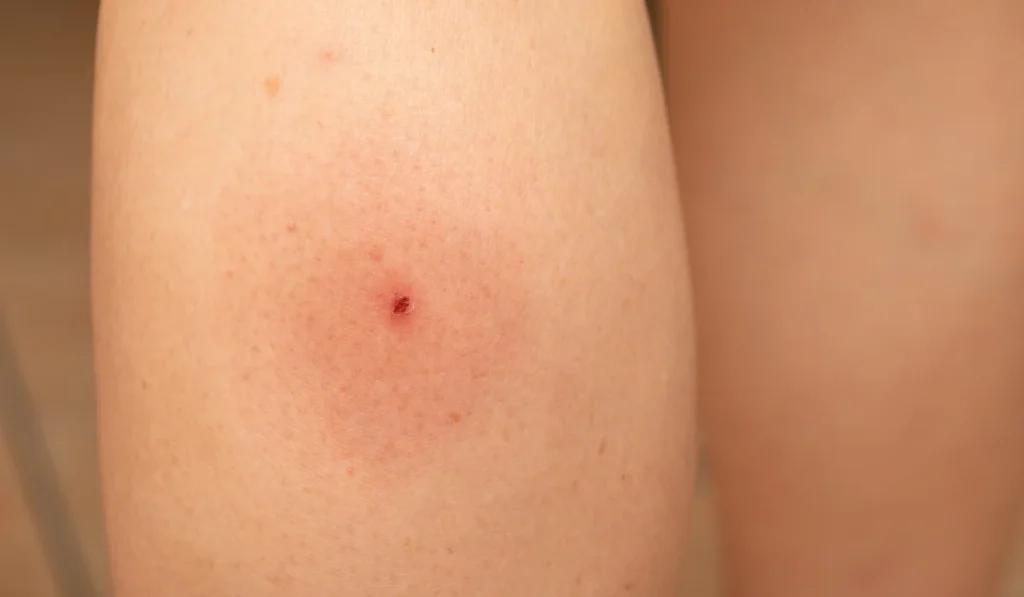
Black widow and brown recluse spiders require more caution than common web-building species. The CDC and NIOSH guidance on venomous spiders recommends protective steps in areas where these spiders may hide. Seek medical guidance when a suspected bite causes concerning symptoms rather than trying to identify the cause from the appearance of the skin alone.
Choosing Effective Spider Control for Your Southeastern Home
Spider repellent can support a broader prevention plan, but it cannot correct every condition that allows spiders to remain active. Better spider control combines proper identification, targeted treatment, web removal, monitoring, exclusion, storage changes, and steps that reduce the insects spiders hunt.
When spiders continue appearing after you treat visible areas, a professional inspection can help uncover hidden activity and overlooked entry points. Learn more about Waynes Pest Control and the services available across Alabama, Tennessee, Mississippi, and the Florida Panhandle. To schedule an inspection or discuss ongoing spider activity, contact the Waynes team.