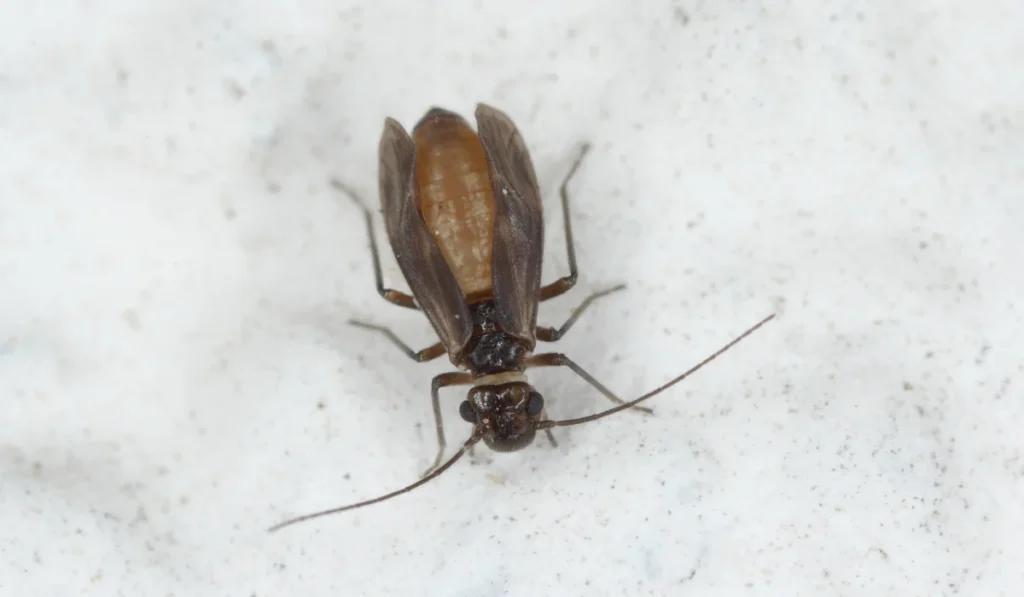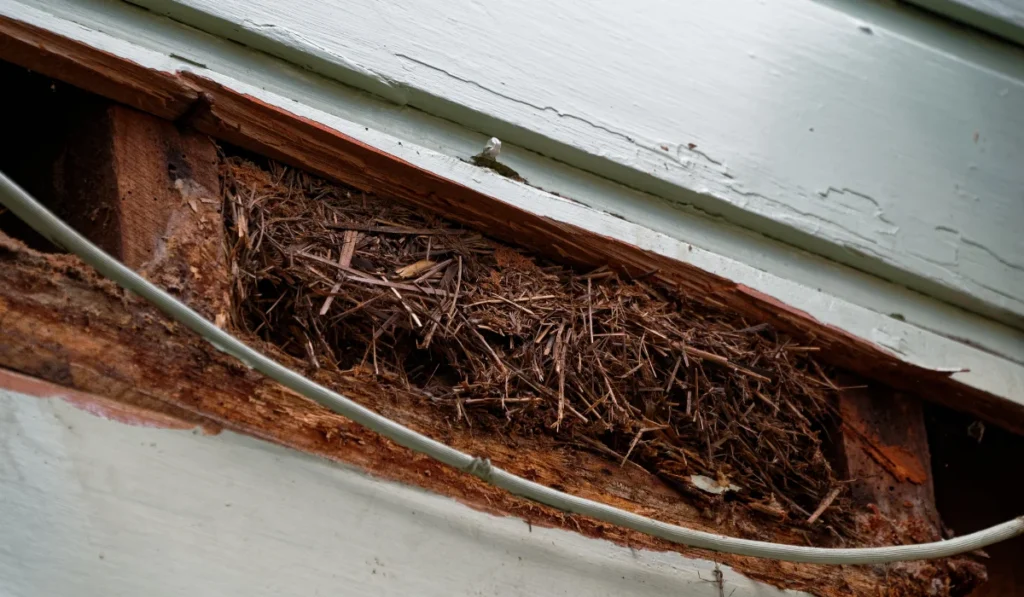

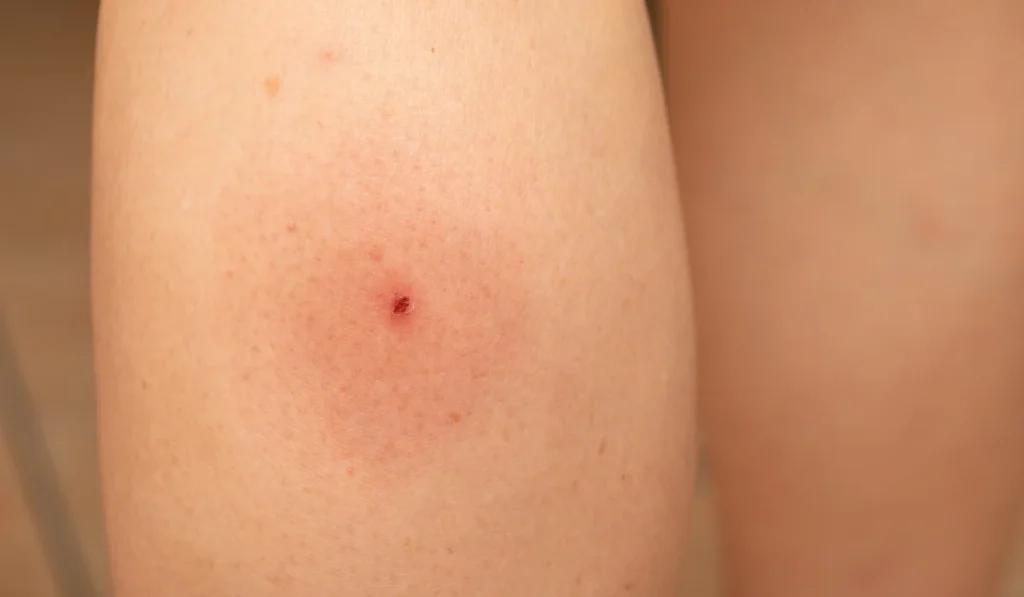
You may notice a red spot after working in the yard, walking through tall grass, or checking your skin after a hike. When the tick is already gone, the mark can be difficult to interpret. A tick bite mark after tick falls off may be a small bump, a pinpoint scab, or a limited patch of redness.
Most bite-site reactions stay small and begin improving within a few days. An expanding rash, worsening skin irritation, or new symptoms elsewhere in your body deserve closer attention. The mark alone cannot identify the tick species or confirm whether an illness was transmitted.
Ticks thrive around leaf litter, brush, shaded property lines, and wildlife travel paths across Alabama, Tennessee, Mississippi, and the Florida Panhandle. Knowing how the bite site may change over time can help you monitor it carefully and recognize when to contact a medical professional.
What a Tick Bite Mark After the Tick Falls Off May Look Like
A tick bite mark after the tick falls off often resembles a mosquito bite. You may see a small pink or red bump with a tiny puncture in the center. The spot may itch, feel mildly tender, or develop a light scab as the skin begins to heal.
Some bites leave very little visible evidence. You may find only a faint dot, while another person may develop a larger local reaction from the same type of exposure. Skin sensitivity, scratching, and the location of the bite can all affect how noticeable the mark becomes.
The appearance cannot show how long the tick was attached or whether it carried a disease-causing organism. Several tick species leave similar marks, and some tick-borne illnesses do not cause a rash at the bite site. Treat the mark as useful information to monitor, not as a diagnosis.
How a Tick Bite Mark May Change Over Time
A tick bite mark days later may look different from the spot you first noticed. Recording the date and taking a clear photograph can help you determine whether the area is fading, remaining stable, or expanding. Include a ruler or coin in the photograph so you can compare the size over time.
The First 24 to 48 Hours
During the first day or two, you may see a small bump, pinpoint redness, or a tiny scab. Mild itching or tenderness can occur, especially if your skin reacts strongly to bites. A routine local reaction usually remains close to the bite site and begins settling rather than spreading.
Seek immediate medical help if you develop trouble breathing, swelling of the face or throat, faintness, or another severe allergic reaction. Those symptoms require prompt attention regardless of the size or appearance of the mark.
Days Three Through Seven
By the third day, an ordinary local reaction should remain stable or start fading. A little discoloration may remain longer if the area was scratched or irritated. Increasing warmth, pain, swelling, or drainage may point to a skin infection and should be evaluated.
An expanding circular or oval rash deserves medical attention, especially when it appears with fever, headache, fatigue, muscle pain, or joint discomfort. These symptoms may develop even when the original bite site looks minor.
The Following Weeks
A small bump or scab can take longer to disappear in some people, but it should continue moving toward healing. A new rash may appear days or weeks after exposure, and it may form somewhere other than the original bite site.
Continue watching for changes in your skin and overall health for several weeks. Contact a clinician if you develop an expanding rash, persistent fever, severe headache, unusual fatigue, neurologic symptoms, or worsening pain around the bite.
Normal Tick Bite Reaction vs. a Concerning Rash
A normal tick bite reaction generally appears soon after the bite, stays limited in size, and begins improving within a short period. A rash associated with a tick-borne illness may continue expanding or appear after the original mark has started to fade. A skin infection may become more painful, warm, swollen, or tender.
| Skin Change | Common Pattern | Recommended Response |
| Small local reaction | Limited bump or redness that begins fading | Clean the area and continue monitoring |
| Expanding rash | Circular, oval, solid red, blotchy, or ring-shaped area that grows | Contact a medical professional |
| Possible skin infection | Increasing pain, warmth, swelling, or drainage | Arrange a medical evaluation |
| Severe allergic reaction | Facial swelling, breathing difficulty, faintness, or widespread hives | Seek emergency care |
Lyme disease can cause an expanding rash called erythema migrans. According to the CDC guidance on Lyme disease signs and symptoms, this rash occurs in about 70% to 80% of infected people. It usually begins 3 to 30 days after the bite, with an average onset of about 7 days.
Erythema migrans does not always look like a perfect bullseye. It may appear evenly red, oval, blotchy, or ring-shaped, and it often grows gradually. The area may feel warm, but it is rarely painful or itchy.
The absence of a rash does not rule out Lyme disease or another tick-borne illness. Tell your clinician where and when the exposure occurred, whether you traveled, and what symptoms you have noticed. Those details are more useful than trying to identify the illness from the bite mark alone.
Other Warning Signs After a Tick Bite in the Southeast
A tick bite after removal can be followed by symptoms that are not related to Lyme disease. Several tick-borne conditions occur in the Southeast, and some may cause symptoms away from the original bite site. Pay attention to changes in your overall health, not just the mark on your skin.
Southern Tick-Associated Rash Illness
Lone star ticks are common across much of the Southeast and are associated with Southern tick-associated rash illness, also known as STARI. This condition can produce an expanding red lesion that resembles an early Lyme disease rash.
The CDC information on Southern tick-associated rash illness explains that the rash generally appears within about seven days of a lone star tick bite and may grow to three inches or more across. The cause of STARI remains unknown, so an expanding rash should be assessed by a medical professional rather than identified from a photograph.
Rocky Mountain Spotted Fever and Ehrlichiosis
Rocky Mountain spotted fever and ehrlichiosis can cause fever, headache, muscle aches, fatigue, and digestive symptoms. These illnesses do not always create a noticeable mark around the bite.
A Rocky Mountain spotted fever rash may appear on areas such as the wrists or ankles rather than at the original bite site. Ehrlichiosis can cause illness without any rash, which is why fever or other unexplained symptoms after tick exposure deserve medical attention.
Alpha-Gal Syndrome
Some lone star tick bites have been associated with alpha-gal syndrome, an allergy involving mammalian meat or related products. It does not create one distinctive bite mark, so the appearance of the bite cannot confirm whether the allergy has developed.
Seek prompt medical care for hives, swelling, breathing problems, severe stomach symptoms, or another allergic reaction. Tell the clinician about the possible tick exposure and when your symptoms began.
What to Do After the Tick Drops Off or Is Removed
Clean the bite site and your hands after finding a tick or a suspicious mark. Record the date, photograph the area, and note where the exposure occurred. A second photograph taken a day or two later can help show whether the redness is shrinking or spreading.
When a tick is still attached, follow the CDC steps for removing a tick safely. Use clean, fine-tipped tweezers to grasp the tick as close to the skin as possible, then pull upward with steady, even pressure. Do not twist, crush, burn, or coat the tick with petroleum jelly.
Save the tick in a sealed container or take a sharp photograph when practical. The tick’s appearance and the location of the exposure may help a qualified professional assess the situation. Avoid handling it with bare hands.
Small mouthparts can sometimes remain in the skin after removal. Do not dig aggressively, since that can cause more irritation. Monitor the area and contact a clinician if redness, swelling, pain, or drainage continues to worsen.
How to Reduce Tick Exposure Around Your Yard
Tick prevention for Southern yards starts with reducing the sheltered areas where ticks and their animal hosts spend time. Yard maintenance cannot prevent every encounter, but it can make frequently used outdoor spaces less favorable to ticks.
Maintain Grass, Leaves, and Vegetation
Keep grass mowed, remove accumulated leaves, and trim overgrown vegetation around patios, walkways, play areas, and property edges. Dense brush and shaded ground cover can create humid conditions where ticks are more likely to remain active.
Move frequently used outdoor items away from thick vegetation when the layout allows. Pay close attention to the edges where maintained lawn meets woods, brush, or unmanaged plant growth.
Watch Wildlife and Pet Activity Areas
Ticks in Alabama, Tennessee, Mississippi, and the Florida Panhandle may be active around wildlife paths, pet resting areas, shaded borders, and humid ground cover. Areas visited by deer, rodents, and other animals may bring ticks closer to the places your family uses.
Check pets after they spend time outside, especially around the ears, neck, legs, and between the toes. Follow your veterinarian’s recommendations for tick prevention, and keep pet bedding and resting areas clean.
Check Yourself After Spending Time Outdoors
Inspect your clothing, children, and skin after gardening, hiking, playing outside, or working near brush. A careful full-body check can help you find attached ticks before they remain unnoticed.
Look closely around the hairline, behind the ears, under the arms, around the waist, behind the knees, and between the legs. Showering after outdoor activity can also provide another opportunity to check your skin.
Consider Professional Tick Control
Professional service can help reduce tick activity in targeted parts of the yard when paired with regular mowing, vegetation management, and personal checks. A trained professional can inspect shaded areas, property edges, pet zones, and other locations where tick activity may be concentrated.
Know What the Mark Can and Cannot Tell You
A tick bite mark after tick falls off may be nothing more than a small bump that gradually fades. The changes that deserve closer attention include an expanding rash, worsening pain, drainage, fever, headache, muscle aches, unusual fatigue, or symptoms elsewhere on your body.
The mark cannot identify the tick species or confirm whether an illness was transmitted. Record what you observe, monitor your health over the following weeks, and contact a qualified medical professional when symptoms develop.
You can also lower future exposure by addressing the shaded vegetation, leaf litter, and wildlife travel areas that support ticks around your home. Learn more about Waynes and its outdoor pest services, or contact the Waynes team to schedule an evaluation for your property.