
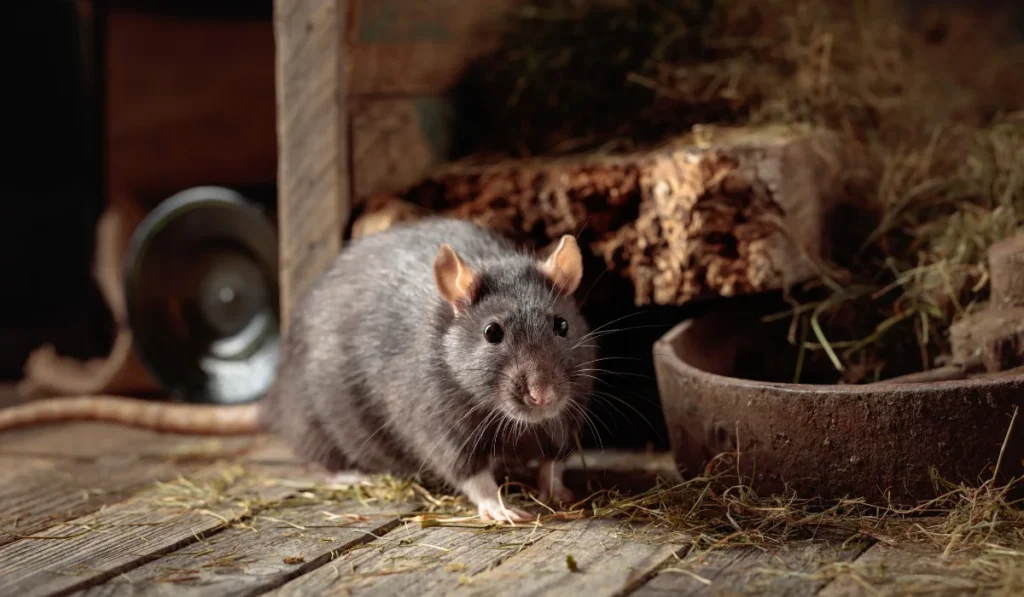
 If you live in Panama City, you know the warm coastal weather brings more than sunshine. If you hear scratching in your walls or see tiny droppings near stored items, you may wonder which types of rats are attracted to Panama City, FL homes. You may also worry about how fast a small problem can grow into a big rodent issue.
Roof rats, Norway rats, wood rats, and even house mice show up across Florida. They are common in neighborhoods with fruit trees, outdoor kitchens, and open crawl spaces.
Each type of rodent behaves in its own way. When you know which species you have, you can take the proper steps before the infestation grows into a larger problem.
This guide explains the common types of rats in Panama City, how to spot them, where they hide, and why calling Waynes Pest Control for rodent control in Panama City, FL, and exclusion can help protect your home for the long term.
If you live in Panama City, you know the warm coastal weather brings more than sunshine. If you hear scratching in your walls or see tiny droppings near stored items, you may wonder which types of rats are attracted to Panama City, FL homes. You may also worry about how fast a small problem can grow into a big rodent issue.
Roof rats, Norway rats, wood rats, and even house mice show up across Florida. They are common in neighborhoods with fruit trees, outdoor kitchens, and open crawl spaces.
Each type of rodent behaves in its own way. When you know which species you have, you can take the proper steps before the infestation grows into a larger problem.
This guide explains the common types of rats in Panama City, how to spot them, where they hide, and why calling Waynes Pest Control for rodent control in Panama City, FL, and exclusion can help protect your home for the long term.
Key Takeaways
Field Guide · Panama City, FL
Types of rats in Panama City
Roof rats, Norway rats, and wood rats each behave differently. Knowing which one helps you respond faster.
1Destructive
Norway rat
IDThicker body, blunt snout, and shorter tail, with gray to brown fur. Produces wide, capsule-like droppings.
WhereBuilds burrows around home foundations. Common in older neighborhoods, garages, crawl spaces, and basements.
NoteReproduces quickly and often causes structural damage by chewing pipes and electrical wires.
2Destructive
Roof rat
IDSlim body with a pointed nose and long balancing tail. Droppings are thin and taper at both ends.
WhereAttics, roof voids, and upper cabinets. Drawn to homes near fruit trees, which provide a steady food source.
NoteThe most common rat in coastal communities. Activity leads to damaged insulation, chewed wiring, and stained attic floors.
3Nuisance
Wood rat
IDFurred tail and large eyes. Builds nests filled with bits of collected debris.
WhereAlong the edges of Panama City, especially near wooded areas. May pull small items from sheds or outdoor storage.
NoteCollects clutter to build nests and may take small items from outdoor storage areas.
4Nuisance
House and deer mice
IDMuch smaller than rats. Deer mice have two-tone tails and rounder bodies.
WhereGarages and sheds, especially in rural areas.
NoteCan spread germs and cause property damage. In some regions deer mice can carry hantavirus, so accurate ID matters.
Waynes has protected Southeast families for 50 years as an EPA Pesticide Environmental Stewardship member. Every little thing matters. A LOT.
- The most common rats in Panama City are roof rats, Norway rats, and wood rats.
- Roof rats are skilled climbers that prefer attics, while Norway rats prefer basements and crawl spaces.
- Signs of rat infestations include droppings, gnaw marks, and damaged wiring.
- Seal entry points, cut back outdoor food sources, and call Waynes Pest Control for pest control services to help keep your home safe.
Video Guide: How to Identify What Type of Rat You Have
This short video shows the main differences between the types of rats homeowners in Panama City are most likely to see. It covers roof rats, Norway rats, wood rats, and even house mice. You will learn what to look for in body size, tail shape, color patterns, nesting habits, and droppings. These details help you narrow down which species is active on your property. Use the video with this guide to better understand what may be moving through your attic, yard, or crawl space. It also helps you know when it is time to call for help.What Types Of Rats Are Most Common In Panama City, FL?
Several rodent species live in Florida, but only a few regularly get into homes. In Panama City, the three main species are roof rats, Norway rats, and wood rats. You may also see house mice or deer mice, especially in rural areas. These smaller rodents behave differently and often sneak into garages or sheds.Roof Rats
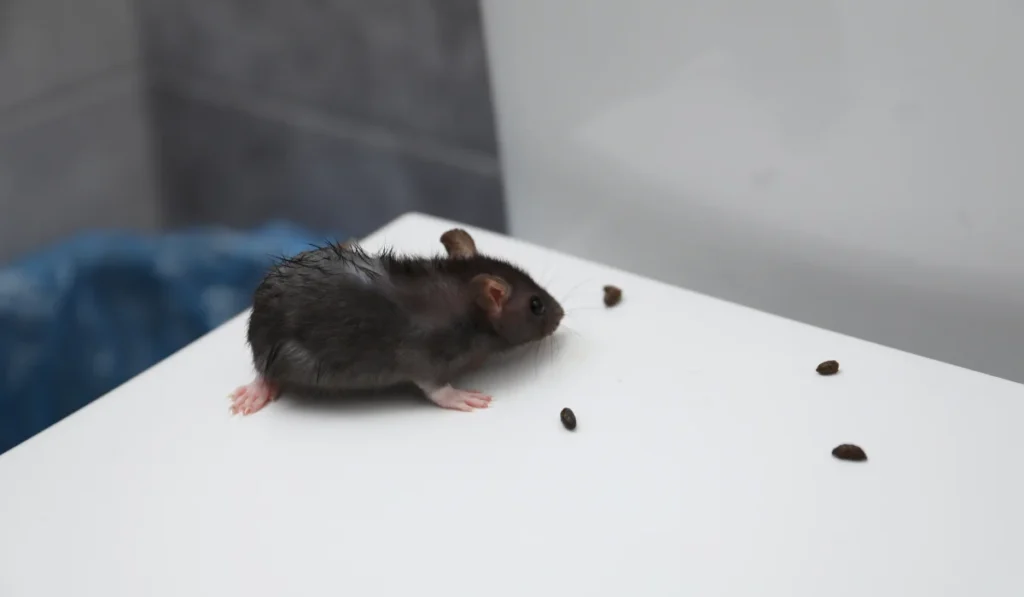
Roof rats are the most common species of rat in many coastal communities. People sometimes call them black rats. They have slim bodies and long tails. They move easily across branches and rooflines. Their climbing ability makes them common attic intruders. Homes near fruit trees are very attractive to roof rats because the trees provide a steady food source. Roof rat populations can grow quickly. Their activity often leads to damaged insulation, chewed wiring, and stained attic floors. If you hear movement above your ceiling at night, we can inspect your attic, confirm the species, and start rodent removal.Norway Rats
Norway rats, also called brown rats, stay low to the ground and build burrows around home foundations. These rats are more common in older neighborhoods and storm-prone areas of Panama City, where shifting soil can create easy entry points into homes. They are larger and produce wide droppings. They often cause structural damage by chewing pipes and electrical wires. Our technicians know that Norway rats reproduce quickly. If you ignore a single sighting, it can turn into a large rodent infestation.Wood Rats And Other Common Rodents
Wood rats, often called pack rats, live along the edges of Panama City, especially near wooded areas. They collect clutter to build their nests and may pull small items from sheds or outdoor storage areas. Along with these rats, common rodents such as house mice and deer mice may also get into homes. In some regions, deer mice can carry hantavirus, so accurate identification matters. At Waynes Pest Control, we provide complete rodent control services for the rodent problems Panama City homes may face. We also offer preventive measures to help reduce future activity.What Do The Different Types Of Rats In Panama City, FL Look Like?
Understanding the types of rats present helps you determine the urgency of your rat problem and the following steps to stop rodents before they move into your Panama City home.What Roof Rats Look Like
 Roof rats are among the most common household pests in the Southeast. They have pointed noses and slender bodies. Their long tails help them balance while climbing.
Their droppings are thin and taper at both ends.
Because they remain high, signs often appear in attics and roof voids. You may also see signs in upper cabinets.
They are strong climbers and can move quickly across rafters.
Roof rats are among the most common household pests in the Southeast. They have pointed noses and slender bodies. Their long tails help them balance while climbing.
Their droppings are thin and taper at both ends.
Because they remain high, signs often appear in attics and roof voids. You may also see signs in upper cabinets.
They are strong climbers and can move quickly across rafters.
What Norway Rats Look Like
 Norway rats have thicker bodies, blunt snouts, and shorter tails. Their fur ranges from gray to brown, which is why they are called brown rats.
Nashville homeowners, for example, look for signs of Norway rats in their homes, such as droppings that are larger and resemble small capsules. They stay in low areas such as garages, crawl spaces, and basements.
Norway rats have thicker bodies, blunt snouts, and shorter tails. Their fur ranges from gray to brown, which is why they are called brown rats.
Nashville homeowners, for example, look for signs of Norway rats in their homes, such as droppings that are larger and resemble small capsules. They stay in low areas such as garages, crawl spaces, and basements.
What Wood Rats, House Mice, And Deer Mice Look Like
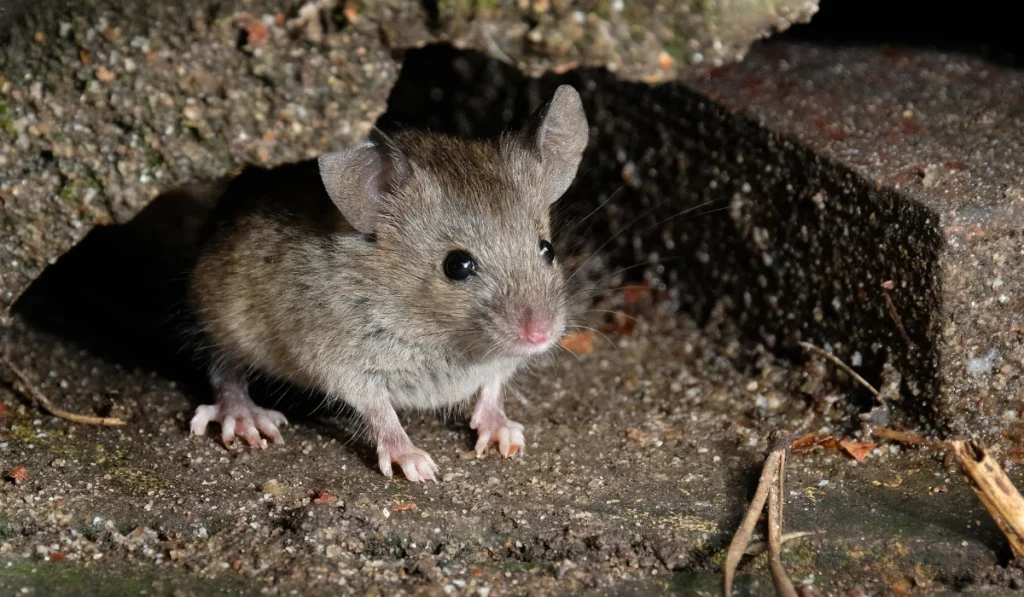
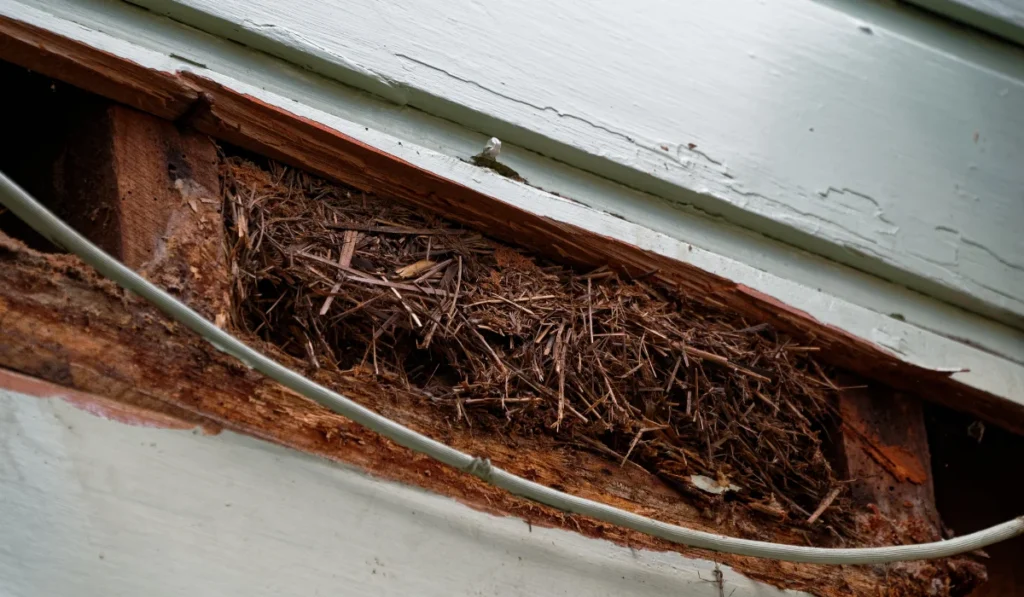
 Wood rats have furred tails and large eyes. They often leave behind nests filled with bits of debris.
House mice are much smaller than rats. Deer mice have two-tone tails and rounder bodies.
These rodents can spread germs and cause property damage, so homeowners need to spot them quickly.
Our technicians can identify these species and recommend the right service plan or exclusion treatment.
Wood rats have furred tails and large eyes. They often leave behind nests filled with bits of debris.
House mice are much smaller than rats. Deer mice have two-tone tails and rounder bodies.
These rodents can spread germs and cause property damage, so homeowners need to spot them quickly.
Our technicians can identify these species and recommend the right service plan or exclusion treatment.