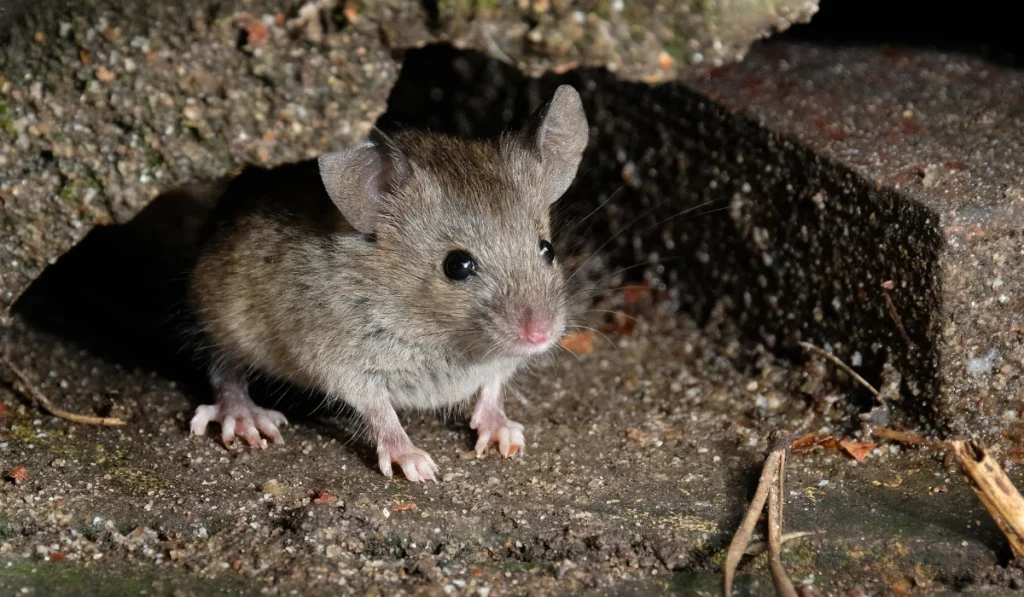

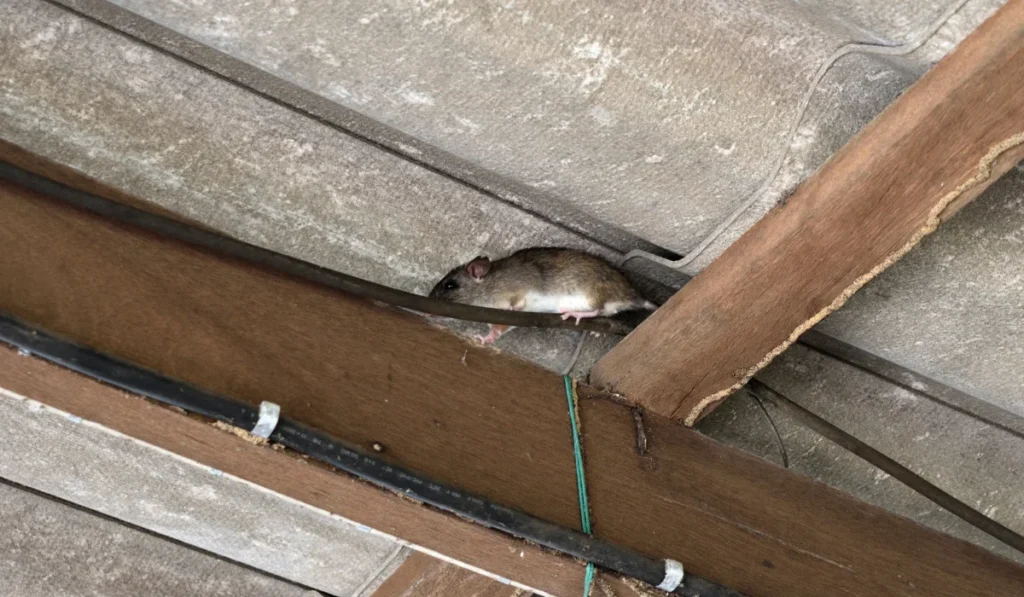
If you hear scurrying above your ceiling at night or find small droppings in the garage, you may be seeing signs of roof rats that Huntsville, AL, homeowners often overlook. Roof rats are common across north Alabama, especially in neighborhoods with large trees, older homes, and easy attic access.
Because roof rats remain hidden, many homeowners miss early warning signs until the problem worsens.
Roof rats are skilled climbers and prefer high areas such as attics, rafters, and utility lines. Once inside, roof rats damage structures, contaminate food, and create health risks for families and pets. Huntsville’s wooded areas and mild winters make homes attractive to roof rats all year.
This guide explains common and hidden signs of roof rats, where to look inside and outside your home, how to confirm an infestation, and when to call a rat exterminator in Huntsville, AL. Knowing what to watch for helps you act before a small rodent problem becomes a severe rat infestation.
Key Takeaways
- Roof rats often enter Huntsville homes from above by using trees, rooflines, and utility lines.
- Noises in attics and ceilings often appear as the first warning sign, even before droppings show up.
- Damage to insulation, wiring, and stored items often escalates quickly once rats move in.
- Correct identification is critical because roof rats behave differently from other rodents.
Video Guide: How to Identify What Type of Rat You Have
This video will walk you through the differences between roof rats, Norway rats, and house mice. You will see how body shape, droppings, movement patterns, and nesting locations help confirm which rodent is causing the problem. Visual examples help you connect the signs you see in your Huntsville home to the correct type of rat.
What Are the Most Common Signs of Roof Rats in a Huntsville Home?
The most common signs of roof rats in Huntsville, AL include physical evidence, unusual sounds, and visible damage. Roof rats stay active at night, so many homeowners hear them before they see them. Unlike Norway rats, which remain in lower areas, roof rats travel through rafters and attic spaces.
Droppings, Smears, Or Markings
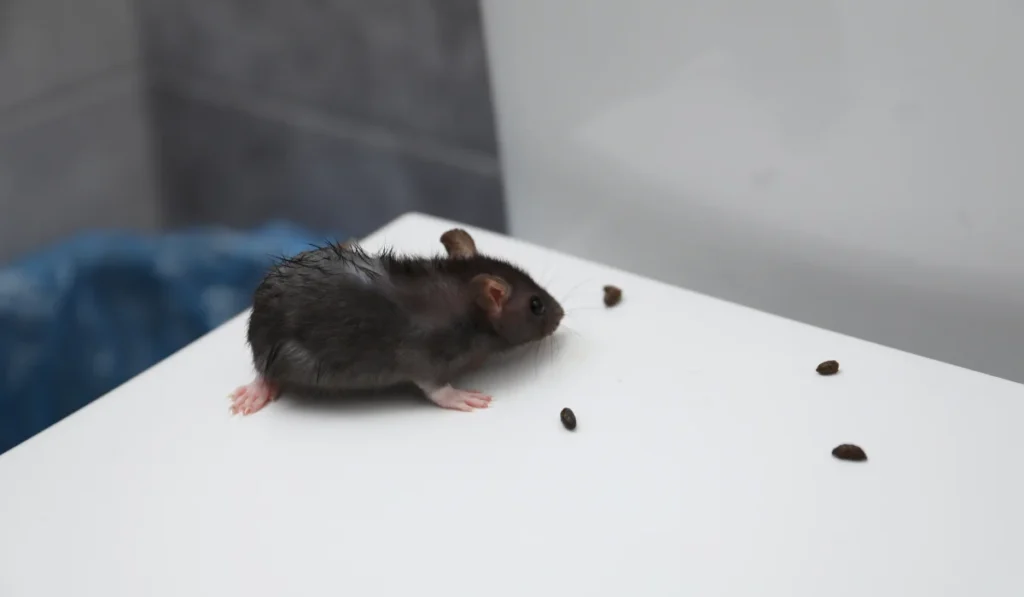
Roof rat droppings appear dark and spindle-shaped. Homeowners often find them along baseboards, in garages, or near stored items. Droppings may also show up near pet food containers or pantry shelves. As roof rats follow the same paths, they leave greasy smudges along walls, pipes, and entry points.
Finding droppings more than once typically indicates an active infestation. Cleaning alone does not fix the problem.
Visible Damage To Wiring, Wood, And Food
Roof rats chew constantly. You may notice gnaw marks on wood, baseboards, or stored items. Chewed electrical wires pose a fire risk, and homeowners should take them seriously. Torn food packaging or damaged containers in kitchens and garages also point to rodent activity.
Once damage begins, it often spreads quickly. A local exterminator can step in early to limit property damage and start rat control.
Odors, Nests, And Sightings
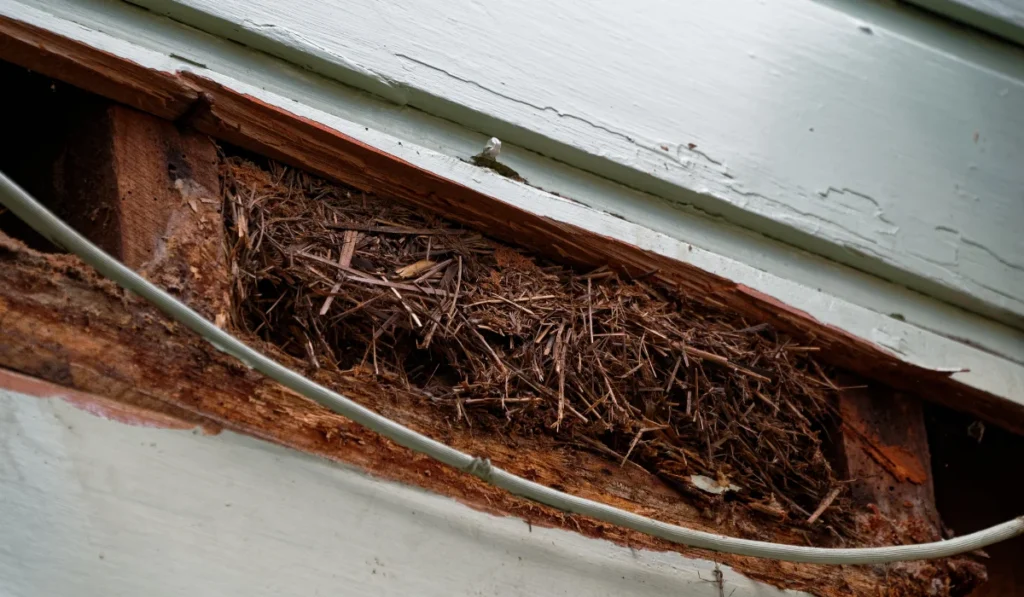
Strong, musky odors in attics or crawl spaces may signal nesting activity. Roof rats build nests using insulation, paper, and fabric as nesting materials in quiet, elevated areas. Seeing a rat during the day often means a larger infestation nearby.
We provide professional rodent control to address roof rats at the source. Our trained technician can inspect your home and explain the next steps.
What Hidden Signs of Roof Rats Should Huntsville Homeowners Check For?
Many roof rat signs stay hidden for long periods. These early clues often appear before droppings reach the main living areas.
If you want to stop rodents before they move in, spotting early signs of activity can help prevent a larger rodent infestation.
Noises In Walls, Ceilings, And Vents
Scratching, light thumping, or scurrying sounds at night often come from roof rats moving through rafters or attic vents. Roof rats rarely stay on the ground. Nighttime noise that lasts for several days usually signals ongoing activity.
Professional rodent control services in Huntsville can help locate the source.
Chewing And Damage In Hidden Areas
Roof rats frequently chew behind appliances, under sinks, and inside crawl spaces. You may find gnaw marks on pipes, framing, or insulation. Over time, this damage leads to higher repair costs and added property damage.
Our team performs detailed inspections to locate hidden entry points and nesting areas.
Changes In Pets And Indoor Clues
Pets may stare at the ceiling, bark at the walls, or appear restless when rodents move overhead. Roof rats can also bring fleas and mites indoors, creating additional problems for homeowners.
A pest control professional can confirm whether these signs indicate a roof rat infestation and recommend the appropriate treatment.
Where Should You Look for Roof Rats Inside Your Huntsville Home?
Roof rat signs in Huntsville, AL, often appear indoors in predictable locations. Knowing where to look helps homeowners catch a problem early.
High-Risk Indoor Locations
Kitchens attract roof rats when food sits out or pet food remains uncovered overnight. Garages offer shelter and easy entry. Crawl spaces and basements provide quiet nesting areas.
Attics remain the most common indoor location for roof rats in Huntsville. Warmth, insulation, and vents make attics ideal nesting spots. Utility rooms and bedrooms may show droppings along baseboards or chewed storage items.
If you notice activity in these areas, we can inspect your home and create a rodent prevention plan.
What Outdoor Signs Suggest Roof Rats Are Entering Your Huntsville Home?
Outdoor roof-rat signs often indicate how rats gain access to a home. Roof rats use elevated pathways instead of burrows.
They climb tree branches that touch roofs and travel along utility lines to reach attic vents. Greasy marks near rooflines, damaged soffits, or nests under eaves often point to roof rat activity. Unlike Norway rats, roof rats stay above ground.
Sealing gaps around siding, vents, and garages helps block entry. At Waynes Pest Control, we offer exclusion services to reduce future rodent activity.
How Do You Confirm That the Signs Point to Roof Rats in Your Huntsville Home?
Confirming roof rat signs involves checking droppings, damage patterns, and behavior. Roof rats leave larger droppings than house mice and prefer high nesting areas.
Matching droppings with damage locations helps identify the rodent. Monitoring tools may confirm activity, but placement matters. A professional exterminator can determine the rodent and recommend the right control plan.
What Should You Do If You See These Signs of Roof Rats in Your Huntsville Home?
Once a roof rat appears in Huntsville, AL, residents recognize it, and quick action helps reduce health risks and property damage.
Immediate Steps For Homeowners
If you want to protect your home from rodents and hantavirus, start by cleaning affected areas, removing obvious food sources, and sealing small gaps with steel wool. Store pet food securely and reduce clutter in garages and basements. These steps help but rarely solve a rat infestation on their own.
We support these efforts with professional rodent prevention and treatment.
When DIY Works And When It Does Not
DIY methods may help with a single rodent, but roof rats reproduce quickly. Ongoing noises, repeated droppings, or chewed wiring signal the need for professional help.
Roof Rat Signs Huntsville, AL Homeowners Should Not Ignore
Spotting roof rat signs in Huntsville, AL, early helps protect your home. Noises in the attic, droppings in garages, and gnaw marks near entry points often worsen over time.
Left untreated, roof rats cause structural damage, contaminate food, and raise health risks. The next step is to confirm the issue and determine how rats are entering the home.
At Waynes Pest Control, we offer pest control services, including rodent control and exclusion, for homes in Huntsville.
Contact us today or request a free quote. Our team can inspect your home, identify the issue, and explain clear next steps to help keep your space pest-free.
FAQs
What is the most common roof rat sign in Huntsville homes?
Roof rat droppings in garages, attics, or along baseboards are the most common sign Huntsville homeowners notice. Because roof rats stay hidden, droppings often appear before live sightings. Repeated droppings typically indicate an active infestation inside the home.
Are signs of roof rats always obvious in homes in Huntsville, AL?
No, you usually won’t notice signs of roof rats in your Huntsville home. Noises, damage to electrical wires, or greasy marks near rooflines often go unnoticed. Homes with crawl spaces and older construction in Huntsville are more likely to have subtle signs.
Should I worry if I only see one roof rat in my Huntsville home?
Yes, seeing one roof rat in a Huntsville home often means more are nearby. Roof rats reproduce quickly, and early rodent control helps prevent a larger infestation and additional property damage.