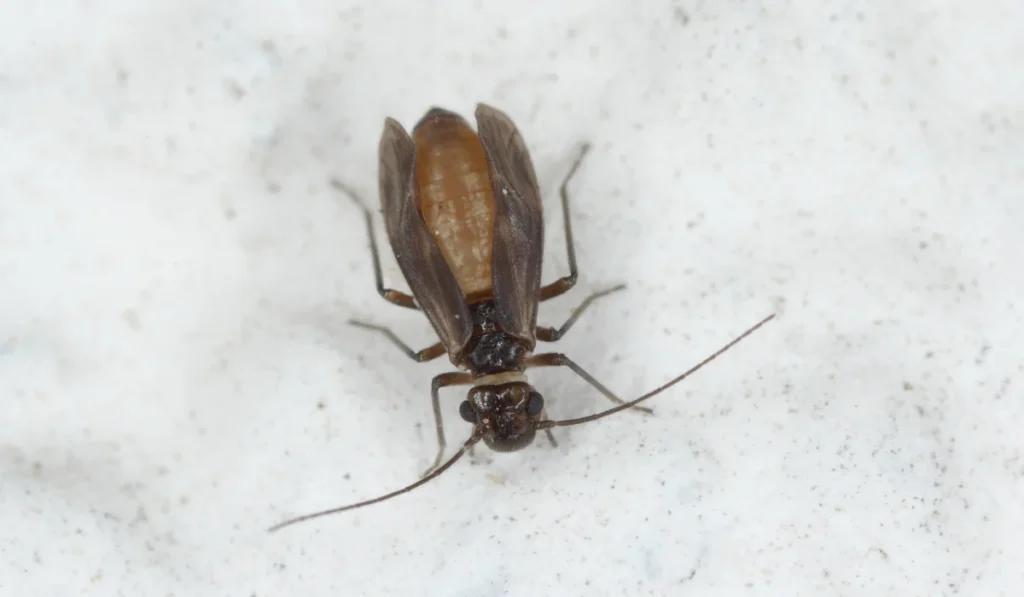
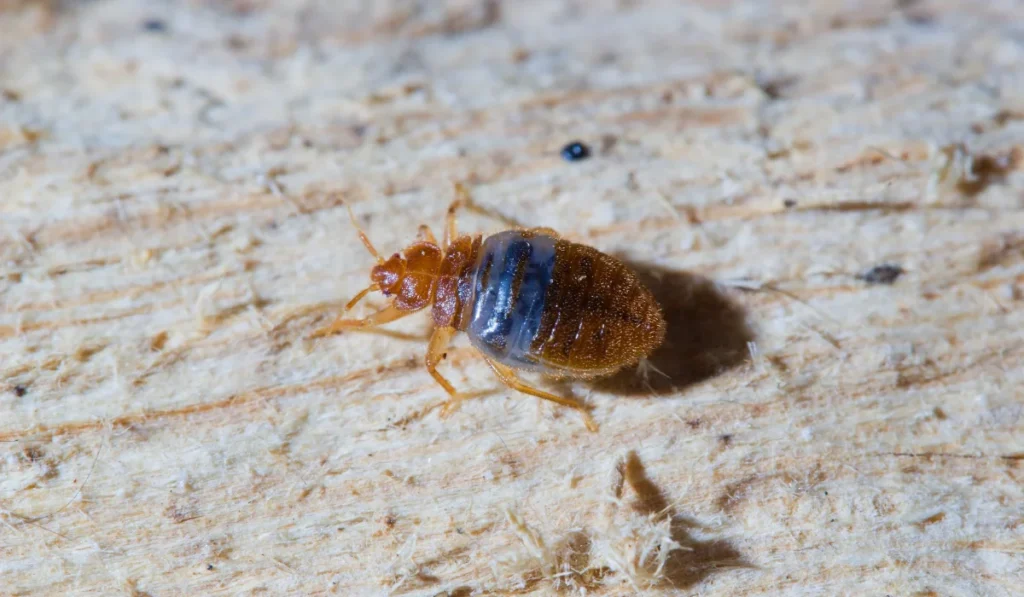
You find a small, flat, reddish-brown bug near an upstairs bedroom and assume you have bed bugs. That conclusion makes sense, but it may be wrong. Bat bugs look so much like bed bugs that a phone photo often cannot show the differences clearly.
Bat bugs usually begin near bats roosting in attics, chimneys, soffits, wall voids, or gaps along the roofline. When the bats leave or can no longer reach the roost, the bugs may move into living areas in search of another host. Treating the room where you found the insect may not solve the problem if the source is still hidden elsewhere in the structure.
Accurate identification helps you avoid the wrong treatment plan. It also tells you whether the inspection should focus on beds and furniture, upper-level structural spaces, or both. For homeowners in Alabama, Tennessee, Mississippi, and the Florida Panhandle, that distinction can connect a bedroom sighting to bat activity several rooms away.
Bat Bugs vs. Bed Bugs: Why Identification Changes the Solution
Bat bugs and common bed bugs belong to the genus Cimex, which helps explain their close resemblance. Both insects are small, wingless, flattened, and oval. Their bodies can appear reddish-brown, and feeding can make them look rounder and darker.
The main difference involves their usual host. Common bed bugs feed on people and tend to stay near places where people sleep or rest. Bat bugs normally feed on bats and usually originate near a roost. If their bat hosts leave, the bugs may travel through wall spaces, ceiling openings, vents, trim gaps, or light fixtures before appearing in an occupied room.
That difference changes where a professional looks for the source. A bed bug inspection concentrates on mattresses, box springs, bed frames, upholstered furniture, baseboards, and nearby hiding places. A bat bug inspection may extend to the attic, chimney, soffits, roof gaps, and wall voids. Treating only the visible room can leave the original roost area untouched.
| Feature | Bat Bugs | Bed Bugs |
| Usual host | Bats | People |
| Common source area | Attics, chimneys, wall voids, and spaces near bat roosts | Beds, upholstered furniture, baseboards, and occupied rooms |
| Typical inspection focus | Upper-level structural spaces and nearby rooms | Sleeping areas, resting areas, and surrounding furniture |
| Visible appearance | Small, flat, oval, wingless, and reddish-brown | Small, flat, oval, wingless, and reddish-brown |
| Key identification clue | Longer hairs around the pronotum | Shorter hairs around the pronotum |
| Can bite people | Yes, especially when bats are unavailable | Yes |
| Best way to confirm | Specimen identification plus a bat inspection | Specimen identification plus a detailed indoor inspection |
The comparison makes one point clear: appearance alone does not tell you what kind of problem you have. The source, hiding areas, and host relationship matter just as much as the insect’s color and shape.
How to Tell Bat Bugs From Bed Bugs
Bat bug identification rarely comes down to one feature you can see from across the room. Location and appearance provide clues, but neither can confirm the species on its own.
What You Can See Without Magnification
Bat bugs and bed bugs share several visible traits. Both have broad, flattened bodies when unfed, no functional wings, and a reddish-brown color as adults. After feeding, either insect may appear fuller and darker.
Their hiding behavior can also overlap. You may find them along trim, inside cracks, near furniture joints, or in other narrow spaces. A bat bug that moved from an attic can reach a bedroom, so finding the insect near a bed does not automatically make it a bed bug.
The same caution applies in reverse. A bug near an attic hatch or upstairs window may suggest a connection to bats, but the location alone does not prove it. The most reliable answer comes from examining the insect and inspecting the surrounding structure.
What Usually Requires Closer Examination
One of the clearest physical differences involves the hairs around the pronotum, the shield-like section behind the head. Bat bugs generally have longer fringe hairs than common bed bugs. Those hairs are too small for most homeowners to compare without magnification.
A preserved specimen gives a pest professional or entomologist a better chance of making an accurate identification. Clear photographs can help with an initial assessment, but a distant or blurry image may not show the features that separate these insects.
Why Location Is a Clue, Not Proof
The place where you find the insect can help guide the next step. A sighting near an attic access, fireplace, ceiling fixture, or upper-floor wall may support a closer look at nearby bat activity. A sighting in mattress seams, bed frames, or upholstered furniture may point the inspection in another direction.
Still, neither location confirms the species. Bat bugs can travel away from a roost, while bed bugs can spread beyond the bed. A thorough inspection should follow the evidence rather than rely on one room or one photograph.
Why Bat Bugs Move Into Living Areas
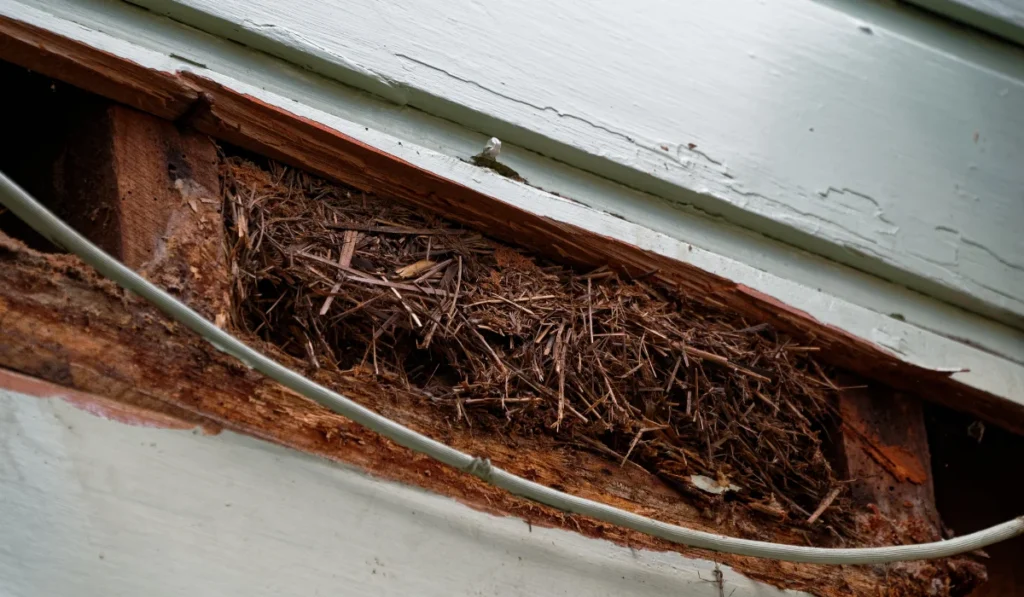
Bat bugs usually remain close to the places where bats rest. In Southern homes, those spaces may include an attic above a bedroom, a chimney chase, a roof intersection, a soffit gap, or an opening behind exterior materials. Older homes may have construction gaps that connect these areas to wall voids and upper-floor rooms.
As long as bats remain available, bat bugs tend to stay near their usual host. Problems often begin when the bats leave seasonally, shift to another part of the structure, or are excluded from the building. Bugs left behind may then move through hidden pathways in search of another meal.
This movement explains why a homeowner may first notice bat bugs after a wildlife service. Removing bats addresses the animals, but it does not automatically remove every insect around the former roost. Without a coordinated plan, the remaining bugs may travel farther into the home.
What Bat Bug Bites Can and Cannot Tell You
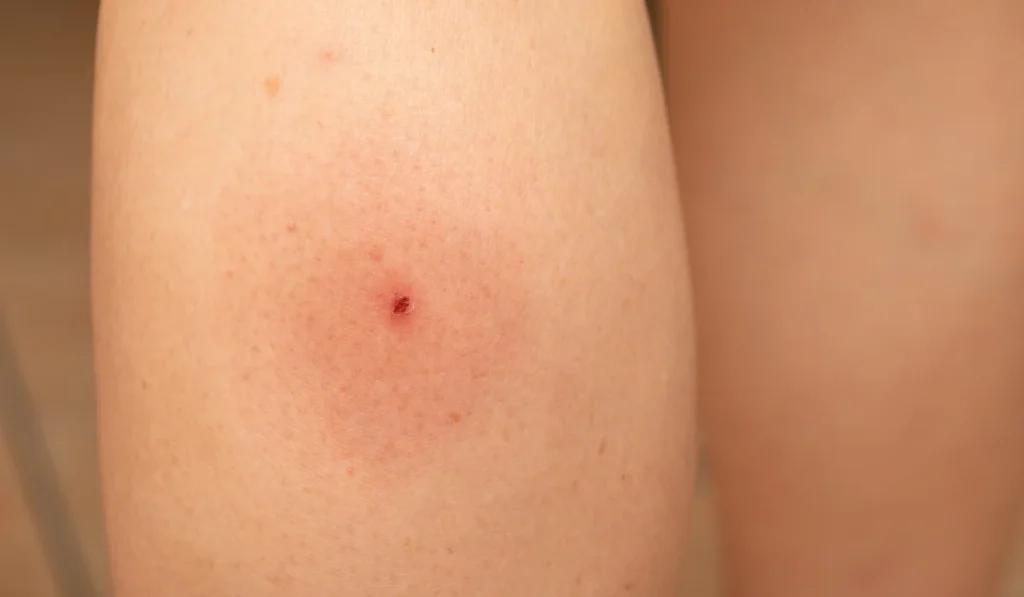
Bat bugs can bite people when bats are no longer available. The bites may cause itching or irritation, but the appearance of the skin reaction cannot identify the insect. Some people develop visible marks, while others show little reaction.
A line, cluster, or isolated bite does not prove that you have bed bugs or bat bugs. Fleas, mosquitoes, and other pests may cause similar reactions. Focus instead on the insect itself, where you found it, and whether the home shows signs of bat activity.
The CDC’s guidance on bed bugs states that bed bugs can cause itching and loss of sleep but are not known to spread disease. That information applies to bed bugs and should not replace proper identification of a different species.
Direct contact with a bat is a separate concern from an insect bite. If you wake up with a bat in the room or have physical contact with one, avoid handling it with bare hands and contact your local health authority for current guidance.
What to Do When You Find a Bat Bug Lookalike
A careful response helps protect the evidence, reduces the chance of spreading pests, and gives a professional more information to work with. Start with the insect you found, then look at the surrounding room and the structure above or beside it.
Preserve the Specimen and Record the Location
Place the insect in a sealed container or secure it to a piece of clear tape without crushing the body. Take close photos of the specimen and wider photos showing where you found it. Record the room, date, and nearby features, such as an attic hatch, ceiling fixture, fireplace, or window.
These details help connect the sighting to possible travel routes. A bug found beneath an attic access may lead to a different inspection than one found inside a mattress seam. Good notes can save time and make the identification more reliable.
Avoid Moving Furniture and Bedding
Do not carry bedding, upholstered furniture, stored boxes, or clothing into other rooms before the insect has been identified. If the problem turns out to be bed bugs, moving these items can spread them. Even when bat bugs are involved, rearranging the area can remove clues that help trace their path into the room.
Leave the room as undisturbed as you reasonably can until the inspection. You can still reduce clutter around the immediate area, but avoid moving suspect items through the house or placing them in another bedroom.
Do Not Treat Before the Source Is Confirmed
Do not base your response on bite marks or a single online photo. Surface treatments may kill a few visible insects without addressing the roost, hiding areas, or travel routes that allowed them into the room.
The EPA’s bed bug control guidance emphasizes correct identification, careful inspection, monitoring, and a coordinated management plan. Those same principles help when a bed bug lookalike may be coming from wildlife.
Inspect Connected Areas, Not Just the Bedroom
A thorough inspection should cover more than the spot where the insect appeared. Depending on the evidence, a professional may inspect bedroom furniture, baseboards, attic access points, chimneys, soffits, roof gaps, wall openings, and upper-level fixtures.
Droppings, staining, scratching sounds, or repeated insect sightings near the top floor may point toward a bat roost. The goal is to understand how the insect entered the living area and whether bats are still using the structure.
Why Bat Exclusion and Bat Bug Control Must Work Together
Bat bug control works best when it addresses both the insect and its source. If bats remain in the structure, the bugs still have access to their usual host. If bats are excluded without checking for insects near the roost, hungry bat bugs may move toward occupied rooms.
A coordinated plan begins with confirming the insect and locating the roost. A wildlife professional can then identify entry points and choose an exclusion method that allows bats to leave without trapping them inside. Once the bats are out, the openings can be sealed, the former roost area can be evaluated, and insect activity can be monitored.
Bat exclusion also requires proper timing. Bats may have young that cannot fly during parts of the year, and wildlife guidance can vary by state. Homeowners in Alabama, Tennessee, Mississippi, and Florida should follow current local requirements rather than relying on one exclusion schedule for every region.
The goal is not simply to remove the bug you found. It is to identify how it entered the living space, correct the wildlife access point, and address insects left near the former roost.
Protecting Your Southern Home From Bat Bugs
Bat bugs and bed bugs may look almost identical, but they point to different sources and different inspection needs. A bug near a bed does not automatically confirm bed bugs, and an upstairs sighting does not confirm a bat roost. The best answer comes from preserving the specimen and inspecting the areas that connect the sighting to the rest of the home.
Waynes helps homeowners evaluate pest activity and wildlife entry points across the Southeast. Learn more about Waynes home protection services, or contact the Waynes team to schedule an inspection. Correct identification can help you address bat bugs at the source instead of treating only the room where they appeared.