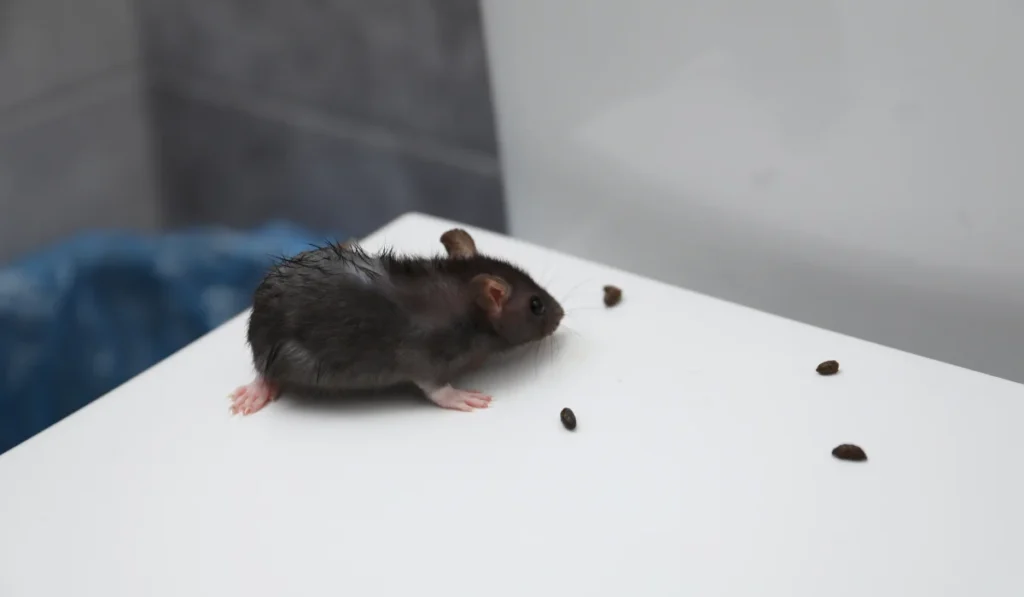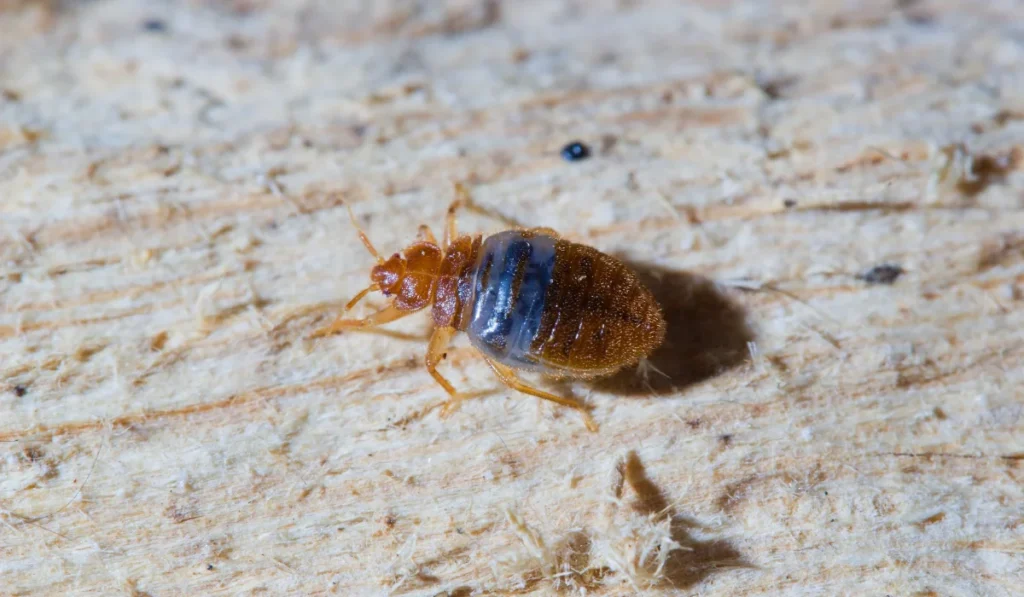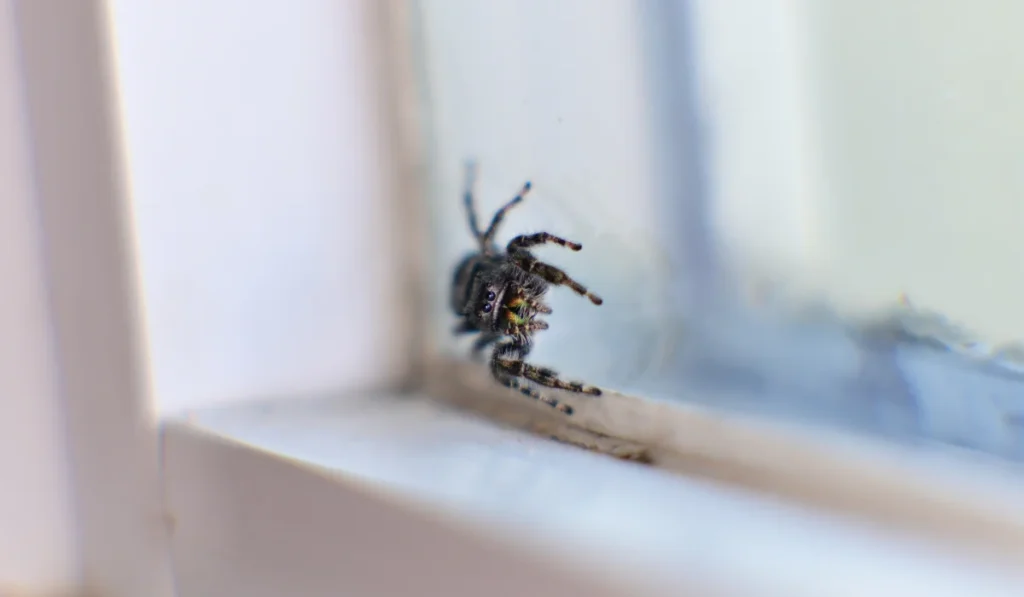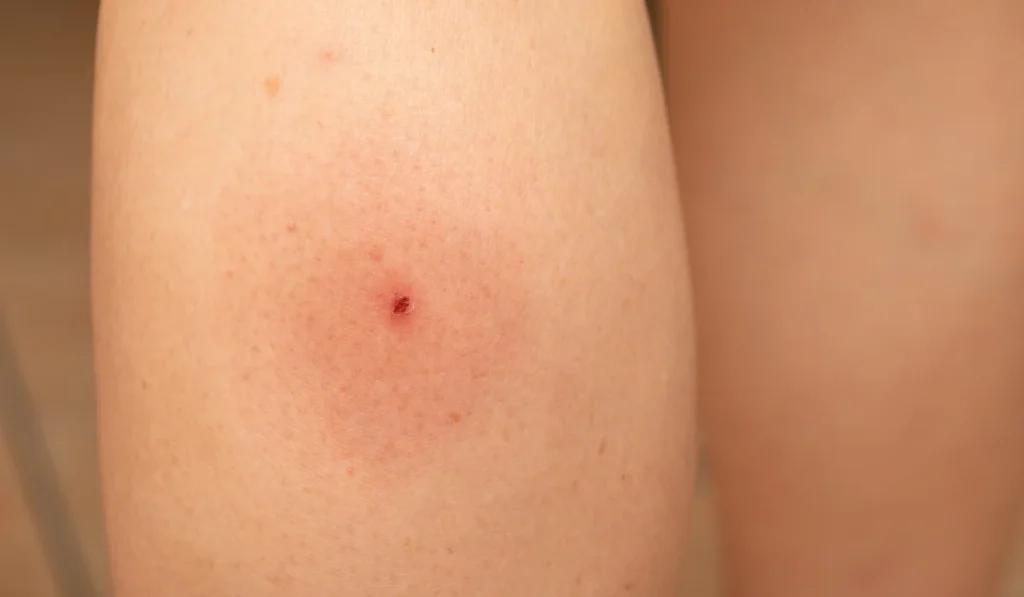


If you have wondered whether Norway rats live in Madison County, the answer is yes. Many homeowners search for a rat exterminator in Huntsville, AL, when they start to see signs of activity. It often begins with scratching on the walls or droppings near a crawl space.
Norway rats settle wherever they can find shelter and food, and Huntsville’s older neighborhoods, basements, and changing weather give them many chances to move in.
Norway rats have become a bigger problem in northern Alabama. Their size, chewing habits, and fast breeding make them more than a small pest problem. They can damage wires, contaminate stored food, and spread health risks.
Huntsville residents also see other animals, such as roof rats, house mice, and opossums, which can make a rodent problem harder to solve without effective pest or wildlife control.
In this guide, you will learn when Norway rats show up in Huntsville, where they hide, and what causes sudden jumps in activity. You will also learn how local conditions affect other rodents like gophers and house mice, and see the best rodent control steps for a Huntsville home.
Key Takeaways
- Norway rats live in Huntsville and remain active year-round.
- Season changes in temperature and moisture shape their movement.
- Common hiding spots include crawl spaces, basements, sewers, woodpiles, and sheds.
- Sudden weather changes and fresh food sources can cause infestations.
- Early rodent removal helps protect your home from long-term damage.
Video: How to Identify What Type of Rat You Have
This video shows how to identify the rat species that may show up around your home. It highlights the traits that distinguish Norway rats from roof rats and marsh rice rats. With clear visuals, you can confirm what you see and choose the right plan to protect your Huntsville home.
Are There Norway Rats in Huntsville, AL, Throughout the Year?
Yes, Norway rats are active year-round in Huntsville. Northern Alabama has mild winters and steady rain, which support indoor and outdoor nesting. While their activity changes with the seasons, Norway rats rarely leave an area, especially around older or damp homes.
Season changes affect how close rats come to Huntsville homes. When outdoor conditions change or new food shows up, rats move fast to take advantage. If you see droppings or gnaw marks, it often means a rodent problem is starting and may need pest control or rodent removal.
Norway rats move quickly once they find shelter, and small gaps can turn into a bigger rodent problem before you notice it.
We offer a full rodent control service for Huntsville homes. Our team can inspect your Huntsville home, identify entry points, and develop a rodent control plan to stop activity and prevent rats from returning.
Seasonal breakdown of Norway rat activity in Huntsville
- Winter: Rats move indoors and settle in basements, crawl spaces, and insulation.
- Spring: Activity rises as rats look for new feeding spots around the home.
- Summer: More outdoor food sources attract rats to gardens, trash bins, and woodpiles.
- Fall: Rats search for winter shelter, making this a busy time for Huntsville homeowners.
How the Climate in Huntsville Affects Year-Round Survivability of Norway Rats
Huntsville has humid weather and mild winters, which help Norway rats survive outdoors longer. Even during cold snaps, most rats seek out warm structures rather than staying outside. Homes with aging foundations or open entry points face higher risks during weather changes.
Indoor vs Outdoor Survival Patterns Depending on Season
Indoors, rats depend on stored items, insulation, and appliances for shelter. In Nashville, one sign of Norway rats is dark rub marks on walls and baseboards, and homeowners in Huntsville can see the same markings when activity increases indoors.
Outdoors, they burrow under sheds, foundations, and leaf piles. Heavy rain softens the soil, making tunneling easier and bringing rats closer to the home’s foundation.
Types of Rats Found in Huntsville:
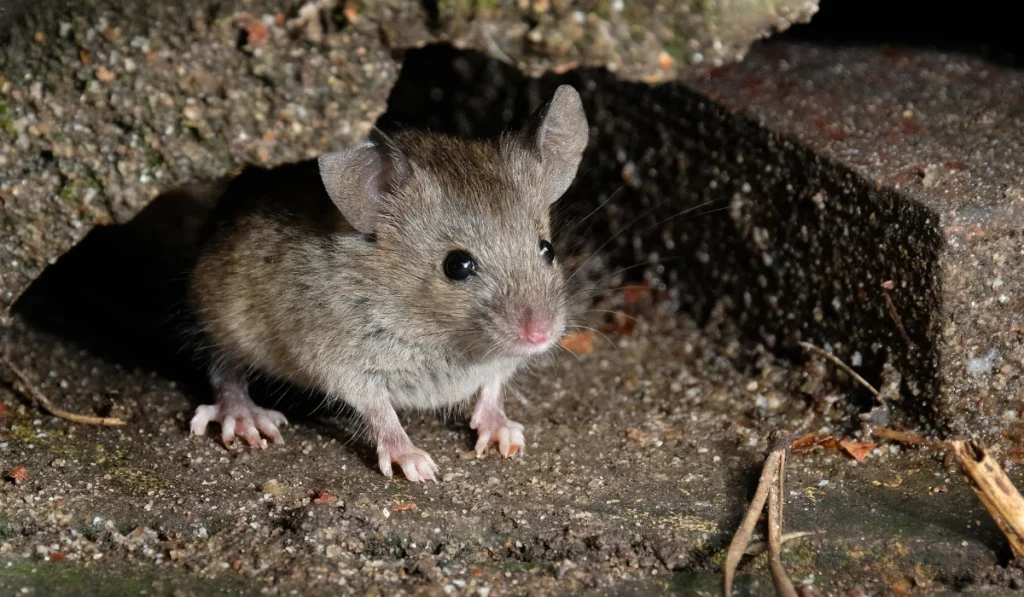
Huntsville homes can face more than one rodent species, and each behaves differently. The City of Huntsville notes that Norway rats stay low to the ground, burrow along foundations, and settle near crawl spaces.
Roof rats climb into attics and trees and use branches and utility lines to get inside. House mice slip through tiny openings and stay close to kitchens and storage rooms.
Rats often move deeper into nests, soil, or wall spaces when food or weather conditions change. Even if sightings drop, the rats stay nearby and can return quickly.
Since each species nests in different places, our team can identify the rodent and build a targeted plan to stop activity and prevent future problems.
Where Do Norway Rats Live in Huntsville, AL? (Habitats + Hiding Spots)
In Huntsville, Norway rats settle wherever they can find moisture, shelter, and food. Their hiding spots change with the season and the layout of each home.
Indoor Habitats
Common indoor spots include attics, crawl spaces, wall spaces, basements, and kitchens. Huntsville homes near wooded areas or drainage ditches often show early signs of rodent activity, such as near utility lines or pet food storage spots.
Outdoor Habitats
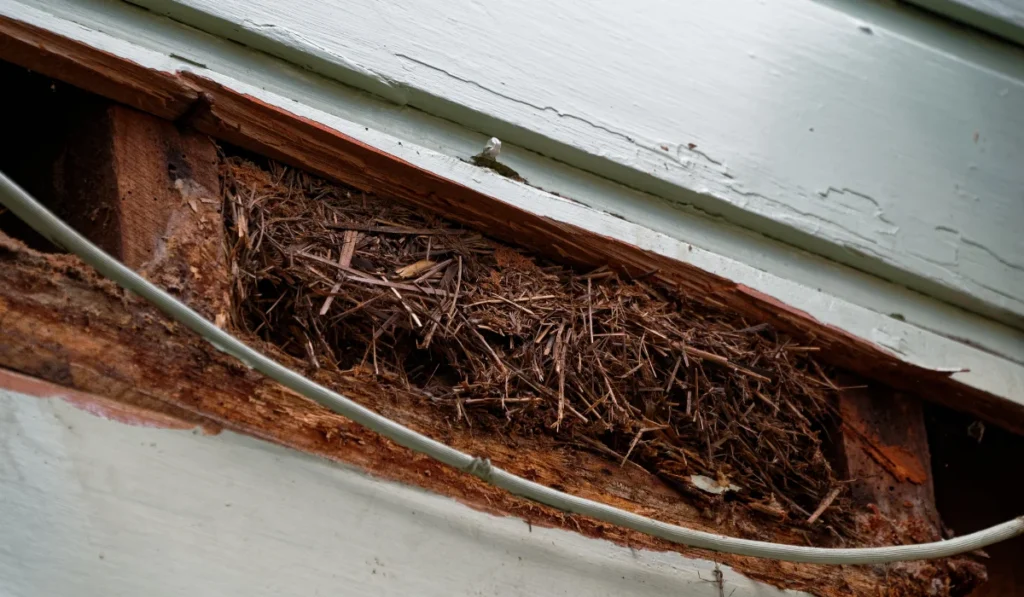
Rats burrow under sheds, woodpiles, leaf piles, and loose soil around foundations. Shaded areas in older Huntsville neighborhoods create cool, damp spots where rats can nest all year. If you see tunnel openings or loose soil, it may be time for removal services.
Differences in Habitat Choice Across Species
Norway rats stay close to the ground. Roof rats climb and settle in higher areas of a home. House mice choose the nearest food source and often move between kitchens and storage rooms. Knowing these differences helps our team target each rodent group more effectively.
Microclimate differences in Huntsville
Shaded lots, damp landscaping, and older drainage systems create small pockets of warm, moist air that support nesting. After heavy rain, these areas become even more attractive and can lead to more signs of rodent activity around the home.
What Local Triggers Cause Norway Rat Problems in Huntsville, AL?
Local Norway rat problems often start when sudden changes in weather or food push rats toward homes. Rainstorms can flood burrows, and cold fronts can increase indoor nesting. Construction across Madison County disrupts the soil and sends rats in search of a new shelter.
Trash buildup, leaf piles, and outdoor pet food give rats steady food sources. Homes near sewers or drainage lines can also see more rat activity after storms. Early rodent removal can stop a small problem from turning into a full infestation.
Are Norway Rats Dangerous in Huntsville, AL?
Norway rats spread diseases such as salmonella and hantavirus. They contaminate food storage, leave feces in hidden spaces, and chew wiring, creating fire hazards. If left untreated, the rodent infestation can grow quickly, especially during seasonal weather shifts in Alabama.
If you want to get rid of rodents like Norway rats, seal entry points, reduce moisture, and eliminate outdoor food sources. DIY traps may catch individual rats, but long-term rodent removal usually requires a trained exterminator familiar with Huntsville homes and seasonal activity.
Making the Right Norway Rat Control Choice for Your Huntsville Home
Norway rats can spread quickly once they find safe shelter, which makes fast action important for Huntsville homeowners. A clear plan and steady follow-up help stop new activity and keep your home protected.
At Waynes Pest Control, we offer rodent solutions shaped for local homes and neighborhoods.
If you need help with a rat problem or want to prevent one, contact us today or request a free quote.
FAQs
Are Norway rats active in Huntsville, AL, year-round?
Yes. Norway rats remain active year-round. Weather shifts, changes in moisture, and outdoor food sources influence their movement. Increased sightings may require rodent removal or wildlife control.
What signs show that Norway rats are in my Huntsville home?
Look for rat droppings, gnaw marks, scratching noises, or damaged entry points. These signs of rodent activity appear most often in crawl spaces, basements, and kitchens.
Does the weather in Huntsville affect rat infestations?
Yes. Rain, humidity changes, and cold weather push rats indoors. Homes near wooded areas or drainage lines may also see gophers or opossums after storms, increasing the need for pest control services.