

When temperatures drop along the Gulf Coast, rodents seek warm shelter in attics and crawl spaces throughout Mobile County. Roof rats stay active year-round. Trees and utility lines give them fast roof access. If you live in Mobile, Daphne, Fairhope, or Foley, keep roof rats on your radar.
Mice and rats can spread hantavirus, salmonella, and leptospirosis. They chew insulation, ducts, and electrical wires, and raid your pantry. If you wait, a few rodents can become a costly infestation.
In this guide, you will learn why the coast attracts rats, how to spot attic and crawlspace clues, how roof rats differ from Norway rats and house mice, and which prevention steps work. We will also cover simple exclusion tips and when to call a local pro for wildlife removal and rodent control in Mobile, AL.
Key Takeaways
- Coastal trees and power lines provide rats with easy access to roofs in Mobile County.
- Look for droppings, gnaw marks, rub smears, and chewed wires to confirm activity.
- Seal entry points, store pet food in airtight containers, and trim limbs away from the roof.
- Pair wildlife removal with exclusion and year-round monitoring for lasting results.
Why Roof Rats In Mobile, AL Are A Coastal Issue
The Gulf Coast’s warm, humid climate is well-suited for roof rats. They run along fences and cables, climb trees and lines to reach eaves, soffits, and vents, then nest in attic insulation.
Homes from Midtown to West Mobile and along the Bay face year-round pressure and fast breeding, which leads to infestations.
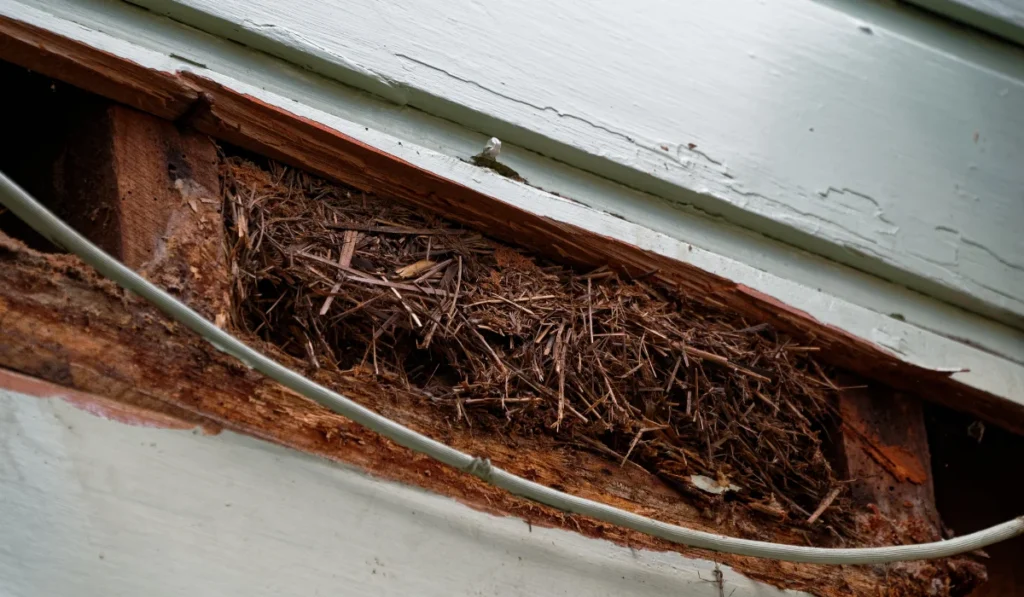
Open trash, fallen fruit, and pet food on porches attract roof rats. Wet or termite-damaged wood can turn soft spots into entry points for pests.
Mobile homes and raised houses are at higher risk of roof rat infestations because they have more gaps around pipes and roof returns. If you live near Daphne, Fairhope, or Foley, and have a tree with branches near your roof, your home is also at risk of roof rat invasion.
Common Coastal Attractants
Birdseed, citrus, fallen acorns, and pet bowls on decks attract roof rats. Tighten your routine to stop rodents before they move in. If activity continues, pair clean-up with professional Alabama wildlife removal and exclusion.
Attic And Crawlspace Clues You Can Check
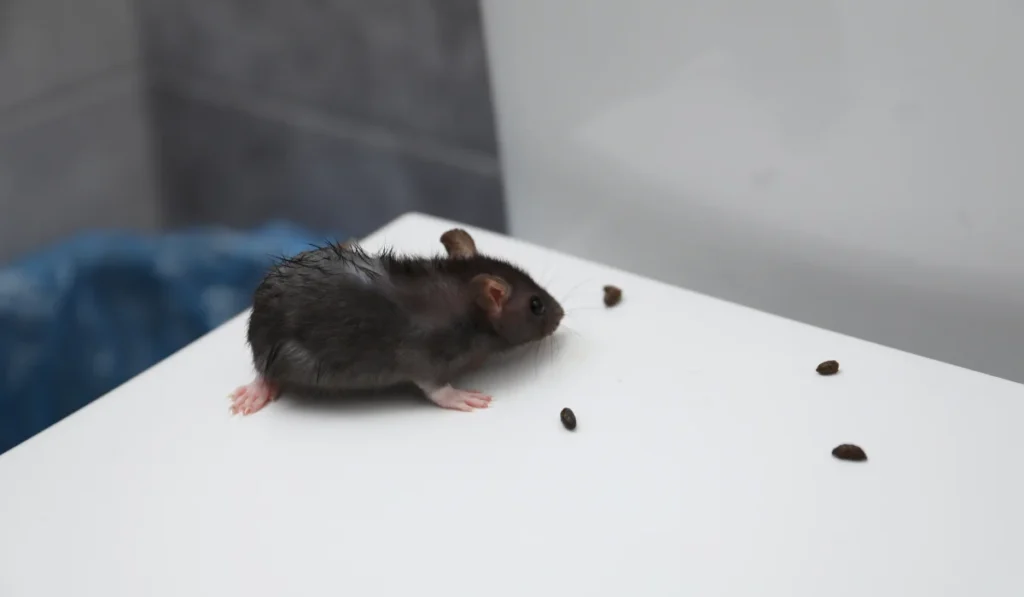
The clearest sign is droppings. Roof rat droppings are dark with pointed ends. Fresh ones look moist. Older pellets look gray and crumbly.
In the crawl space, inspect the sill plates and plumbing cutouts for signs of rub marks and gnawing. Chewed wires, shredded insulation, or small nests mean you likely need rat control.
Listen at night. Light, quick steps in the ceiling suggest roof rats. Heavy thumps may be raccoons or opossums. Note missing pet food and bags with small holes.
Keep a seven-day log of signs. Your log helps professionals identify entry points and busy paths faster while you plan how to get rid of rodents for good.
Where To Look First
Start at the attic hatches, around the air conditioning (A/C) lines, and near the ridge or gable vents. In the crawlspace, look at corners, vents, and any low gaps along the foundation.
Health And Property Risks For Mobile County Homes
Rodents spread germs as they move. According to the NIH, rodents can harbor pathogens, and their urine and feces can contaminate surfaces. Roof rats often bring fleas into the attic, which can spread through the home if left alone. If this happens, Waynes Pest Control offers flea pest control in Alabama.
While hantavirus is most often linked to deer mice, treat all rodent messes with care to protect your home from rodents and Hantavirus. Do not sweep droppings. Call a pro who can guide you through cleanup and wildlife removal safely.
Chewing causes real damage. Rats gnaw on electrical wires, flexible ducts, and stored items. They pull insulation for nesting, which raises energy bills.
Outdoors, other pests add stress. Fire ants bite bare feet in the yard, and standing water attracts mosquitoes, which is why many families pair Alabama mosquito control with rodent control. If you have termite activity or past termite damage, fix it soon. Repairing wood and sealing gaps removes easy entry points.
Safety First During Clean Up
Wear a mask, avoid dry sweeping, and do not handle dead rodents with your bare hands. Let trained teams manage removal, sanitation, and exclusion.
Roof Rats Vs Norway Rat And House Mice In Alabama
Roof rats climb and nest high. Norway rats, often referred to as brown rats, prefer ground burrows along fence lines, under sheds, and near the edges of crawlspaces. The Norway rat is larger and leaves bigger tooth marks.
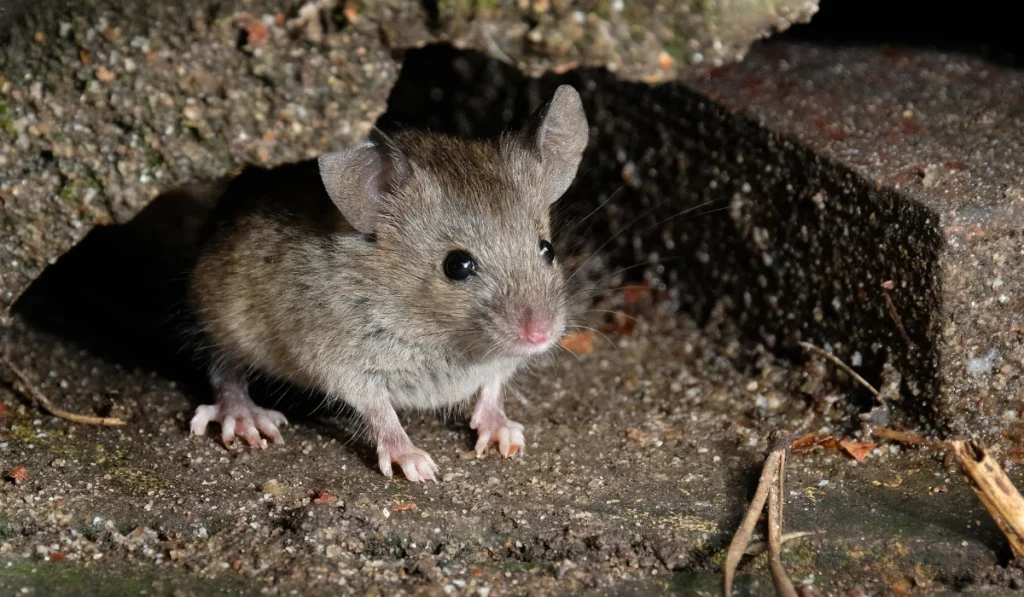
House mice are smaller and tend to stay close to kitchens and pantries. Knowing the species helps your team plan the proper rodent control and wildlife removal steps for your home in Alabama.
Reproduction adds up fast. Roof rats can have several litters each year, so a small rodent problem can quickly escalate into a full-blown rodent infestation in just one season.
That is why year-round monitoring matters. If you manage rentals in Mobile County or Baldwin County, routine checks in Daphne and Foley keep costs down and issues small.
Quick ID Tips
Light, overhead sounds, and tracks suggest the presence of roof rats. Ground burrows and large gnaw marks indicate the presence of Norway rats. Tiny, rice-sized droppings often indicate the presence of house mice.
Prevention That Works: Exclusion And Rodent Control Steps
At Waynes Pest Control, we locate entry points and attractants, remove animals, and complete the exclusion process to ensure a pest-free environment. We seal roof returns, ridge and gable vents, soffit gaps, and small openings around A/C or plumbing lines to block entry and prevent new rats from entering.
Sealing is the key to long-term results. It pairs well with focused rat control and wildlife removal.
Keep pet food indoors or in sealed containers to prevent contamination. Pick up fallen fruit, clean grill trays, and use lidded trash bins. Store pantry items in sealed tubs. Trim branches 6 to 8 feet from the roof. Fix leaks and schedule termite inspections if wood comes into contact with soil.
Many Mobile County families combine pest control and wildlife removal in one plan to keep visits simple and coverage strong.
Sanitation And Damage Repair
Ask about odor control, attic cleaning, and repair after removal. Replace soiled insulation and fix duct or wire damage to restore comfort and help prevent future entry.
When To Call Wildlife Removal Pros In Mobile County
Call for pest control services as soon as you see droppings, gnaw marks, rub smears, or hear night activity. A licensed exterminator will confirm the species and then set a plan that combines rat control, trapping, and exclusion.
At Waynes Pest Control, we serve homeowners throughout Alabama, including those in Mobile, Daphne, and Foley. We offer year-round plans that include wildlife removal inspections, rodent monitoring, and general pest control services.
Need termite protection or mosquito control at the same time? You can create your own EnviroPest Bundle to protect your home from multiple pests at once.
What To Have Ready
Bring your seven-day log, photos of droppings, spots with chewed wires, and notes about bait or pet food. These details speed up inspection and repairs.
Making The Right Call For Mobile Homeowners
Roof rats thrive along the coast, but you can stop them. Watch for droppings, night sounds, and chewed wires. Seal entry points, store pet food in sealed containers, trim trees, and schedule regular termite checks. Act fast when you see signs.
At Waynes Pest Control, we can help with wildlife removal, exclusion, and long-lasting rodent control.
Contact us today to schedule a free inspection. Our team can set a year-round plan to protect your home with caring service and precise results.
FAQs
How Do I Tell Roof Rats From Norway Rats In My Attic?
Roof rats move and nest high, leave pointed droppings on rafters, and run along wires. Norway rats, also called brown rats, prefer burrows in the ground near sheds, fences, and crawl spaces. A pro can confirm the species and plan the proper rat control and exclusion.
Are Roof Rats Dangerous to My Family And Pets?
Yes. Rodents can carry pathogens, and their urine and feces contaminate surfaces. They also bring fleas and chew on electrical wires. Avoid sweeping droppings. Call a professional for wildlife removal, safe clean up, and sealing to block entryways.
What Prevention Steps Work Best On The Gulf Coast?
Seal entry points, store pet food in airtight containers, trim branches away from the roof, and keep trash tight. Pair these steps with wildlife removal, exclusion, and year-round monitoring. Add termite checks and basic pest control to cover other risks around the home.