Skip to content


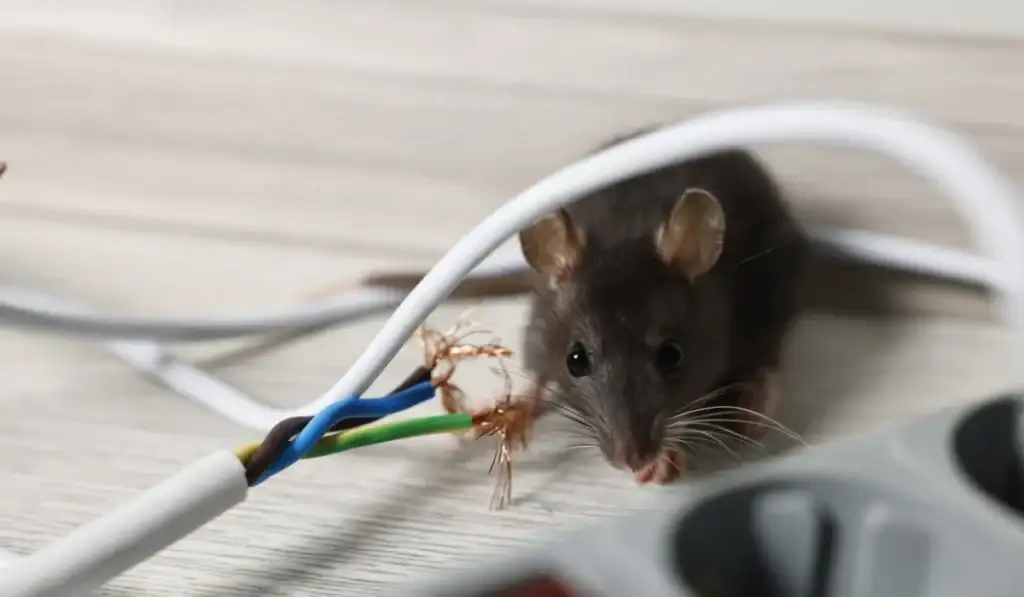
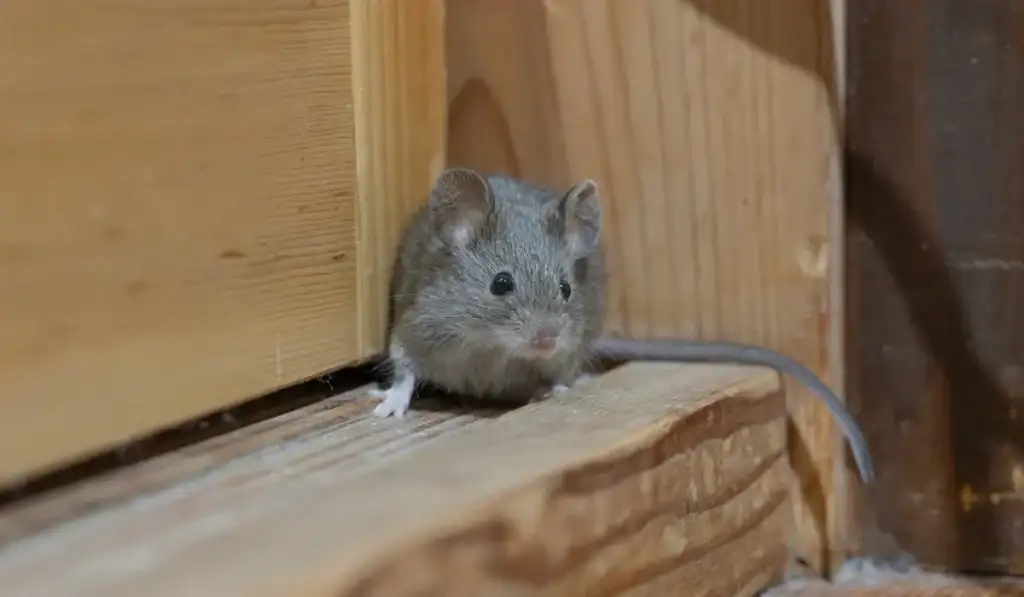
Rodent damage to wires in Huntsville is a common problem for homeowners, tenants, and business owners. As rodents enter homes in search of food and shelter, they often target electrical wires in walls, attics, and garages.
Many homeowners look into rodent control in Huntsville before small issues turn into serious electrical problems, such as flickering lights, power outages, or electrical fires.
Rodents chew constantly to control their incisors, so your home’s wiring becomes an easy target. Rodent activity can lead to expensive and dangerous damage. Acting early helps reduce costly repairs and protects your electrical system.
Key Takeaways
- Rodents chew on wires to wear down their incisors, creating a serious fire hazard.
- Chewed wires and exposed wires can cause short circuits and power outages.
- Attics, crawl spaces, garages, and car wires are common areas for damage.
- Droppings, gnaw marks, and flickering lights signal rodent activity.
What Rodent Damage to Wires Looks Like
Rodent damage to wires can go unnoticed, making it hard to catch early. When rodents chew wires, they strip away the wire insulation and expose the metal inside. Exposed wires can disrupt your electrical system and create a fire hazard.
In Huntsville homes, this damage is often found during regular inspections or after electrical problems start. Recognizing these signs helps homeowners spot rodent activity before it leads to electrical fires or costly repairs.
Frayed or Chewed Wire Insulation
Frayed or chewed wires are clear signs of rodent damage. Repeated chewing leaves rough edges and exposes wires. Exposed wires reduce safety and increase the risk of short circuits.
Once wire insulation is damaged, contact or load issues can raise the risk of overheating, especially in attics or crawl spaces.
Visible Bite Marks and Gnaw Marks
Bite marks and gnaw marks often appear along damaged wires, usually in clusters where rodents are active.
You may also find droppings or nesting material nearby, which are strong signs of rodent activity.
Burn Marks and Electrical Issues
Severe rodent damage can leave burn marks on wires or outlets, which means the home’s wiring may be damaged. You may notice flickering lights, malfunctioning outlets, or power outages.
These signs may point to electrical problems that need to be checked by an electrician and a pest control professional.
Where Rodents Commonly Gnaw Wires
Rodents focus on areas that offer shelter, access, and food. Knowing where rodents chew wires helps homeowners find problems sooner.
Attics and Crawl Spaces
Attics and crawl spaces are common areas for rodent infestations because they are quiet and undisturbed. These spaces often have exposed wires and insulation used for nesting.
Garages and Storage Areas
Garages often provide rodents with easy entry points and access to food, such as pet food and stored items. Clutter and boxes can support nesting over time.
Electrical wires along garage walls or ceilings may be damaged, especially in detached garages.
Inside Walls and Basements
Rodents move through wall spaces and basements by following plumbing lines and your home’s wiring. This movement can cause hidden rodent damage.
Car Wires and Engine Compartments
Car wires are also at risk, especially when vehicles sit in garages or driveways. Rodents may nest in engine compartments or nearby areas.
Damage to car wiring can quickly lead to warning lights, electrical problems, and costly repairs.
How to Tell if the Damage Is Recent
Knowing if rodent damage is recent helps guide your next steps. Signs of rodent activity can show if rodents are still active.
Fresh Droppings and Debris
Fresh droppings are dark and moist, while older droppings appear dry and crumbly. Finding fresh droppings near wires or nesting material indicates active rodents and should be addressed promptly.
Clean Chew Marks and Exposed Wires
New chew marks are lighter and smoother. Newly exposed wires look shiny, while older damage looks dull or dusty.
New Electrical Problems
Recent rodent damage may cause sudden electrical problems. Flickering lights, power outages, and malfunctioning systems can happen when rodents chew wires behind walls or ceilings.
In these cases, an electrician and a pest control professional should inspect the property to prevent more issues.
Schedule a Rodent Inspection in Huntsville
Rodent damage is a serious problem. It creates real safety risks, including electrical fires, house fires, and long-term damage to your electrical system. The longer rodents stay active, the worse the damage becomes.
Waynes Pest Control focuses on identifying entry points, signs of rodent activity, and the full extent of damaged wires. Technicians use exclusion methods and preventive measures to reduce rodent entry and limit future activity.
If you have a rodent problem in Huntsville, early action helps.
Contact us to schedule your rodent inspection and protect your home or business from ongoing rodent damage.
FAQs
Can rodent damage to wires cause electrical fires?
Yes, rodent damage can create a serious fire hazard. When rodents chew on electrical wires, they expose live wiring. Exposed live wires can spark and cause electrical fires in walls or attics.
Why do rodents chew wires?
Rodents chew wires to control the growth of their incisors. Their teeth keep growing, so they gnaw on materials like wire insulation to keep them short.
What should I do if I find chewed wires?
If you find chewed wires, contact an electrician to assess the damage and a pest control professional to address the rodent infestation. Fixing both issues helps prevent future problems.