Skip to content



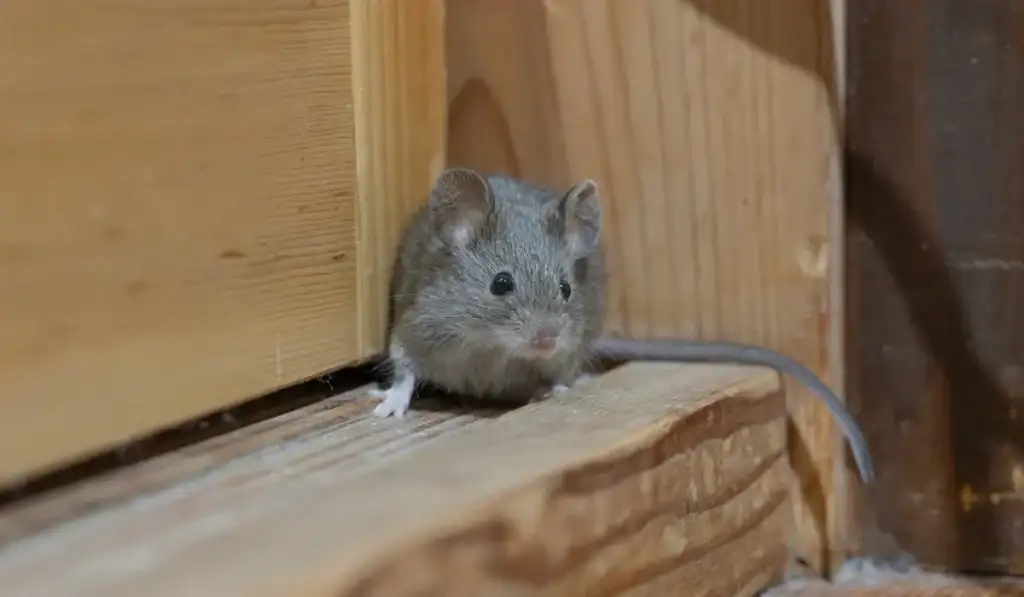
Hearing noises in the attic at night can be unsettling, especially when they seem to move across your ceiling. Many homeowners first notice a rat infestation by sound before they ever see the animal. In Mobile, warm weather and easy roofline access make attics a common entry point for rodents.
Knowing what rat sounds mean can help you act quickly. This guide explains common sounds, when they occur, and how rodent control professionals in Mobile confirm whether you are dealing with rats or other critters.
Key Takeaways:
- Scratching, scurrying, and squeaking are common signs of a rat infestation in the attic.
- Most rat sounds happen at night and early morning when rodents are most active.
- Pest control professionals look for droppings, gnaw marks, and entry points.
- Similar sounds can come from a raccoon, birds, or other wildlife, so proper identification matters.
What Rats in the Attic Sound Like
Attic noises can point to specific behaviors. Identifying the sound helps pest control technicians assess the severity of the infestation.
Scratching Noises
Scratching sounds are often early signs of rats in walls or attics. They happen when rats move through insulation, across joists, or into nesting areas. You may hear these sounds near drywall, baseboards, or inside walls. The noise can travel and seem to move through the home.
Scurrying and Scampering
Scurrying and scampering sound like quick, light footsteps across the ceiling, often in short bursts as rats move between food sources and nesting material.
Roof rats are strong climbers. They move along the roofline, rafters, and joists, often faster and lighter than larger critters like raccoons.
Gnawing Sounds
Gnawing sounds happen because rats constantly chew to wear down their teeth. You may hear this near drywall, inside walls, or around electrical wiring. This gnawing can damage materials and create a fire hazard, so rodent control is recommended when you hear these sounds.
Squeaking and Vocalizations
Rats communicate through squeaking noises and other vocalizations. These are often high-pitched and heard when multiple rats share a nesting area. Frequent squeaking or chirping often means active nests, especially in tight voids or insulation.
When Attic Rat Sounds Happen Most
The timing of attic noises can help confirm if you are dealing with rats or other wildlife. Pest control technicians consider the type of sound and when it happens.
Nighttime Activity
Most rat sounds happen at night because rats are nocturnal. They become active after sunset and leave their nests to search for food. Homeowners are most likely to hear movement in the attic and inside walls during this time.
Early Morning Movement
Early morning is another common time for attic noises, as rats return to nesting areas before daylight. This return to nesting areas often leads to scurrying and scratching noises just before sunrise.
Quiet Daytime Periods
During the day, rat activity slows down, but you may still hear occasional noises. Frequent daytime activity can mean a larger or more crowded infestation.
How to Tell Rats From Other Attic Noises
Rats do not cause all attic noises. Identifying the source helps choose the right pest control or wildlife removal approach.
Rats vs. Raccoon Noise
A raccoon makes louder, heavier noises than rats, often described as thumping or dragging across the ceiling. Raccoons may also be active during the day and disturb insulation or nesting material near entry points.
Birds and Chirping Sounds
Birds make chirping sounds instead of scratching noises. You will hear them near soffits, vents, or eaves where they nest. Their movement is less constant than that of rodents.
Squirrels and Gnawing Activity
Squirrels are active during the day and often make louder gnawing sounds than rats. They also create larger entry points around shingles and soffits, which helps set them apart from smaller rodents.
Signs Beyond Sound
Pest control professionals also check for rat droppings, gnaw marks, and nesting material in attics, crawl spaces, and basements. These signs, especially near food sources or burrows, help confirm a rat infestation and guide rodent control.
Schedule a Rat Inspection in Mobile
If you hear consistent noises from the attic, you should act quickly. A rodent problem will not go away without fixing entry points and removing nesting material. Waiting allows the infestation to grow and increases health risks, such as hantavirus.
Waynes Pest Control focuses on finding and fixing rodent problems. Technicians inspect common entry points along the roofline, soffits, and eaves, as well as areas such as crawl spaces and interior walls. They also check for droppings, gnaw marks, and damaged insulation to understand the full extent of the infestation.
DIY traps with peanut butter may catch a few rats, but they do not fix the root cause of a rodent infestation. Without sealing entry points and removing nests, new rodents will continue to enter the home.
If you suspect a rat infestation, contact us for expert help.
Our team provides residential rodent pest control services throughout Mobile and the surrounding service areas.
FAQs
What do rats in the attic sound like?
Rats make scratching, scurrying, squeaking, and gnawing sounds. These sounds often happen at night as rats move along joists, inside walls, and across insulation to find food.
Do rats always cause attic noises?
No, attic noises can also come from a raccoon, birds, squirrels, or other wildlife. Pest control professionals confirm the source by checking droppings, entry points, and damage.
When should you call an exterminator for attic noises?
You should contact an exterminator if you regularly hear noises in the attic, especially at night or early in the morning. Frequent sounds, along with droppings or gnaw marks, often indicate a rodent problem that requires professional rodent control.