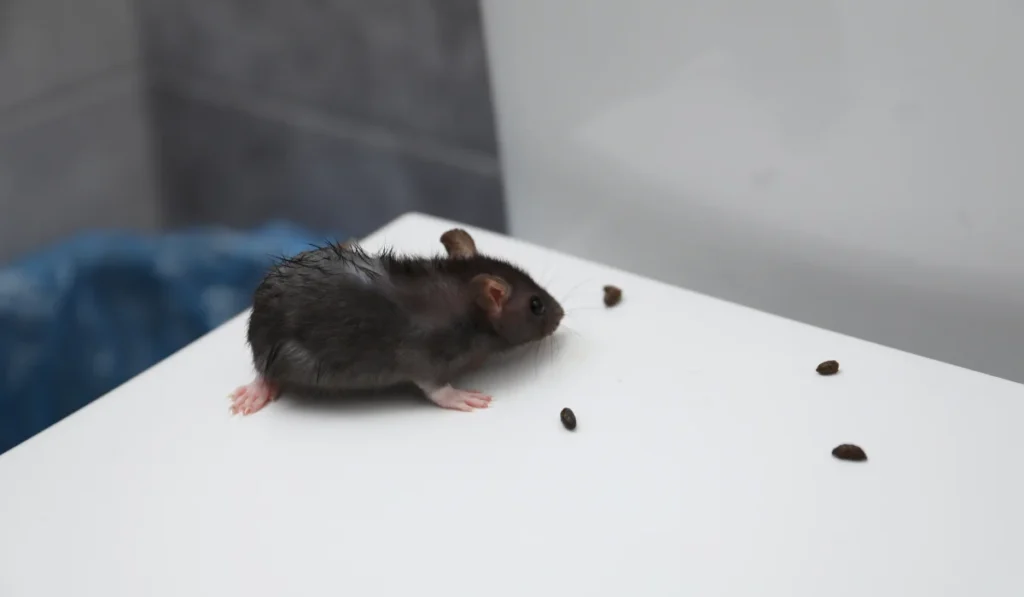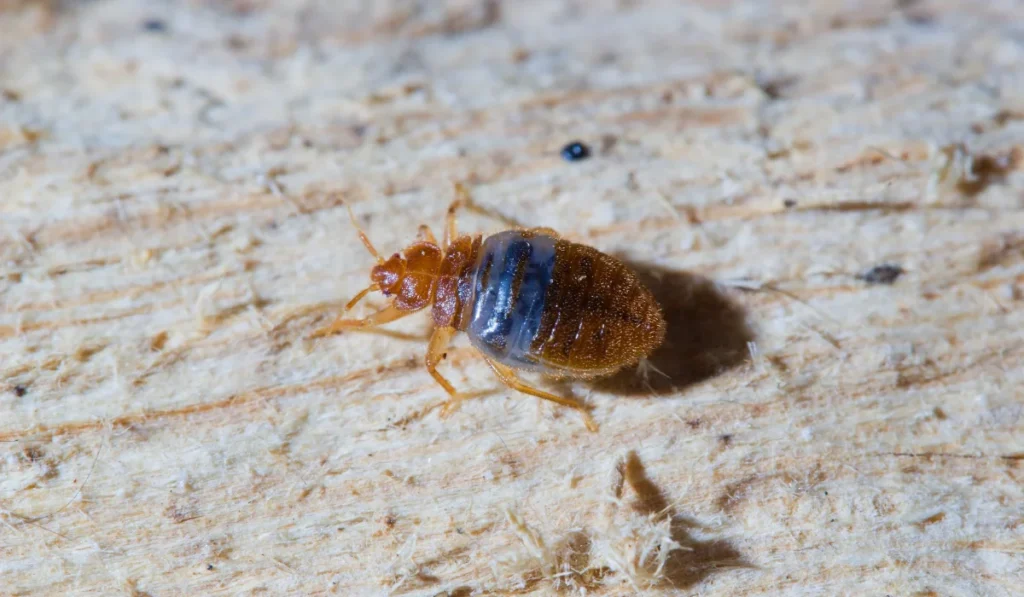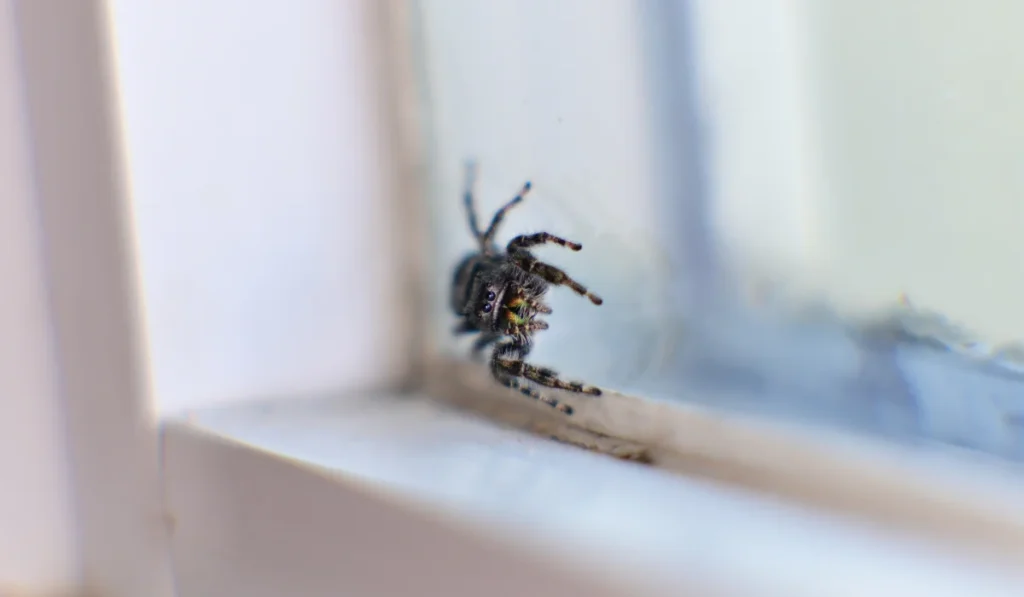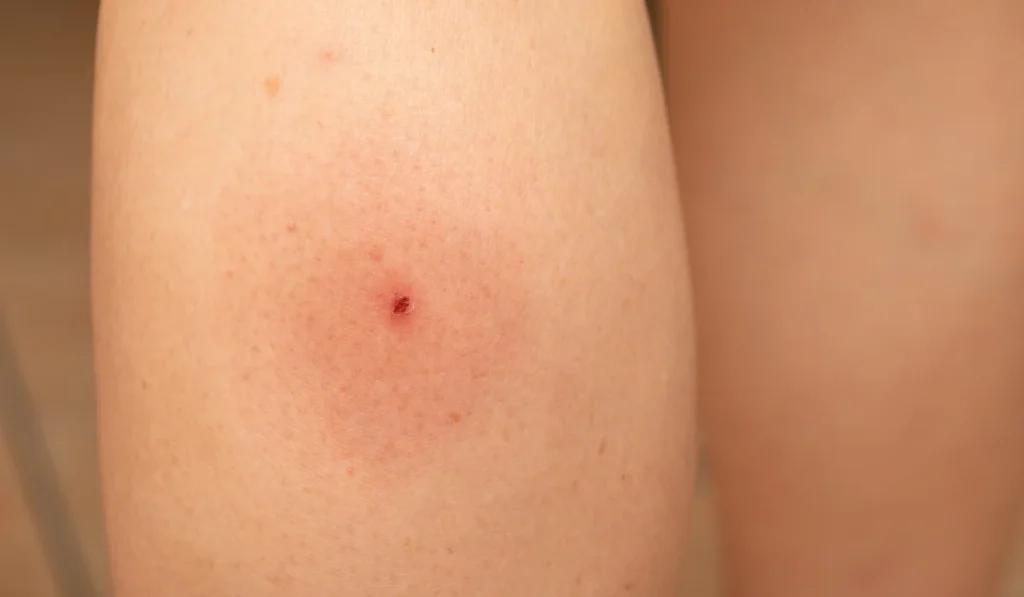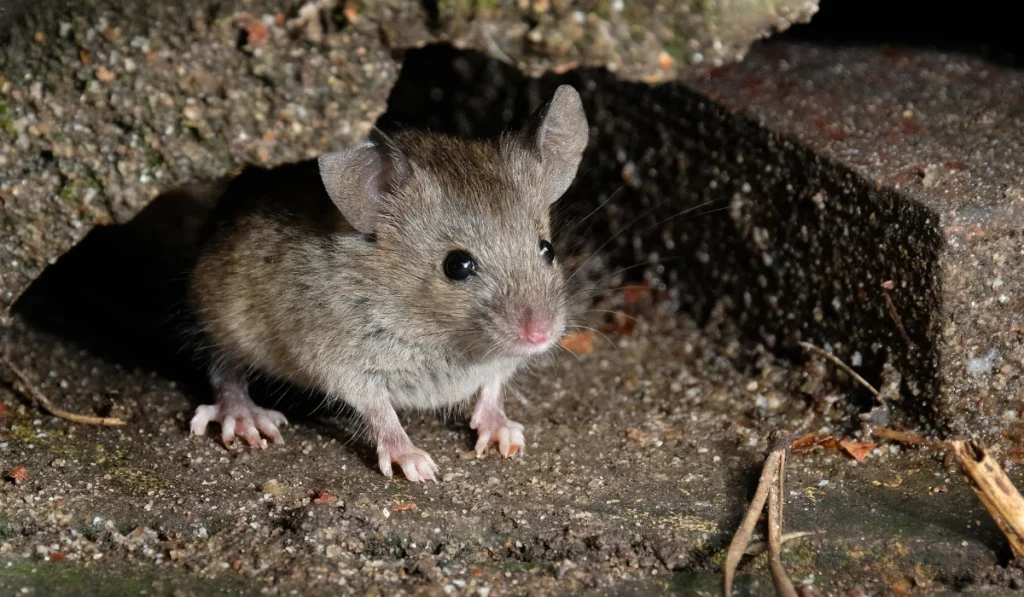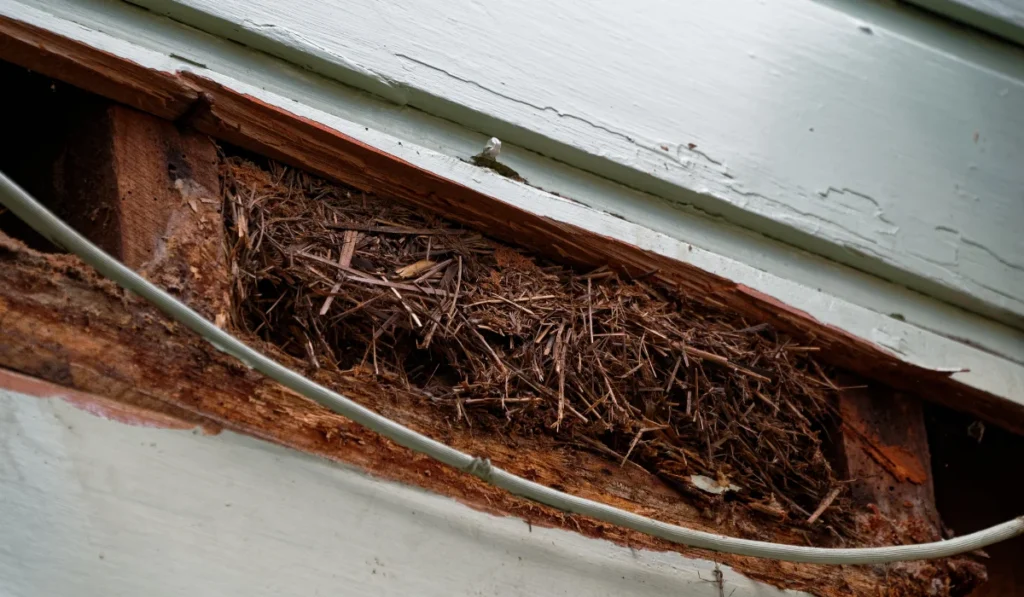

As temperatures drop, rodents begin searching for warmth, food, and shelter — and your home may look like the perfect place to settle in.
Mice and rats can spread harmful diseases like hantavirus, salmonella, and leptospirosis, posing serious health risks to your family and pets. They can also chew through insulation, wires, and food packaging — leading to costly repairs and unsafe conditions in your home.
Signs of Rodents in Your Home
Even if you don’t see rodents directly, there are a few signs that they may already be inside:
- Scratching noises in walls, ceilings, or attics
- Droppings near baseboards, food storage areas, or under sinks
- Gnaw marks on wires, furniture, or insulation
- Pet activity — cats or dogs reacting to movement you can’t see
If you’ve noticed any of these signs, it’s important to take action quickly. Rodents multiply fast, turning a small problem into a large infestation in just a few weeks.
Simple Steps to Prevent Rodent Infestations
You can reduce your risk of a rodent problem with a few proactive habits around your home:
- Seal Entry Points: Check for gaps around doors, windows, pipes, and the foundation. Even openings as small as a dime can let a mouse in.
- Keep Food Sealed: Store pantry items, pet food, and birdseed in airtight containers.
- Declutter Storage Areas: Rodents love hiding in boxes and cluttered corners — especially in attics, garages, and basements.
- Maintain Your Yard: Trim shrubs and trees away from your home, and keep firewood stored at least 20 feet from the house.
- Eliminate Moisture: Repair leaks and use dehumidifiers in damp areas, as water sources attract pests.
These steps make your home less inviting to rodents, but prevention works best when it’s paired with smart, continuous monitoring.
Stay One Step Ahead of Rodents
Don’t wait until you hear scratching in the walls. With the right prevention steps — and the technology of SMARTpest — you can keep rodents where they belong: outside.
👉 Schedule your free inspection today.