
Insights, Tips, and Tales

Brown Recluse vs Wolf Spider in Nashville

White mosquito silhouette with a dashed curved flight path on a green background

Brown Recluse vs Wolf Spider in Nashville

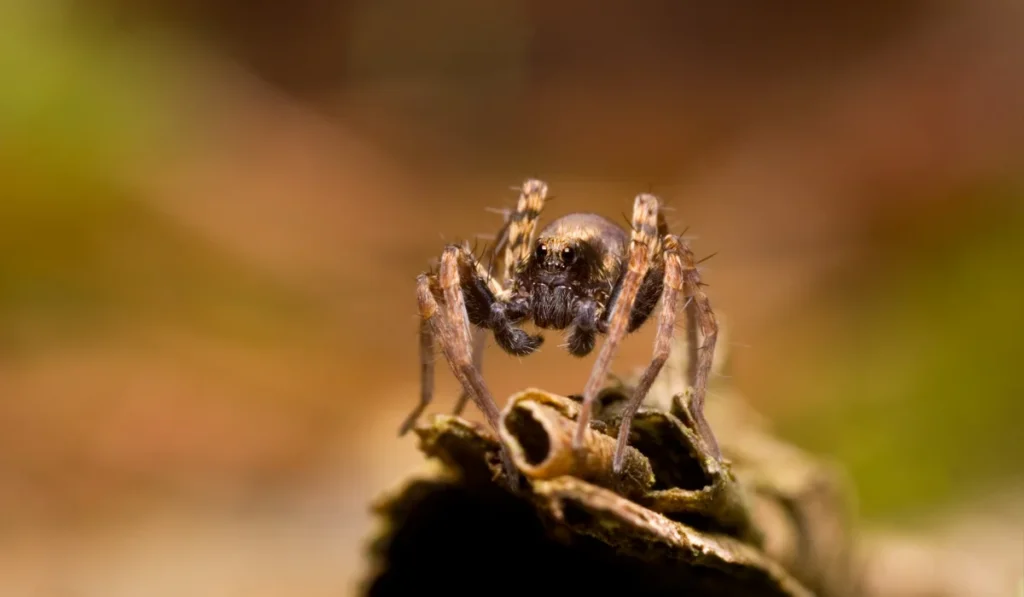
wolf spider If you spot a large spider in your home, it is normal to feel concerned. In Nashville, many homeowners ask about the difference between brown recluse spiders and wolf spiders. People often confuse these two types of spiders. Most concerns focus on one main difference. Brown recluse spiders are venomous, while wolf spiders are not considered medically significant in most cases. Still, wolf spiders look large, which often causes confusion. Understanding the difference between a wolf spider and a brown recluse helps you respond appropriately. Here is how to tell them apart and when to call pest control in Nashville, TN.

Key Takeaways

Field Guide · Nashville, TN

Brown recluse vs wolf spider

People often confuse these two. One is venomous, the other is not medically significant.

1
Brown Recluse Spider
Light brown, violin marking, six eyes
Venomous
IDLight to dark brown and smooth, with a violin-shaped marking and six eyes in pairs.
WhereQuiet areas like attics, basements, garages, and closets.
NoteBites can cause tissue damage in some cases. A medical professional should evaluate worsening symptoms.
2
Wolf Spider
Large, hairy, large eyes
Low concern
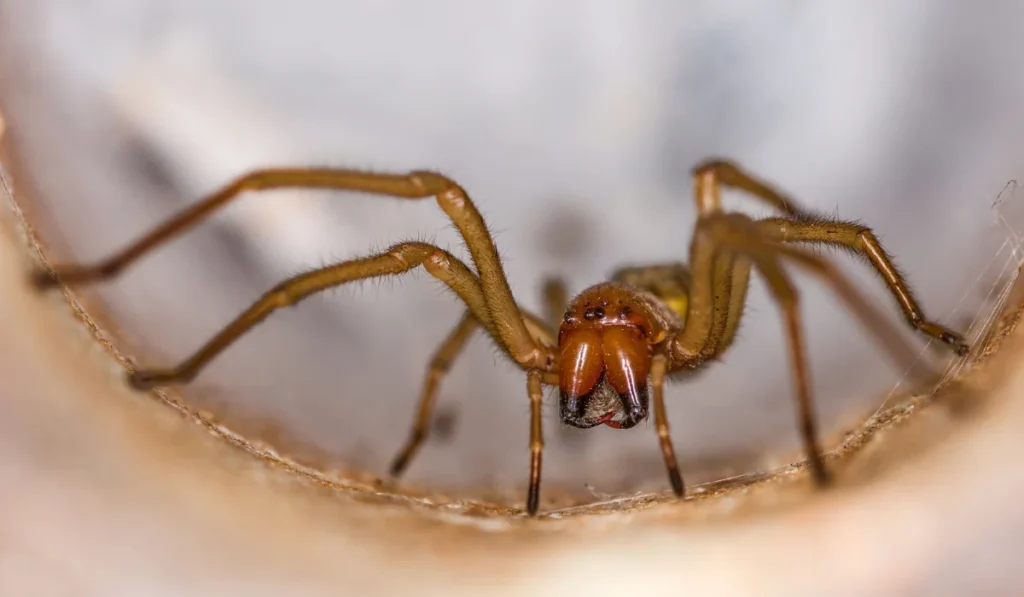
IDLarger, darker, and hairy with large eyes that reflect light and no violin marking.
WhereRunning across floors; enters from woodpiles, yards, or crawl spaces.
NoteBites are uncommon and usually mild. They chase insects rather than spin hunting webs.
Waynes has protected Southeast families for 50 years as an EPA Pesticide Environmental Stewardship member. Every little thing matters. A LOT.
  • Brown recluse spiders have a violin-shaped marking and six eyes.
  • Wolf spiders are larger, hairy, and have large eyes.
  • Wolf spider bites are typically mild, while brown recluse bites can be more serious in some cases.
  • Not every brown spider is a recluse.
  • Professional pest control helps confirm identification and manage spider issues.

Brown Recluse vs. Wolf Spider: Key Differences

There are clear differences between wolf spiders and brown recluse spiders. Knowing what to look for makes identification easier.

Body Shape and Markings

Brown recluse spiders are usually light brown to dark brown. They are known for a violin-shaped marking on their back. This violin shape points toward the rear of the spider. Wolf spiders do not have a violin-shaped marking. Instead, they have mixed patterns and stripes. Their bodies are often darker and covered with fine hair.

Eye Arrangement

One major difference in the wolf spider vs brown recluse debate is the eyes. Brown recluse spiders have six eyes arranged in pairs. Wolf spiders have large eyes. You can often see two large eyes in the front row. This feature helps tell the two species of spider apart.

Body Length and Build

Wolf spiders are usually larger and more robust. Their larger body length makes them look more threatening. Brown recluse spiders are smaller and slimmer. Even though they are smaller, they cause more concern because of brown recluse bites.

Web Behavior

Brown recluse spiders spin webs in quiet hiding spots. They use webs as shelter, not to catch prey. Wolf spiders do not spin webs to hunt. They actively chase insects like crickets. This hunting behavior is a key difference between wolf spiders and house spiders.

Side-by-Side ID Checklist

If you are not sure which spider you are seeing, use this simple checklist.

Color and Texture

Brown recluse spiders are usually light brown and smooth. Wolf spiders are darker, often dark brown, and have visible fine hairs.

Marking on the Back

Look for the violin shape. If you clearly see a violin-shaped marking along with the correct eye pattern, it may indicate a brown recluse, but a pest control professional should confirm the identification. If there is no clear marking and the spider has stripes or mixed coloring, it is likely a wolf spider.

Where You Found It

You will often find brown recluse spiders in attics, basements, garages, and closets. They prefer quiet areas. You may see wolf spiders running across floors. They may enter from woodpiles, yards, or crawl spaces.

Eye Size

Large eyes that reflect light often point to wolf spiders. Smaller, harder-to-see eyes may suggest brown recluse spiders.

Common Mix-Ups and False “Recluse” Signs

People often mistake many spiders for brown recluse spiders. Not every brown spider is a recluse, and understanding common spider myths vs facts can help homeowners avoid unnecessary panic.

Confusing Wolf Spiders With Recluses

The most common mistake is mixing up wolf spiders with brown recluse spiders. Because wolf spiders are large, people assume they are dangerous. Wolf spider bites are uncommon and usually mild. Brown recluse bites can cause tissue damage in some cases. A medical professional should evaluate any unusual or worsening symptoms.

Mistaking Other Brown Spiders

There are many types of spiders in North America. Some house spiders and other species of spider are light brown and harmless. If the spider lacks a violin-shaped marking, it is unlikely to be a recluse.

Bite Reactions Without a Spider

People often blame brown recluse bites for many skin issues. Other factors can cause symptoms such as blistering or skin irritation. True brown recluse bites are uncommon. In some cases, brown recluse bites can lead to necrosis or tissue damage, and a medical professional should evaluate any worsening symptoms.

When to Get Professional Confirmation

If you are unsure about a spider, a professional can confirm the species and remove guesswork.

Repeated Sightings Indoors

If you keep seeing spiders in basements, attics, or garages, there may be a developing spider problem. Multiple sightings could point to an infestation rather than a single spider.

Concern About Bites

If someone believes a venomous spider bit them and symptoms worsen, seek medical attention. At the same time, consider contacting pest control to inspect the area.

Mixed Pest Issues

Spiders often follow other pest issues. If you have crickets or other insects indoors, they attract wolf spiders and other arachnids. Regular pest control services help reduce food sources that draw spiders inside.

Finding Black Widows or Other Dangerous Spiders

If you find black widows or brown recluse spiders inside your home, it’s best to schedule a professional inspection to determine the right treatment plan and get rid of brown recluse spiders safely. Professional spider control can address multiple types of spiders at once.

Schedule a Nashville Spider Inspection

If you are unsure whether you are dealing with a wolf spider or a brown recluse, do not rely on guesswork. Correct identification matters, especially if a venomous spider is involved. At Waynes Pest Control, we provide pest control services in Nashville that include spider control as part of our Year-Round Pest Prevention service. Our team performs an internal inspection and exterior treatment, including web brushing, to address spider activity in and around your home.  Contact us today to schedule a Nashville spider inspection and get clear answers about your spider problem.

FAQs

How Can I Tell a Wolf Spider vs. a Brown Recluse?

Look for the violin shape and eye pattern. Brown recluse spiders have clear markings and six eyes. Wolf spiders have large eyes and no violin-shaped marking.

Are Wolf Spiders Dangerous?

Wolf spiders are not considered dangerous. Wolf spider bites are uncommon and usually cause minor irritation, though reactions can vary.

Should I Call Pest Control for One Spider?

If you see repeated sightings or are worried about a venomous spider, contacting a pest control company for spider control can help protect your home and confirm that a professional has solved the problem.

Rebecca Wood

Waynes has been serving customers since 1973. We have grown over the decades through a commitment to providing a world-class experience for our customers. We believe that if our employees are happy and fulfilled, they will go above and beyond in delighting our customers.

Latest from Waynes Blog

Opossum

Opossums in Florida: Habits, Risks, and ID

An opossum in Florida is usually a Virginia opossum, the state’s only marsupial. These animals are common around wooded areas, water sources, neighborhoods, gardens, sheds, crawl spaces, and yards where food or shelter is easy to find.  Opossums are mostly nocturnal and often avoid people, but they can become a nuisance when they get into…

Learn More >

tick

Ticks in Florida: Types, Season, and Prevention

In Florida, homeowners often encounter ticks around yards, trails, pets, and wooded perimeters. These animals thrive in shaded, grassy, brushy, or wooded outdoor environments, particularly where moisture, leaf litter, pets, and wildlife create ideal conditions.  Because certain ticks can transmit diseases, effective prevention is vital. Frequent sightings of ticks on clothing, pets, or outdoor recreation…

Learn More >

black carpenter ants

Carpenter Ants in Florida: Signs and Seasonal Activity

In Florida, carpenter ants are large insects that can be found both indoors and outdoors, particularly near moisture sources, trees, decaying wood, window frames, crawl spaces, attics, and plumbing leaks.  Unlike termites, they do not consume wood; instead, they often establish nests inside structural voids, soft or decayed wood, and pre-existing cavities. Spotting an occasional…

Learn More >

Florida no-see-um (biting midge) resting on human skin

Florida No-See-Ums: Identification, Bites, and Season

Biting midges, sand gnats, or sand flies, commonly known as Florida no-see-ums, are minuscule biting flies that often cause discomfort in coastal yards, patios, beaches, and marsh edges. Because of their tiny size, you might experience their small, itchy bites without ever spotting the insect itself.  These animals are particularly troublesome across coastal Florida, thriving…

Learn More >

Numerous reddish Florida fire ants swarming across a dirt mound with grass at the edges

Florida Fire Ants: Identification, Bites, and Mounds

Florida fire ants are one of the most frustrating ant problems homeowners face because they can build mounds in lawns, sting when disturbed, and return after rain or yard work.  The red imported fire ant is the species most people mean when they talk about fire ants in Florida. These ants are reddish brown to…

Learn More >

Florida millipede crawling across wet brick tile, segmented dark body with many pale legs visible

Florida Millipedes: Identification and Seasonal Habits

A Florida millipede is usually a nuisance pest, not a sign of structural damage. Millipedes live outdoors in damp places where they feed on decaying plant material, mulch, leaf litter, and rotting vegetation.  They often become noticeable after rain, heavy irrigation, or sudden moisture changes because saturated soil can push them toward patios, garages, crawl…

Learn More >

Aedes Mosquitoes

Florida Mosquitoes: Species, Season, and Bites

Florida mosquitoes are more than a backyard annoyance. They can make patios, pools, porches, and coastal yards difficult to enjoy, and some species can spread disease.  Florida has many mosquito species, but homeowners usually need to focus on a few practical questions: where they are breeding, when they are most active, and why they keep…

Learn More >

Translucent mole crab (sand flea) resting on coarse mixed-color beach sand

Sand Fleas in Florida: ID, Bites, and Season

Sand fleas in Florida can mean two different things, and that is where most of the confusion starts. At the beach, “sand fleas” often refers to mole crabs, small crustaceans that live in the surf zone and are not household fleas.  When people talk about itchy bites near beaches, marshes, patios, or coastal yards, they…

Learn More >

Ants crawling along a dirty white window sill and frame

Common Florida Insects: How to Identify Them

A Florida insect problem can look different from house to house. One home may deal with ants in the kitchen, another may see roaches in the garage, and another may notice termites, mosquitoes, fleas, or bed bugs.  Florida’s warm, humid climate can keep many pests active for long stretches of the year, so identification matters….

Learn More >

Scroll to Top