
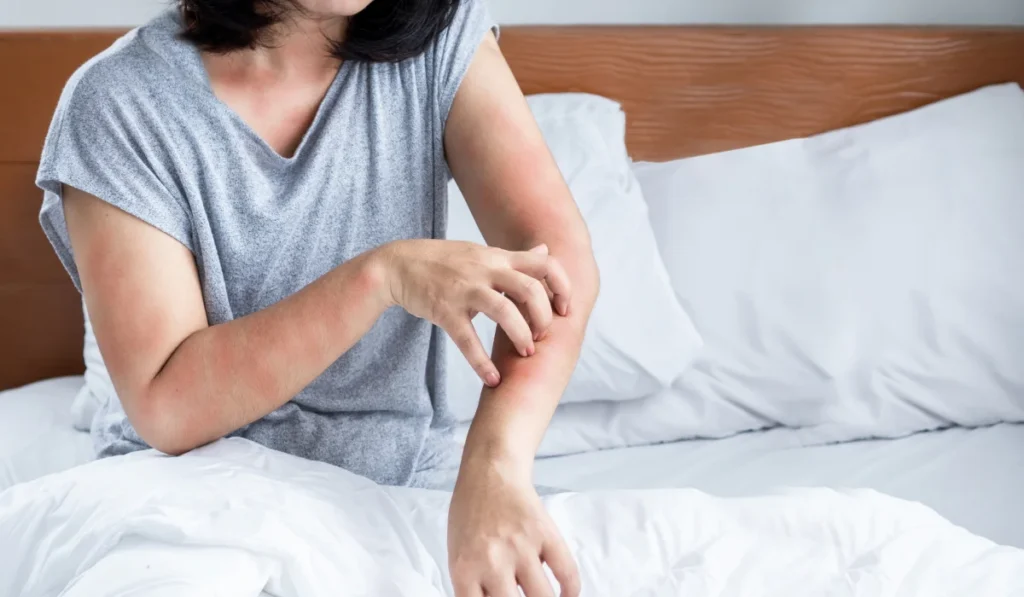
College move-in season, football weekends, fall vacations, and holiday travel all have something in common. They increase the chances of bringing home more than luggage and souvenirs. Because bed bugs are expert hitchhikers, they can travel unnoticed on backpacks, suitcases, clothing, and bedding. For many families, the first indication of a problem is discovering bed bug bites a few days after returning home.
Although bed bug bites are often the first sign people notice, they do not automatically mean your home has an infestation. According to the U.S. Environmental Protection Agency (EPA), bed bugs spread primarily by hiding in personal belongings and moving from one location to another with people. Understanding how they travel, where they hide, and what evidence to look for can help you respond quickly before a small issue becomes a larger one.
Across Alabama, Mississippi, Tennessee, and the Florida Panhandle, late summer and fall bring busy travel schedules and thousands of students moving into and out of campus housing. Whether you’re helping a college student settle into a dorm or unpacking after a weekend getaway, knowing how bed bugs spread can help protect your home.
Why Dorms And Fall Travel Increase The Risk Of Bed Bug Bites
Dormitories, hotels, vacation rentals, and other shared accommodations experience constant turnover. Every guest or student arrives with personal belongings that may have been exposed somewhere else. Since bed bugs are small and hide in narrow spaces, they can easily go unnoticed until someone begins experiencing bed bug bites or discovers physical signs of activity.
College housing presents unique challenges because students regularly share bedrooms, laundry facilities, lounges, and furniture. During move-in and move-out, mattresses, bedding, storage bins, backpacks, and boxes travel between campuses and family homes. This constant movement creates more opportunities for bed bugs in dorm rooms to spread to new locations.
Fall travel creates similar opportunities. Hotels, rental homes, airports, buses, and trains see thousands of travelers every day. If luggage is placed near an infested bed or upholstered chair, a bed bug can crawl into a zipper or seam and remain hidden until you unpack at home. Bed bugs frequently hitchhike from one place to another by hiding in personal belongings such as luggage, backpacks, and clothing.
How Bed Bugs Hitchhike Into Your Home
Once you understand how bed bugs travel, it becomes easier to reduce your risk. Unlike fleas, bed bugs cannot jump, and unlike mosquitoes, they cannot fly. They depend almost entirely on people to transport them from place to place.
A suitcase left beside a hotel bed, a backpack stored under a dorm room bed, or folded clothing placed on an upholstered chair can all become temporary hiding places. When those belongings return home, bed bugs may move into nearby furniture, mattresses, or baseboards if they are not discovered.
Secondhand furniture also deserves careful attention. Mattresses, upholstered chairs, couches, and bed frames picked up during college move-out season may appear clean while still hiding bed bugs or eggs deep inside seams and joints. Inspecting used furniture before bringing it indoors is one of the easiest ways to avoid introducing an infestation.
Common Ways Bed Bugs Travel
| Source | How Bed Bugs Spread |
|---|---|
| Hotel rooms | Hide inside luggage, clothing, or personal items left near sleeping areas |
| College dorms | Move between bedding, backpacks, storage bins, and shared furniture |
| Vacation rentals | Transfer through suitcases and overnight bags |
| Used furniture | Hide inside seams, cushions, joints, and cracks |
| Shared laundry areas | Personal belongings may become exposed if placed on infested surfaces |
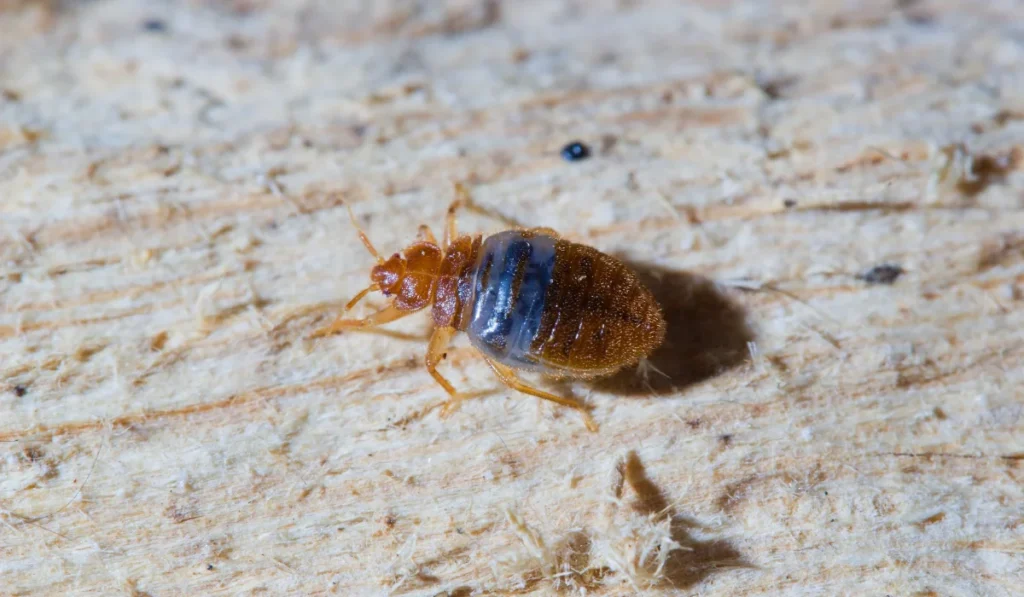
Bed bugs typically stay close to where people sleep. They commonly hide inside mattress seams, box springs, headboards, bed frames, upholstered furniture, and other small cracks near sleeping areas. Learning where bed bugs hide makes inspections much more effective.
How To Identify Bed Bug Bites And Other Signs
Finding itchy bites after a trip or after your student returns home can be unsettling. While bites often prompt people to look for bed bugs, they should never be considered proof of an infestation on their own. A careful inspection looks for physical evidence alongside skin reactions.
Knowing the difference between bites and the other signs of bed bugs can help you determine whether the problem requires closer attention. Looking beyond the bites gives you a much clearer picture of what may be happening inside your home.
What Bed Bug Bites Look Like
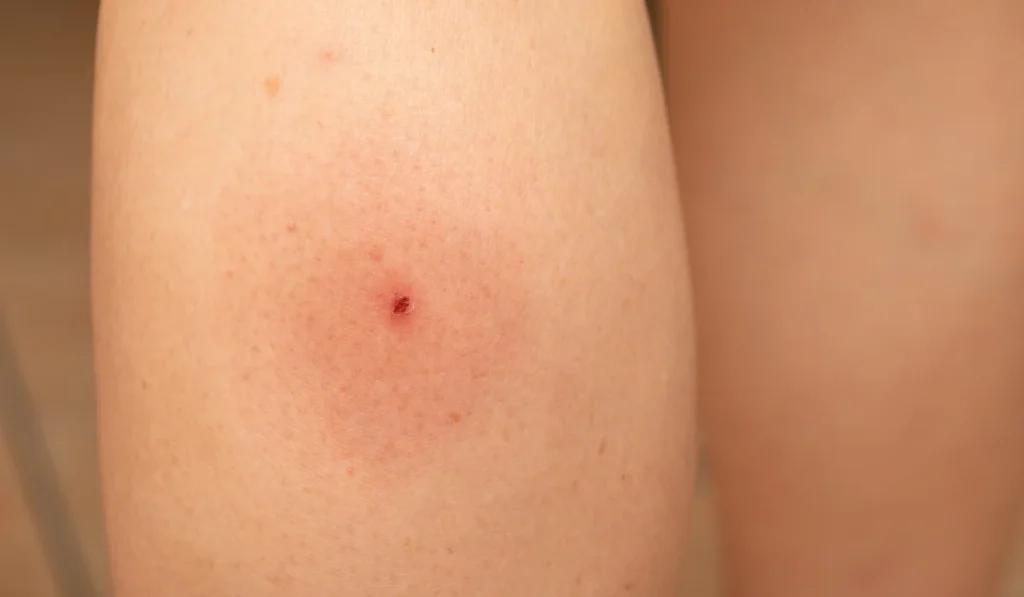
Many people first notice bed bug bites after sleeping. The bites often appear as small, itchy, red bumps that develop overnight and may occur individually, in clusters, or in a line.
According to the Centers for Disease Control and Prevention (CDC), reactions vary from person to person. Some individuals develop noticeable itchy welts, while others have little or no visible reaction. Because mosquito bites, flea bites, allergic reactions, and several skin conditions can look similar, bites alone should never be used to diagnose a bed bug infestation.
Other Signs Of Bed Bugs
Inspect mattresses, box springs, bed frames, upholstered furniture, and nearby baseboards for additional evidence. Live insects are only one clue.
Other common signs of bed bugs include tiny white eggs, shed skins left behind as young bed bugs mature, small rusty or dark stains, and tiny blood spots on bedding. These indicators often appear before an infestation becomes widespread.
The University of Kentucky Department of Entomology also notes that adult bed bugs can survive for several months without feeding under favorable conditions. Their ability to remain hidden makes routine inspections especially valuable after travel or college move-ins.
Bed Bug Bites Versus Mosquito Bites
| Bed Bug Bites | Mosquito Bites |
|---|---|
| Often noticed after sleeping | Usually occur after spending time outdoors |
| May appear in clusters or straight lines | More commonly appear as isolated bites |
| Frequently found on exposed skin while sleeping | Can occur anywhere mosquitoes can reach |
| Should be confirmed with physical signs of bed bugs | Usually linked to recent outdoor activity |
What To Do After Returning Home From College Or Travel
The hours immediately after returning home provide one of the best opportunities to stop bed bugs from becoming established. Instead of unpacking directly into a bedroom, inspect your belongings first.
If possible, unpack luggage in a garage, mudroom, or laundry room. Carefully inspect suitcase seams, handles, pockets, and zippers before bringing luggage into sleeping areas. Vacuum both the inside and outside of your suitcase before storing it.
Wash clothing, bedding, and other washable fabrics as soon as possible. Drying items on high heat, when appropriate for the manufacturer’s care instructions, can help eliminate bed bugs hidden in fabrics. Backpacks, duffel bags, reusable shopping bags, and laundry baskets should also be inspected before they are stored.
Parents helping students move home should pay extra attention to bedding, stuffed animals, storage bins, pillows, and soft-sided organizers. Spending a few extra minutes inspecting these items can prevent unwanted hitchhikers from entering your home.
How To Reduce The Chances Of Bringing Bed Bugs Home
Preventing bed bugs begins before you unpack your suitcase. Small habits while traveling or moving a student into a dorm can significantly reduce your risk of bringing them home.
When checking into a hotel or vacation rental, place your luggage on a luggage rack instead of the bed or upholstered furniture while you inspect the room. Examine mattress seams, the headboard, and nearby furniture for dark spotting, shed skins, or live insects before unpacking.
During college move-in and move-out, avoid placing backpacks, suitcases, or bedding directly on another student’s bed or upholstered furniture. If your student brings home secondhand furniture, inspect every seam, cushion, and hidden corner before allowing it inside.
The EPA also recommends reducing clutter because it limits hiding places and makes inspections easier. Organized bedrooms make it much simpler to recognize signs of bed bug activity before an infestation spreads.
When Bed Bug Bites Mean It’s Time To Call A Professional
One unexplained bite does not necessarily mean your home has bed bugs. However, recurring bed bug bites, repeated sightings of insects, or physical evidence such as eggs, shed skins, or dark spotting deserve prompt attention.
Bed bugs reproduce over time, making early intervention much easier than waiting until they spread throughout multiple rooms. Because they hide in tiny cracks and can survive for long periods without feeding, eliminating an infestation often requires a thorough inspection and a targeted treatment plan.
If you’ve recently returned from travel or helped a student move home from college and suspect bed bugs after travel, a professional inspection can identify evidence that is easy to miss during a homeowner’s inspection.
The CDC states that bed bugs are not known to spread disease to people, but their bites can cause itching, allergic reactions in some individuals, and disrupted sleep. Addressing the problem early helps reduce discomfort and limits the opportunity for bed bugs to spread throughout the home.
Good catch. That was redundant. There should only be one homepage link and one contact page link, each serving a distinct purpose.
Protect Your Home Before A Small Problem Grows
Dorm move-ins, weekend getaways, business travel, and holiday trips are all part of life, but they also create opportunities for bed bugs to travel home unnoticed. Inspecting luggage, checking dorm belongings, recognizing the signs of bed bugs, and responding quickly when you suspect a problem can greatly reduce the chances of an infestation becoming established.
If you think you’ve brought bed bugs home after travel or your student has returned from a dorm, professional help can stop the problem before it spreads. Waynes Pest Control has been protecting homes across Alabama, Mississippi, Tennessee, and the Florida Panhandle since 1973 with proven pest management solutions and exceptional customer service.
If you’re ready to schedule an inspection or have questions about a suspected infestation, contact our team and we’ll help you take the next step toward protecting your home.