

Spiders show up when you least expect them. You walk into the garage, spot spider webs in a corner, and suddenly, every story you have ever heard about spider bites comes rushing back. That fear spreads fast, especially when common spider myths sound believable and get passed around like facts.
For homeowners looking for spider pest control in Alabama, Mississippi, Tennessee, and the Florida Panhandle, understanding what is real and what is not is the first step.
The truth is, most spiders you see inside Alabama, Tennessee, Mississippi, and the Florida Panhandle are not looking to harm you. Many are harmless arachnids that help control other pests. Still, misinformation fuels arachnophobia, making regular spider activity feel like a serious threat.
This guide clears up spider myths by separating fact from fiction. You will learn what spiders actually do inside homes, which spider species deserve attention, how myths from Greek mythology to modern urban legend shape fear, and when professional pest control makes sense.
Key Takeaways:
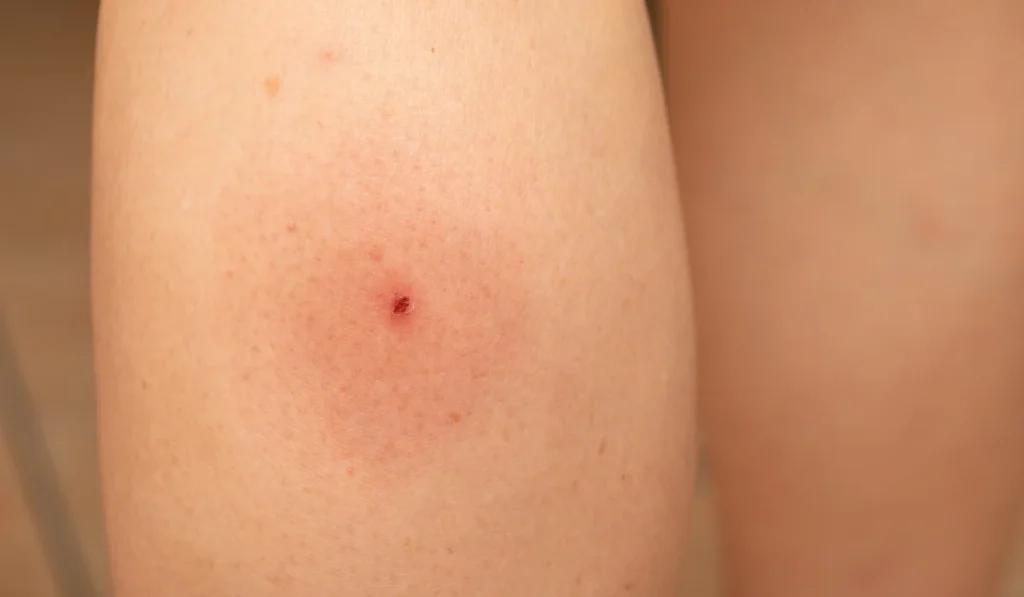
- Other factors cause people to blame spiders for most bites. Skin infections, mites, or reactions to other insects often look like spider bites.
- Only a small number of venomous spiders live in the Southeast. Even those species avoid people and rarely bite unless they feel trapped.
- Spiders do not infest homes the way insects do. They live alone and usually wander inside by accident while hunting other pests.
- Knowing common spider myths helps you respond calmly and correctly. Understanding the facts keeps fear from driving unnecessary reactions or decisions.
Video Guide: Understanding Spiders In Your Home
The following video helps you identify common spiders found in homes and explains what they do there. It separates real spider behavior from common spider myths, shows key differences between species, and shares clear, fact-based information. Watching the video helps you recognize harmless spiders, avoid false assumptions, and know when professional pest control support is truly needed.
Myth: Most Spiders Are Dangerous To Humans
One of the most common spider myths is that most spiders are deadly spiders waiting to bite. In reality, spiders are arthropods belonging to the group arachnids, and very few are harmful to people. In fact, arachnologists explain that most spiders avoid humans and only react if they feel trapped.
Spiders use venom to catch prey, such as mites, flies, and wasps, not to attack people. Most spider bites happen only when a spider gets trapped against human skin, such as inside shoes, gloves, or clothing. Even then, spider bites are rare and usually mild.
If spiders seem active around your home, we provide spider pest control services. Our team seals entry points and reduces the insects that attract spiders. These steps keep spiders outside where they belong.
Myth: Daddy Longlegs Are The Most Venomous Spiders
Daddy longlegs are among the most misrepresented spiders because of the misconceptions stemming from the myth attached to them.
According to myths, daddy long-legs are one of the most poisonous spiders, but their fangs are too short to bite humans. However, the University of California-Riverside clarifies that the name “daddy longlegs” is applied to three completely different creatures, which is where most confusion begins. Only one of them is a true spider, and none of them are dangerous to humans.
Daddy longlegs, also called harvestmen, are not true spiders. They belong to Arachnida but are not part of the spider species at all. Harvestmen do not produce venom and cannot bite humans. Some people confuse them with swallow spiders, which are actual spiders but do not pose a threat to humans.
If you notice daddy longlegs indoors, we can help seal gaps and reduce moisture that attracts them inside.
Myth: Brown Recluse Spider Bites Are Common
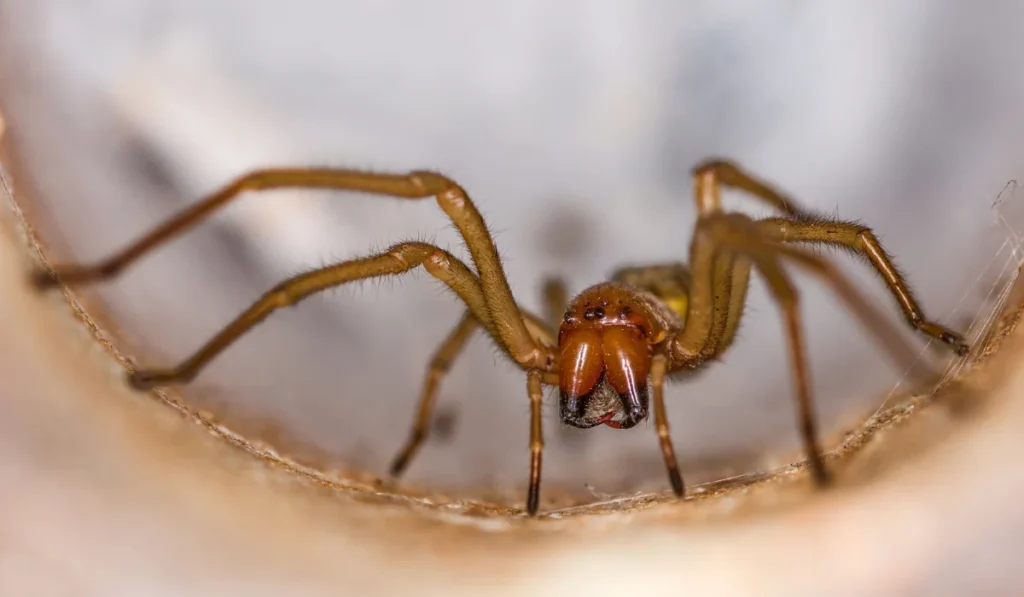
The brown recluse spider is among the venomous spiders you may encounter in the Southeast. While brown recluse spider bites can be serious, they are rare. Infections or allergic reactions actually cause many skin problems blamed on spiders.
According to Harvard Health, symptoms of brown recluse spider bites include a stinging sensation followed by intense pain, itching, and chills. The bite mark will also develop a reddish or purplish circle around the bite, as well as a small pus- or blood-filled blister with increased redness and swelling.
On rare occasions, brown recluse spider bites may lead to jaundice, kidney failure, and seizures. In extreme cases, a person may fall into a coma. Seek prompt medical attention if you suspect a spider bite.
Brown recluses like dark, undisturbed areas such as closets, storage boxes, and wall voids. They avoid light and stay hidden during the day. Unlike many spiders, they hunt at night instead of using webs.
If you suspect brown recluse activity in your Alabama or Tennessee home, we offer inspections and targeted treatment plans designed for these spiders.
Myth: Australia Has All The Deadly Spiders
Australia often gets blamed for deadly spiders because of viral stories and media coverage. While Australia does have species such as funnel-web spiders and other venomous spiders, serious incidents are rare due to education and medical care.
According to the Australian Museum, only male Sydney Funnel Web Spiders and Redback Spiders have caused human deaths, but none have occurred since antivenoms were made available.
In the United States, especially in the Southeast, encounters with dangerous spiders are even rarer. Black widow spiders live here, but bites are uncommon and usually happen outdoors.
Myth: House Spider Means Infestation
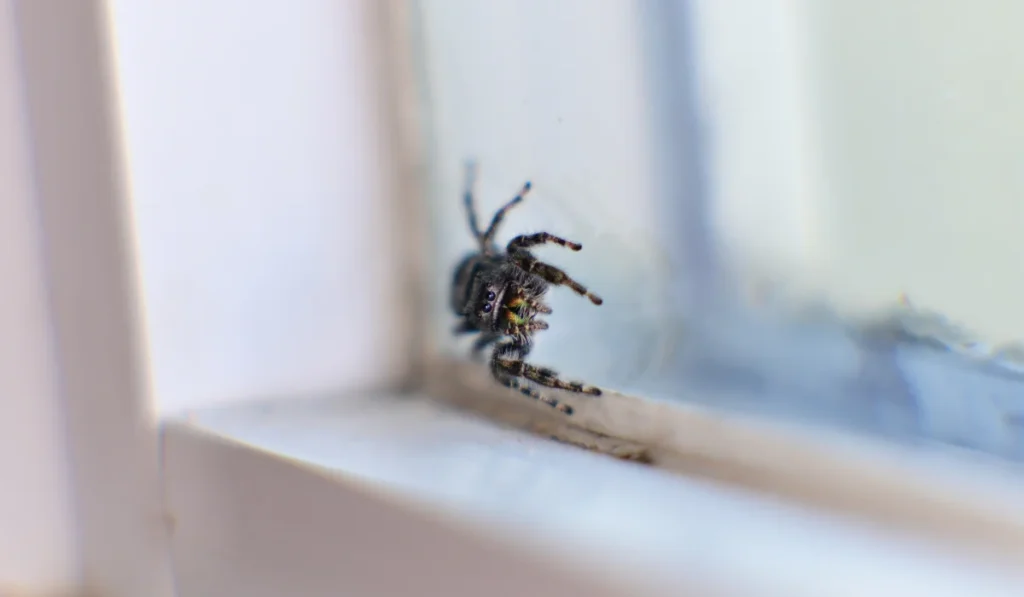
Seeing a house spider does not mean there is an infestation. House spiders are simply among the cold-weather pests you need to watch out for. Spiders are solitary and do not live in groups. Giant house spiders, wolf spiders, and jumping spiders often wander indoors by accident while hunting prey.
Unlike insects, spiders do not reproduce quickly inside homes. Spider webs and cobwebs usually show where insects are active, not where spiders are multiplying. When insects disappear, spiders often leave as well.
Myth: Hobo Spider Bites Cause Severe Damage
The hobo spider gained a dangerous reputation through misinformation and outdated reports. Current research from the Oxford Academic Journal of Entomology shows hobo spider bites are mild and rarely cause serious symptoms.
Many spider bites blamed on hobo spiders actually come from other insects or skin conditions. This fear grew through urban legend rather than solid evidence.
Myth: Tarantulas Are Aggressive And Dangerous
Tarantulas look intimidating, but they are calm spiders that avoid people. In the southern United States, tarantulas live outdoors and rarely enter homes. They use spider silk to line burrows, not to spin webs indoors.
Many tarantula fears come from pop culture, including Spider-Man stories and exaggerated portrayals.
We help homeowners manage outdoor spider activity while respecting local ecosystems.
Myth: Orb Weavers And Wolf Spiders Want Inside Your Home
Orb weavers and wolf spiders are outdoor spiders. Orb weavers spin webs outside to catch insects, while wolf spiders hunt on the ground. Neither spider wants to live long-term.
Weather changes may cause these spiders to wander inside by mistake. They do not settle or create nests indoors.
We help prevent these accidental encounters by sealing entry points and adjusting outdoor lighting to deter insects.
Myth: Spiders Crawl On You While You Sleep
This myth fuels arachnophobia and appears in many urban legend stories. Spiders avoid people and stay away from vibrations caused by breathing and movement.
There is no evidence that spiders intentionally crawl on sleeping humans. National Geographic and other trusted sources have debunked this myth many times.
If spider anxiety keeps you awake, we can inspect your home and create a plan to safely reduce spider activity.
Myth: Spider Myths Come From Science
Many spider myths come from stories, not science. Greek mythology includes tales of Arachne and Athena, in which spiders symbolize pride or punishment. African folklore features Anansi, the spider trickster. Hopi traditions also include spider figures tied to creation stories.
These stories shaped fear and fascination, but do not reflect real spider behavior. Misconceptions passed down over time still affect how people react today.
We believe education matters. Understanding spiders helps you make calm, informed decisions.
Making The Right Spider Control Choice For Your Home
Spider myths often create unnecessary fear. Most spiders you see are harmless arachnids doing their job. True venomous spiders are rare, and serious spider bites are uncommon in the Southeast.
Knowing the facts helps you respond without panic. When spiders become a recurring issue, professional pest control addresses the root causes, not just what you see.
At Waynes Pest Control, we serve homeowners across Alabama, Tennessee, Mississippi, and the Florida Panhandle.
Contact us today or request a free quote. If spider myths have you worried, our team can give you clarity and help you feel confident in your home again.
FAQs:
Are spider bites common in Alabama homes?
Spider bites are rare in Alabama homes. Other insects or skin conditions actually cause most bites that people blame on spiders. True spider bites usually happen when a spider gets pressed against human skin.
Should Florida Panhandle homeowners worry about venomous spiders?
Venomous spiders like black widow spiders exist in the Florida Panhandle, but bites are uncommon. Keeping clutter low and sealing entry points significantly reduces the risk.
When should Tennessee renters call pest control for spiders?
Renters in Tennessee should call pest control when spiders appear frequently or alongside other insects. Reducing insect activity often solves spider problems quickly.