
Most brown recluse infestations grow for months before a homeowner spots a single spider. These spiders stay hidden inside wall voids, crawl spaces, and cluttered storage areas. By the time you see one brown recluse spider in the open, many more likely share your home. Knowing the signs of brown recluse infestation lets you act before bites occur or the population spreads.
Key Takeaways
- Multiple indoor sightings of brown recluse spiders, especially at night, signal an established population rather than a stray spider.
- Irregular webs in low-traffic areas such as crawl spaces, attics, and behind cardboard boxes point to hidden recluse spiders.
- Egg sacs and shed skins near wall voids or dark corners confirm active breeding inside your home.
- Bites that occur overnight, with no visible spider found, are a common sign of recluse infestation in Southeast homes.
- DIY monitoring with glue traps helps track activity, but hidden infestations inside wall voids and crawl spaces require professional pest control.
Signs of Recluse Infestation: How to Confirm One
A recluse infestation is confirmed by more than a single sighting. Brown recluse spiders, known scientifically as Loxosceles reclusa (brown recluse), are built to stay hidden. They prefer dry, undisturbed spots and avoid people. Seeing one indoors during daylight hours suggests the hidden population has grown large enough that competition is pushing spiders out of their preferred retreats. Research published in The Journal of Emergency Medicine establishes that Loxosceles reclusa is endemic to the Midwestern and Southern United States, placing Alabama, Tennessee, Mississippi, and the Florida Panhandle squarely in their range.
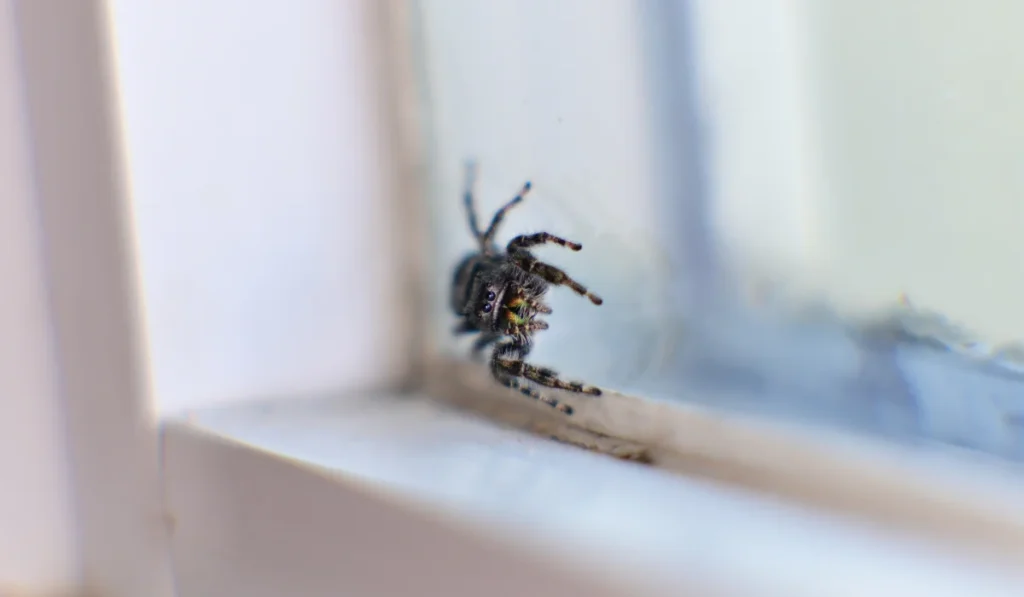
Contrary to popular belief, most spiders found indoors are not brown recluse spiders. Cobweb spiders and other species are common look-alikes. Correct identification is the first step before any treatment plan begins.
Confirming Recluse Infestation: Key Physical Identification Features
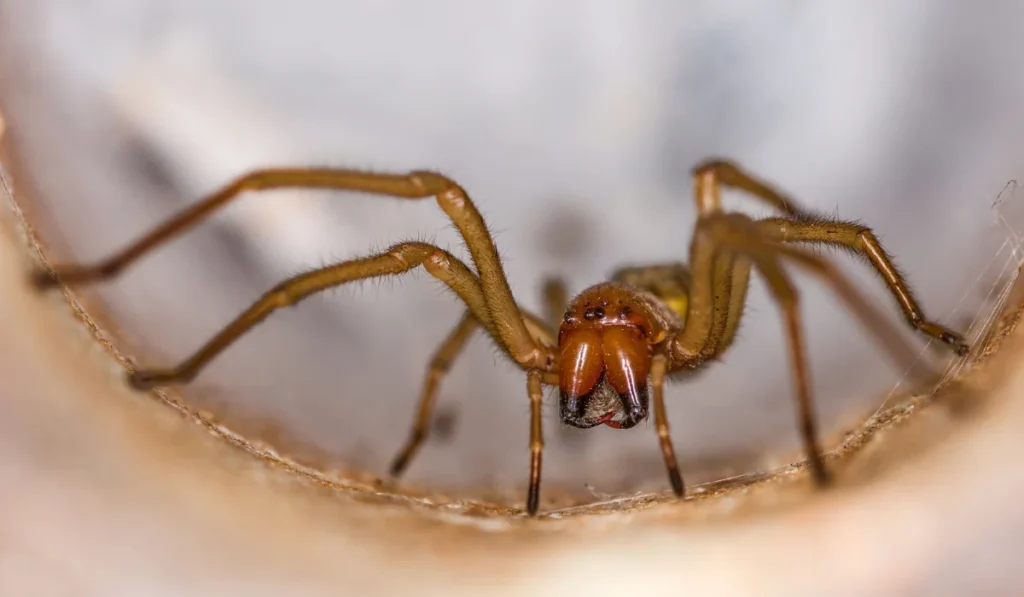
Adult brown recluse spiders are light tan to dark brown, with long thin legs and no visible banding. The distinctive violin shaped marking on the back points toward the abdomen. Most spider species have eight eyes. Brown recluse spiders have six eyes arranged in three pairs, which is one of the most reliable physical differences separating them from other species. If you catch a spider and want confirmation, a photo sent to your pest management technician is the most accurate next step.
Shed Skins and Egg Sacs as Signs of Recluse Infestation
Finding egg sacs or shed skins confirms an active breeding population, not just a passing visitor. A female brown recluse can produce egg sacs containing 40 to 50 spiderlings each. Adult females may lay egg sacs multiple times over about a year, meaning hidden infestations compound quickly in undisturbed areas. Shed skins look like translucent, spider-shaped shells. They collect near dark corners, behind storage boxes, and inside wall voids. If you find shed skins alongside egg sacs, brown recluse spiders are reproducing inside your home.
Recluse Infestation Signs: Overnight Spider Bites Explained
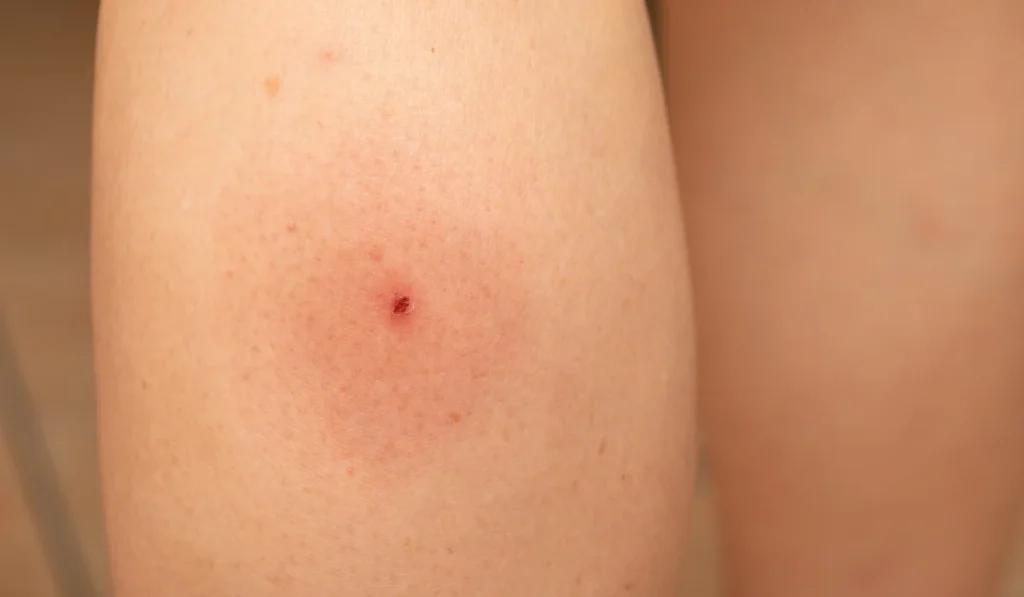
Bites that happen overnight, with no spider found, are one of the clearest behavioral signs of recluse activity in a home. Brown recluse spider bites most often occur when a spider is pressed against skin inside clothing, shoes, or bedding. Most bites cause redness, swelling, and localized pain. In rare cases, the venom injected causes tissue damage or severe reactions. If you suspect a brown recluse spider bite, seek medical attention promptly. Doctors sometimes misdiagnose these bites because many skin conditions produce similar wound patterns.
Where Recluse Infestation Starts in Southeast Homes
Brown recluse spiders settle where conditions match what they need: dry, dark, and undisturbed. Inside Southeast homes, that means crawl spaces, attics, garages, wall voids, and cluttered storage areas. Cardboard boxes stacked in closets or basements are prime hiding places. Spiders use the folded edges of cardboard as retreat shelters, which is why switching to sealed plastic bins makes a measurable difference in reducing harborage.
Crawl Spaces and Wall Voids in Recluse Infestation Cases
Crawl spaces rank among the most common sites for recluse infestation in Alabama, Tennessee, Mississippi, and Florida homes. These spiders tend to concentrate where other insects already live, because brown recluse spiders eat small insects, including roaches, silverfish, crickets, and other pests. A home with an active insect population gives them a steady food source. Reducing those other pests also removes the conditions that support brown recluse activity.
Wall voids are equally problematic. Brown recluse spiders live inside wall voids for extended periods without ever appearing on an exposed surface. Sightings are infrequent precisely because these spiders stay hidden. That invisibility is part of what makes recluse infestations difficult to size up without a professional inspection.
Recluse Infestation Clues: Web Patterns of Hidden Spiders
Brown recluse spiders do not build webs to catch prey the way most spiders do. They build webs as retreat shelters. Their webs look irregular and loosely structured compared to a typical spider web. You will find these webs in tight, low-traffic spots such as behind stacked cardboard boxes, inside closets, and along the edges of crawl spaces, not on exposed surfaces or window frames where most other spiders build webs. Irregular webs in dark corners that do not match what you would expect from common cobweb spiders are worth investigating.
Recluse Infestation Risks Across Alabama, Tennessee, and the Southeast
Brown recluse spiders live year-round indoors across Alabama, Tennessee, Mississippi, and the Florida Panhandle, but activity increases from late spring through early fall. Warmer temperatures push adult brown recluse spiders to forage farther from their retreats. Sightings spike during summer months as spiders move more actively through living spaces. Homes with cluttered storage areas and accessible crawl spaces see the highest concentration of activity during these months.
By early fall, spiders begin returning to deeper hiding spots to wait out cooler temperatures. This seasonal pattern means the signs of recluse infestation are most visible between May and September, but the population does not leave. It stays hidden and waits.
Why Spiders Showing in Daylight Signal Recluse Infestation
Brown recluse spiders prefer darkness and avoid movement. Seeing one during the day, on an exposed surface, suggests the population has grown large enough to force weaker spiders out of preferred hiding spots. Spiders live in a hierarchy inside a structure. When the best hiding places fill up, spiders spill into more exposed areas. A daytime sighting is not just an inconvenience. It is a population signal.
DIY Steps to Reduce Signs of Recluse Infestation at Home
DIY methods reduce spider activity at the surface but rarely reach hidden infestations inside wall voids or crawl spaces. Glue traps and sticky traps placed along baseboards, inside closets, and near crawl space openings help monitor brown recluse spider populations. They show how many spiders are active and where the heaviest traffic occurs. The following steps pair well with professional pest control and support long-term reduction.
- Replace cardboard boxes with sealed plastic bins. Brown recluse spiders use the folds of cardboard as retreat shelters. Sealed plastic bins remove that harborage from cluttered storage areas.
- Vacuum dark corners, baseboards, and behind furniture regularly. This removes spiders, egg sacs, and the small insects that attract them. Empty the vacuum outdoors immediately.
- Seal cracks around windows, doors, pipes, and the foundation. Sealing cracks blocks entry for spiders and the other insects they follow indoors.
- Place glue traps in undisturbed areas. Check traps weekly and note where catches are concentrated. That data helps a technician target treatment zones.
- Move woodpiles and debris away from the foundation. Outdoor harborage near the home gives brown recluse spiders a staging area before they move inside.
Store-bought contact sprays may reach visible spiders, but recluse spiders inside wall voids and crawl spaces remain untouched. Incorrect application can push spiders deeper into the structure rather than reducing their numbers.
Professional Pest Control for Brown Recluse Infestation
Professional pest management targets the places where brown recluse spiders live, not just the surfaces you can see. Waynes technicians inspect crawl spaces, attics, wall voids, and cluttered storage areas to establish the scope of the recluse infestation. Treatment plans include crack-and-crevice applications, dust formulations in wall voids, crawl space coverage, and attic treatments where accessible. This layered approach follows the integrated pest management framework recommended by the EPA, which prioritizes targeted applications over broad surface treatments.
Monitoring traps track spider movement between visits and confirm that treatments are reducing the population. Follow-up visits allow plan adjustments based on trap data. The pest management approach supported by the USDA emphasizes this kind of ongoing monitoring as a core component of controlling hidden infestations, not just addressing surface signs.
Waynes has served more than 150,000 families across Alabama, Tennessee, Mississippi, and the Florida Panhandle over 50 years. Every treatment follows application protocols designed to minimize exposure for children and pets. Every little thing matters. A LOT.
Protecting Your Home Year-Round from Recluse Infestation
The most effective protection against a recluse infestation combines prevention with ongoing pest management. Homes with fewer hiding places, sealed entry points, and reduced insect populations give brown recluse spiders fewer reasons to stay. An active pest management program catches hidden infestations before they spread.
If you are spotting spiders, finding shed skins, or waking up with spider bites in your Alabama, Tennessee, Mississippi, or Florida Panhandle home, Waynes can inspect and build a treatment plan around what is actually happening inside your structure. Visit our spider control page for service details, or request a free quote to schedule an inspection.
Frequently Asked Questions
What are the first signs of brown recluse infestation?
The earliest signs include irregular webs in dark corners, shed skins behind furniture or storage boxes, and sightings of multiple spiders indoors. Egg sacs near wall voids or in crawl spaces confirm active breeding. Bites that happen overnight, with no visible spider found, also indicate brown recluse spiders are moving through living spaces.
How do brown recluse spiders get into homes?
Brown recluse spiders enter through gaps around doors, windows, pipes, and foundation cracks. They also arrive inside cardboard boxes, firewood, and stored items brought in from garages or sheds. Sealing cracks and inspecting items before bringing them indoors reduces entry. Homes in the Southeast with accessible crawl spaces face higher risk because these spiders live in those environments naturally.
Can one brown recluse spider mean an infestation?
One spider indoors does not confirm an infestation, but it warrants an inspection. Brown recluse spiders stay hidden, so a single spider in the open often means others are nearby. Glue traps placed in undisturbed areas over one to two weeks reveal the true scope of activity far better than a single sighting alone.
What do brown recluse spiders eat?
Brown recluse spiders eat small insects, including roaches, silverfish, crickets, and other pests. They do not use webs to catch prey. Instead, they hunt at night. Reducing other insects inside your home removes their food source and makes your home less hospitable for a sustained recluse population.