

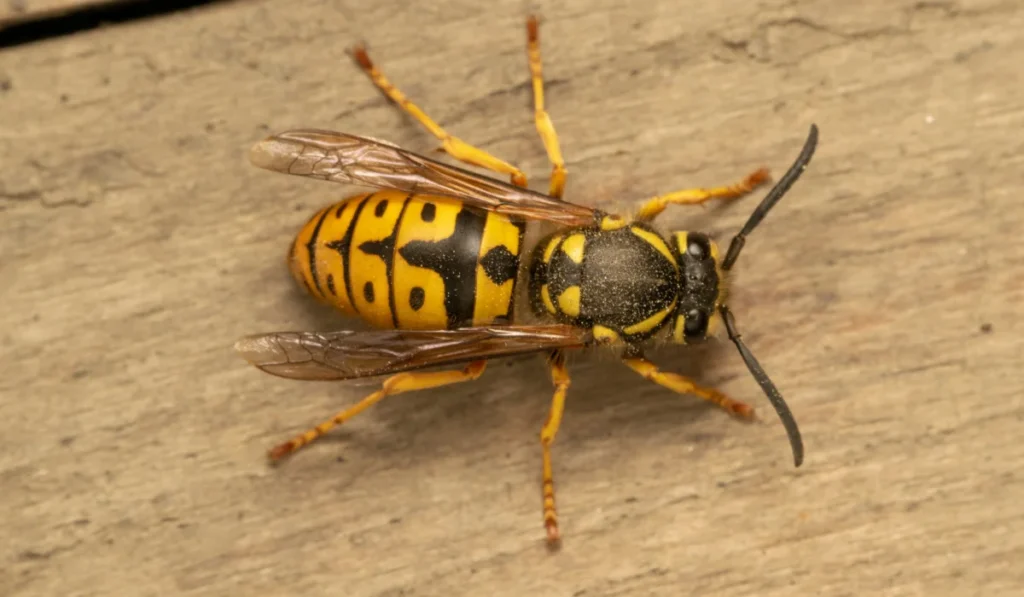
As summer gives way to fall, many homeowners across Alabama and Tennessee notice something unusual. Yellow jackets seem to appear everywhere. They hover around outdoor meals, gather near garbage cans, and become unwelcome guests at football tailgates, backyard barbecues, and family gatherings. If you’ve ever been stung during this time of year, you may have wondered whether a yellow jacket sting actually hurts more in the fall.
The short answer is no, at least not because the venom changes. There is no scientific evidence that yellow jacket venom becomes stronger as the seasons change. What does change is the behavior of the colony. By late summer and early fall, yellow jacket colonies are at their largest, worker yellow jackets become more defensive, and they spend more time searching for food in places where people gather.
Understanding why yellow jackets become more active in the fall can help you avoid painful encounters and recognize when a nest poses a greater risk around your home. It also explains why this time of year often brings a noticeable increase in yellow jacket stings throughout the Southeast.
Why a Yellow Jacket Sting Seems Worse in the Fall
Many people believe yellow jacket stings become more painful in the fall because the insects themselves become more dangerous. While the sting itself does not change, the circumstances surrounding fall encounters often make them feel much worse. Larger colonies, more worker yellow jackets, and increased activity around people all contribute to the perception that fall stings are more severe.
The Venom Doesn’t Become Stronger
A common myth is that yellow jackets produce more potent venom late in the season. Instead, the pain associated with a yellow jacket sting comes from the insect’s venom and your body’s response to it, regardless of the time of year.
The difference is that homeowners are simply more likely to encounter yellow jackets during the fall. As colonies grow and workers spend more time foraging, the chances of an unpleasant encounter increase significantly.
Multiple Stings Are More Common
Unlike honey bees, yellow jackets can sting repeatedly because they do not leave their stinger behind after attacking. If a nest is disturbed, numerous workers may respond within seconds, resulting in multiple stings before a person has time to move away.
This is one of the biggest reasons a yellow jacket sting seems worse in the fall. The venom hasn’t changed, but receiving several stings during a single encounter naturally causes more pain and a stronger localized reaction than a single sting.
Why Yellow Jackets Become More Aggressive in the Fall
The seasonal behavior of yellow jackets follows the natural life cycle of the colony. According to the University of Kentucky Department of Entomology, colonies continue growing throughout the spring and summer before reaching their maximum size in late summer and early fall.
The Colony Is at Its Largest
By fall, a yellow jacket colony may contain thousands of workers. Earlier in the year, much of their effort is devoted to building the nest, gathering protein, and caring for developing larvae. Once the colony reaches maturity, there are far more workers searching for food and defending the nest.
The increase in worker activity makes yellow jackets much more noticeable around homes, parks, outdoor restaurants, and sporting events. With more insects flying throughout the landscape, encounters with people naturally become more frequent.
Their Diet Begins to Change
During much of the summer, worker yellow jackets hunt insects and collect protein-rich food to feed developing larvae. As fewer larvae remain in the colony later in the season, workers begin seeking sugary foods to fuel themselves.
This shift explains why yellow jackets suddenly become interested in soft drinks, sweet tea, desserts, ripe fruit, hummingbird feeders, and overflowing trash cans. Outdoor meals become especially attractive because they provide easy access to sugar and other food sources.
Rather than becoming aggressive without reason, yellow jackets are simply expanding their search for food as the colony’s nutritional needs change.
They’re Protecting a Mature Nest
By late summer, the colony represents months of work. Worker yellow jackets instinctively defend the nest against anything they perceive as a threat.
Routine yard work such as mowing, trimming shrubs, edging flower beds, or moving landscaping materials can accidentally disturb a hidden nest. Because so many workers are present, even a brief disturbance may trigger a coordinated defensive response.
Where Yellow Jackets Commonly Nest Around Homes
One reason yellow jacket stings are so common is that nests are often hidden until someone gets too close.
Many yellow jacket species build nests underground by taking over abandoned rodent burrows or other natural cavities. Others establish colonies inside retaining walls, landscape timbers, hollow trees, sheds, crawl spaces, attics, or wall voids where the nest remains protected from weather and predators.
Across Alabama and Tennessee, homeowners frequently discover nests while preparing their yards for fall. Raking leaves, cleaning flower beds, harvesting gardens, stacking firewood, or trimming overgrown vegetation can unknowingly place someone within a few feet of an active colony.
Unlike paper wasps, which build exposed umbrella-shaped nests beneath eaves or porch ceilings, yellow jackets often remain hidden. The first clue is usually a steady stream of workers flying in and out of a small opening in the ground or another concealed entrance.
What Happens to Yellow Jackets After Fall
Although yellow jackets become especially noticeable during the fall, their colonies do not survive indefinitely.
According to information from Virginia Tech, worker yellow jackets die once consistently cold weather arrives. The old nest is abandoned and is generally not reused the following year.
Before winter sets in, newly mated queens leave the colony and seek sheltered locations beneath loose bark, inside rotting logs, under leaf litter, or in other protected spaces where they can survive until spring. When warmer weather returns, each surviving queen starts an entirely new colony by building the first nest cells and raising the first generation of workers herself.
Understanding this annual cycle helps explain why an abandoned nest does not become active again the following year, even though homeowners may notice yellow jackets returning to the same general area.
How to Avoid Yellow Jacket Stings in the Fall
Yellow jackets are most likely to sting when they believe their nest is threatened or when they become trapped against clothing or skin. A few practical precautions can greatly reduce the risk of being stung during the busiest part of yellow jacket season.
Watch for Hidden Nest Activity
Before mowing the lawn, trimming shrubs, or clearing leaves, take a few minutes to observe your surroundings. If you notice yellow jackets repeatedly flying to and from the same location, especially near the ground, there is a good chance a nest is nearby.
Avoid the area immediately and keep children and pets away. Attempting to investigate the opening yourself can quickly provoke defensive workers.
Limit Outdoor Food Sources
Because worker yellow jackets seek sugary foods in the fall, outdoor entertaining often attracts unwanted visitors. Keep trash lids tightly closed, clean up food spills promptly, remove fallen fruit from beneath trees, and avoid leaving sweet drinks uncovered for extended periods.
If you’re drinking from an open can outdoors, inspect it before taking a sip. Yellow jackets sometimes crawl inside while searching for sugary liquids, creating an unexpected sting hazard.
Stay Calm During an Encounter
If a yellow jacket begins flying around you, avoid swatting or making sudden movements. Slowly moving away is usually enough to end the encounter.
If multiple yellow jackets appear at once, leave the area immediately. This often indicates you’ve gotten too close to a nest, and putting distance between yourself and the colony is the safest response.
What to Do After a Yellow Jacket Sting
Most yellow jacket stings cause immediate pain, redness, swelling, and tenderness around the sting site. Washing the area with soap and water and applying a cold compress can help reduce discomfort. Avoid scratching the area, as this may increase irritation.
According to the Cleveland Clinic, severe allergic reactions require immediate medical attention. Difficulty breathing, swelling of the face or throat, widespread hives, dizziness, or loss of consciousness are signs of a medical emergency. People with known allergies to stinging insects should follow their physician’s guidance and seek emergency care if serious symptoms occur.
Even without an allergy, anyone who receives numerous stings or experiences symptoms that seem unusual should contact a healthcare provider for further evaluation.
When Professional Yellow Jacket Removal Is the Safest Choice
Yellow jacket nests become increasingly difficult to manage as colonies grow. By the fall, a mature colony contains many workers that will aggressively defend the nest if disturbed, making do-it-yourself removal a significant safety risk.
Nests located near entryways, patios, decks, sidewalks, playgrounds, gardens, or frequently used outdoor living spaces should be addressed promptly. Because many nests are hidden underground or inside structures, treating only the visible insects rarely resolves the problem.
Professional yellow jacket removal focuses on locating the colony, addressing the nest safely, and helping reduce the risk of future encounters around your home.
Protect Your Home Before Fall Yellow Jackets Become a Bigger Problem
A yellow jacket sting does not become stronger in the fall, but several seasonal changes make painful encounters more likely. Larger colonies, increased foraging activity, and a greater focus on sugary foods bring yellow jackets into closer contact with homeowners just as outdoor activities become more enjoyable.
Recognizing the signs of yellow jacket activity, avoiding hidden nests, and reducing food sources around your property can help lower the risk of stings throughout the fall. Taking action early is often the best way to prevent an unexpected encounter from interrupting your time outdoors.
If you’ve noticed increased yellow jacket activity around your home or suspect a nest is hidden on your property, visit Waynes to learn more about our professional yellow jacket and wasp control services. When you’re ready for expert assistance, Contact Our Team to schedule an inspection and help protect your home from yellow jackets this fall.


