

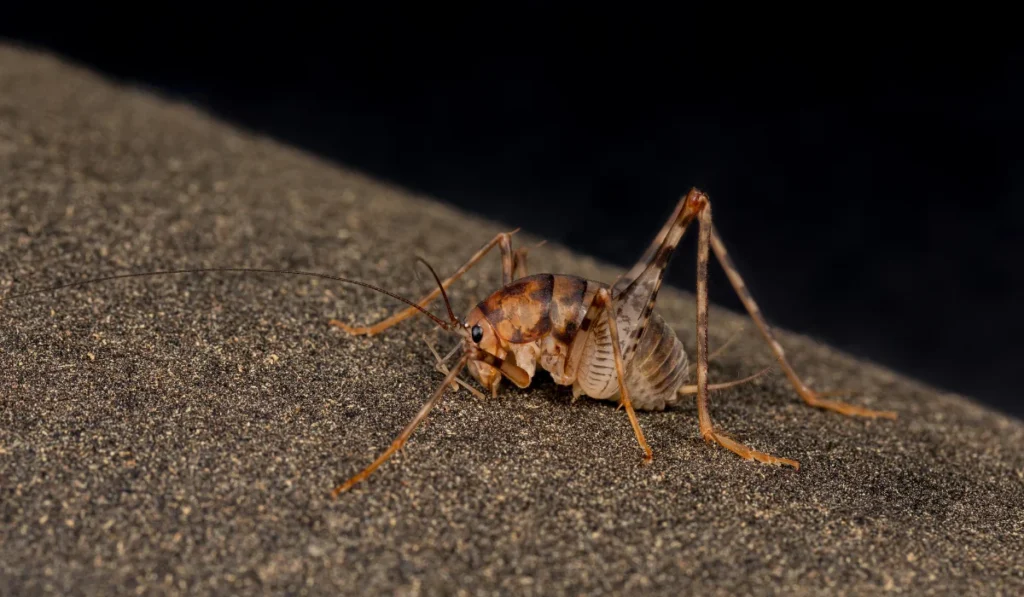
As temperatures begin cooling across Tennessee, many homeowners start noticing unusual insects hopping across basement floors, crawl spaces, and storage rooms. Camel crickets, also called cave crickets or spider crickets, often appear during the fall because changing outdoor conditions encourage them to seek sheltered places with steady moisture.
Their large hind legs and humpbacked appearance can make them seem intimidating, even though they are far different from the crickets most people recognize.
Unlike house crickets, camel crickets rarely venture into kitchens or living rooms. They prefer dark, humid environments where they can stay hidden throughout the day. Basements, crawl spaces, utility rooms, and unfinished storage areas provide exactly the conditions they need to survive.
Because these insects are primarily active at night, homeowners often discover them only after finding several at once or being startled by one unexpectedly jumping across the floor.
If your home sits near wooded areas, mature landscaping, or sloped terrain, seasonal camel cricket activity may become a familiar part of fall. Understanding why these insects move indoors, what attracts them, and how to make your home less inviting can help prevent a recurring problem before it becomes established.
Why Camel Crickets Move Indoors During the Fall
Camel crickets naturally spend most of the year outdoors beneath rocks, fallen logs, leaf litter, and dense vegetation. These environments remain cool, shaded, and consistently damp, allowing them to avoid drying out while feeding on fungi, decaying organic matter, and plant material. As summer transitions into fall, those outdoor conditions begin changing, prompting camel crickets to search for places that offer more stable humidity.
Moisture Matters More Than Temperature
Many homeowners believe camel crickets enter homes simply because the weather becomes colder. While cooler nights contribute to seasonal movement, moisture is often the deciding factor.
According to NC State, camel crickets thrive in humid environments because high moisture levels help prevent dehydration. A basement with elevated humidity provides a habitat that closely resembles the shaded outdoor spaces they naturally occupy.
This explains why some homes experience camel cricket activity while neighboring properties do not. A dry basement is generally much less attractive than one with excess humidity, condensation, or poor ventilation.
Why Tennessee Homes See More Fall Activity
Tennessee’s climate creates favorable conditions for moisture-loving pests well beyond the summer months. Warm, humid weather often leaves basements and crawl spaces damp long after temperatures begin to cool.
Homes built near wooded lots, creek beds, hillsides, or heavily landscaped neighborhoods frequently retain even more moisture around the foundation, increasing the likelihood of seasonal camel cricket activity.
Unlike pests that seek warmth, camel crickets are searching for environments where moisture remains consistent. For many Tennessee homes, unfinished basements and crawl spaces provide exactly that.
Why Tennessee Basements Attract Camel Crickets
Basements naturally create many of the conditions camel crickets prefer. Concrete walls retain moisture, below-grade construction limits airflow, and enclosed spaces stay cooler than the rest of the house. Even without visible leaks, humidity can build over time, creating an environment where these insects can survive comfortably.
Common Moisture Problems That Invite Camel Crickets
Several common household conditions contribute to excess basement moisture. Condensation on pipes, poor drainage around the home’s foundation, inadequate ventilation, and seasonal humidity all increase moisture levels. Homeowners often focus on obvious water problems while overlooking these smaller issues that gradually create favorable conditions for pests.
Because camel crickets rely on moisture more than warmth, even a finished basement may attract them if humidity remains consistently high.
Why Clutter Makes Basements More Attractive
Storage habits also influence camel cricket activity. Cardboard boxes, stacked belongings, stored furniture, and seasonal decorations create dark hiding places where insects remain undisturbed during daylight hours. Damp cardboard and accumulated organic debris can further increase the appeal of unfinished storage rooms.
Keeping storage organized not only makes inspections easier but also removes many of the sheltered spaces camel crickets depend on after entering the home.
| Basement Condition | Why It Attracts Camel Crickets |
|---|---|
| High humidity | Helps prevent dehydration |
| Poor ventilation | Allows moisture to build up |
| Cardboard storage | Provides shelter and organic material |
| Crawl space moisture | Creates ideal living conditions |
| Foundation gaps | Gives insects easy access indoors |
How Camel Crickets Get Inside Your Home
Camel crickets do not need large openings to enter a structure. Small cracks in the foundation, gaps around utility lines, damaged crawl space vents, basement windows, and worn weather stripping often provide enough space for them to move indoors. Since they stay close to the ground, they typically travel along the foundation until they discover an accessible opening.
Common Entry Points Around the Foundation
Areas where plumbing, electrical wiring, and cable lines enter the home are common entry points because these penetrations often leave small gaps. Basement window wells, garage door thresholds, and aging weather seals can also provide access. Although these openings may appear insignificant, they allow camel crickets and many other seasonal pests to move inside with little difficulty.
Regular exterior inspections during late summer and early fall can help identify these vulnerable areas before seasonal pest activity increases.
Landscaping Can Influence Pest Activity
Your landscaping may also contribute to camel cricket problems. Thick mulch, overgrown shrubs, dense ground cover, stacked firewood, and piles of leaves retain moisture while creating protected travel routes along the home’s foundation. When vegetation grows directly against exterior walls, camel crickets can move from their natural habitat to your home without crossing exposed areas.
Simple landscaping improvements, such as trimming shrubs, reducing excess mulch near the foundation, and storing firewood away from the home, can make the property less attractive before fall arrives.
Moisture Is the Real Problem
Although homeowners often focus on the insects themselves, camel crickets are usually a symptom of a moisture issue rather than the primary problem. Eliminating individual insects may provide temporary relief, but new camel crickets are likely to appear if damp conditions remain unchanged.
Damp Environments Provide Food and Shelter
Camel crickets feed on fungi, mold, decaying plant material, fabric, cardboard, and other organic matter commonly found in humid storage areas. These insects depend on organic materials associated with moist environments, which explains why cluttered basements often support larger populations than clean, dry spaces.
Reducing humidity not only discourages camel crickets but also improves overall conditions throughout the basement by limiting excess moisture that can contribute to other household problems.
Are Camel Crickets Dangerous?
Finding a camel cricket in your basement can be unsettling, especially if it suddenly jumps toward you. Fortunately, these insects are considered nuisance pests rather than dangerous ones. They do not have venom, and they are not known for biting people under normal circumstances. Their dramatic jumps are simply a defense mechanism that helps them escape predators.
Why Camel Crickets Don’t Chirp
One of the easiest ways to distinguish camel crickets from house crickets is by the lack of sound. Camel crickets do not have the specialized structures needed to produce the familiar chirping sound associated with true crickets. Instead, they rely on camouflage and powerful hind legs to avoid danger.
Although they are not considered a health threat, their presence indoors often signals that excess moisture or structural openings need attention. Addressing those underlying conditions can help reduce future pest activity while improving the overall condition of your basement or crawl space.
Why They Can Still Become a Nuisance
Camel crickets are most active after dark, so homeowners often discover them unexpectedly while doing laundry, retrieving seasonal decorations, or entering a basement at night. Seeing one insect occasionally may not indicate a larger problem, but finding several over a short period usually suggests that your home provides the damp conditions they need to survive.
Because they prefer remaining hidden, camel crickets may continue living in wall voids, crawl spaces, or storage areas without being noticed for weeks. Their numbers often become more obvious during the fall as outdoor populations begin moving toward sheltered environments.
Camel Crickets vs. House Crickets
Although the names sound similar, camel crickets and house crickets have very different behaviors. Understanding those differences helps explain why they appear in different parts of the home and require different prevention strategies.
House crickets are commonly attracted to warmth and may wander into living areas, while camel crickets prefer cool, humid environments with little light. Their habitat preferences often determine where homeowners are most likely to encounter them.
| Camel Cricket | House Cricket |
|---|---|
| Humpbacked body | Straight back |
| Does not chirp | Chirps loudly |
| Prefers damp basements and crawl spaces | More commonly found in living areas |
| Active in dark, humid spaces | Often attracted to warmth and light |
| Jumps when disturbed | More likely to run than make long jumps |
Recognizing which type of cricket you’re dealing with can help you focus on the right solution. If the insects are concentrated in damp basements or crawl spaces, reducing moisture and limiting access are usually more effective than treating the symptoms alone.
How to Keep Camel Crickets Out This Fall
Preventing camel crickets starts with making your home less attractive before seasonal activity increases. While no single solution eliminates every pest problem, combining moisture control with routine home maintenance can significantly reduce the likelihood of seeing camel crickets indoors.
Reduce Moisture Around Your Home
Moisture management should be the first priority. Repair leaking pipes, improve drainage around the foundation, and keep gutters and downspouts working properly so water moves away from the house. If your basement or crawl space feels damp throughout the year, running a dehumidifier can help lower humidity levels and create a less favorable environment for camel crickets.
Good ventilation also plays an important role. Increasing airflow in enclosed spaces helps reduce condensation while allowing moisture to dissipate more efficiently after periods of heavy rain or humid weather.
Seal Entry Points Before Fall Arrives
Inspect the outside of your home for foundation cracks, damaged vent screens, gaps around utility penetrations, and worn weather stripping. Sealing these openings limits access not only for camel crickets but also for many other seasonal pests that become more active during the fall.
Maintaining the landscape around your home also helps. Trim shrubs away from exterior walls, remove accumulated leaves near the foundation, and avoid stacking firewood directly against the house. These simple improvements reduce the sheltered pathways camel crickets use when moving indoors.
Regular housekeeping inside the basement can make a noticeable difference as well. Store belongings in sealed plastic containers instead of cardboard boxes whenever possible, reduce clutter that creates hiding places, and remove damp materials that may attract moisture-loving pests.
Keep Camel Crickets Out of Your Basement This Fall
Camel crickets are a familiar fall pest throughout Tennessee because many homes provide exactly the damp, sheltered conditions they prefer. Basements, crawl spaces, and unfinished storage areas offer stable humidity, protection, and plenty of places to hide. While these insects are not considered dangerous, their appearance often points to moisture issues that deserve attention before they lead to recurring pest problems.
Taking time to reduce humidity, improve ventilation, organize storage areas, and seal exterior entry points can go a long way toward preventing seasonal infestations. Addressing those conditions early also helps create a healthier environment for your home while reducing the likelihood of attracting other moisture-loving pests.
If camel crickets continue appearing despite your prevention efforts, a professional inspection can help identify hidden entry points and conditions that are easy to overlook. Visit Waynes to learn more about our pest control services and how we help homeowners protect their homes throughout the year. If you’re ready for expert assistance, contact our team to schedule an inspection and keep camel crickets out of your home this fall.


