Several spider species turn up in Nashville homes, and most of them look more alarming than they are. The practical challenge is telling the harmless ones from the few that warrant closer attention. Eye arrangement, body shape, web style, and where you find the spider are the details that matter most. Getting those right before deciding on a response saves time and prevents unnecessary worry about species that pose no real concern.
Key Takeaways
Field Guide · Nashville, TNSpiders in Nashville homes
Most spiders here look scarier than they are. Knowing the few that warrant caution from the many that do not is what saves you the worry.
1One specific species, not any brown spider
IDSix eyes in three pairs forming a semicircle, with a faint violin-shaped marking behind them.
WhereFolds of stored clothing, boxes, cluttered closets, garages, and attics.
NoteBites can cause tissue damage that develops over days. Save it in a sealed container for confirmation before deciding how to respond.
2Black widow
Glossy black with a telltale underside marking
IDGlossy black body with a red hourglass marking on the underside of the abdomen.
WhereUndisturbed garages, sheds, wood piles, and cluttered storage.
NoteBites produce symptoms that usually need prompt care. Not aggressive, so most bites happen on accidental contact in sheltered spots.
3Brown widow
A milder relative of the black widow
IDCarries a similar hourglass, usually orange rather than red.
WhereSheltered, undisturbed outdoor and storage areas, like the black widow.
NotePresent in Tennessee but its venom is considered less potent than the black widow’s. Still worth confirming if you find one indoors.
4Southern house spider (male)
Nashville’s most common brown recluse look-alike
IDLight brown, long-legged, slender, with eight eyes clustered in one group, not three pairs.
WhereGarages, storage areas, and undisturbed corners.
NoteFrequently mistaken for a brown recluse. Check the eye arrangement for a clear look before worrying about it.
5American house spider
Source of most household cobwebs
IDSmall and brownish, leaves messy cobwebs in corners, ceiling edges, and near windows.
WhereCorners, ceiling edges, and window frames indoors.
NoteNot medically significant and actually helps control other insects. Messy corner cobwebs point to this, not a dangerous species.
6Jumping spider
Active hunter, among the least concerning
IDCompact and stout with two large forward-facing eyes plus smaller secondary eyes.
WhereIndoors throughout the home, hunting rather than web-building.
NoteDoes not build webs and is not medically significant. One of the most frequently seen indoor spiders in Nashville.
- Most spiders found in Nashville homes are not medically significant. The black widow and brown recluse are the two species that deserve genuine caution when identified.
- Eye arrangement is the most reliable visual detail for separating brown recluse spiders from common look-alikes. Body color alone is not enough.
- Reducing the insects spiders feed on is one of the most effective long-term steps toward lowering spider activity indoors. Spiders follow their prey.
- A heavy indoor spider presence, or any confirmed brown recluse or black widow activity, calls for a professional inspection rather than individual spider removal.
How to Identify Common Spiders in Your Nashville Home
A few physical traits go a long way toward accurate identification. Nashville homeowners who learn to look at eye arrangement, body proportions, and web style can narrow down what they are seeing before deciding how to respond.
University of Tennessee Extension provides identification resources for spider species common to Middle Tennessee homes, including the brown recluse, black widow, and the look-alikes that cause the most confusion.
Jumping Spiders
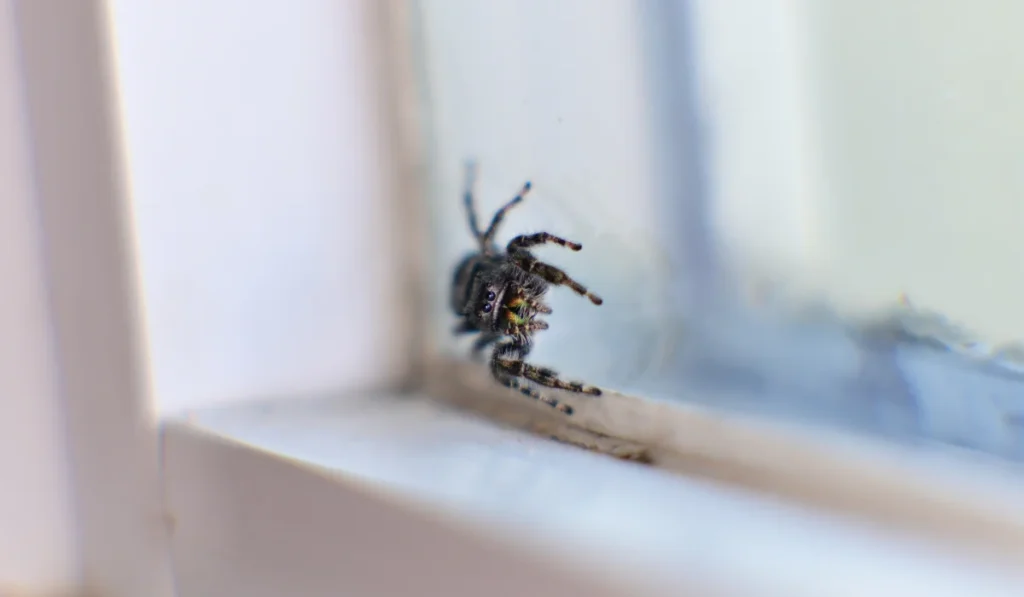
Jumping spiders are among the most frequently encountered indoor spiders in Nashville and among the least concerning. They are compact and stout with large, prominent forward-facing eyes that give them a distinctive appearance. That eye arrangement, two large front-facing eyes paired with smaller secondary eyes, separates them clearly from web-building species. Jumping spiders do not build traditional webs and instead actively hunt prey. They are not considered medically significant.
Brown Recluse Spiders
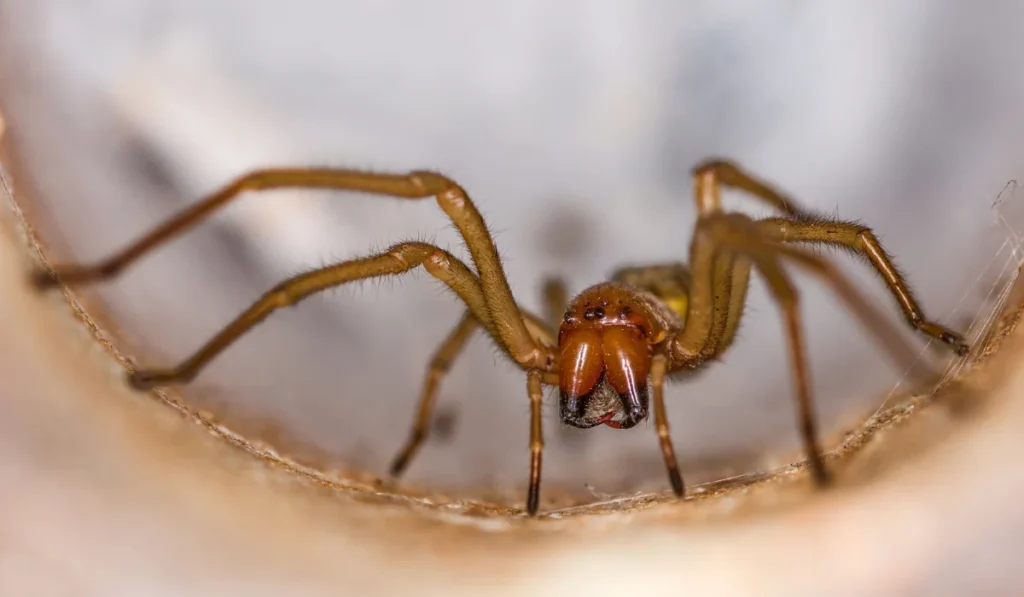
The brown recluse is a single species, not a general category for any light brown spider, and that distinction matters for accurate identification. The most reliable visual detail is eye arrangement: six eyes arranged in three pairs, forming a semicircle. Most other spiders have eight eyes. The brown recluse also carries a violin-shaped marking behind the eyes, though this marking can be faint and should be used alongside the eye count rather than as the sole identifier.
Male Southern house spiders are the most common look-alike in Nashville. They are light brown, long-legged, and slender-bodied, and they are frequently mistaken for brown recluses. Southern house spiders have eight eyes clustered in a single group rather than the three distinct pairs of the brown recluse. That difference in eye arrangement is the most practical way to tell them apart when you have a clear look.
Black Widow Spiders
Black widows are glossy black with a red hourglass marking on the underside of the abdomen. They prefer undisturbed, sheltered spots and are most commonly encountered in garages, sheds, wood piles, and cluttered storage areas rather than in living spaces. Wolf spiders sometimes create confusion because they carry a dark marking along the abdomen, but the wolf spider marking is typically diamond-shaped with a single flare at the center and does not resemble the hourglass pattern of a black widow on close inspection. Brown widows also exist in Tennessee and carry a similar hourglass, usually orange rather than red, but their venom is considered less potent than that of the black widow.
American House Spiders and Other Common Indoor Species
American house spiders are the small, brownish spiders responsible for most of the cobwebs found in corners, along ceiling edges, and near window frames in Nashville homes. They are not considered medically significant and are far more common indoors than either the brown recluse or black widow. Finding small, messy cobwebs in corners does not indicate a dangerous species. It indicates American house spiders, which are largely harmless and in fact beneficial for controlling other insects.
Why Spider Problems Develop in Nashville Homes
Spiders establish in Nashville homes when they find a reliable food supply and undisturbed shelter. Understanding what draws them in and how each species behaves helps you focus prevention where it matters.
Where Spiders Concentrate Outdoors
Outdoor debris is one of the most consistent contributors to spider activity near structures. Stacked firewood, unused building materials, leaf piles, and dense ground cover near the foundation create sheltered habitat that black widows and brown recluse spiders favor. Keeping those materials away from the perimeter of your home removes the outdoor harborage that keeps spider populations close to entry points.
Exterior light fixtures, eaves, and porch ceilings attract insects at night, which brings orb-weaving spiders and other web-builders to those same locations. Webs concentrated near lights are a reliable sign that insects are active there, which in turn sustains spider populations close to the structure.
What Draws Spiders Indoors
Spiders follow their food source. Insects that move through cracks, gaps, and utility penetrations bring spiders in behind them. Anything that reduces indoor insect activity also reduces indoor spider activity over time. That connection makes sealing entry points against insects one of the most effective indirect steps for managing spiders.
Brown recluse spiders are more active during spring months, when warmer temperatures increase movement toward structures. Indoors, climate-controlled spaces sustain brown recluse activity year-round, which is why confirmed activity in an attic or storage room during any season warrants attention rather than a seasonal wait-and-see approach.
How Spiders Use Entry Points
Spiders enter through the same gaps other pests use: cracks around door and window frames, openings where utility lines pass through exterior walls, damaged weatherstripping, and gaps along the foundation. Brown recluse spiders in particular use cracks and crevices in walls, baseboards, and stored goods to travel between hiding spots and prey. Checking those surfaces regularly and sealing visible gaps limits the pathways available to both spiders and the insects they follow.
Misidentification and Why It Matters
The most common spider identification mistake in Nashville homes is mistaking a Southern house spider male for a brown recluse. The two are similar in color and general build, and both are found in garages, storage areas, and undisturbed corners. Using eye arrangement to confirm identification prevents unnecessary concern about a harmless species while ensuring the correct response when a brown recluse is actually present. Taking a clear photo or saving a sample for professional confirmation is the most reliable approach when you are unsure.
Risks of Spiders in Nashville Homes
Which Species Warrant Genuine Caution
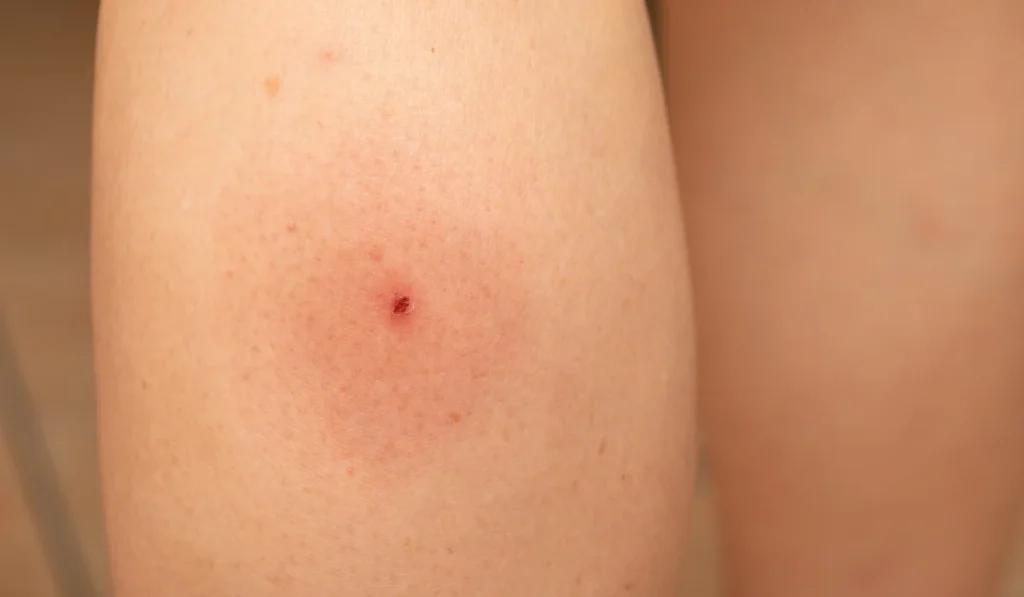
Most spiders found in Nashville homes can technically bite but pose no meaningful health risk to people. The brown recluse and black widow are the two species that carry medically significant venom in Middle Tennessee. Brown recluse bites can cause tissue damage that develops slowly over several days and may require medical attention. Black widow bites produce systemic symptoms that typically require prompt care. Neither species is aggressive, and bites almost always happen when the spider is accidentally contacted in an undisturbed space.
The EPA’s residential pest control guidance identifies professional inspection as the appropriate response when venomous species are suspected or confirmed indoors, particularly when activity is spread across storage areas, wall voids, or attic spaces that are difficult to inspect safely.
Where to Be Alert
Brown recluses hide in the folds of infrequently used clothing, inside stored boxes, beneath cluttered items in closets, and in garages and attic spaces. Bites most often happen when someone reaches into a storage area, puts on a garment that has been sitting undisturbed, or moves a box that a spider has been using as shelter. Shaking out infrequently used clothing and gloves before putting them on, and inspecting stored items before handling them, reduces the chance of accidental contact in the locations where brown recluse spiders are most likely to be found.
Webs and Property Nuisance
Spiders themselves do not cause structural damage, but persistent web-building in garages, storage areas, and attics creates accumulation that makes those spaces less usable over time. Heavy webbing in corners and along ceiling edges is also a reliable indicator that insects are present in numbers high enough to sustain a spider population. Addressing the insect activity tends to reduce the spider population alongside it.
When Indoor Activity Warrants a Closer Look
Finding spiders occasionally in living areas is normal in Middle Tennessee. Finding brown recluse spiders repeatedly, noticing them in multiple rooms, or discovering them during daylight hours in locations away from typical harborage all point to an established indoor population rather than incidental visitors. At that stage, surface-level removal is unlikely to be sufficient, and a professional inspection that covers storage areas, wall voids, and the attic gives you the most accurate picture of what is actually present.
Professional Spider Control in Nashville
Accurate identification is the foundation of any useful spider control plan. Knowing which species is present determines whether the situation calls for simple prevention, targeted treatment, or both.
Reducing What Draws Spiders In
Reducing indoor insect activity is the most effective long-term step toward lower spider populations. Sealing gaps where insects enter, keeping storage areas organized, removing outdoor debris from the foundation perimeter, and vacuuming webs and egg sacs regularly all reduce the conditions that sustain spider activity indoors. Egg sacs are worth removing promptly because each one can contain hundreds of spiderlings that will establish in the same area if they hatch undisturbed.
Installing door sweeps on entries that lead outdoors and into garages or basements closes the pathways both insects and spiders use to move inside. These physical exclusion steps work alongside professional treatment rather than replacing it when an established population is already present.
Why Inspection Comes First
A thorough inspection identifies which species are present, where they are concentrated, and what is drawing them to those specific areas of your home. Storage spaces, undisturbed corners, garages, and attic areas are where spider activity most often concentrates and most often goes unnoticed. A trained professional can evaluate those spaces safely and confirm identification when visual details are inconclusive.
Inspection also clarifies whether persistent activity involves brown recluse spiders specifically, since their distribution within a structure tends to be broader than most homeowners expect once a population is established. Knowing that drives a more complete treatment plan than treating only the locations where individual spiders have been found.
What Professional Treatment Involves
Waynes Pest Control technicians treat the exterior foundation, the full perimeter of your home, around all doors and windows, eaves, and approximately two to three feet out from the foundation. The microencapsulated product leaves microscopic particles on treated surfaces. When spiders or insects crawl across treated areas, the particles adhere to them and work over time. Some activity may continue for up to a week after treatment as the product takes full effect.
Full exterior treatments are performed in May, July, and September. Interior treatments are available during late fall and early spring when outdoor temperatures prevent exterior applications. Brown recluse infestations that have spread through wall voids and storage areas may require a combination approach that addresses harborage alongside the perimeter barrier. Waynes service professionals have served more than 150,000 families across Tennessee and bring over 50 years of experience to every inspection and treatment visit. Every little thing matters. A LOT.
What a Spider Control Plan Covers
Waynes’ ongoing programs cover general insects including spiders. Premium and Premium Plus programs carry a full-year guarantee for covered pests, with free return visits between scheduled services if activity appears. All seasonal treatments include a 30-day guarantee. Interior-only service is rarely the right starting point because spiders and their prey originate outside, and the exterior barrier is where control is most effective.
Bottom Line
Identifying spiders accurately before deciding how to respond is the most practical step Nashville homeowners can take. Eye arrangement, body shape, and web style separate the species worth monitoring from those that warrant more caution. Brown recluse and black widow spiders are the two species in Middle Tennessee that deserve a measured response when confirmed indoors. For everything else, reducing insects and sealing entry points goes a long way. If you are unsure about a spider or notice signs of a larger indoor population, contact Waynes Pest Control for a professional assessment.
Frequently Asked Questions
How Can I Tell If a Spider in My Home Is a Brown Recluse?
Eye count is the most reliable visual clue. The brown recluse has six eyes arranged in three distinct pairs. Most other spiders, including the common look-alike Southern house spider, have eight eyes. Body color alone is not sufficient for a confident identification because many light brown spiders share a similar appearance. If you are unsure, save the spider in a sealed container and have a professional confirm the species before deciding how to respond.
Are Most Spiders I Find Indoors Dangerous?
No. Most spiders found in Nashville homes are not medically significant. American house spiders, jumping spiders, wolf spiders, and Southern house spiders are all common indoors and pose no meaningful health risk. Careful identification helps you avoid unnecessary concern about harmless species while remaining appropriately alert to the two species that warrant genuine caution.
When Are Spiders Most Active Around Nashville Homes?
Outdoor spider activity increases during warmer months. Brown recluse spiders are most visible outdoors during spring but remain active year-round inside climate-controlled spaces including garages, attics, and storage areas. Watching for webs, egg sacs, and spider activity in those spaces throughout the year is more productive than limiting inspections to a particular season.
What Should I Do If I Keep Seeing Spiders Inside?
Start by reducing the insects that spiders are following indoors. Seal visible entry points around doors, windows, and utility penetrations. Vacuum webs and egg sacs from corners and storage areas regularly. Keep outdoor debris away from the foundation. If spider activity persists or involves species you cannot confidently identify, a professional inspection gives you the most accurate picture of what is present and what response is appropriate.