

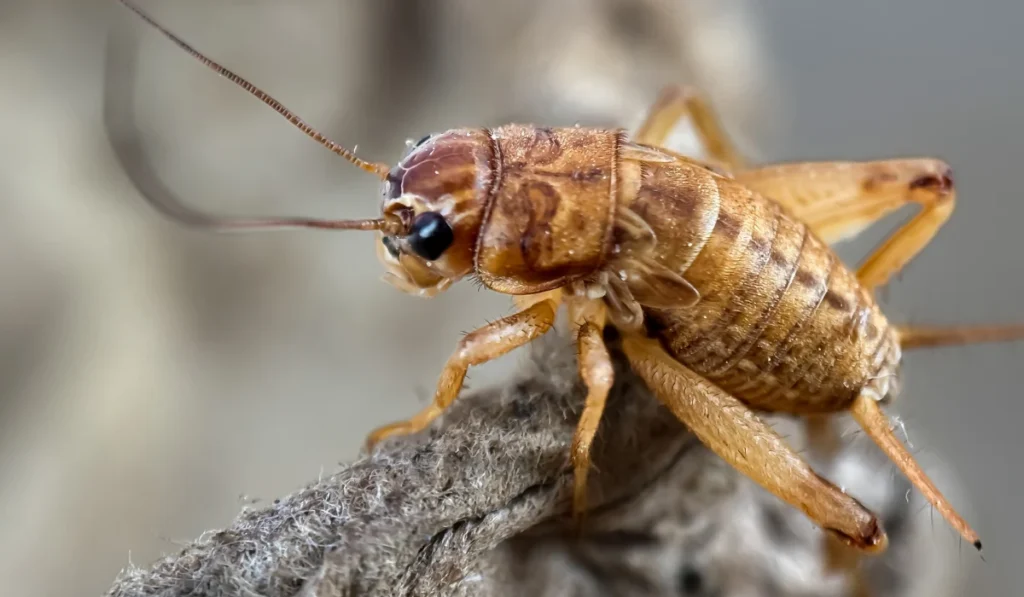
You expect to hear crickets outside on a warm evening, not from behind the sofa or beneath a kitchen appliance. Yet a house cricket chirping indoors is often one of the first signs that fall weather has reached your area. As nights become cooler, crickets leave exposed outdoor spaces and look for warmth, shelter, and dependable hiding places.
Across Alabama, Tennessee, Mississippi, and the Florida Panhandle, this seasonal movement can begin while daytime temperatures still feel mild. A cricket may first appear in the garage, crawl space, laundry room, or basement before finding its way into the main living area. Once inside, its nighttime chirping can be difficult to ignore.
Learning why house crickets enter homes, what draws them toward certain properties, and how to block their access can help you address the problem before one noisy visitor becomes a recurring fall nuisance.
Why a House Cricket Chirping Indoors Signals Fall
A house cricket chirping indoors is closely tied to changing outdoor conditions. Crickets spend much of the warmer season in lawns, gardens, mulch beds, and areas with dense ground cover. When nighttime temperatures begin to fall, they seek protected places where conditions remain more stable.
Homes provide many of the features crickets need. Garages, crawl spaces, wall voids, and storage rooms offer shelter from wind, rain, and temperature swings. Openings around doors, vents, foundations, and utility lines can give them an easy route inside.
The sound itself also has a purpose. The University of Florida Institute of Food and Agricultural Sciences house cricket guide explains that male crickets produce their calls by rubbing their forewings together. They use these sounds to attract females and communicate with other males. Outdoors, the chirping blends into the evening. Indoors, walls and hard surfaces can make a single cricket sound much louder than expected.
Which Type of Cricket Is Inside Your Home?
Not every cricket found indoors is a house cricket. Several species may move near or into homes during the fall, and each one behaves differently. Identifying the cricket can help you understand whether warmth, outdoor lighting, or moisture is the main attraction.
House Crickets
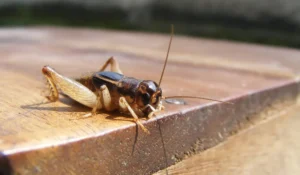
House crickets are light brown or tan and have long antennae. They are active at night and are the crickets most likely to produce steady chirping inside a home.House crickets are nocturnal insects, which is why homeowners often hear them after the lights go out.
These crickets may hide beneath furniture, behind appliances, inside closets, or along the edges of utility rooms. They can enter through small gaps around doors, windows, vents, and the foundation.
Field Crickets
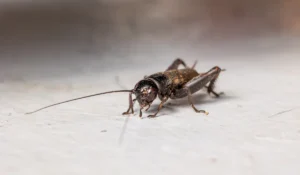
Field crickets are usually darker than house crickets and commonly live in lawns, fields, and landscaped areas. They may gather near garages, patios, and entry doors during late summer and fall, especially when outdoor lighting draws them toward the house.
Male field crickets also chirp, but they generally remain outdoors unless weather changes or easy entry points lead them inside. A field cricket found in the garage may be an isolated visitor, while repeated sightings can point to a larger population close to the foundation.
Camel Crickets
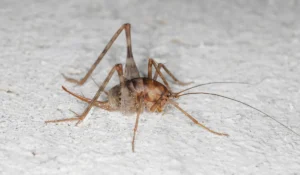
Camel crickets have long legs, a rounded back, and a spider-like appearance. They do not chirp. Instead of seeking warm living spaces, they favor dark, damp areas such as basements, crawl spaces, garages, and storage rooms.
The University of Kentucky also notes that camel crickets are strongly associated with moist environments. Their presence may indicate excess humidity, poor ventilation, or a water issue that deserves attention.
| Cricket Type | Chirps Indoors? | Common Location | Main Attraction |
|---|---|---|---|
| House cricket | Yes | Living areas, garages, utility rooms | Warmth and shelter |
| Field cricket | Yes | Garages, patios, entryways | Outdoor lights and seasonal shelter |
| Camel cricket | No | Basements and crawl spaces | Moisture and darkness |
Why Crickets Come Indoors as Temperatures Cool
When fall nights arrive, crickets begin searching for places that protect them from changing conditions. A home can offer a steady temperature, hidden spaces, and access to moisture. Crickets do not need a wide opening to get inside, so small maintenance issues can make a noticeable difference.
Gaps beneath exterior doors are common entry points. Crickets may also enter through torn screens, foundation cracks, open garage doors, crawl space vents, and openings around plumbing or electrical lines. Once inside, they tend to stay close to walls and hide in areas where they are less likely to be disturbed.
Moisture can encourage them to remain. Condensation around HVAC equipment, a dripping pipe, damp storage materials, or poor crawl space ventilation may create favorable conditions. A cricket that enters by accident may leave or die off, but a space with shelter and moisture can support continued activity.
House crickets are also opportunistic feeders. The University of Minnesota Extension cricket resource explains that house crickets may feed on natural fibers, including wool, silk, cotton, and linen, when other food is limited. Damage is not common from a single cricket, but larger numbers may affect stored fabrics, paper products, or items soiled with food.
What Attracts Crickets to Your Property?
Cricket activity often begins outside. Conditions around the yard can allow large numbers of crickets to live close to the home, making indoor entry more likely when fall weather arrives.
Exterior lights are a major factor. Bright porch lights, garage lights, and landscape fixtures attract many insects after dark, including crickets. When those insects gather near doors and windows, they have more opportunities to slip through gaps.
Landscaping also matters. Thick mulch, leaf litter, overgrown grass, dense shrubs, and stacked firewood create shaded hiding places that hold moisture. These areas are especially attractive when they sit directly against the foundation. Trimming plants away from exterior walls and clearing debris reduces the shelter available near common entry points.
Pet food, birdseed, and open trash containers may provide additional food sources. Cardboard boxes stored on garage or basement floors can also create protected hiding places, particularly if the area is damp. Keeping storage areas dry and organized makes them less inviting to crickets and other seasonal pests.
Are House Crickets Harmful?
For most households, house crickets are nuisance pests rather than a direct health threat. They are not known for spreading disease inside homes, and they do not damage wood or weaken the structure of a house.
The most immediate problem is the noise. Male crickets may chirp for long periods at night, and the sound can be difficult to locate. A cricket may stop when someone enters the room, then begin again after the area becomes quiet. This behavior can make one insect feel like a much larger problem.
House crickets may also leave droppings in areas where they hide. When several are present, they can soil shelves, storage areas, and surfaces along walls. They may feed on certain fabrics or paper products if suitable food is scarce, though widespread damage is unusual in homes.
Cricket activity can also support other pest activity. Spiders feed on insects, so a steady supply of crickets around garages, foundations, and crawl spaces may draw spiders toward the same areas. Reducing cricket populations removes one food source that can encourage spiders to remain near the home.
How to Prevent Crickets From Moving Indoors
Preventing a house cricket chirping indoors starts with reducing access from the outside. Walk around your home and inspect the foundation, doors, windows, vents, and utility openings. Seal visible cracks, repair damaged screens, replace worn weather stripping, and install door sweeps where light is visible beneath an exterior door.
Pay close attention to the garage. Keep the door closed when it is not in use, and check the bottom seal for gaps. Crickets often enter garages first because these spaces connect outdoor conditions with the interior of the home. From there, they may move through gaps around interior doors or walls.
Moisture control is just as important. Repair leaking pipes, improve drainage near the foundation, and address damp conditions in crawl spaces or basements. Dehumidification and better ventilation may help in areas that remain humid through the fall.
Outside, keep grass trimmed and remove leaves, wood piles, and unused materials from the foundation. Store firewood off the ground and away from exterior walls. Reduce unnecessary outdoor lighting, or use warmer-colored bulbs near doors and windows to make those areas less attractive to nighttime insects.
Inside the home, reduce clutter in garages, basements, and storage rooms. Store fabrics, paper goods, and seasonal items in sealed containers instead of open cardboard boxes. Vacuuming along baseboards and behind appliances can remove food debris and help you spot cricket activity early.
When Cricket Activity Calls for Professional Help
One cricket that slips through an open door does not always indicate a larger problem. Repeated sightings, nightly chirping in several rooms, or continued activity over multiple weeks can suggest that crickets have found dependable entry points or favorable conditions around the home.
A professional inspection can help locate gaps that are easy to miss, identify moisture issues, and determine where outdoor populations are concentrated. This approach addresses the source of the activity instead of focusing only on the cricket you can hear.
Professional service may also make sense when crickets appear alongside spiders or other fall pests. Several pest species may use the same cracks, damp areas, and sheltered spaces. Correcting those conditions can improve control across the property and reduce the chance of repeated indoor activity.
Keep Your Home Quieter This Fall
A house cricket chirping indoors may signal that cooler nights have arrived, but it does not have to become the soundtrack of your fall. Crickets usually enter while searching for shelter, warmth, or moisture, and the conditions around your home often determine whether they stay.
Sealing entry points, controlling moisture, maintaining the area around the foundation, and adjusting exterior lighting can make your property less attractive to crickets. When chirping continues or sightings increase, Waynes can inspect your home, identify the source of the activity, and recommend a practical plan for keeping house crickets outside where they belong.
Ready to address recurring cricket activity or other seasonal pest concerns? Contact Waynes to schedule service and get help protecting your home this fall.


