

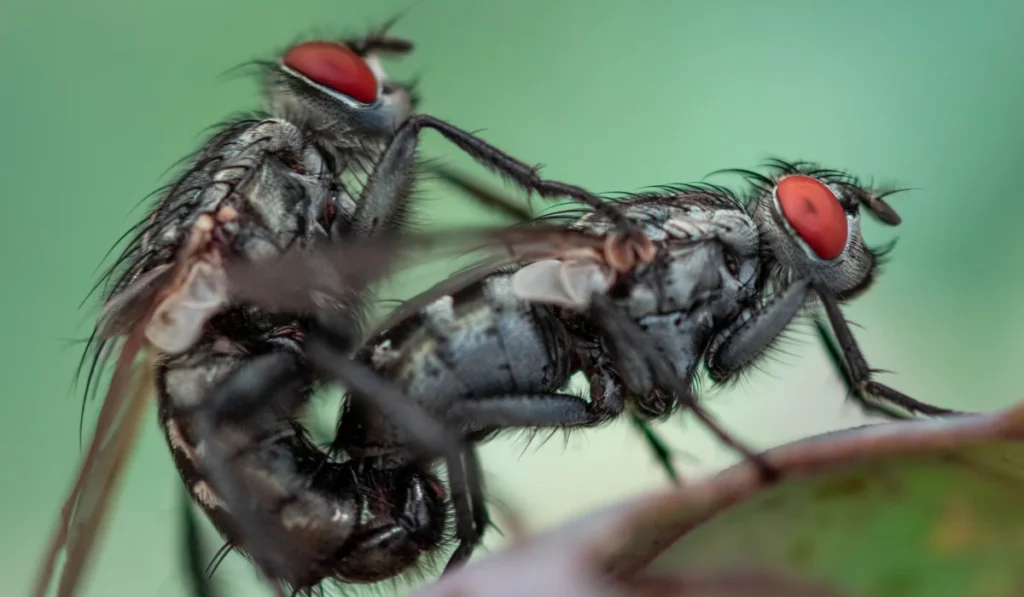
When slow-moving flies begin collecting around upstairs windows in fall, you may assume they are regular house flies. In many homes, they are cluster flies, a seasonal pest that enters buildings for shelter rather than food.
Cluster flies often settle in attics, wall voids, and other protected spaces as outdoor temperatures cool. They may stay hidden for weeks, then appear near windows when sunlight or indoor warmth brings them out of their resting areas. That is why the problem can seem to appear overnight, even in a clean home.
For homeowners in Alabama, Tennessee, Mississippi, and the Florida Panhandle, long stretches of mild fall weather can extend seasonal pest activity. Learning how to identify cluster flies, where they enter, and how they differ from house flies can help you address the source of the problem before it returns the following year.
What Are Cluster Flies?
Cluster flies are nuisance pests that spend part of the year outdoors and move into buildings as colder weather approaches. They belong to the genus Pollenia, and their larvae develop outdoors in association with earthworms. Adults enter homes only after reaching maturity, so their presence does not usually point to an indoor breeding source.
These flies are often dull gray with yellowish or golden hairs on the upper body. Their movement also sets them apart from many other flies. Cluster flies tend to move slowly, especially after spending time in a cool attic or wall void.
According to Penn State’s guidance on cluster flies, these insects commonly use buildings as overwintering sites. They may remain out of sight for long periods, then become active again when conditions warm. A homeowner may notice only a few flies at first, followed by more activity on a sunny day.
Where Cluster Flies Hide
Cluster flies often settle in attics, wall voids, spaces behind siding, and gaps near rooflines. These locations protect them from wind, rain, and colder outdoor temperatures.
They do not need to remain in the main living area to stay inside the home. A fly that appears in a bedroom or bonus room may have traveled from an attic space, a gap behind trim, or an opening around a window frame.
Cluster Flies vs. House Flies
Cluster flies and house flies can look similar at a glance, but their behavior and indoor habits are different. House flies are usually linked to food, garbage, animal waste, or other moist organic material. Cluster flies enter structures mainly to find a sheltered place for the colder months.
Their movement often provides the first clue. House flies usually move quickly and dart between surfaces. Cluster flies tend to fly more slowly and may crawl along windows, walls, or ceilings.
The location of the activity also matters. House flies are often found in kitchens, near garbage containers, or around food preparation areas. Cluster flies are more likely to appear in upper rooms, attics, stairwells, and sunny windows.
| Feature | Cluster Flies | House Flies |
|---|---|---|
| Main reason they enter homes | Seasonal shelter | Access to food or breeding material |
| Common time noticed | Fall and warm winter days | Warm periods or whenever food sources are available |
| Movement | Slow and sluggish | Fast and active |
| Common indoor locations | Attics, upper rooms, wall voids, and windows | Kitchens, garbage areas, doors, and food surfaces |
| Indoor breeding | Usually does not occur | Can occur where suitable organic material is present |
| Main prevention focus | Exterior sealing and exclusion | Sanitation, screens, and waste control |
This difference matters because the wrong response can waste time. Cleaning food surfaces and emptying garbage may help with house flies, but it will not close the roofline gaps or siding joints that cluster flies use to enter.
Why Identification Comes First
Slow movement alone does not confirm that an insect is a cluster fly. Several fly species can enter homes, and some may appear in the same rooms.
A pest professional can inspect the insect and the surrounding area before recommending a plan. Correct identification helps determine whether the problem is tied to seasonal entry, sanitation, moisture, or another source.
Why Cluster Flies Show Up in Fall
Cluster flies in fall are responding to changes in outdoor temperature and daylight. As conditions cool, adults begin looking for protected spaces where they can remain sheltered.
Homes offer many small entry points. Cluster flies may gather on sun-warmed siding before moving through gaps around soffits, fascia boards, vents, utility penetrations, window frames, and roof edges. Openings high on the home are especially easy to overlook from the ground.
University of Minnesota’s information on overwintering insects emphasizes exclusion as a central part of preventing seasonal pests from entering buildings. Once cluster flies move into hidden walls or attic spaces, reaching every insect becomes difficult. Preventing entry before fall activity increases is often more effective than waiting until flies begin appearing indoors.
Southern weather can make the timing less predictable. Cool nights may encourage cluster flies to seek shelter, while warm afternoons can keep them active around the exterior. This back-and-forth pattern may continue until colder weather becomes consistent.
Why the Problem Can Return Each Year
A recurring cluster fly infestation does not mean the flies are building a permanent indoor colony. It often means the same entry points remain available from one fall to the next.
Homes near lawns, gardens, and open ground may have cluster flies in the surrounding environment because their development occurs outdoors. Removing earthworms or changing the landscape is not the answer. The more practical step is to reduce the number of openings that allow adult flies to enter the structure.
Why Cluster Flies Gather Near Windows
Cluster flies in windows are usually moving toward light after leaving a hidden resting place. A bright, warm window can draw them out of an attic, wall void, or space behind trim.
You may notice more activity in upper-floor rooms or near windows that receive strong afternoon sun. Some flies crawl across the glass, while others collect along the frame or fall onto the sill. Their sluggish movement may make them look injured, but they may simply be reacting to a change in temperature.
The activity can stop and start. A cool, cloudy period may leave the flies inactive, while a warmer day may bring another group into view. This explains why vacuuming the visible flies does not always end the problem.
Dead flies on a windowsill can also remain after the activity slows. Cleaning the area removes what you can see, but it does not address the exterior opening that allowed the flies inside.
How to Get Rid of Cluster Flies Indoors
When cluster flies are already inside, physical removal is the best place to start. A vacuum can collect adults from windows, walls, and floors without spreading residue across the room. Empty the vacuum outdoors after use so live insects do not return to the home.
Avoid crushing cluster flies against curtains, upholstery, or painted surfaces. This can leave stains and create more cleanup. You can also inspect nearby window frames, attic access panels, and trim for gaps that may connect the room to a hidden space.
Visible removal will not reach flies that remain inside wall voids or inaccessible attic areas. More adults may appear when warmth or sunlight draws them out. That does not necessarily mean the population is increasing indoors. It may mean additional flies that entered earlier are becoming active.
If cluster flies continue appearing in several rooms, a professional inspection can help identify where they are entering and where they are resting. The inspection may focus on the attic, roofline, siding, vents, or upper-story window openings.
How to Prevent Cluster Flies Before Next Fall
Cluster fly prevention begins outside the home. Inspecting the exterior before cooler weather arrives gives you time to repair gaps before adult flies begin seeking shelter.
Check soffits, fascia boards, roof edges, attic vents, siding joints, utility penetrations, window frames, door frames, and damaged screens. Replace worn weather stripping and repair loose trim or openings around exterior materials. Work around roofing, electrical service lines, and upper stories should be left to a qualified professional.
Do not block attic ventilation while trying to seal the structure. Vents must continue to function as designed, but damaged screens or loose edges may still need repair. The goal is to preserve airflow while preventing insects from slipping around the vent assembly.
Colorado State University Extension’s recommendations for overwintering flies include sealing structural openings as a standard prevention step. Timing is central to that process. Exterior repairs are more useful before cluster flies have already entered attics and wall spaces.
Pay Attention to the Upper Exterior
Homeowners often start by checking doors and ground-level windows, but cluster flies may enter much higher on the structure. Loose siding near the roofline, damaged soffits, gaps around attic vents, and openings under trim can be difficult to see from below.
A professional exterior inspection can help locate those less obvious access points. It can also separate cluster fly activity from other fall-invading pests that use similar openings. That makes the prevention plan more focused and reduces unnecessary work inside the home.
Protecting Your Southern Home From Cluster Flies
Cluster flies are not regular house flies, and treating them as the same problem can lead you in the wrong direction. Indoor cleaning may remove visible insects, but long-term control depends more on correct identification, seasonal timing, and exterior exclusion.
Vacuum the flies you can reach, watch for repeated activity near sunny windows, and inspect the exterior before the next fall season begins. For help identifying cluster flies and locating likely entry points, learn more about Waynes Pest Control or contact the Waynes team to schedule service for your home.


