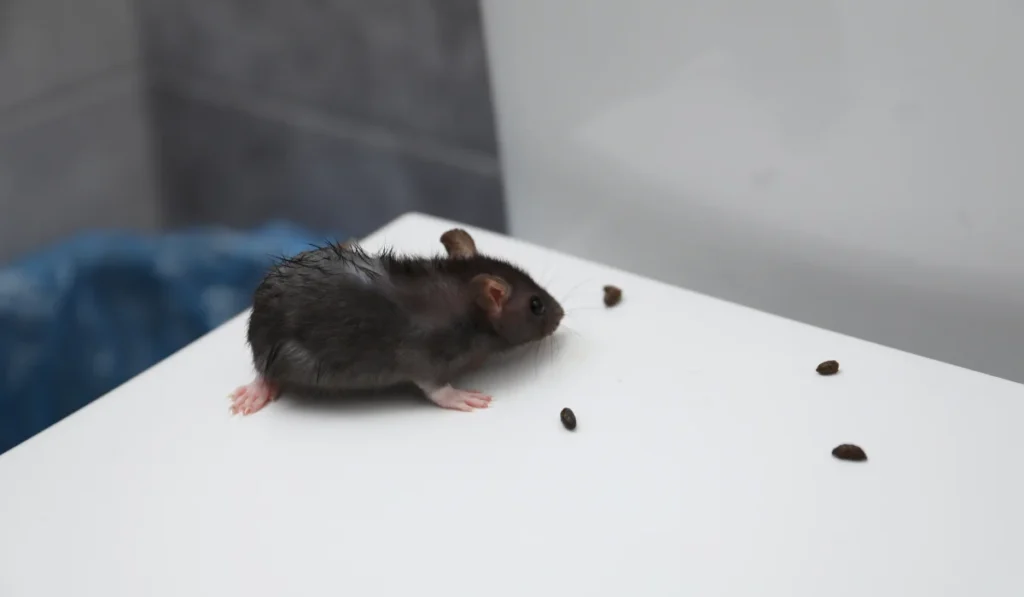

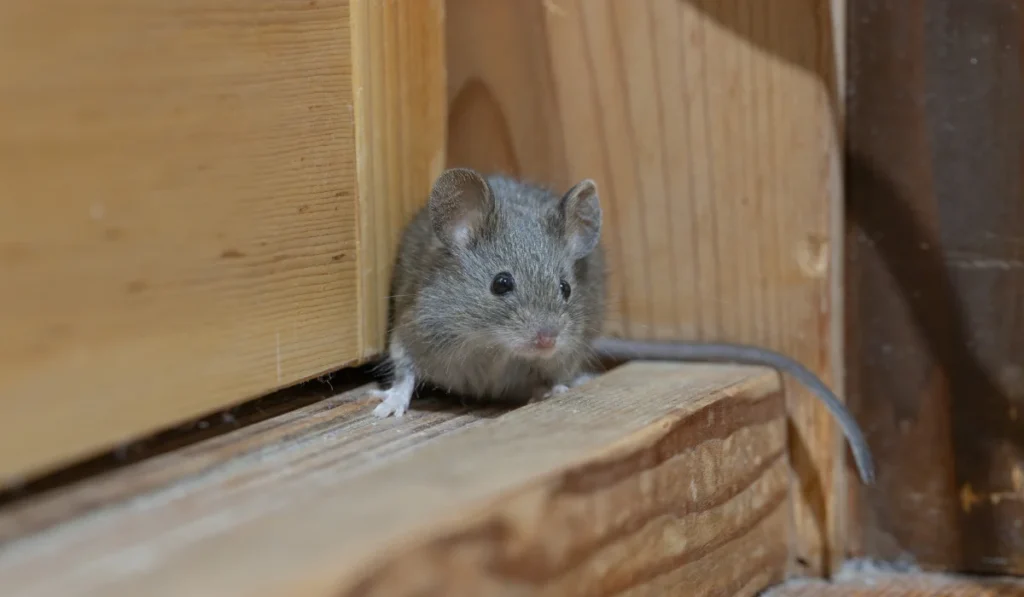
The first cool nights of fall bring welcome relief after a long summer, but they also mark the beginning of one of the busiest seasons for rodents. As temperatures begin to drop and food becomes harder to find outdoors, field mice start looking for places that offer warmth, shelter, and easy access to food. For many homeowners across Alabama, Mississippi, Tennessee, and the Florida Panhandle, that place is inside the walls of their home.
Most people assume mice don’t become a problem until winter arrives. In reality, they often begin moving indoors long before the first freeze. By the time scratching noises are heard behind drywall or droppings appear in the garage, mice may have already established nests in hidden areas of the home.
Understanding why field mice move indoors, how they get inside, and what attracts them can help you stop an infestation before it grows. A few preventive steps taken during early fall can often save homeowners from dealing with a much larger rodent problem later in the season.
Why Field Mice Move Indoors Before Winter
Field mice spend spring and summer living outdoors in grassy fields, wooded edges, fence rows, and agricultural areas where food and shelter are plentiful. As the seasons begin changing, those resources become less reliable. Harvested crops, dying vegetation, and cooler nights encourage mice to search for locations that provide more stable living conditions.
Food Becomes Harder to Find
Many people believe mice enter homes because they are cold. While lower temperatures play a role, food availability is often an even stronger motivator. According to the University of California Integrated Pest Management Program, rodents commonly move into buildings when outdoor food sources decline and structures provide dependable shelter and nesting sites.
Homes offer much more than warmth. Pantries, pet food, bird seed stored in garages, and even small crumbs beneath appliances provide reliable food sources that are difficult to find outdoors during the fall.
Fall Creates Ideal Conditions for Rodent Activity
Across the Southeast, harvested fields and wooded neighborhoods naturally increase seasonal rodent movement. As mice leave fields in search of new shelter, nearby neighborhoods often become the next stop.
Homes located near farmland, wooded lots, or undeveloped land frequently experience higher rodent pressure during the fall because mice have shorter distances to travel before reaching residential areas.
Rather than waiting until freezing weather arrives, many mice begin exploring homes as soon as nighttime temperatures become consistently cooler.
How Field Mice Get Inside Your Home
One of the reasons mice are such successful pests is their ability to enter homes through surprisingly small openings. Tiny gaps that appear insignificant to homeowners may provide all the space a mouse needs to squeeze inside.
Small Openings Can Lead to Big Problems
The National Pest Management Association reports that a mouse can fit through an opening about one quarter of an inch wide. Gaps around utility lines, foundation cracks, damaged weather stripping, crawl space vents, and garage doors are among the most common entry points.
Once outside the home, mice naturally travel alongside foundations where they remain protected from predators. As they explore the exterior, they investigate small openings until they discover a way inside.
Why Garages Are Often the First Stop
Garages frequently become the first area mice enter because they combine easy access with plenty of shelter. Seasonal decorations, cardboard boxes, stored pet food, lawn equipment, and clutter provide ideal hiding places before rodents move deeper into the home.
After entering the garage, mice often travel through wall voids or utility penetrations without ever crossing open living spaces. This hidden movement allows an infestation to grow before homeowners realize rodents are present.
| Common Entry Point | Why Mice Use It |
|---|---|
| Garage door gaps | Easy access at ground level |
| Utility pipe openings | Small gaps around exterior penetrations |
| Foundation cracks | Hidden entry close to the ground |
| Crawl space vents | Protected access beneath the home |
| Damaged weather stripping | Creates openings around exterior doors |
Why Wall Voids Make the Perfect Nesting Spot
Once field mice enter a home, they rarely stay in open areas for long. Instead, they seek protected spaces where they can travel, rest, and raise their young without being disturbed. Wall voids provide exactly those conditions.
Hidden Spaces Offer Safety
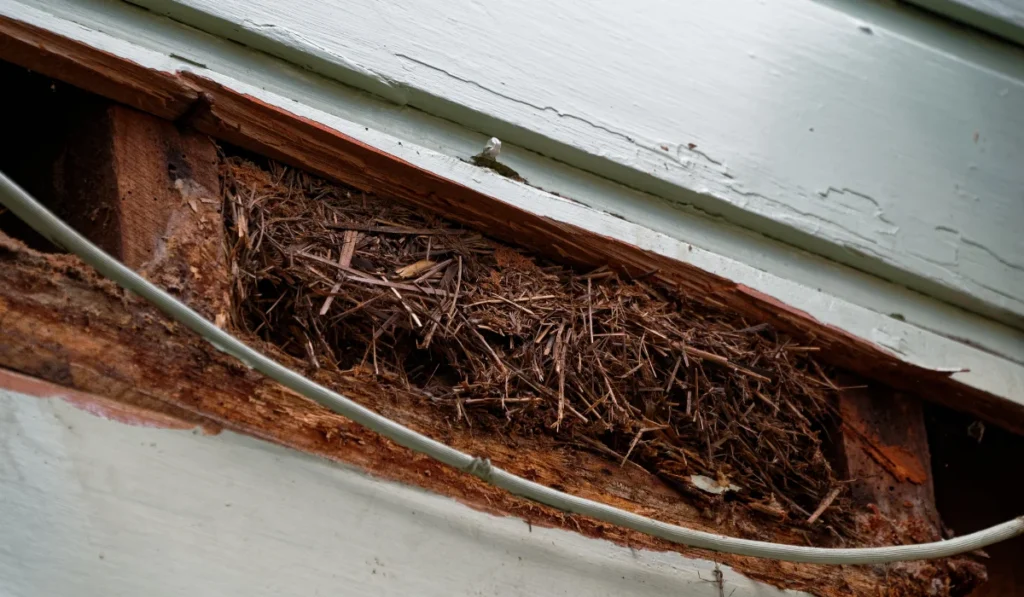
The space inside a wall remains dark, quiet, and protected throughout the day. Electrical wiring, plumbing lines, and framing create natural pathways that allow mice to move through the home without crossing occupied rooms. Because these areas receive very little human activity, mice can remain hidden for weeks before anyone notices they are there.
Insulation makes these spaces even more attractive. Mice frequently gather shredded paper, fabric, and insulation fibers to build nests that stay warm throughout the cooler months.
Why Homeowners Usually Hear Mice at Night
Mice are primarily nocturnal, which means most of their activity happens after sunset. As the house becomes quieter, homeowners may hear scratching, light scurrying, or chewing sounds coming from walls or ceilings. These noises often become more noticeable during the fall because mice spend more time gathering food and nesting materials after moving indoors.
By the time these sounds become consistent, mice have often established regular travel routes inside the walls, making early detection especially important.
Signs Field Mice May Already Be Living Inside
Seeing an actual mouse is only one sign of an infestation. In many cases, homeowners first notice evidence of rodent activity long before spotting a live animal. Paying attention to these early warning signs can help prevent a small problem from becoming much larger.
Common Signs of Rodent Activity
Fresh droppings are one of the clearest indicators that mice are active inside a home. They are commonly found along walls, beneath sinks, inside pantries, behind appliances, or near stored food. Gnaw marks on food packaging, shredded paper used for nesting, and unusual pet behavior can also indicate hidden rodent activity.
Persistent scratching behind walls, particularly after dark, often suggests mice are traveling between nesting sites and food sources rather than simply passing through the home.
What Happens After Mice Move Into Your Walls
Once field mice establish themselves inside a home, they rarely stay in one location. Wall voids, attics, crawl spaces, and utility chases allow them to move freely between rooms while remaining out of sight. As they search for food each night, they often leave behind droppings, nesting materials, and chew marks that become more noticeable over time.
Mice Can Damage More Than Stored Food
Many homeowners associate mice with contaminated food, but property damage is another common concern. Mice constantly gnaw because their front teeth continue growing throughout their lives.
The Centers for Disease Control and Prevention notes that rodents can contaminate food and food preparation surfaces with droppings, urine, and nesting materials. At the same time, their chewing habits can damage cardboard, insulation, drywall, plastic, and electrical wiring, leading to repairs that are often far more expensive than addressing the infestation early.
Insulation is another frequent target. As mice build nests, they tear apart insulation and other soft materials to create protected spaces for resting and raising their young. Over time, damaged insulation can reduce a home’s energy efficiency and make attics and exterior walls less effective at regulating indoor temperatures.
One Mouse Rarely Stays Alone
Seeing a single mouse often leads homeowners to believe it wandered inside by accident. While that can happen, mice are social animals that follow familiar travel routes and quickly take advantage of reliable food and shelter. If one mouse has successfully entered the home, others may use the same entry point unless it is properly sealed.
That is why early intervention is so important. Addressing an infestation before mice become well established is generally easier than trying to eliminate a larger population that has already settled inside hidden areas of the home.
Field Mice vs. House Mice
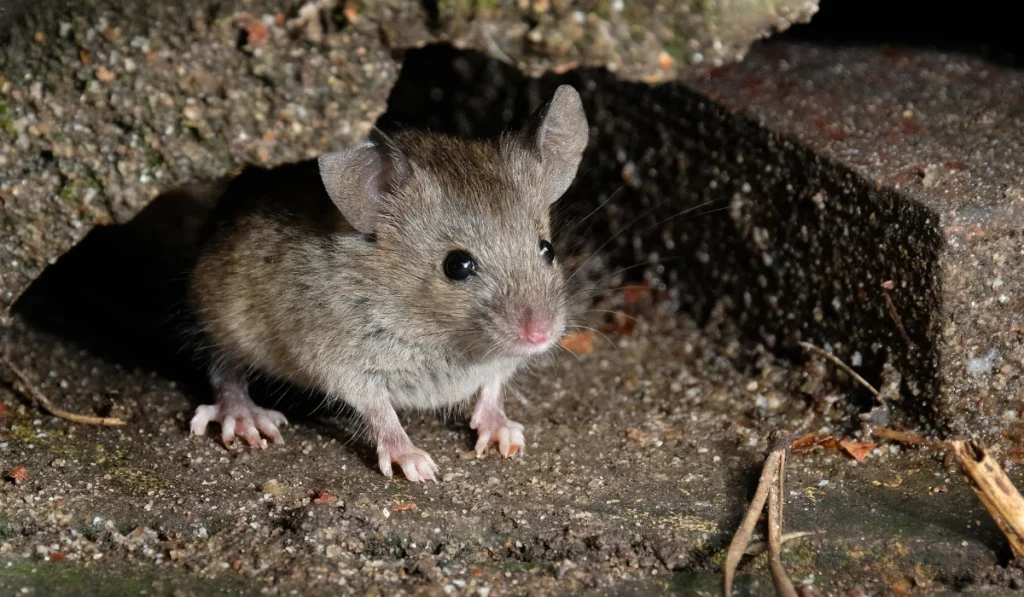
Although homeowners often use the terms “field mouse” and “house mouse” interchangeably, they describe rodents with different habits. Understanding those differences can help explain why mouse activity often increases during the fall.
Field mice typically spend most of the year outdoors before moving inside as environmental conditions change. House mice, on the other hand, have adapted to living around people and may remain indoors throughout the year if food and shelter are readily available.
| Field Mouse | House Mouse |
|---|---|
| Usually lives outdoors | Frequently lives indoors year-round |
| Moves inside during cooler weather | Can remain active inside every season |
| Common near fields and wooded areas | Common in homes, garages, and businesses |
| Seasonal indoor visitor | Often establishes long-term indoor populations |
Regardless of the species, prevention focuses on the same principles. Limiting access to food, sealing entry points, reducing clutter, and correcting conditions that encourage nesting remain the most effective ways to keep rodents from becoming established.
How to Keep Field Mice Out This Fall
Preventing mice from entering your home is almost always easier than removing them after they have settled inside. A thorough inspection before temperatures begin dropping can identify small issues that are easy to fix before they become larger problems.
Seal Entry Points Before Rodents Find Them
Walk around your home and inspect the foundation, garage doors, crawl space vents, utility penetrations, and exterior doors for gaps or damage. Even small openings deserve attention because mice can squeeze through spaces much smaller than many homeowners expect.
Weather stripping should fit tightly against doors, vent screens should remain intact, and cracks around plumbing or electrical lines should be sealed promptly. These improvements help reduce access for mice while also limiting entry for many other seasonal pests.
Reduce Food and Shelter Around Your Home
Outdoor conditions influence rodent activity just as much as the condition of the home itself. Store firewood away from exterior walls, trim shrubs that touch the house, and remove leaf piles or dense vegetation that create sheltered travel routes near the foundation.
Inside the home, keep pantry items in sealed containers, clean up crumbs promptly, and avoid storing pet food in open bags inside the garage. Replacing cardboard boxes with durable plastic storage containers also removes potential nesting sites while making it easier to spot signs of rodent activity during routine inspections.
Protect Your Home Before Field Mice Settle In
Field mice do not wait until winter arrives before looking for shelter. As soon as nights begin cooling off, they start searching for warm, protected spaces where food and nesting materials are easy to find. Homes with accessible entry points, cluttered storage areas, and hidden wall voids provide everything they need to become established before colder weather sets in.
Taking preventive steps during the early fall can help reduce the likelihood of dealing with scratching inside the walls, damaged insulation, contaminated food, or costly repairs later in the season. Regular inspections, moisture management, and sealing potential entry points all work together to make your home less attractive to rodents.
If you’ve heard scratching behind your walls, noticed mouse droppings, or suspect rodents have already made their way inside, it’s best to address the problem before it grows. Visit Waynes to learn more about our professional rodent control services and how we help homeowners protect their properties throughout the year.
If you’re ready for expert assistance, Contact Our Team to schedule an inspection and help keep field mice out of your home this fall and winter.