Skip to content


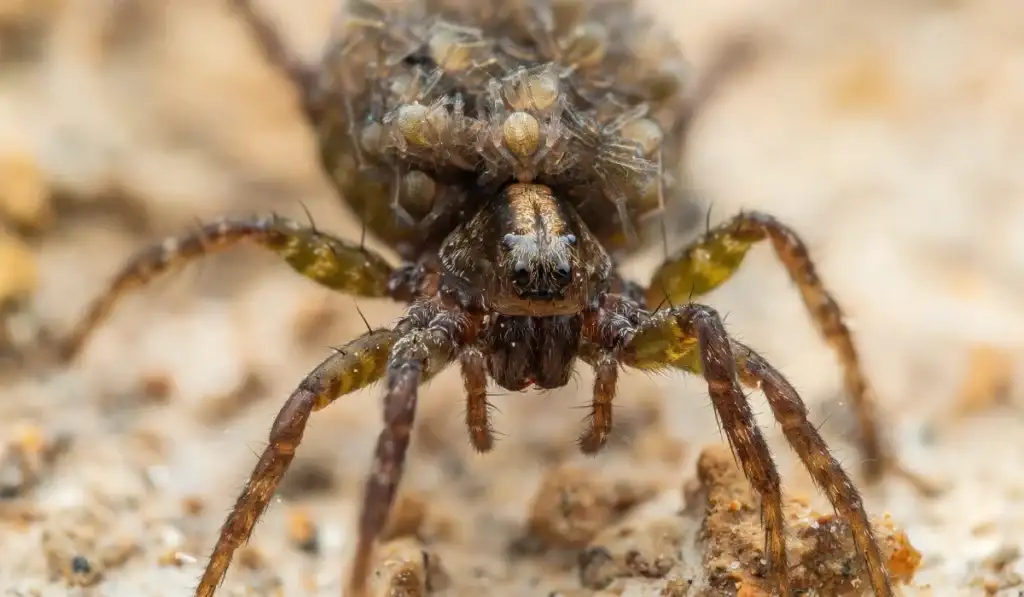
Seeing a large spider in your home can feel scary. In Chattanooga, wolf spiders sometimes enter homes while searching for food. You may spot them in garages, basements, or around doorways.
These bites are usually mild, but they can still cause pain, redness, and worry. It can look like other bug bites, which makes the cause hard to identify.
Knowing the signs can help you stay calm and take the right steps. Below, you will find common wolf spider bite symptoms, warning signs that need faster action, and ways to reduce spiders around your home with help from pest control.
Key Takeaways
- A wolf spider bite often causes mild pain, redness, and itchiness.
- Many bites improve with basic first aid, but symptoms can vary. Some may need medical care.
- If you have trouble breathing, hives, or other serious symptoms, get medical attention right away.
Wolf Spider Bite Symptoms and What They Mean
A wolf spider bite can look different for each person. Most bites stay mild and improve with basic care.
Mild Pain and Redness
A wolf spider bite often causes mild pain at the bite area. The skin may look red and feel sore for a short time. It may look like other insect bites or a bee sting.
A wolf spider bite may look like other insect bites or a bee sting. In many cases, the pain fades quickly.
Itchiness and Swelling
Some people may have itching, swelling, or warmth around the bite area. These symptoms are often mild.
An ice pack wrapped in a washcloth can help with swelling. An over-the-counter antihistamine such as diphenhydramine (Benadryl) may help relieve itching. Check with a healthcare provider if you have questions.
Allergic Reaction Signs
Some people may have an allergic reaction after a wolf spider bite. Hives, swelling, or worsening symptoms are signs to watch for.
A strong allergic reaction can become serious. If these symptoms appear, contact a healthcare provider right away.
When a Bite Concern Needs Faster Action
Most wolf spider bites do not become serious. Still, some warning signs need quick medical care.
Trouble Breathing
Trouble breathing is a major warning sign and may point to anaphylaxis, which can be life-threatening.
If this happens, get medical attention right away.
Spreading Swelling or Pain
A bite that keeps getting worse may need medical advice. Strong swelling, growing pain, or spreading redness should not be ignored.
A healthcare provider can help decide if medical treatment is needed, especially if the bite area becomes hot or very tender.
Signs You Feel Sick
If you feel weak, dizzy, or unwell after a wolf spider bite, reach out for medical care.
Wolf Spider Bites vs. Other Bite Lookalikes
A wolf spider bite can be confused with many other bites. A few clues can help narrow it down.
Other Spider Bites
A brown recluse spider bite or black widow spider bite may cause more serious symptoms than a wolf spider bite because these spiders have stronger venom.
A wolf spider bite is often milder than other spider bites, though symptoms can vary. Because symptoms can overlap, correct ID matters when identifying a type of spider.
Common Insect Bites
Mosquito bites, flea bites, bed bug bites, and chigger bites can all cause red, itchy marks. These insect bites often show up in groups.
A wolf spider bite may appear as a single sore spot, though bite patterns can vary.
What to Do if You Find Wolf Spiders at Home
Finding wolf spiders indoors can be unsettling. A few simple steps can help lower the risk of bites.
Lower the Indoor Bug Supply
Wolf spiders go where food is easy to find. Reducing indoor pests can make your home less appealing to them. Year-round pest prevention services help reduce common pests that attract spiders, thereby lowering spider activity over time.
Check Entry Points
Spiders can slip in through small gaps around doors, windows, and walls. Check for cracks in garages, basements, and other low-traffic spaces.
Closing these entry points can help keep spiders out. It can also help with other pest issues.
Use Safe Habits
Wear long sleeves when cleaning storage areas, moving boxes, or working in dark spaces.
If spider activity keeps coming back, professional pest control services can help inspect problem areas and recommend next steps.
Book a Spider Inspection in Chattanooga
Wolf spiders may enter homes while hunting for food, which can raise concerns about bites. Even when bites are mild, most homeowners want fewer spiders inside.
Waynes Pest Control offers year-round services that reduce pests that attract spiders indoors. A pest control professional can also inspect likely hiding spots in garages, basements, and other quiet areas.
If spider activity is becoming a problem in your Chattanooga home or business, contact us to schedule a pest inspection.
FAQs
Are wolf spider bites dangerous?
Most cases are mild. They often cause pain, redness, and itchiness, but serious symptoms are rare.
What helps a wolf spider bite feel better?
First aid may include cleaning the bite area, applying an ice pack wrapped in a washcloth, and taking an over-the-counter antihistamine if recommended by a healthcare provider.
When should you get medical help for a spider bite?
Get medical attention if you have trouble breathing, hives, strong swelling, or feel very sick after the bite.