
 Huntsville, Alabama, with its beautiful landscapes and vibrant community, is a fantastic place to call home. However, like many regions in the southeastern United States, homeowners here often find themselves in an ongoing battle against unwanted guests: household pests.
Understanding the common culprits and knowing how to address them is key to maintaining a comfortable and healthy living environment. If you’re struggling with unwelcome intruders, professional pest control in Huntsville is often the most effective solution.
In this article, we dive into some of the most frequent household pests encountered in the area, offering insights into their habits and providing practical advice on how to prevent and eliminate them.
Huntsville, Alabama, with its beautiful landscapes and vibrant community, is a fantastic place to call home. However, like many regions in the southeastern United States, homeowners here often find themselves in an ongoing battle against unwanted guests: household pests.
Understanding the common culprits and knowing how to address them is key to maintaining a comfortable and healthy living environment. If you’re struggling with unwelcome intruders, professional pest control in Huntsville is often the most effective solution.
In this article, we dive into some of the most frequent household pests encountered in the area, offering insights into their habits and providing practical advice on how to prevent and eliminate them.
Common Pests Plaguing Huntsville Homes
Field Guide · Alabama
Common household pests in Huntsville homes
Huntsville’s humid summers and mild winters let a wide range of pests move indoors year-round. Knowing which species you’re dealing with determines whether the threat is structural, medical, or mostly a nuisance.
1Damages wood
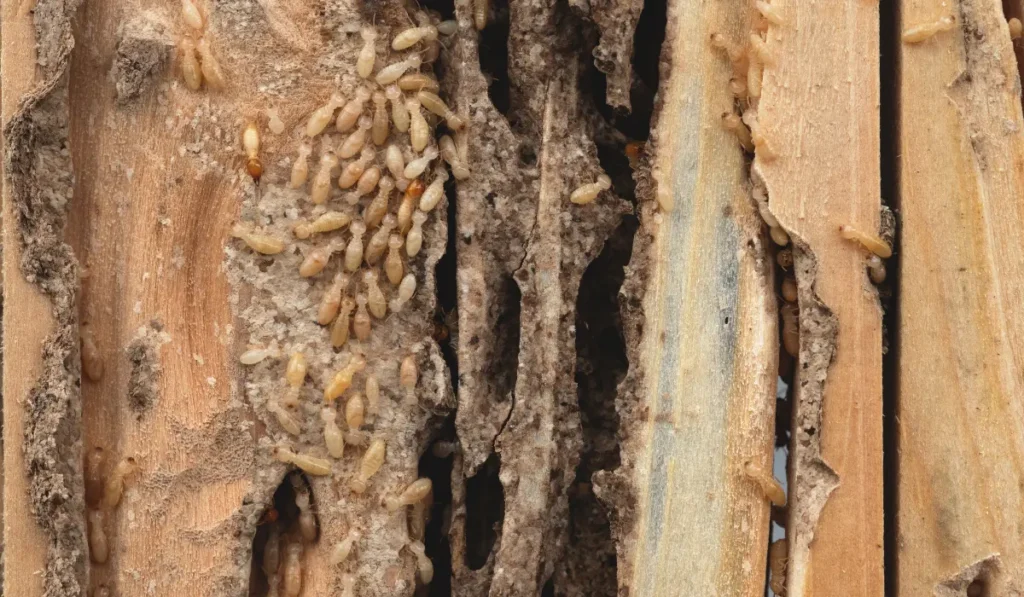
Subterranean termites
IDCreamy white workers; mud tubes running along foundation walls are the most reliable visible sign
WhereSoil contact points, crawl spaces, wooden framing near moisture
NoteCalled silent destroyers because colonies feed inside wood for months before damage is visible. Subterranean species are particularly active in North Alabama’s clay-heavy soils.
2Venomous
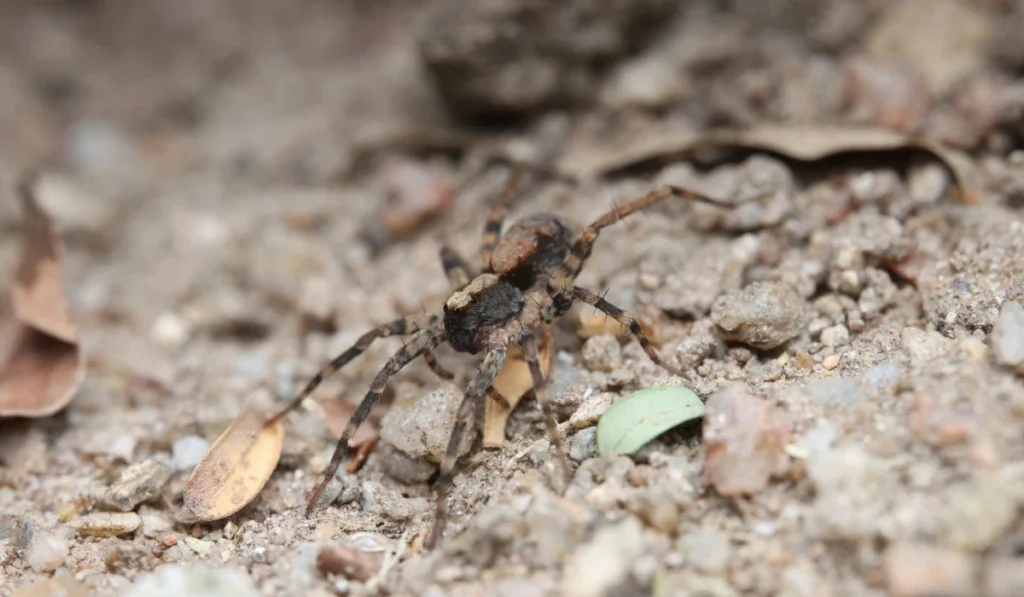
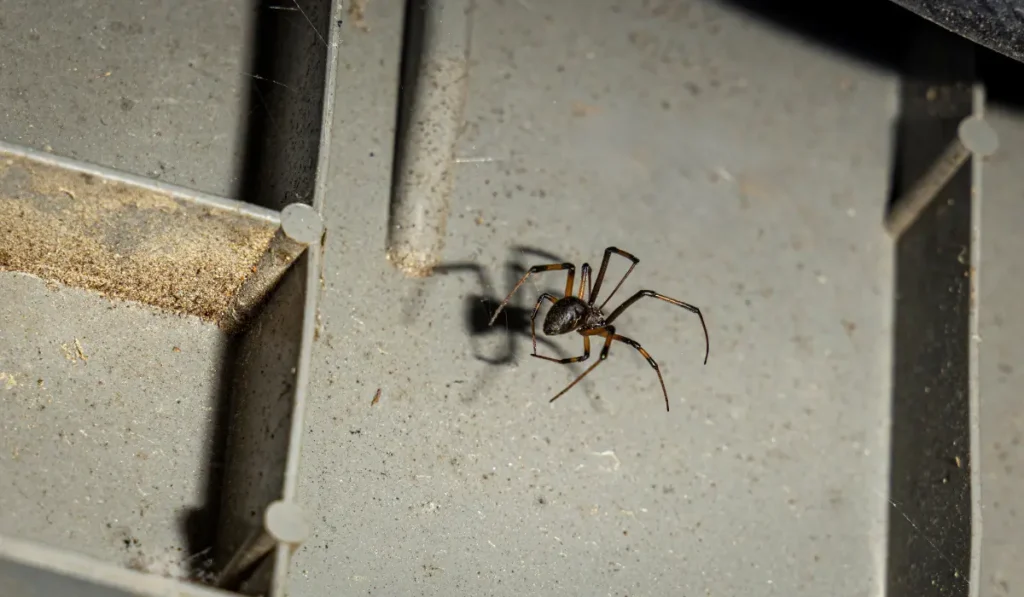
Black widow spider
IDGlossy black body with a red hourglass marking on the underside of the abdomen
WhereUndisturbed garages, wood piles, cluttered storage areas, outdoor furniture
NoteVenom is a neurotoxin; bites require prompt medical attention. They rarely leave their web and bite primarily when trapped or pressed against skin.
3Venomous
Brown recluse spider
IDTan to brown, violin-shaped mark on the cephalothorax; six eyes arranged in pairs
WhereCardboard boxes, stored clothing, closets, behind baseboards
NoteBites can cause tissue necrosis and warrant medical evaluation. Infestation often goes unnoticed because they hide in clutter and are active at night.
4Disease risk
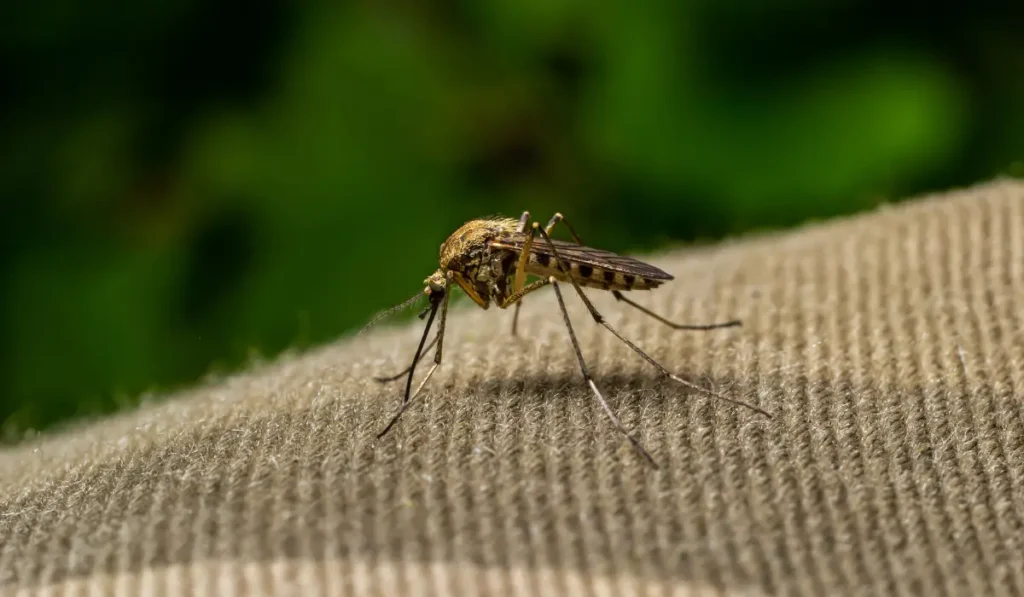
Mosquitoes
IDSlender body with scaled wings; females have a needle-like proboscis used for blood feeding
WhereYards with standing water, dense vegetation, low-lying areas after rain
NoteHuntsville’s humid summers and frequent rainfall accelerate breeding cycles. Mosquitoes in Alabama can transmit West Nile virus and Eastern equine encephalitis.
5Gnaws wiring
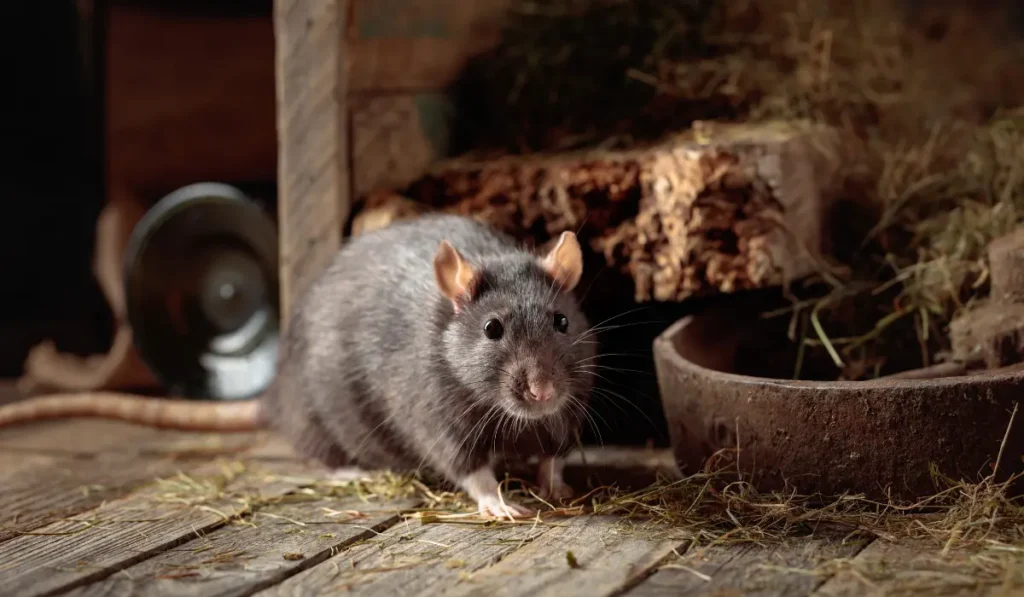
Rodents (house mouse & Norway rat)
IDHouse mouse: large ears, small body (2–4 in.), gray-brown. Norway rat: heavier build, blunt snout, tail shorter than body length
WhereWall voids, attics, crawl spaces, beneath appliances and cabinetry
NoteBoth species gnaw electrical wiring, contaminate food with droppings, and can spread disease. Evidence includes greasy rub marks along walls and distinctive dropping shapes.
6Contaminates
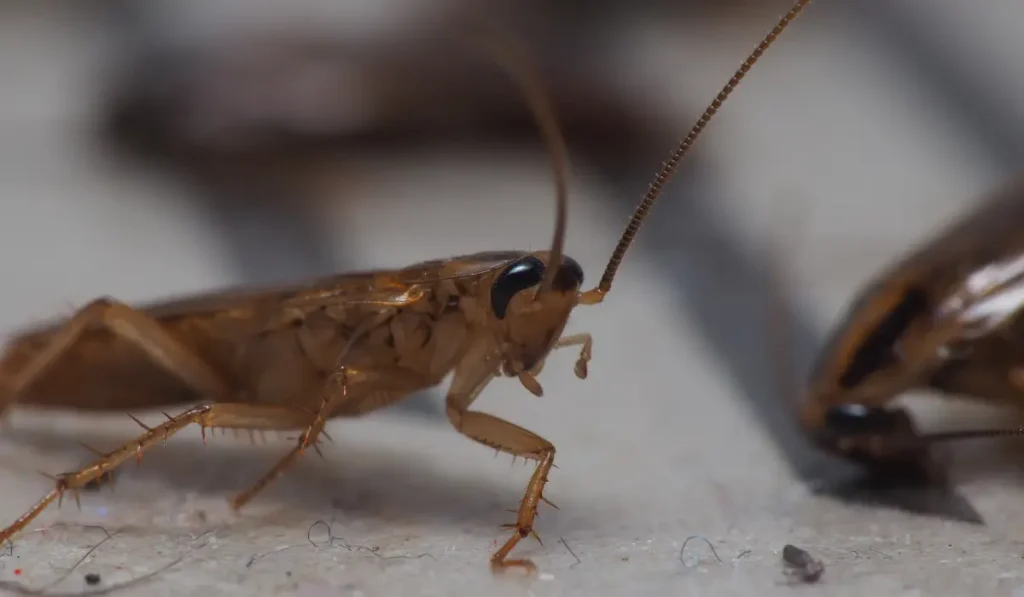
Cockroaches
IDAmerican: reddish-brown, figure-8 marking behind the head, up to 2 in. German: smaller, tan with two dark stripes behind the head
WhereKitchens, bathrooms, under appliances, drains, warm humid areas
NoteCockroaches spread bacteria and shed allergens that can trigger asthma, especially in children. German cockroaches reproduce rapidly and are the harder of the two to eliminate.
7Stings
Fire ants
IDReddish-brown, two-segmented waist (pedicel); identified most reliably by their distinctive mounded dirt nests
WhereLawns, landscape beds, along foundations, sunny open areas
NoteFire ants sting repeatedly when their mound is disturbed, injecting venom that causes a burning sensation and raised pustules. Allergic individuals can experience severe reactions.
8Damages wood
Carpenter ants
IDLarge black or bicolored ant (0.5–1 in.); workers of varying sizes within the same colony
WhereMoist or damaged wood, window frames, door frames, wood piles near the structure
NoteThey excavate wood to nest rather than eat it, leaving behind coarse sawdust-like frass. Infestations usually indicate an underlying moisture problem.
9Contaminates
House ants
IDTiny (1–2 mm), uniform yellowish-brown or black; trailing in defined foraging lines
WhereKitchens, pantries, along baseboards and counters near food or moisture
NoteColonies can be large and split easily when disturbed, making repellent-only sprays counterproductive. Trailing behavior is the clearest identification clue.
10Low concern
Occasional invaders (silverfish, earwigs, beetles)
IDSilverfish: silvery scales, carrot-shaped body, three tail filaments. Earwigs: forcep-like cerci at the abdomen tip. Beetles: hardened front wings
WhereBasements, bathrooms, crawl spaces, areas with high moisture or stored paper
NoteThese pests enter opportunistically when seeking moisture or shelter. Their presence in numbers usually signals a humidity or entry-point issue rather than an established infestation.
Waynes has protected Southeast families for 50 years as an EPA Pesticide Environmental Stewardship member. Every little thing matters. A LOT.
How to Prevent Pest Problems in Huntsville
While professional Huntsville pest control is highly effective, implementing preventative measures can significantly reduce the likelihood of infestations. Here are some essential tips:- Seal Entry Points: Inspect your home’s foundation, windows, and doors for cracks and crevices. Seal these openings with caulk or weather stripping to prevent pests from entering.
- Maintain a Clean Home: Regularly clean kitchens and pantries to eliminate food crumbs and spills that attract ants and cockroaches. Store food in airtight containers.
- Manage Moisture: Fix leaky pipes and ensure proper drainage around your home’s foundation. Reduce humidity in crawl spaces and basements with dehumidifiers.
- Remove Clutter: Eliminate piles of newspapers, cardboard boxes, and other clutter that can provide hiding places for pests.
- Proper Landscaping: Trim shrubs and trees away from your home’s exterior. Keep firewood and other wood materials stored away from the foundation to deter termites and rodents. Eliminate standing water in your yard to prevent mosquito breeding.
- Regular Cleaning: Vacuum frequently to remove insect eggs and larvae. Keep trash cans tightly sealed and regularly empty them.
- Professional Pest Service: Schedule regular service with a trusted Huntsville exterminator like Waynes Pest Control. Preventative treatments can create a barrier against pests before they become a problem.
Pest Control Services in Huntsville: What Waynes Offers
When preventative measures aren’t enough, or when you’re facing an existing pest problem, Waynes Pest Control offers comprehensive and reliable pest control in Huntsville, AL. Here’s a look at the specialized services we provide:- General Pest Control: Waynes offers year-round pest control in Huntsville to target common household pests like ants, cockroaches, spiders, and more. Our proactive treatments prevent infestations before they start, providing homeowners peace of mind.
- Mosquito Control: Take back your yard with our targeted Huntsville mosquito control services. We effectively reduce mosquito populations by addressing breeding sites and implementing effective treatment methods, allowing you to enjoy your outdoor spaces without the nuisance of bites.
- Termite Control: Protect your home from the devastating effects of termites with Waynes’ comprehensive termite control solutions. Utilizing advanced techniques, we provide continuous protection against these wood-destroying pests.
- Rodent Control: Our rodent control services in Huntsville are designed to safely and effectively remove mice and rats from your property and prevent their return. We focus on identifying entry points, implementing trapping and baiting strategies, and providing exclusion services.
- Ant Control: Dealing with an ant invasion? Waynes offers specialized ant control services to identify the ant species and implement targeted treatments to eliminate the entire colony, not just the visible ants.
- Roach Control: We understand the resilience of cockroaches and provide effective roach solutions in Huntsville. Our treatments target cockroach hiding places and breeding grounds, ensuring long-term relief from these persistent pests.
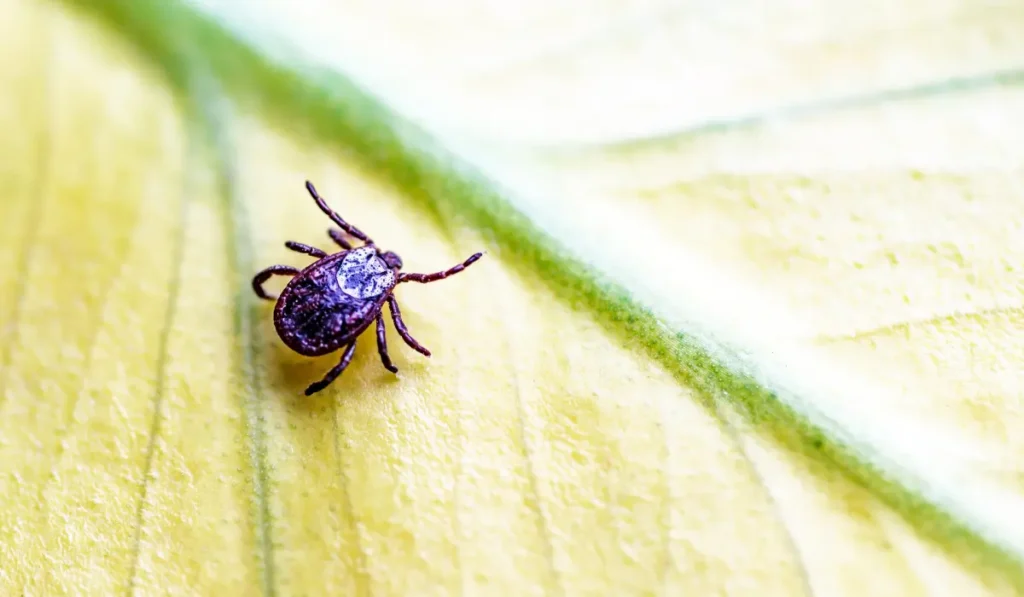
- Lawn Care and Outdoor Pest Control: A healthy lawn is less susceptible to certain pests. Waynes’ lawn care and outdoor pest control services in Huntsville help you achieve a lush, weed-free lawn while also addressing outdoor pests like fleas, ticks, and lawn-damaging insects. This holistic approach contributes to overall pest prevention around your home.
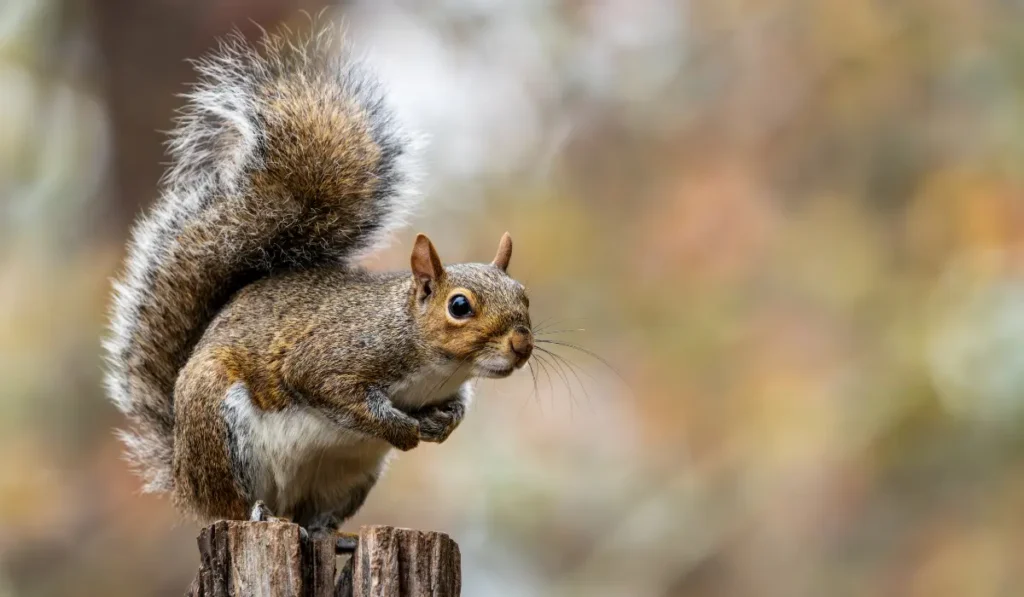
- Wildlife Removal: If you’re dealing with larger unwanted visitors like squirrels, raccoons, or opossums, we offer humane wildlife removal services in Huntsville. We safely trap and remove these animals and implement measures to prevent future intrusions.
Get Pest Control