
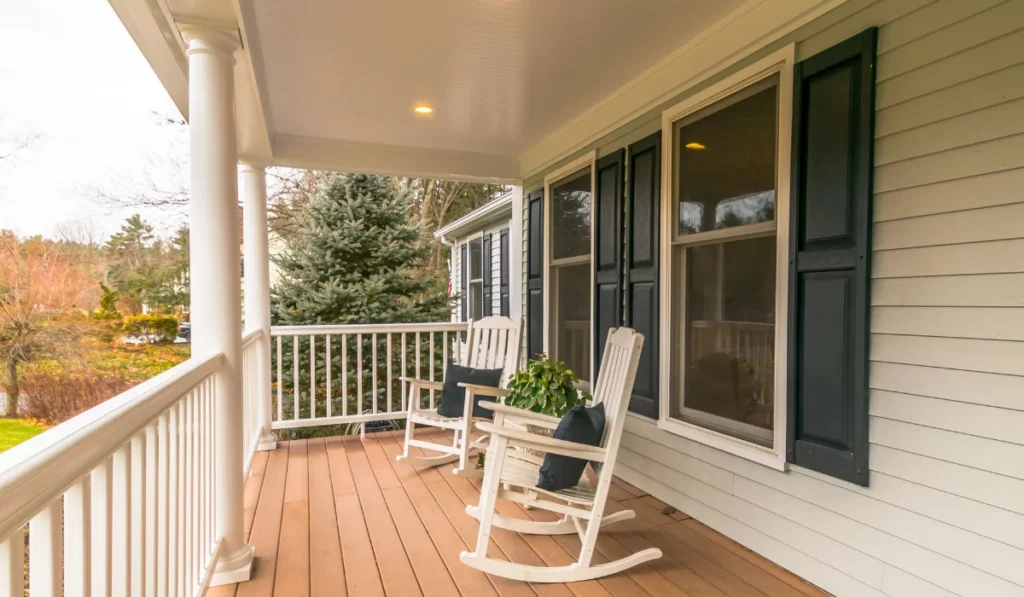
If you live in Nashville, or somewhere along I-40 like our neighbors who follow our complete pest control guide for Knoxville homes, you probably spend time on your front porch. You may sit on a porch swing, greet guests at the door, or relax outside in the evening. Your porch ceiling sits above your entryway, floor, and ceiling fans and helps shape your home’s curb appeal.
But your porch ceiling does more than improve appearance. A freshly painted porch ceiling helps deter pests. It makes your home less inviting to spiders, wasps, and other insects that build nests above your head.
Painting your porch ceiling is a simple home improvement project most homeowners can handle. When you combine it with professional pest control, you add another layer of year-round protection for your home.
Key Takeaways
- Painting your porch ceiling helps seal cracks and small gaps that insects use to nest. Fresh exterior paint and proper caulking reduce hiding spots around seams and joints.
- A smooth painted porch ceiling makes it harder for wasps and spiders to attach nests. While paint is not a repellent, it makes the surface less inviting.
- Light paint colors like haint blue or soft light blue make spider webs and nests easier to see. When you spot activity early, you can address it before it spreads.
- Exterior paint combined with Pest Control and Termite Protection from Waynes Pest Control gives your home stronger, long-term protection. A well-maintained porch ceiling requires professional service.
Why Painting Your Porch Ceiling Can Deter Pests
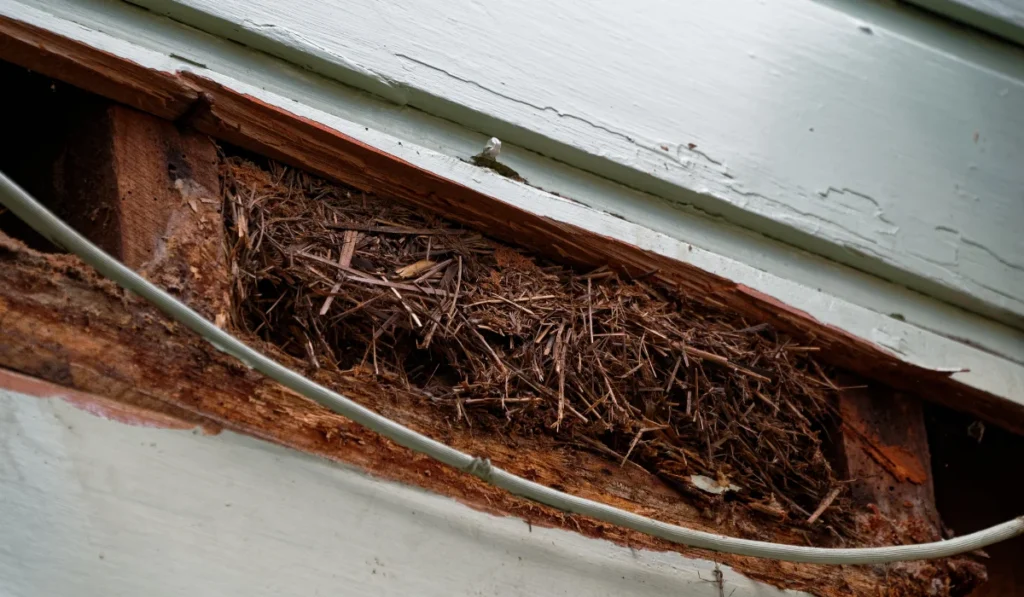
Painting your porch ceiling does more than improve its appearance. Cracks, peeling paint, and rough wood create quiet spaces where insects can settle and build nests.
Here’s how porch ceiling paint helps protect your home.
Seals Small Cracks and Gaps
Nashville weather brings heat, humidity, and rain, and as warmer seasons bring bugs back outdoors, those conditions become a real concern. Humid porches are especially attractive to the kinds of bugs that love damp shaded spaces, which is why prevention starts with the surfaces above your head. Over time, the wood can crack, and the paint can peel. Small gaps can form along seams and joints.
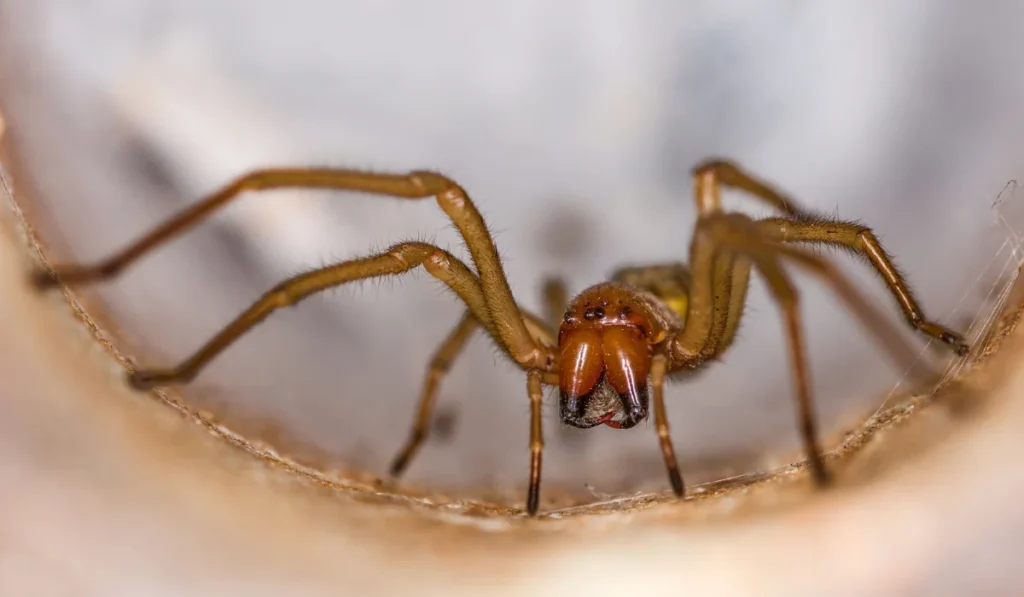
Spiders and wasps use those openings to build nests. These are small pests, like stinging bugs, that cause big problems when they settle near your entryway. When you repaint, you seal many of those cracks. Fresh exterior paint and caulk close gaps and reduce hiding spots.
If you already use Year-Round Pest Prevention from Waynes Pest Control, sealing these gaps strengthens the barrier that keeps pests out.
Makes the Surface Smoother
Bare or rough wood gives insects something to grab onto. A smooth painted porch ceiling makes it harder for nests to stick.
Paint does not repel insects. It will not stop every pest. But it makes the surface less friendly for nesting.
If you have dealt with wasps near your porch before, repainting can help reduce the likelihood of repeat nesting.
Helps You Spot Problems Early
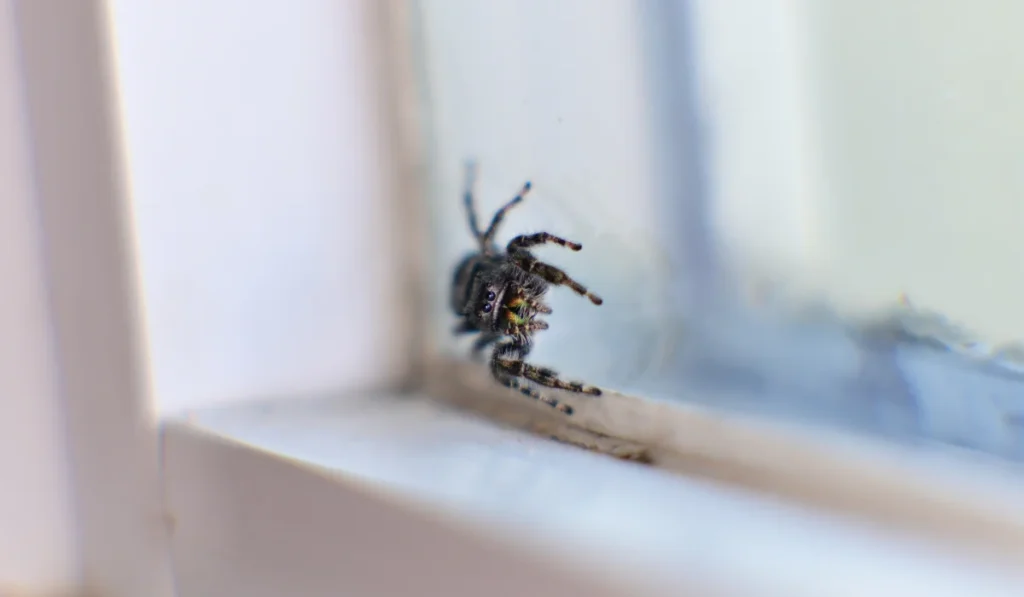
Light porch ceiling colors, especially soft blue shades, make spider webs and small nests easier to see. On a dark ceiling, webs can blend in.
When you see pest activity early, you can take action before the problem spreads.
How Porch-Ceiling Color and Finish Affect Pest Activity
Your porch ceiling color affects both style and function. Many homeowners choose paint colors for curb appeal, but the right choice also supports pest prevention.
Homeowners report seeing fewer bees or wasps around blue-painted porch ceilings compared to stained wood ceilings. While experiences vary, the tradition remains popular across the South.
The Tradition of Haint Blue
You have probably seen a blue porch ceiling in Southern homes. Many call it haint blue. The Gullah people painted ceilings this shade of blue to protect against evil spirits.
Some homeowners believe a blue porch ceiling keeps insects away. They say bugs see the blue color as the sky and avoid nesting under it.
There is no strong proof that modern blue paint repels insects. In the past, some paints contained lye, which can deter bugs. Today’s exterior paints do not include those ingredients.
From a pest control view, color matters less than condition. A freshly painted porch ceiling seals cracks and smooths rough wood. Fewer gaps mean fewer places for wasps and spiders to build nests.
Choosing the Right Finish
The finish of your ceiling paint matters. A matte finish hides flaws in older wood. A slight sheen makes the surface smoother and easier to clean.
Always use exterior paint for a porch ceiling. Interior paint works best inside rooms like your living room or dining room. It cannot handle outdoor weather.
Some homeowners choose oil-based products for durability. Others use newer exterior formulas. The key is choosing paint made for outdoor use.
Matching Your Remodel, Color Scheme, and Home Decor
If you are planning a remodel or makeover, think about your full color scheme. Your painted porch ceiling should match your porch floor and front door.
Your porch is visible from inside your home. When you look out from your living room or dining room, the ceiling color should feel connected to the room. Good porch ceiling ideas improve curb appeal and create a finished look.
How to Prep Your Porch Ceiling to Reduce Pests
Before you start painting, take time to prep the area. If you skip inspection during a DIY project, you may hide cracks, damage, or pest activity under fresh paint.
Check for Nests and Damage
Look at your porch ceiling closely. Search for spider webs, wasp nests, or wood damage.
If you see active pests, handle that first. Waynes Pest Control provides Pest Control services that safely and effectively treat common porch pests.
Clean and Repair the Surface
Scrape off loose paint. Sand rough spots. Wipe away dirt and dust.
Check for soft or rotting wood. Replace damaged boards if needed. Apply fresh caulk along seams and joints to seal small entry points. Sealing these gaps also helps limit access to what could be living in your walls.
These steps strengthen your porch ceiling and make it less attractive to pests.
Use the Right Paint and Tools
Choose high-quality exterior paint made for outdoor use. Follow label directions and allow proper drying time between coats.
Cover ceiling fans and nearby fixtures before you begin. Take your time so your porch ceiling paint lasts for years.
Keep Your Nashville Home Protected from Pests
One reason you should paint your porch ceiling is that it helps reduce pest activity. But paint alone cannot stop every problem.
At Waynes Pest Control, we have provided Pest Control and Termite Protection since 1973. Regular Pest Control helps manage spiders, ants, wasps, and other common pests around your home’s exterior. Termite Protection helps prevent costly damage to wood structures.
When you combine a well-maintained porch ceiling with Year-Round Pest Prevention, you protect your Nashville home in every season. Contact us today or request a free quote.
FAQs
Does a blue porch ceiling really keep bugs away?
A blue porch ceiling, including haint blue, does not guarantee pest control. It may brighten the space and help you see webs sooner. For better results, combine paint with professional Pest Control from Waynes.
How often should you repaint your porch ceiling?
Most homeowners repaint every five to seven years. Nashville weather can cause peeling sooner. Check your porch ceiling each year for cracks or fading.
Can painting alone replace professional pest control?
No. Painting helps seal gaps and smooth surfaces. It does not remove active infestations. Professional Pest Control and Termite Protection from Waynes Pest Control provides stronger, long-term protection.