Insights, Tips, and Tales

When the Weather Warms Up, the Bugs Get Active

White mosquito silhouette with a dashed curved flight path on a green background

When the Weather Warms Up, the Bugs Get Active

Preventing Warm Weather Bugs in the South

When the weather warms up, bugs like German cockroaches, gnats, American house spiders, and southern unstriped scorpions get active. In this post, we’ll take a look at how these pests change their behaviors in warm weather and tips for keeping them at bay.

For more information, check out our recent post about the most common house pests in the southeast.

German Cockroach

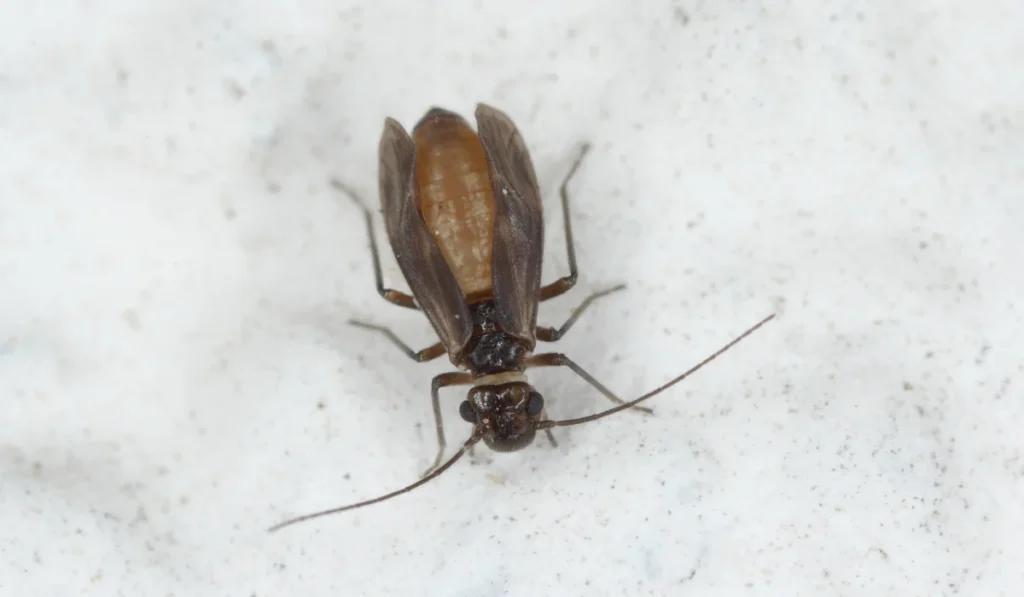
German cockroaches are some of the biggest troublemakers in the cockroach family. They slow down when it gets cold, but controlling them is challenging when the weather warms up.  As temperatures continue to climb during the hottest months, they seek shelter in our homes.

One of the best tactics for preventing a German cockroach infestation is cleaning up the tasty morsels that attract roaches in the first place.

  • Put up dirty dishes
  • Wipe up crumbs
  • Placing food in air-tight containers, will help prevent an infestation.

These strategies will lead roaches to leave your home a one-star review (“The temperature was nice, but the dining options were terrible!”). Once German Cockroach multiply inside your home, controlling the infestation is next to impossible without professional help.

Gnats

“Gnat” is a general term for tiny flying insects. Some are more active during warmer months than others because warm and wet summer weather creates perfect breeding conditions for these little pests.

Here are some strategies for minimizing gnats around your home..

  • Dump standing water
  • Fix leaky pipes and faucets
  • Get rid of stinky garbage (which gnats just love), as well as overripe fruits and vegetables
  • Seal composting containers

American House Spiders

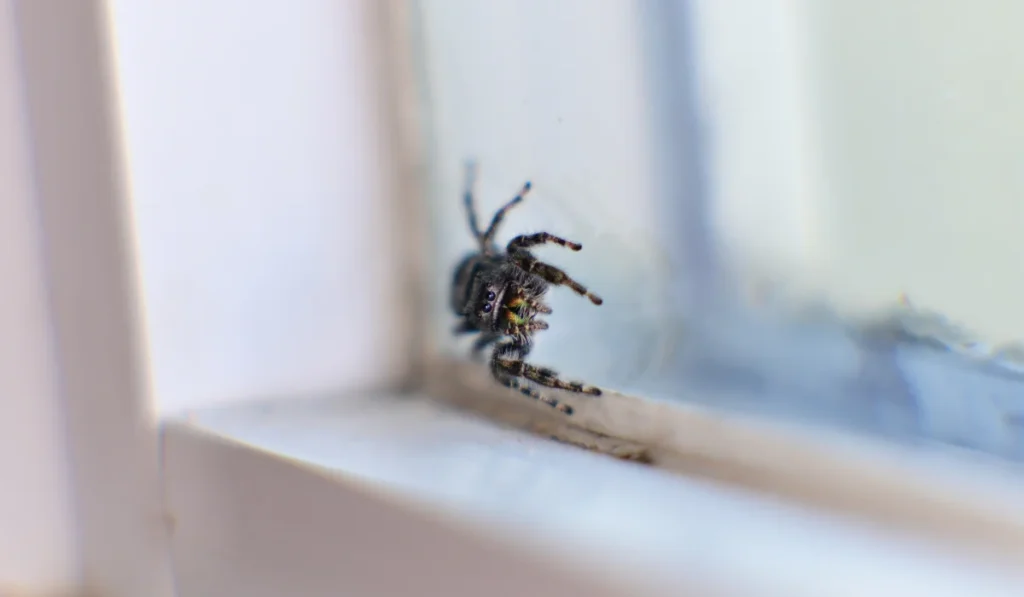
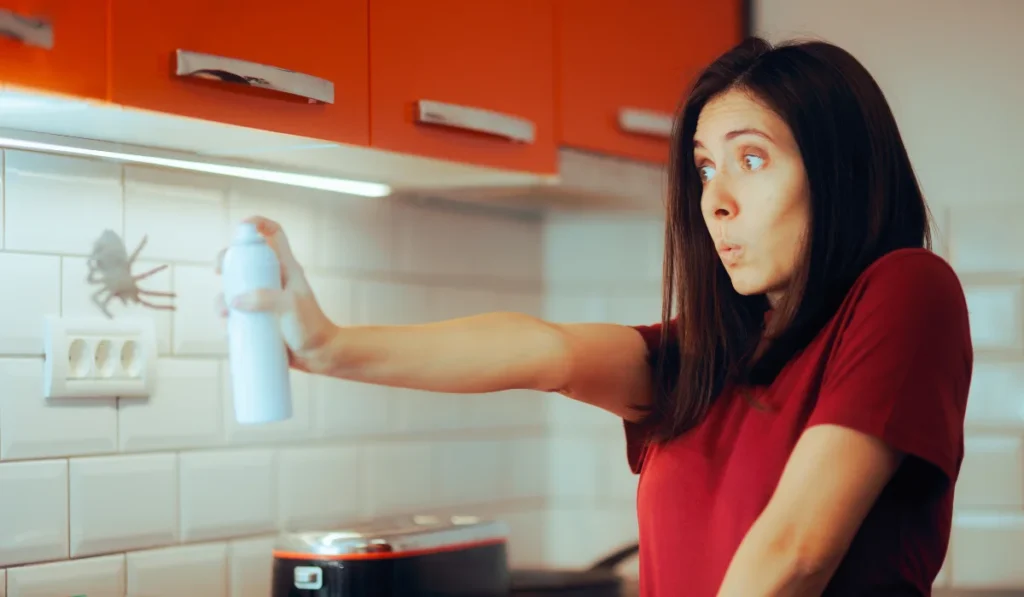
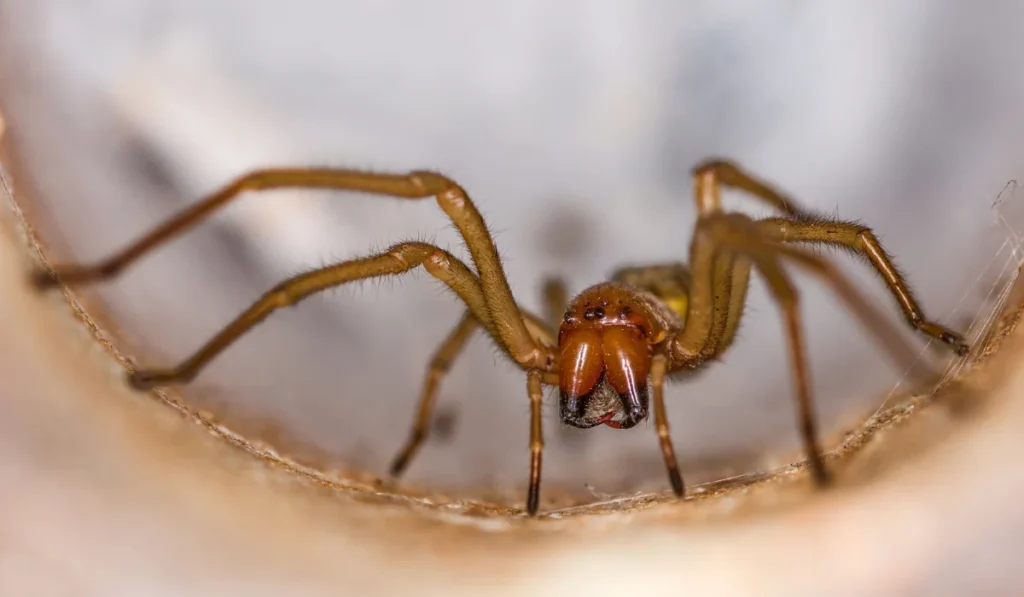
American house spiders, also known as common house spiders, often lay eggs in the summer. These spiders are not harmful to humans. As a matter of fact, they’re even beneficial because they eat bugs like mosquitoes and flies. They like to nest in basements, attics, crawlspaces, and other dark, low-traffic spaces in our homes. Even if they are beneficial, not everyone is hip to living with these eight-legged creatures. To get rid of them, vacuum them up along with their egg sacks.

For preventative options, here is a DIY recipe for a homemade spider repelling spray.

  • 1 teaspoon of dish soap
  • ⅓ cup of white vinegar
  • 1 ½ cups of water
  • 10 drops of peppermint oil
  • 5 drops of lavender oil

If you have a more serious infestation or aren’t sure whether you might have more harmful varieties like black widows or brown recluses, contact Waynes for professional help.

Southern Unstriped Scorpions

The summer heat can make it a challenge for humans to stay hydrated. The same thing is true for southern unstriped scorpions. They’re found in homes more often in the summer because they’re on a quest for water and shelter from the heat.

Scorpions can enter your house via gaps under doors, cracks in the foundation, crawlspaces, even through the plumbing system. If you find a scorpion in your toilet or sink, do not flush them or rinse them down the drain. They can survive and make their way right back up again. You should try to kill the scorpion or contact a trusted pest control company for assistance.

Call Us

You’re already battling the heat, and adding annoying insects to the mix makes things all the more difficult and frustrating. Waynes, however, wants to help make your summer a little more enjoyable by helping you get rid of the bugs that are driving you crazy. Give us a call at 866.WAYNES1 and let us Pulverize your Pests!

Rebecca Wood

Waynes has been serving customers since 1973. We have grown over the decades through a commitment to providing a world-class experience for our customers. We believe that if our employees are happy and fulfilled, they will go above and beyond in delighting our customers.

Latest from Waynes Blog

Aedes Mosquitoes

Florida Mosquitoes: Species, Season, and Bites

Florida mosquitoes are more than a backyard annoyance. They can make patios, pools, porches, and coastal yards difficult to enjoy, and some species can spread disease.  Florida has many mosquito species, but homeowners usually need to focus on a few practical questions: where they are breeding, when they are most active, and why they keep…

Learn More >

Mole crab, sand crab, sand flea

Sand Fleas in Florida: ID, Bites, and Season

Sand fleas in Florida can mean two different things, and that is where most of the confusion starts. At the beach, “sand fleas” often refers to mole crabs, small crustaceans that live in the surf zone and are not household fleas.  When people talk about itchy bites near beaches, marshes, patios, or coastal yards, they…

Learn More >

ants around window

Common Florida Insects: How to Identify Them

A Florida insect problem can look different from house to house. One home may deal with ants in the kitchen, another may see roaches in the garage, and another may notice termites, mosquitoes, fleas, or bed bugs.  Florida’s warm, humid climate can keep many pests active for long stretches of the year, so identification matters….

Learn More >

Palmetto Bug

Palmetto Bugs in Florida: What They Are and Why

The name “palmetto bug” does not refer to a single specific species. In Florida, it is a general term used for several large outdoor cockroaches, including the American and smokybrown cockroaches.  Although these animals normally live outside, they can find their way into homes, storage areas, crawl spaces, garages, and patios. They are naturally drawn…

Learn More >

stink bug

Stink Bugs in Florida: Identification and Season

A stink bug in Florida is usually easy to recognize by its shield-shaped body and the odor it releases when disturbed. Some stink bugs feed on plants outdoors, while others may gather on walls, windows, doors, attics, and other protected areas when they look for shelter.  Most stink bugs are nuisance pests inside homes rather…

Learn More >

Florida Wood Cockroach

Florida Wood Cockroach: Identification and Habits

Homeowners can be easily startled by the Florida wood cockroach, a large outdoor roach that frequently appears near mulch beds, patios, sheds, garages, or storage areas. This species typically resides outdoors in damp, protected environments filled with decomposing vegetation. Although it doesn’t cause a kitchen infestation typical of German cockroaches, it can still become a…

Learn More >

Termites in Florida: Types, Signs, and Season

Because warm weather, moisture, and wood-to-soil contact create the ideal conditions for their survival, termites are a year-round concern in Florida. Some termites live underground and enter homes through tiny gaps. Others live inside dry wood and may stay hidden until wings, droppings, or damaged wood appear.  Florida homeowners should be familiar with the main…

Learn More >

armadillo

Armadillos in Florida: Signs, Damage, and Behavior

An armadillo in Florida can leave lawns, garden beds, and mulched areas covered with shallow holes almost overnight. These armored mammals dig while searching for insects, larvae, worms, and other soil-dwelling invertebrates. Although most armadillo activity starts outdoors, their rooting and burrowing can affect flower beds, vegetable gardens, patios, walkways, sheds, and areas near the…

Learn More >

Cottonmouth

Cottonmouths in Florida: How to Identify and Stay Safe

Closely tied to aquatic environments, the cottonmouth in Florida is a venomous snake that must be treated with caution and left undisturbed. It can also show up near yards, sheds, drainage areas, and waterfront properties when food, shelter, or water are nearby.  The safest rule is simple: do not handle or corner a snake you…

Learn More >

Scroll to Top