
Rodents are the most common pest in walls. Learn to identify scratching sounds, droppings, and gnaw marks, then get rid of them fast.
Key Takeaways
- Mice, rats, and squirrels are the most common animals living inside wall voids across Alabama, Tennessee, Florida, and Mississippi.
- Scratching sounds at night almost always signal rodent activity. Daytime scrambling usually points to squirrels.
- Droppings, gnaw marks, grease marks, and a musty smell are the earliest visible signs of a rodent infestation.
- Mice can fit through a gap the size of a dime. Sealing entry points is the first step before any other control measure.
- Call a pest control professional when you hear noise in multiple walls, find droppings in more than one room, or spot chewed wires.
What Pests Are Commonly Found in Walls
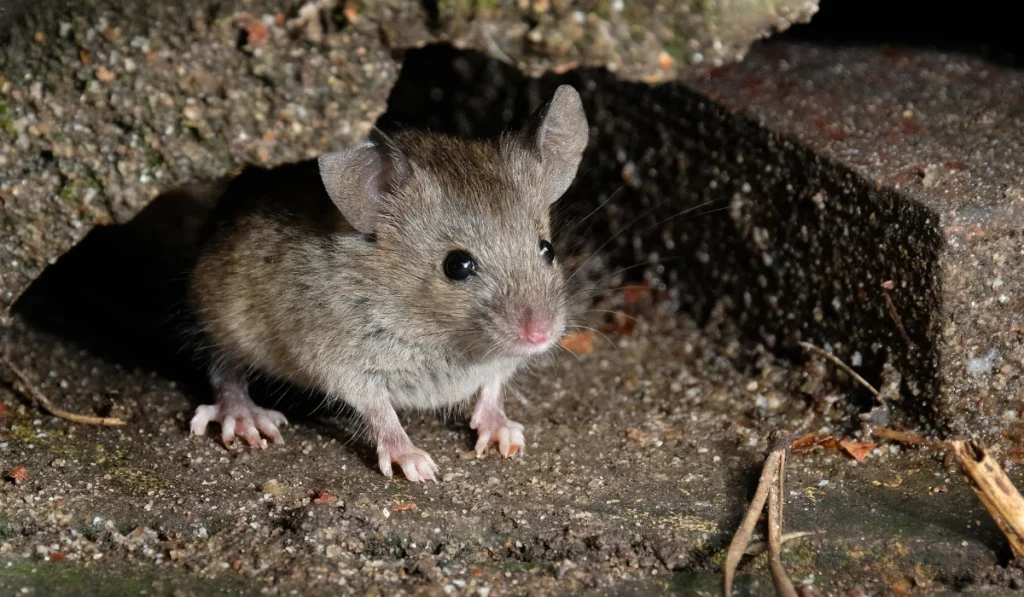
Mice, rats, and squirrels are the animals most frequently found inside walls in homes across the Southeast. Wall voids give them warmth, protection from predators, and easy access to food. Termites and roaches also nest inside walls, though they leave very different signs than rodents do.
Rodents Living in Walls: Mice, Rats, and Squirrels
Mice and rats are nocturnal, so you will hear them scratching and scurrying after dark. Squirrels, by contrast, move during the day. Understanding which animal is active when helps you narrow down the pest before a technician even arrives.
Mice are small enough to squeeze through a hole the size of a dime. Rats need a gap roughly the width of a quarter. Squirrels need a larger opening but will chew through rotted fascia or soffit to create one. All three species build nests from shredded insulation, paper, and fabric once they find a wall void that works for them.
Termites and Roaches Hidden in Walls
Not every pest in walls is a rodent. Termites work silently inside wooden supports, and you will not hear them. What you will notice is weakened wood, hollow-sounding studs when you knock, and small piles of frass near baseboards that look like fine sawdust. According to the National Pest Management Association, termites cause an estimated $5 billion in U.S. property damage each year.
Roaches hide in wall voids during the day and emerge at night to find food. Signs include dark stains on walls, droppings that resemble pepper flakes, and a stale, oily odor. In the warm, humid climate of the Southeast, roaches remain active year-round. If you see one roach during daylight hours, the infestation behind your walls is likely large.
Seasonal Invaders Found in Walls During Colder Months
During colder months, pests like Asian lady beetles, stink bugs, and boxelder bugs enter wall voids to overwinter. These animals cause less structural damage than rodents, but they produce unpleasant odors, trigger allergies in some people, and create strange scraping noises from inside walls that can be mistaken for rodent activity. They typically become noticeable in fall when temperatures drop and again in spring when they try to exit.
How to Identify a Pest in Walls by Sound and Signs
The fastest way to identify a pest in walls is to listen carefully to when and how the noise happens. Time of day, frequency, and the type of sound all narrow the field. Pairing what you hear with physical evidence like droppings, gnaw marks, or grease marks confirms which pest has moved in.
Scratching Sounds and Noises in Walls at Night
Mice produce light, rapid scratching. Rats produce heavier, slower movement. Both are nocturnal, so you will most often hear scratching sounds and faint gnawing noises after 10 p.m. If you knock on the wall and the noise stops briefly, that pause is a strong sign of rodent activity. Mice and rats rarely limit their movement to a single location, so noise that travels along a wall over several nights suggests a rodent has found a path it uses repeatedly.
Many homeowners also hear squeaking inside walls at night. Squeaking usually points to mice. Rats tend to stay quieter unless threatened. If you hear consistent sounds from the same spot for multiple nights, a rodent has likely established a nest inside the wall void and is not simply passing through.
Droppings, Gnaw Marks, and Grease Marks in Walls
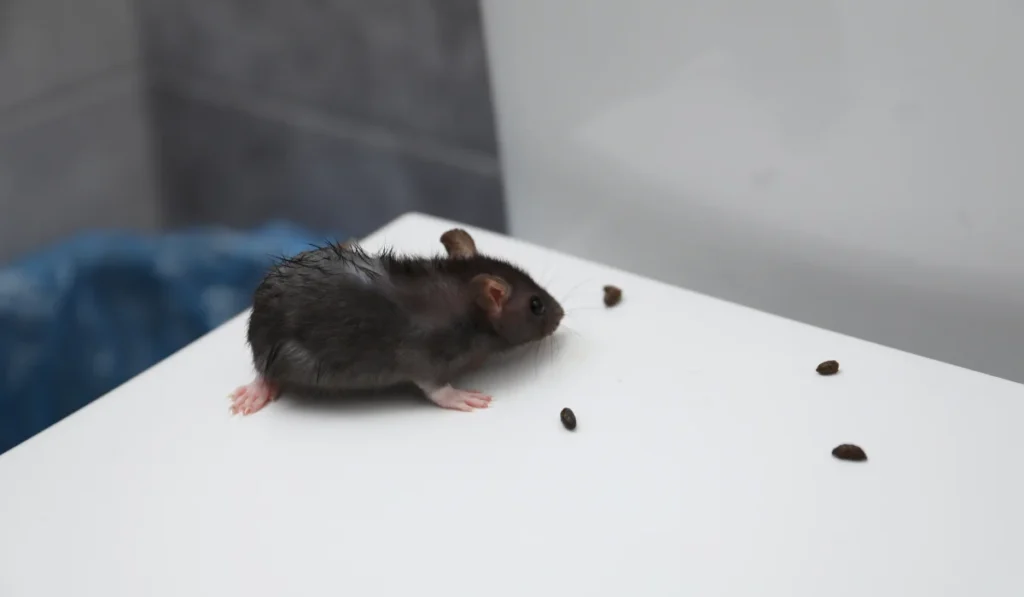
Visible droppings near baseboards, cabinets, or pantry shelves are early signs of a rodent infestation. Mouse droppings are small, dark pellets about the size of a grain of rice with pointed ends. Rat droppings are larger, with blunt ends, and run roughly half an inch long.
Other warning signs to look for include:
- Gnaw marks on wood trim, food packaging, or wooden supports near the base of walls
- Chew marks or chewed wires behind appliances or inside cabinets
- Grease marks along baseboards where rodents travel the same paths repeatedly
- A musty smell or unpleasant odors rising from wall voids
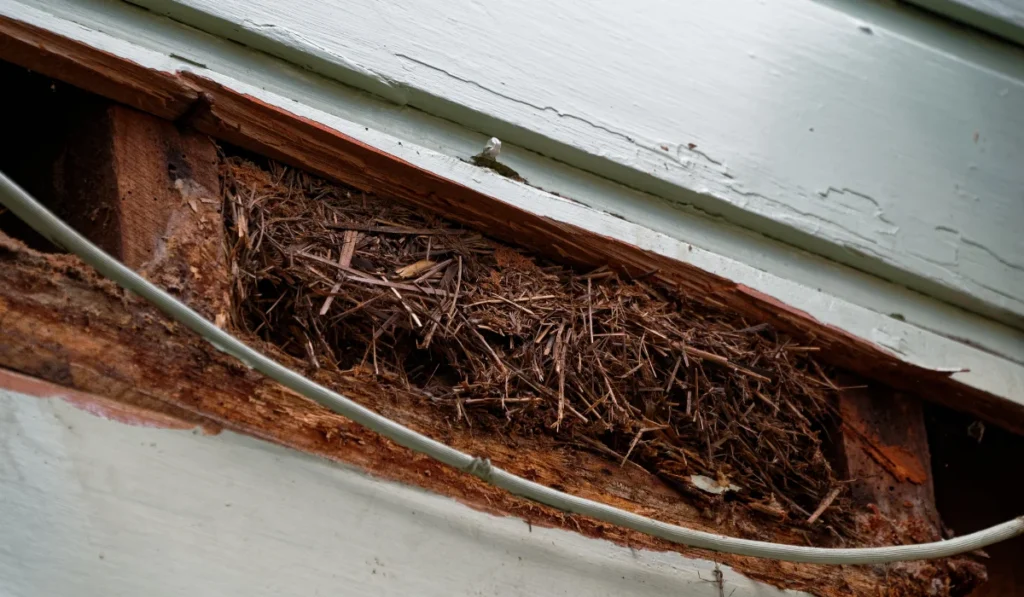
- Shredded insulation or torn paper near openings in drywall
- Unusual pet behavior, like a dog staring at a wall or a cat pawing at the baseboard
If you find droppings but do not hear scratching, the rodents may be active in a different area of the house, such as the attic or crawl spaces. Mice and rats rarely confine themselves to a single room once they establish entry points.
Why Pests Get Into Walls and How They Enter
Wall voids give pests everything they need: warmth, shelter, and easy access to food and water. In the Southeast, mild winters keep rodent populations active year-round. Homes with older construction or homes near wooded areas, retention ponds, or agricultural land face higher pressure from rodents and other pests.
Common Entry Points That Lead to a Pest in Walls
Mice can fit through a hole the size of a dime, and rats need only a gap the width of a quarter. Squirrels will chew through soft materials to widen any opening they find promising. Common entry points include gaps around pipes, dryer vents, and utility lines where they pass through exterior walls. Cracks in the foundation or siding, spaces beneath garage doors, openings where rooflines meet soffit, and damaged crawl space vents also give rodents direct access to interior wall voids.
Rodents gnawing on weakened wood widen these gaps over time. One small entry point can lead to a full rodent infestation within weeks. A single female mouse can produce up to 10 litters per year, so populations inside walls grow fast once an entry point goes unaddressed.
What Attracts a Pest in Walls to Your Home
Food, water, and shelter drive every pest inside your walls. Open food packaging in the pantry, pet food left out overnight, and crumbs beneath appliances give mice and rats a reliable food source. Leaky pipes and standing water under sinks provide a water supply. Once inside, wall voids offer insulation for nesting material and protection from the weather.
Store food in airtight containers and clear counters and pantry shelves regularly to reduce the appeal of your home to rodents. Fix dripping faucets and inspect under sinks for moisture. These small steps make your home a less attractive target before pests find a way inside.
How to Get Rid of Pests in Walls at Your Home
Getting rid of rodents in walls requires trapping, sealing entry points, and ongoing monitoring. A mouse problem rarely stays small on its own. Most homeowners suspect rodents before they see them. Acting on early signs is far easier than managing a large infestation later.
DIY Steps to Reduce Rodent Activity in Walls
Sealing entry points is the single most important step you can take before any other control measure. Pack small gaps with steel wool, then cover with caulk. Rodents cannot chew through steel wool, which makes it a practical first barrier. Focus on gaps around pipes, dryer vents, and anywhere utilities enter the home.
Additional steps that reduce rodent activity:
- Set snap traps along walls where you find droppings or grease marks. Place traps perpendicular to the wall with the trigger facing the baseboard.
- Store pantry items in airtight containers and clean beneath appliances to cut off food sources.
- Fix leaky faucets and dry out sinks overnight to remove water access.
- Clear clutter in the attic, garage, and crawl spaces that gives rodents cover to build nests.
These measures reduce rodent activity but will not resolve a large infestation. If you continue to hear scratching sounds or find fresh droppings after two weeks of trapping, the nest is likely deep inside wall voids where snap traps cannot reach it.
When to Call Pest Control for Pests in Walls
Call a pest control professional if you hear noise in multiple walls, find droppings in more than one room, or spot chewed wires. Rodent damage to electrical wires creates a fire hazard. As the EPA’s integrated pest management framework explains, effective rodent control combines inspection, targeted treatment, and exclusion rather than relying on a single method.
Waynes technicians follow an Integrated Pest Management (IPM) protocol that starts with a full inspection of the home and property to identify rodent species, entry points, and nesting sites. From there, a customized control plan targets the infestation at its source. Waynes also offers SmartPest, a digital monitoring system that detects rodent activity in real time and alerts technicians before populations grow.
As a member of the EPA Pesticide Environmental Stewardship Program since 2004, Waynes follows protocols designed to minimize environmental impact while controlling pests inside your home. The company has served more than 150,000 families across Alabama, Tennessee, Florida, and Mississippi since 1973.
How Waynes Handles Rodent Control in Walls Specifically
Waynes uses mess-free traps that hold rodents until technicians dispose of them. For homes enrolled in the SmartPest system, SMART Snaps and PIR sensor-enabled traps monitor activity electronically, 24 hours a day, without requiring the homeowner to check or reset traps. Where conditions call for it, EPA-approved rodenticides may be included in a customized plan. Exclusion work seals gaps, cracks, utility openings, and roofline entry points to prevent rodents from re-entering after the infestation is controlled.
A 2021 multi-species rodent survey published in Animals confirmed that commensal rodents including house mice and Norway rats are common residents of building structures across residential environments, reinforcing why inspection and exclusion together outperform trapping alone.
Bottom Line on Pest in Walls
Scratching sounds at night, droppings near baseboards, gnaw marks on wood, and grease marks along walls are the clearest early signs that rodents have established themselves inside your walls. The sooner you act on those signs, the smaller the infestation and the fewer entry points you need to seal. Sealing gaps, removing food sources, and setting traps along active runways handle light infestations. Persistent noise across multiple walls or droppings in more than one room means the nest is deeper than DIY measures can reach.
Waynes has helped more than 150,000 families across Alabama, Tennessee, Florida, and Mississippi identify and control pests inside their walls. Every little thing matters. A LOT. Schedule an inspection to pinpoint the pest in your walls and build a rodent control plan built for your home. Call 866.WAYNES1 or visit the contact page to get started.
Frequently Asked Questions
How do you know if you have a pest in your walls?
Listen for scratching sounds, especially after dark. Check for droppings near baseboards or cabinets, gnaw marks on wood or food packaging, and grease marks along walls where rodents travel the same paths repeatedly. A musty smell or unusual pet behavior, like a dog fixating on a section of baseboard, also signals rodent activity inside wall voids.
Can rodents in walls cause health risks to my family?
Yes. Mice and rats leave droppings and urine that can contaminate surfaces throughout a home. Airborne particles from dried rodent waste can trigger respiratory issues. The CDC links rodents to several public-health concerns, including hantavirus and salmonella. Clean droppings carefully and contact a pest control professional when the infestation extends beyond a single room.
How do you get rid of rodents in walls without opening drywall?
Set snap traps along walls near entry points and droppings. Seal gaps with steel wool and caulk to block re-entry. Remove food and water sources that attract rodents inside. If the infestation persists after two weeks of trapping, a pest control professional can use targeted methods to address rodents deep inside wall voids without removing drywall.
What does it cost to treat a pest in walls?
Costs vary by infestation size, pest type, and home layout. Waynes publishes current pricing on its website. Visit the pest control page for rates and to request a free quote specific to your home and situation.