
In most parts of the country, rodents move indoors primarily when fall temperatures drop. In Panama City, the dynamic is different.
The Florida Panhandle’s warm, humid climate means rodents are active year-round, and the pressure they place on nearby structures does not ease up in winter the way it does further north.
Understanding which species are most common here, what draws them inside, and how to recognize activity early helps you stay ahead of a problem that can develop in any season.
Key Takeaways
- In Panama City, rodents can move indoors at any time of year, driven by food availability, moisture, and shelter rather than cold temperatures alone.
- Roof rats are the most common rodent pest in Florida and tend to enter through attics, soffits, and overhead access points rather than ground-level gaps.
- Even a single rodent or early signs such as droppings or gnaw marks point to a developing problem worth addressing quickly.
- A professional inspection identifies the species involved, locates active areas, and guides a control plan built around your specific home and property.
How to Identify Rodents in Your Panama City Home
Knowing which rodent you are dealing with changes where you look for activity and how you approach control. Florida has a different rodent profile than most of the country, and Panama City homeowners are more likely to encounter certain species than others.
The Species Most Common in Panama City
The roof rat is the worst rodent pest in Florida and the most abundant. The Norway rat that most people are familiar with is rare in Florida by comparison. Roof rats are also called citrus rats, fruit rats, or black rats. They are agile climbers that live in attics, soffits, hollow walls, and outbuildings, which means signs of their activity tend to appear overhead rather than at ground level.
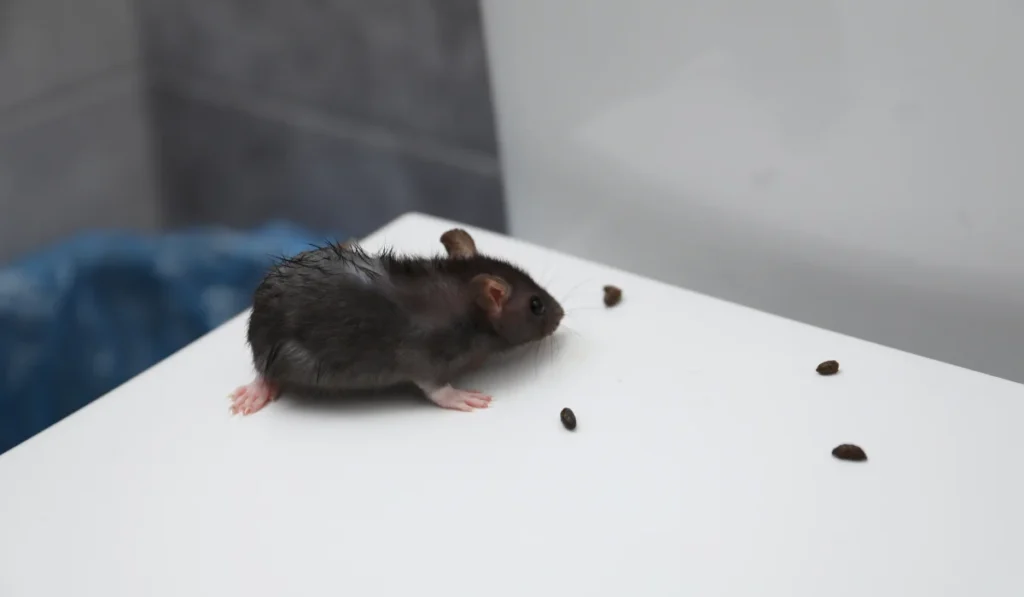
In Florida, Norway rats are most common along sea coasts and canals, and they thrive particularly in areas where garbage is not properly stored. Panama City’s coastal location means Norway rats are present along waterfront and canal-adjacent properties, where they burrow near building foundations, beneath rubbish, and around storm drains. Both species are active mostly at night, though daytime sightings indicate a large population or one that has exhausted nearby food sources.
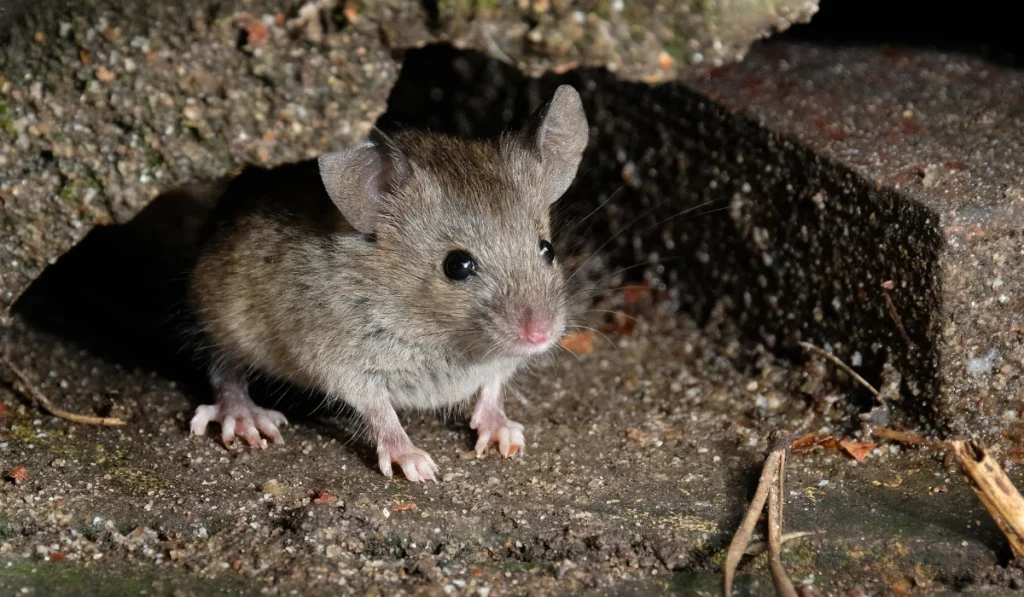
House mice are the third species worth knowing. They forage within a small range of their nest, so signs of their activity tend to cluster in one part of the home rather than spreading across multiple areas.
Signs of Rodent Activity to Watch For
Droppings are the most common early sign. Roof rat droppings are about one-half inch long; Norway rat droppings reach about three-quarters of an inch; house mouse droppings are much smaller at about one-eighth of an inch.
Location matters as much as size: droppings in the attic or along rafters point toward roof rats, while droppings along ground-level walls and near foundation areas suggest Norway rats or mice.
Gnaw marks on food packaging, wiring, and structural materials are another reliable indicator. Fresh gnawing in wood is light-colored with sharp, splintery edges.
Old gnawing is smooth and darker. Rats gnaw every day to keep their teeth short, so gnaw marks on wiring or pipes in the attic deserve immediate attention beyond the pest concern alone.
Runways are a sign of an established colony. Outdoors, rodent runways appear as smooth, hard-packed trails two to three inches wide under vegetation near the foundation.
Indoors, runways follow walls and appear as grease marks where oily fur repeatedly contacts the same surface along a travel route. A slick, hard-packed runway indicates an old, established colony rather than a new introduction.
Where Rodent Activity Shows Up in Panama City Homes
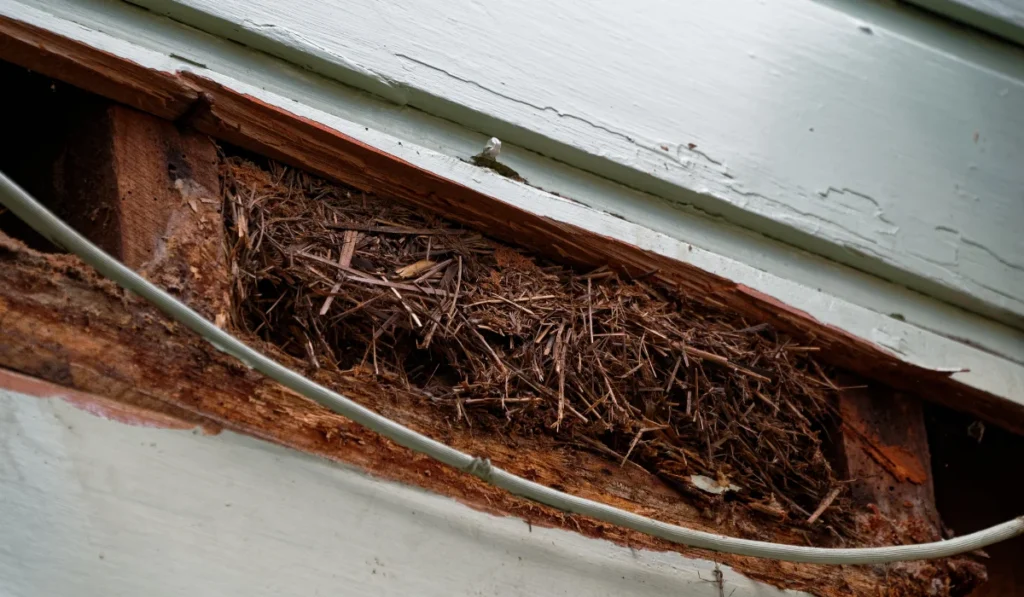
Roof rats concentrate in elevated spaces. Attics, soffits, and the spaces between interior ceilings and roof sheathing are their preferred nesting areas. Palm trees and fruit trees that overhang or touch the roofline give roof rats direct access overhead.
Utility wires running between trees and the structure serve the same purpose. Activity in these areas often goes unnoticed until gnawing sounds at night reveal a nest that has been active for some time.
Norway rats stay low. They burrow near building foundations, under concrete slabs, and along coastal drainage areas. Inside, they tend to remain in basements or wall spaces at or below ground level.
Both species are active primarily at night, which means you may not see them even when they are moving through your home regularly.
Entry Points Rodents Use in Panama City
Roof rats enter through any gap at the roofline level: openings around soffit vents, gaps where utility lines pass through exterior walls, and spaces around plumbing penetrations in the roof deck. Gaps as small as one-half inch are sufficient for a rat to squeeze through.
Norway rats and mice use ground-level entry points, including foundation cracks, gaps under doors, and openings around pipes entering the structure from below.
Overhanging branches are among the most common roof rat access routes in Panama City. Keeping tree limbs trimmed back from the roofline closes one of the most direct pathways into the attic.
Why Rodent Problems Develop in Panama City Year-Round
Panama City’s warm, humid climate does not impose the same seasonal check on rodent populations that cooler climates do. Reproduction continues year-round, outdoor food sources stay available longer, and the conditions inside attics and wall voids remain comfortable regardless of the season.
That means rodent pressure on structures in the Florida Panhandle is more consistent throughout the calendar year than in states further north.
What Draws Rodents Toward Your Home
Food availability is the primary driver. Roof rats consume stored human and animal food, attack fruit crops, and forage widely from their nesting sites.
Unsecured garbage, pet food left out overnight, birdseed, and fruit trees on the property all draw rats closer to the structure before they find a way inside. Norway rats along coastal areas are drawn by improperly stored garbage and organic debris near drainage areas.
Moisture and shelter also contribute. Condensation near plumbing, leaky pipes in wall voids, and humid attic spaces create conditions that rodents find attractive.
Rodents may stash food in wall voids or attic insulation, building caches that sustain them independently of the kitchen and pantry.
Limiting pet food access, securing garbage containers, and removing fruit that falls from trees around the property are the most practical first steps any homeowner can take.
Secondary Pests That Follow Rodents Inside
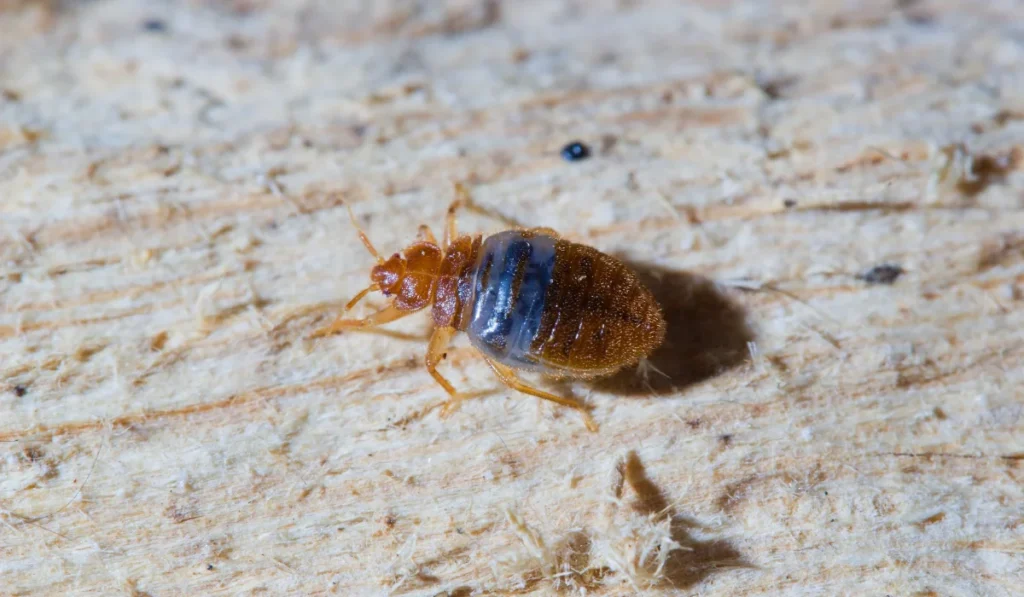
Rodent nests in attics and wall voids attract secondary pests, including mites, fleas, and certain beetles. Mites that drop from active rodent nests can survive for 10 days or more without feeding, which means they may linger in living spaces after the rodents themselves are gone.
Old nests in attics can also harbor black carpet beetles, which can spread into the home’s interior once the nesting material is disturbed. Addressing a rodent infestation promptly reduces the window in which these secondary pests can establish themselves.
Risks From Rodents Inside Your Home
Rodent activity inside a structure carries both health and property risks that extend well beyond noise in the walls at night.
Health Risks
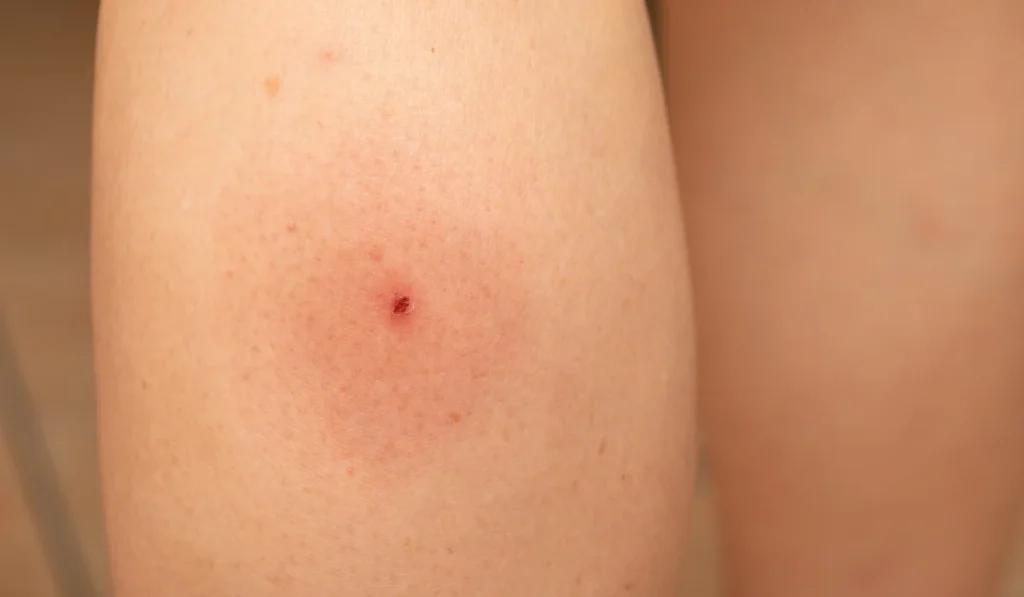
Rodents can carry at least 10 different kinds of diseases including murine typhus, leptospirosis, rabies, ratbite fever, and bacterial food poisoning. They also contaminate roughly 10 times as much food as they consume, through urine, droppings, and hair.
Leptospirosis is of particular concern in coastal Florida, where contact with contaminated water or soil near waterways can transmit the disease. Roof rats are also the reservoir host for murine typhus, which is transmitted to humans through flea bites from infected fleas carried by roof rats.
Property Damage
Roof rats gnaw through electrical wiring, creating a fire risk inside walls and attics that may not be visible until damage is already done. They also gnaw through plastic and lead water pipes, and make holes in wooden walls and structural elements as they expand their nesting areas.
Norway rats burrow beneath foundations and concrete slabs, undermining the structural stability of the areas they occupy over time. The combination of gnawing damage and nesting activity in insulation and ductwork makes a rodent infestation significantly more costly the longer it remains unaddressed.
Professional Rodent Control for Panama City Homes
A structured approach that combines prevention, inspection, and professional treatment addresses a rodent infestation before it becomes harder to manage.
Waynes uses an Integrated Pest Management protocol built around identifying the problem, reducing what attracts rodents, and closing the access points they rely on.
Reduce What Draws Rodents to Your Property
Sealing entry points is the foundation of lasting rodent control. Gaps around roofline penetrations, soffit vents, and utility lines are the priority for roof rat exclusion in Panama City. Ground-level gaps around foundation walls, pipes, and door sweeps address Norway rats and mice.
Trimming trees and shrubs away from the roofline removes the overhead travel routes that roof rats depend on in the Panhandle’s heavily vegetated neighborhoods.
Beyond exclusion, reducing outdoor attractants limits how many rodents approach the structure in the first place. Store garbage in sealed containers, keep pet food indoors after feeding, and clear fallen fruit or seeds from the yard regularly. These steps reduce the reward that brings rodents to the perimeter of your home before they find a way inside.
Why Control Starts With Inspection
Rodent activity is often not visible from inside the living space. Signs of active roof rat nesting in an attic, grease marks along wall plates, or burrowing near the foundation may only become apparent during a focused inspection.
Waynes technicians inspect your home and property to identify the species involved, locate entry points, and find active nesting sites. That information shapes the entire control plan because a targeted approach depends on understanding exactly where rodents are and how they got in.
What to Expect During Professional Rodent Treatment
After the inspection, Waynes develops a customized control plan for your home. Technicians position traps along identified travel routes and apply exclusion work at active entry points. Exclusion methods are a core part of treatment.
Our experts seal gaps, cracks, utility openings, and roofline access points to cut off the routes rodents use. This physical barrier work is what turns a one-time treatment into lasting prevention rather than a temporary reduction in activity.
What to Expect From a Waynes Pest Control Rodent Plan in Panama City
Waynes Pest Control has served more than 150,000 customers across the Florida Panhandle, Alabama, Mississippi, and Tennessee for over 50 years. As a member of the EPA’s Environmental Stewardship Program, Waynes builds every plan around what the inspection reveals in your specific home.
Waynes does not stop after the initial treatment. Continuous monitoring and follow-up visits continue until the problem is resolved. For homes that need around-the-clock tracking, Waynes also offers the SMART digital monitoring system, which uses sensor-enabled traps monitored electronically to identify and prevent rodent activity over the long term.
Dealing with Rodents in Panama City
Rodents in Panama City move indoors year-round rather than only in fall, driven by food availability, moisture, and the shelter that attics and wall voids provide.
Roof rats are the dominant species in Florida and enter primarily through overhead access points, which makes them easy to miss until activity is well established. Early signs, including droppings, gnaw marks, and runway grease trails, are worth acting on quickly because the structural and health risks grow the longer a colony remains.
If you notice any of those signs in or around your home, contact Waynes Pest Control in Panama City to schedule an inspection and a customized plan built around your property.
Frequently Asked Questions
What Time of Year Are Rodents Most Likely to Enter a Home in Panama City?
Unlike in cooler climates, rodents in Panama City are active and can move indoors throughout the year. Roof rats breed year-round in Florida’s warm climate, and pressure on structures does not ease significantly with the seasons. Homes with fruit trees, dense vegetation near the roofline, or accessible food sources face consistent rodent pressure regardless of the month.
What Are the First Signs of Rodents Inside?
Common early indicators include droppings near food storage areas, in drawers, or in the attic. Gnaw marks on food packaging, wiring, or structural wood are another sign. Grease marks along walls indicate established travel routes. For roof rats specifically, scratching or movement sounds in the attic at night are often the first thing homeowners notice.
How Do Rodents Get Into a Building in Panama City?
Roof rats enter through gaps at roofline level, including openings around soffit vents, utility penetrations, and gaps where branches have worn against the structure over time. Norway rats use ground-level access points near foundations, drains, and pipes. Both species can fit through surprisingly small gaps, which is why exclusion work focuses on sealing every potential opening rather than just the obvious ones.
Should I Handle a Rodent Problem Myself or Call a Professional?
Basic steps like trimming trees away from the roofline, securing garbage, and removing outdoor food sources are worthwhile immediately. For an active infestation, professional help is the more reliable path. A trained technician can identify the species, locate nesting sites in attics and wall voids that are not accessible to homeowners, and carry out exclusion work that prevents the problem from returning after the active population is removed.