
 Roof rat season in Panama City, FL, often surprises homeowners. These rodents stay active much longer here than in many other parts of the country. The warm, humid climate keeps them breeding, nesting, and foraging across neighborhoods from downtown Panama City to Panama City Beach.
If you notice scratching in the attic, droppings near storage boxes, or soft noises in the walls, a roof rat infestation may already be underway.
Many local families start noticing roof rats when they walk outside at night and see movement along fences or utility lines. Others spot chewed fruit under citrus trees. Some notice that pets keep staring at the ceiling as if something is up there. These signs are common in our area, especially as the weather cools and rats look for warm attic spaces.
In this guide, we will explain when their activity peaks and why Panama City’s year-round climate keeps them active. You will also learn how to protect your home through simple preventive measures and professional pest management. If you want to stay ahead of seasonal spikes, Waynes Pest Control is ready to help with rodent control in Panama City, FL, and long-term exclusion.
Roof rat season in Panama City, FL, often surprises homeowners. These rodents stay active much longer here than in many other parts of the country. The warm, humid climate keeps them breeding, nesting, and foraging across neighborhoods from downtown Panama City to Panama City Beach.
If you notice scratching in the attic, droppings near storage boxes, or soft noises in the walls, a roof rat infestation may already be underway.
Many local families start noticing roof rats when they walk outside at night and see movement along fences or utility lines. Others spot chewed fruit under citrus trees. Some notice that pets keep staring at the ceiling as if something is up there. These signs are common in our area, especially as the weather cools and rats look for warm attic spaces.
In this guide, we will explain when their activity peaks and why Panama City’s year-round climate keeps them active. You will also learn how to protect your home through simple preventive measures and professional pest management. If you want to stay ahead of seasonal spikes, Waynes Pest Control is ready to help with rodent control in Panama City, FL, and long-term exclusion.
Key Takeaways
Protection Calendar · Roof ratsPanama City, FL
When roof rats peak in Panama City
This calendar tracks roof rat activity along the Gulf Coast. The warm climate keeps them active all year. Indoor pressure peaks as nights cool from fall into late winter. Darker shields mean heavier activity.
J
F
M
A
M
J
J
A
S
O
N
D
Peak: Oct–Jan, rats move into warm attics and soffits
Peak Oct–JanHigh Sep & FebLow Mar–Aug
Waynes builds year-round protection across the Southeast, backed by 50 years and the EPA Pesticide Environmental Stewardship Program. Every little thing matters. A LOT.
- Roof rat season in Panama City, FL, lasts all year, with peak indoor activity from October through February.
- Plentiful food sources and warm weather help roof rats survive and reproduce quickly.
- Openings the size of a quarter let roof rats into attics, soffits, and crawl spaces.
- Roof rat prevention is easier with expert rodent control and exclusion from Waynes.
Video Guide: How to Identify What Type of Rat You Have
This quick video helps you tell the difference between roof rats, Norway rats, and other common species. You will learn what to look for in size, color, droppings, and behavior to confirm whether roof rats are active around your home. Use it along with the signs in this guide to better understand what is moving through your attic or crawl space.Why Roof Rat Season Lasts Longer In Panama City, FL
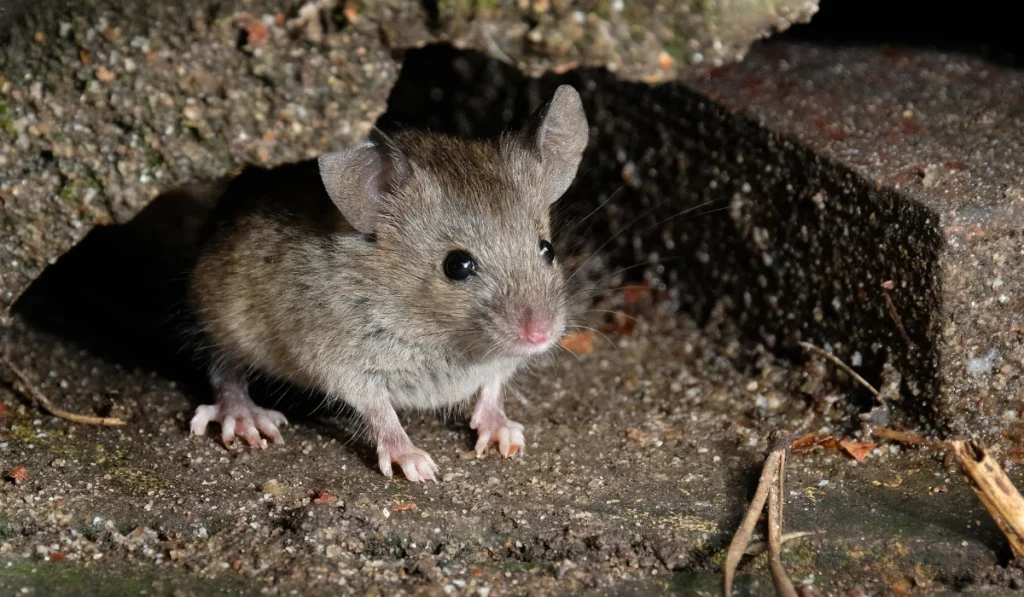
Roof rats, also called black rats, fruit rats, or ship rats, belong to the species Rattus rattus. They thrive in areas with fruit trees, palm trees, steady water sources, and easy access to food. When the weather cools in late fall, they look for warm places to hide. Attics, crawl spaces, soffits, and basements quickly become targets, especially when small openings make entry easy. Their chewing, droppings, and flea activity cause problems for many Florida homeowners. Roof rat season in Panama City, FL, lasts longer than in most places because the climate rarely gets cold enough to slow them down. Roof rats eat many kinds of food, so almost anything becomes a meal. Bird feeders, fallen fruit, garbage bags, and open pet food bowls all draw them in. Homes near water also provide humidity and shelter. These conditions give roof rats many comfortable places to live. Coastal homes are at higher risk of roof rat infestations because these conditions remain consistent year-round. These conditions often bring roof rats and Norway rats onto the same property. Norway rats stay close to the ground, while roof rats move along rooflines and other high structures. When food is plentiful, both species settle in quickly, making it harder to manage without professional pest control.Peak Roof Rat Activity: October Through February
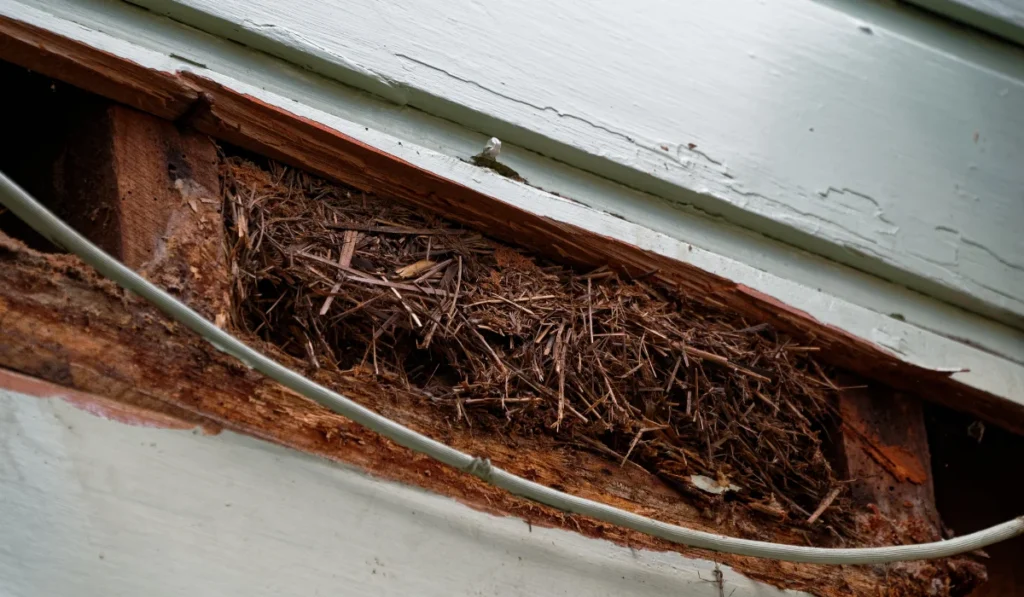
The most active months of roof rat season in Panama City, FL, run from fall into late winter. As nights grow cooler, rats search for places where warm air escapes. Attics, wall voids, soffits, and utility line entry points become favorite locations. Roof rats travel along fences and utility lines to reach the roof. Once there, they slip through small openings behind gutters, gaps in siding, or damaged vents. They are excellent climbers, so they can reach high spots even on two-story homes. Once a nest forms inside insulation, the population grows quickly. Homeowners near Panama City Beach often notice increased roof rat activity due to dense vegetation and outdoor kitchens. If you hear movement overhead or find droppings near stored holiday boxes, schedule an inspection with us. Our rodent control approach targets seasonal spikes and protects your Florida home.Common Signs Of Roof Rats Around Your Home
During roof rat season, signs of activity become easier to spot.- Droppings in basements, attics, or crawl spaces.
- Gnaw marks show up on insulation, wood, or food containers.
- Half-eaten citrus or other fruit with small holes near the skin, especially if fruit trees grow near your home.
- Smudge marks form along beams or pipes where rats travel.
- Nesting spots appear in quiet corners filled with insulation, shredded paper, or dried plant material. As the nest grows, fleas may spread into living areas. This flea activity is especially common when pets move through storage spaces.