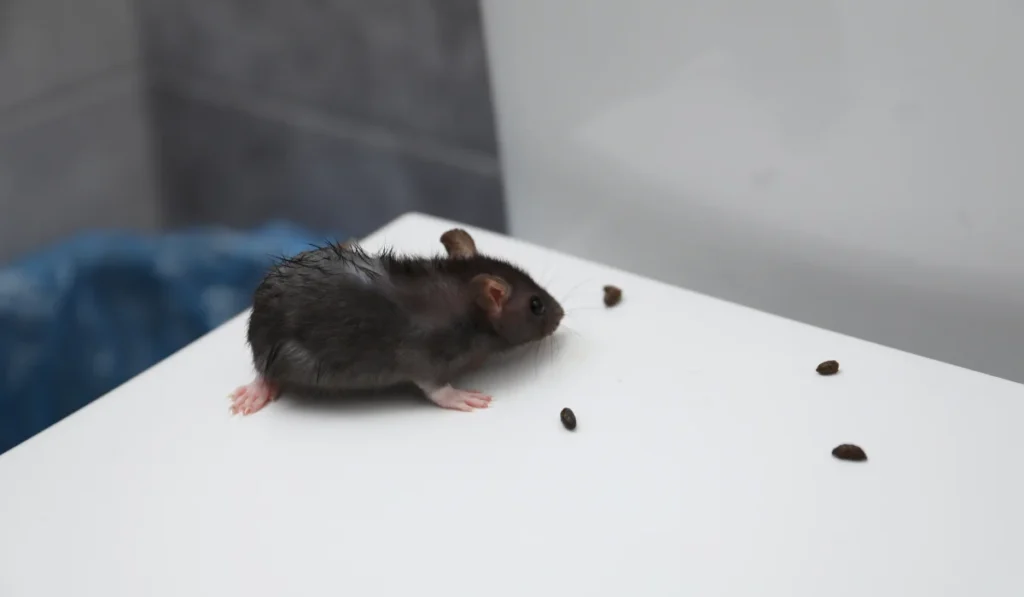

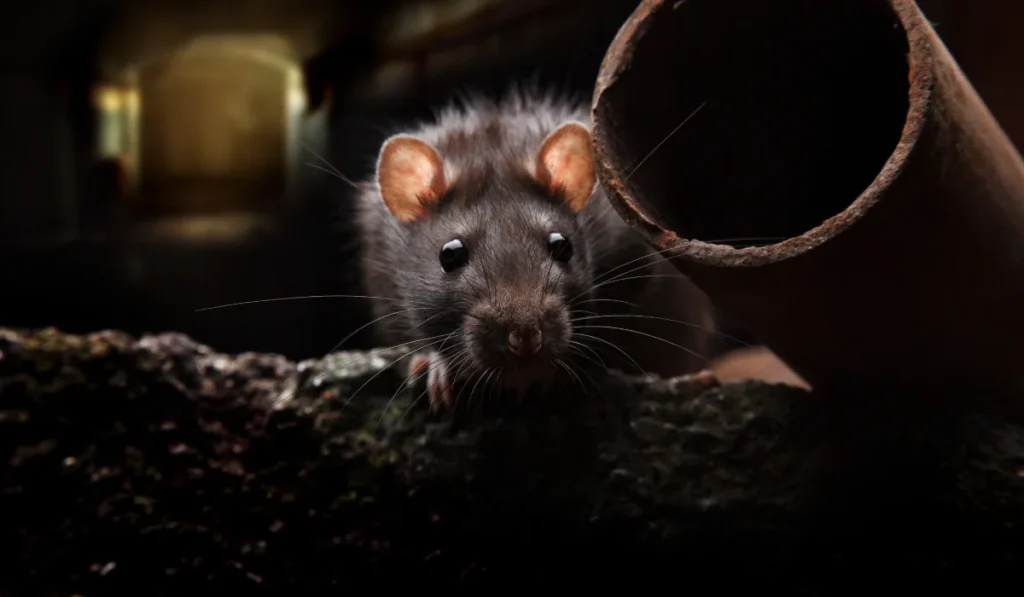
If you live near the beach, you may hear scurrying in the attic or see gnaw marks on soffits. Roof rats are active across Panama City, from St. Andrews to Lynn Haven. The warm climate and dense palms, fruit trees, and vines give them easy access to food and shelter.
Roof rats climb, squeeze through small gaps, and settle in attics. They use tree branches and fence lines, then test vents and cracks until they get inside. Once inside, they breed fast, leave droppings, and chew wires and wood.
In this guide, you will see why coastal homes face more rat pressure. You will learn how to spot activity, block entry points, use Florida-smart prevention, and when to call a Panama City pro for a free inspection.
Key Takeaways
- Roof rats love Florida’s coast. Fruit trees, palm trees, and thick vines help them reach your roof.
- Watch for scurrying at night, rat droppings, and gnaw marks in attics and garages.
- Close entry points, remove outdoor food sources, and set traps properly.
- For lasting results, use professional pest control services with inspection and exclusion.
Roof Rats In Panama City, FL: What To Know
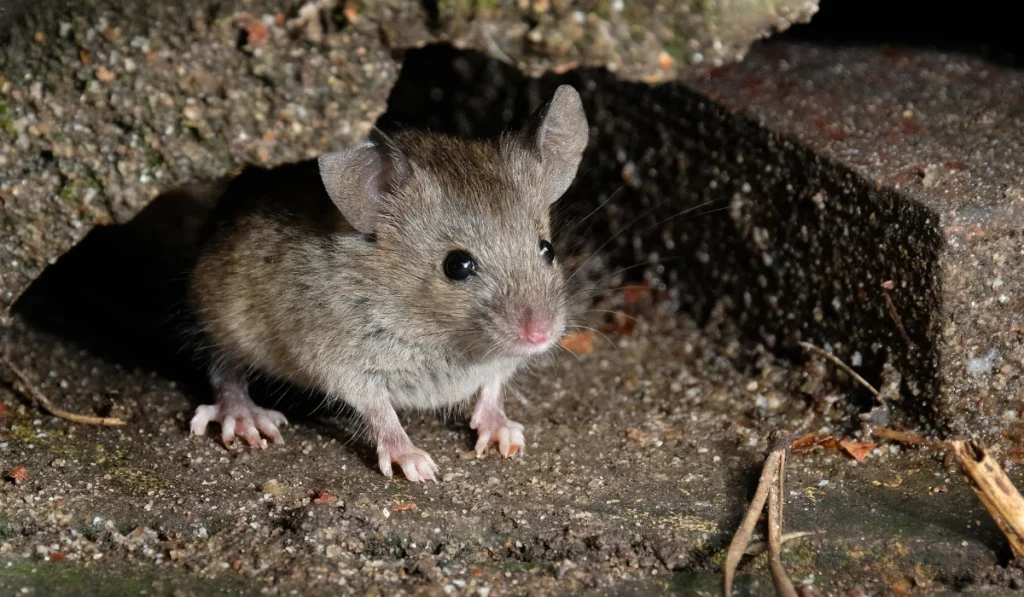
Roof rats are slim climbers with long tails and large ears. People also call them black rats, ship rats, or Rattus rattus.
In Panama City, they use fence tops and utility lines, then probe attic vents and soffits for weak spots. Many Florida homes have thick plants and overlapping rooflines that give easy cover and access.
Unlike heavier Norway rats that burrow, roof rats prefer high spots. They eat many things, but fruit, seeds, and pantry food top the list. They thrive near fruit trees and bird feeders and often raid pet food left outside. With Panama City’s mild winters, rat activity runs year-round.
At Waynes Pest Control, we offer complete rodent control in Panama City, FL, to protect your home and family from roof rats.
Why Coastal Homes Are At Higher Risk
Coastal neighborhoods are more likely to have rat problems. Dense palms, heavy hedges, and tangled vines act like bridges to your roof.
In Panama City, storms and tropical systems can loosen flashing and screens, creating new entry points that roof rats find fast. Salt air, outdoor kitchens, and nearby marinas provide steady food sources, such as trash and fish scraps.
Add overlapping rooflines and older vents, and rat numbers can jump. Routine sealing and trimming keep pressure down. Without these steps, a rat problem can spread from one attic to the next.
Signs You Have A Rat Infestation
Sound is often the first sign. Look for fresh droppings on joists or boards, gnaw marks on wood or plastic, and greasy rub marks along regular paths. A musty odor can grow stronger as rats move in.
Outdoors, check under fruit trees for droppings. Check around grills or storage bins for feces. Also, inspect garages and crawl spaces for torn insulation or shredded paper. If you are unsure, sprinkle flour in a small area and check for tracks or footprints the next day.
Entry Points And How To Block Them
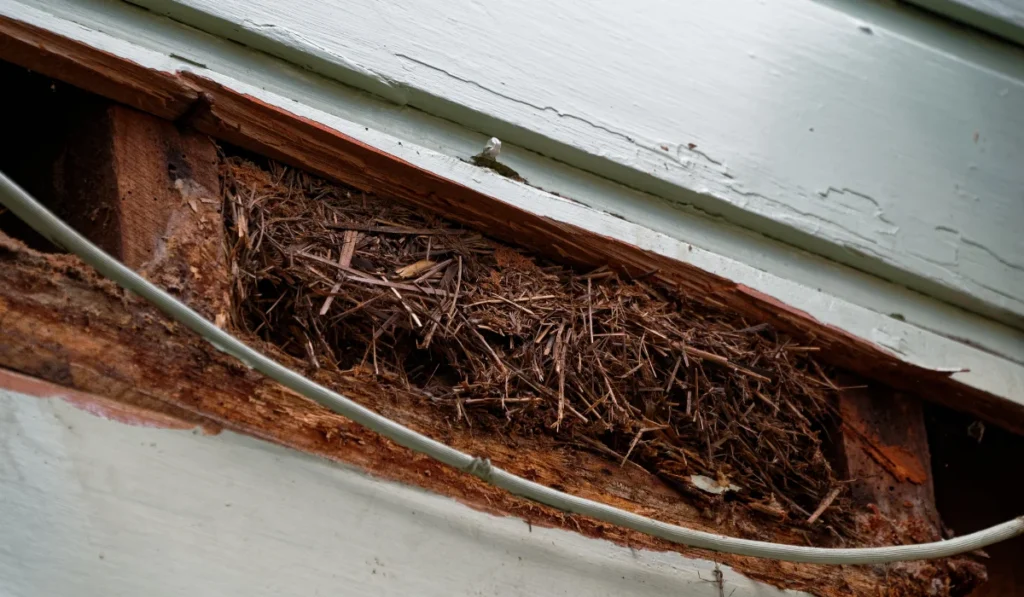
Roof rats enter through small openings about the size of a quarter. Common entry points include gaps at soffits, ridge and gable vents, roof returns, and places where cables or pipes pass through walls.
Damaged screens and loose flashing also invite problems. Seal these gaps to stop rodents before they move in.
Start with the roofline. Trim tree branches 6 to 8 feet away from the house. Seal every gap with metal flashing and hardware cloth. Cap vents, use tight screens, and secure attic doors.
Good sealing keeps critters out and makes your other rodent control steps much more effective.
DIY Vs Professional Pest Control In Panama City
DIY steps help, but results vary. You can set traps, pick up fallen fruit, and store birdseed and pet food in sealed bins. You can also fix drips to remove water sources and tidy up clutter that gives rats cover. These moves cut food sources and make your yard less attractive.
At Waynes Pest Control, we deliver professional pest control in Panama City with a complete plan. Our trained team will inspect your property, identify entry points, and develop a custom treatment plan based on your specific rat issue. Many times, this involves placing traps where rats travel.
Outdoors, we may use tamper-resistant bait stations to reduce pressure. With regular follow-ups, professional pest control keeps new rats from getting back in.
Prevention Tips That Work On The Gulf Coast
Focus on the yard and roof first. Thin dense vines, lift low limbs, and keep shrubs off the walls. Pick up fallen fruit every few days. Move bird feeders away from the house and sweep up spilled seed. Store pet food in tight-fitting containers and bring bowls in at night.
Inside, check the attic and garage for gnaw marks near wires or boxes, and clean up any droppings you find. Keep storage off the floor and leave space along walls so you can spot new activity early.
Simple habits, done often, control rats before a full roof rat infestation starts.
Norway Rats Vs Roof Rats: Quick Guide
Norway rats are heavier and like to burrow along foundations. Roof rats are leaners and prefer roofs, trees, and attics. In Florida and across Panama City, roof rats are the leading cause of attic issues, but both can occur.
Homeowners can look for signs of Norway Rats, such as gnaw marks on plastic bins and droppings. They also listen for low thumps, scurrying sounds, and scratching behind walls.
If you have Norway rats, seal ground-level gaps and collapse burrows. For roof rats, work high. Trim branches, repair vents and soffits, and remove outdoor food.
Both types can spread disease, including leptospirosis and rat-bite fever. Their fleas add more health risks.
Health And Safety: What To Watch
Roof rats can spread germs, such as typhus, and contact with their urine or droppings can transmit illnesses like Leptospirosis. Keep kids and pets away from rodent areas and clean with proper disinfecting steps after removal. If you see signs near electrical wires, act quickly. Chewing can pose a fire hazard in attics and walls.
If you think you have a rat infestation, avoid handling rats or disturbing heavy nests on your own. Call a pro for safe removal, cleanup advice, and long-term exclusion. Good pest management is the best way to protect your home from rodents and hantavirus.
When To Call For Professional Pest Control Services
Call our team at Waynes Pest Control if you see fresh droppings in multiple areas, hear nightly scurrying, or keep finding new gnaw marks.
Our local team in Panama City inspects the roofline, attic, and yard, sets traps, installs bait stations when needed, and provides a written plan for sealing.
You should also call if your DIY steps stop working. Our exterminator confirms the species, maps travel paths, and finds hidden entry points. This approach helps get rid of rodents faster and reduces the risk of a future roof rat infestation.
Making The Right Move For Your Panama City Home
Living on the coast has its perks, but the warm, lush environment also attracts roof rats. If you notice scratching sounds or droppings, don’t wait; minor problems grow fast in Florida’s climate. A prompt inspection can protect your attic, wiring, and stored items before major repairs are needed.
At Waynes Pest Control, we provide reliable pest control in Panama City, FL, with proven methods that block future infestations and keep your home secure year-round.
Contact us today to schedule your free roof rat inspection and get a tailored prevention plan for your home.
FAQs
How Do I Confirm A Rat Infestation Fast?
Check at night for scurrying sounds. Look for rat droppings, gnaw marks, and greasy rub marks along regular paths. Inspect near fruit trees and in the attic. If signs appear in several places, call for an inspection to find entry points and set traps correctly.
Are Roof Rats Dangerous to Families And Pets?
Yes. Roof rats can carry leptospirosis, typhus, and other germs, and fleas can spread more issues. They also chew, which can harm electrical wires and create fire hazards. Remove rats, clean safely, and use exclusion to keep new rats out.
What Simple Steps Work Best In Florida?
Trim tree branches away from the roof, screen vents and soffits, pick up fallen fruit, and store birdseed and pet food in sealed bins. Fix leaks to remove water sources. For steady results, pair these habits with professional pest control and follow-up visits.