

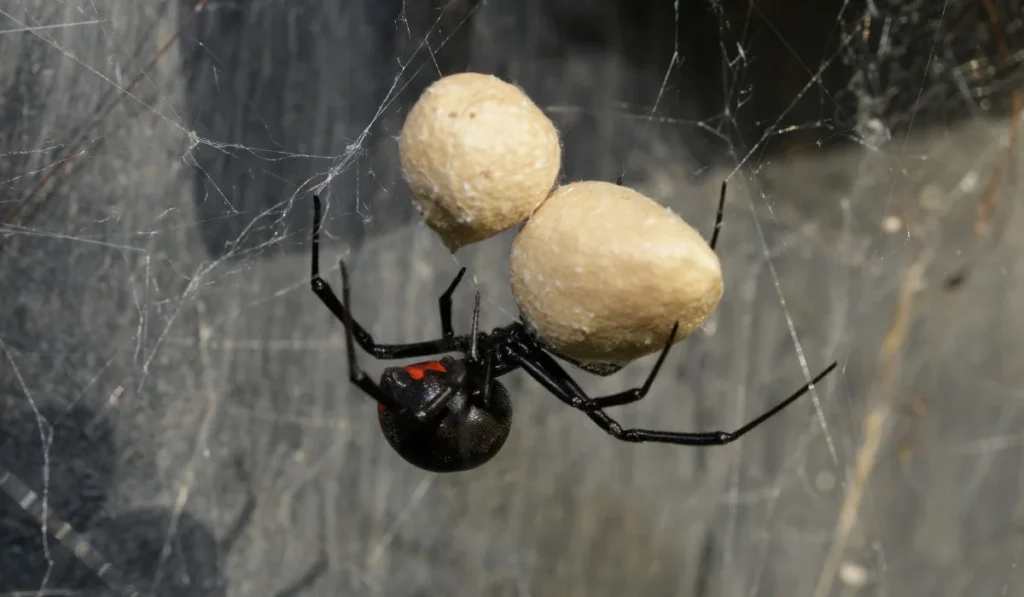
If you find spider egg sacs in Columbus, you may not know what to do next. Those small silk balls tucked into spider webs can hold dozens, and in some spider species even hundreds, of baby spiders. When eggs hatch, spiderlings spread quickly into new rooms.
In Mississippi, homes and businesses often have spider species such as brown recluse spiders, wolf spiders, house spiders, and even black widow spiders that may lay eggs indoors. While many types of spiders are harmless, some are venomous spiders that can pose health risks. If you’re dealing with ongoing spider issues, professional pest control in Columbus, MS, can help address spider activity before it turns into a larger infestation.
Knowing what spider egg sacs look like and how to handle them can help you avoid a larger spider infestation. Here’s what to look for and what to do.
Key Takeaways
- Spider egg sacs are small silk egg sacs attached to spider silk or hidden surfaces.
- Brown recluse and black widow spiders require extra caution.
- Attics, closets, crawl spaces, and baseboards are common hiding spots.
- Use a vacuum cleaner with a hose attachment instead of crushing an egg sack.
- Professional pest control targets active spiders and helps reduce spider activity before egg sacs have a chance to hatch.
What to Do Immediately If You Find Them
If you see spider egg sacs, act carefully. Quick action helps prevent spiderlings from spreading.
Do Not Crush the Egg Sac
Never smash an egg sack. If eggs hatch during removal, baby spiders can scatter across the floor.
Some spider species guard their silk egg sacs. Guarding egg sacs is common in brown recluse spiders and black widow spiders. Disturbing them can increase the chance of spider bites.
Limit the Area
Close off the room if possible. Keep children and pets away.
Spiders are arachnids that prefer quiet spaces. Many lay eggs along the underside of furniture, shelves, or inside attics and crawl spaces.
Take a Photo for Identification
Before removal, take a clear photo. A clear photo helps identify spider species.
If you suspect brown recluse spiders, wolf spiders, brown widow spiders, or a black widow spider, proper identification matters. Some dangerous spiders require professional spider control.
How to Tell If It Is a Spider Egg Sac
Many people ask, what do spider eggs look like? Spider egg sacs look different from loose insect eggs.
Small Silk Ball or Pouch
Most spider egg sacs look like a small, round or oval pouch. They are made from spider silk and feel soft or papery.
House spider egg sacs are often smooth and white. Black widow egg sacs are round and light colored. Brown widow sacs may look slightly spiked.
Attached to Spider Webs or Hidden Corners
Silk egg sacs are often attached to spider webs. You may find them in garages, closets, basements, or storage areas.
Brown recluse spiders often hide egg sacks in dark areas, such as boxes, shoes, or attics.
Carried by Wolf Spiders
Wolf spiders do not leave egg sacks in webs. The female spider carries the egg sack attached to her body until the eggs hatch.
If you see a spider carrying a round sac, it is likely a wolf spider protecting her baby spiders.
Multiple Egg Sacs in One Spot
Finding several silk egg sacs in one area can mean the spider population is growing. Jumping spiders, daddy-long-legs, and other types of spiders may lay eggs in the same protected space. Multiple egg sacs in one area may signal a spider infestation.
Safe Handling, Removal, and Cleanup
Careful removal lowers the chance of eggs hatching inside your home.
Wear Gloves and Long Sleeves
Always protect your skin. Some venomous spiders may stay near their egg sack.
Even harmless house spider species can cause mild spider bites if disturbed.
Use a Vacuum Cleaner With a Hose Attachment
A vacuum cleaner with a hose attachment is one practical way to remove spider egg sacs while keeping a distance from the area. Gently vacuum the egg sack and surrounding spider silk.
Immediately remove and seal the vacuum bag. Place it in an outdoor trash bin. If left indoors, eggs that hatch inside the vacuum bag could release spiderlings.
Clean the Area
After removal, wipe the area with warm, soapy water. Some people use diluted bleach to remove leftover spider silk.
Cleaning reduces the chance that another female spider will lay eggs in the same spot.
When Egg Sacs Mean a Bigger Problem
One egg sack may not always mean a major problem. Other times, it points to a growing spider population.
Frequent Brown Recluse Spiders
Brown recluse spiders are common in parts of Mississippi. Repeated sightings, along with silk egg sacs, suggest they may be nesting inside.
Because brown recluse spiders are venomous, it’s best to get rid of brown recluse spiders safely with the help of a professional spider control service.
Presence of Black Widow or Brown Widow
Finding a black widow or brown widow spider, along with egg sacs, increases health risks, especially since they are among the more common venomous spiders in the Southeast.
These dangerous spiders can deliver painful spider bites. Do not attempt removal without proper protection.
Growing Spider Web Activity
If you see more spider webs in attics, crawl spaces, or storage rooms, it may mean spiderlings have already spread.
Multiple egg sacks and increased web activity often signal a spider infestation.
Schedule a Columbus Spider Inspection
If you keep finding spider egg sacs, do not wait for eggs to hatch and spread baby spiders throughout your home or business. Ongoing spider activity may point to a growing infestation that requires professional pest control.
At Waynes Pest Control, we offer a year-round pest prevention service that includes spider control for common spider species in Columbus.
Contact us today and schedule your initial pest service to address spider activity and help reduce spider populations around your home.
FAQs
What do spider egg sacs look like?
Spider egg sacs look like small silk balls or oval pouches attached to spider silk. They are often white or light brown and found in hidden areas such as attics or closets.
Do spider egg sacs mean I have a spider infestation?
One egg sack may not mean a large problem. However, multiple silk egg sacs, increasing spider webs, and sightings of brown recluse spiders or black widow spiders often indicate a spider infestation.
Should I call professional pest control for spider egg sacs?
If you see repeated egg sacks, venomous spiders, or signs of growing spider populations, professional pest control services can provide targeted spider control as part of a long-term prevention plan.


