
Insights, Tips, and Tales

When Is Rodent Season In Chattanooga, TN?

White mosquito silhouette with a dashed curved flight path on a green background

When Is Rodent Season In Chattanooga, TN?

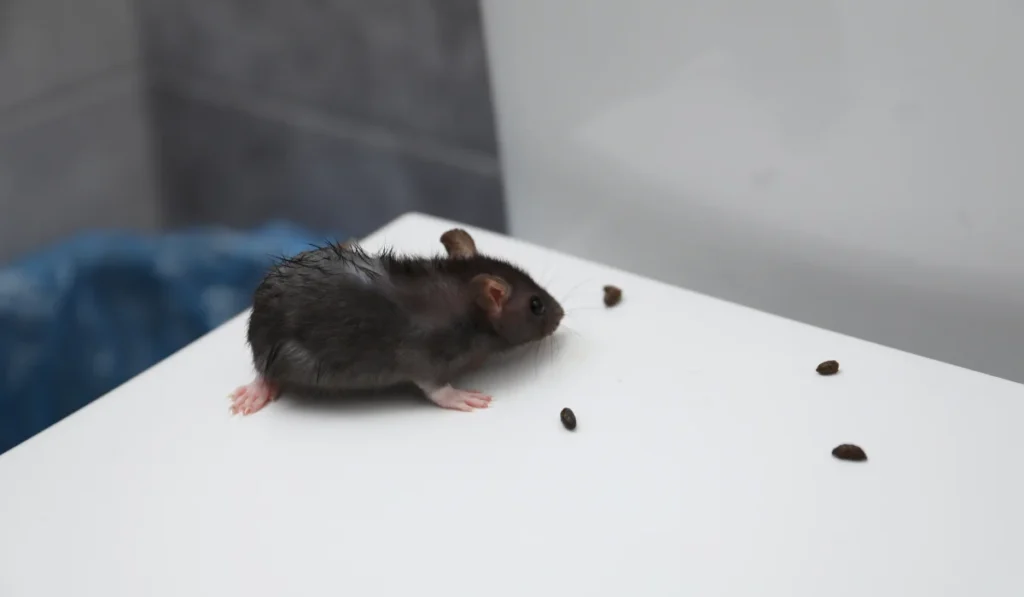
rodent Infestation Rodent season in Chattanooga, TN, begins when cooler weather pushes mice and rats toward warm homes. As fall arrives, these critters search for shelter, food, and quiet places to nest, making rodent control in Chattanooga, TN, essential before infestations start. Many homeowners hear scratching or find droppings before they realize rodent season has begun. Older homes, wooded streets, and riverfront areas across Chattanooga give rodents many places to hide before they move inside. Communities like Cleveland, Signal Mountain, Soddy-Daisy, Red Bank, and East Ridge often deal with damaged wiring, pantry contamination, and crawl space activity. Year-round food sources, such as trash and pet food, worsen the problem. This guide explains when rodent activity peaks, what signs to watch for, and how pest control protects your home.

Key Takeaways

Protection Calendar · RodentsChattanooga, TN

When rodents move into Chattanooga homes

This calendar tracks when mice and rats push indoors. Season starts in October as temperatures drop. Pressure stays high through the coldest months. Darker shields mean heavier activity.

J
F
M
A
M
J
J
A
S
O
N
D
Peak: Nov–Jan, rodents seek heat and food indoors
Peak Nov–JanHigh Oct & FebLow Mar & SepOff Apr–Aug
Waynes builds year-round protection across the Southeast, backed by 50 years and the EPA Pesticide Environmental Stewardship Program. Every little thing matters. A LOT.
  • Rodent season in Chattanooga, TN, typically runs from October through February.
  • Early signs include droppings, scratching sounds, and gnawed entry points.
  • Weather, food sources, and home design influence rodent infestations.
  • Professional pest control helps protect Chattanooga homes year-round.

Understanding Rodent Season In Chattanooga, TN

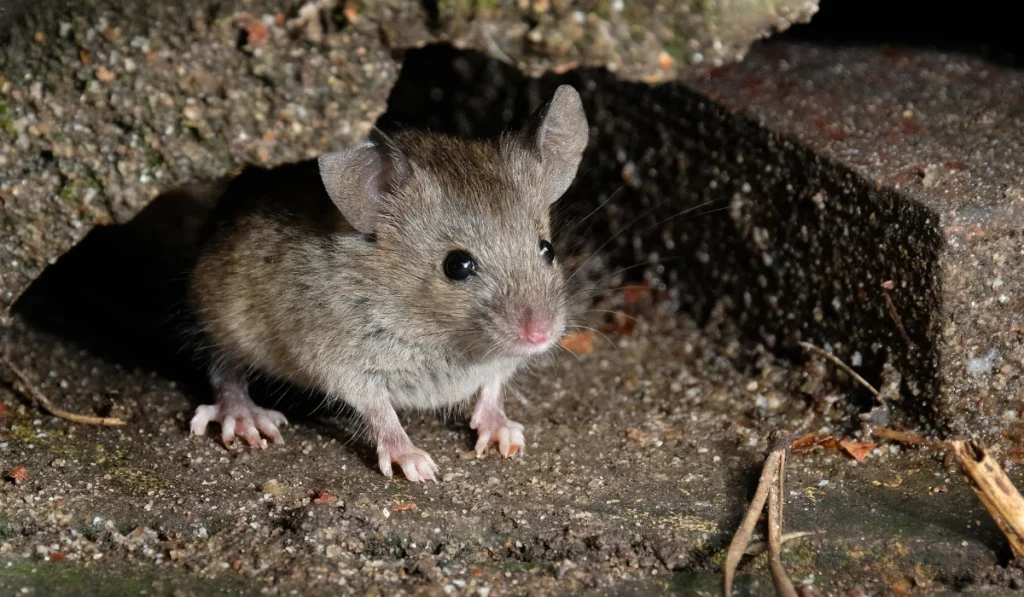
Rodent season in Chattanooga begins in the fall, before winter sets in. As temperatures drop, rodents leave their burrows and look for warm nesting sites. Chattanooga homes offer heat, food, and quiet spaces such as basements, attics, and crawl spaces, which attract rodents in colder months. Once inside, mice and rats breed fast. A single house mouse can have several litters per year. Norway rats also multiply quickly and spread through a home faster than most people expect. Even minor signs of rodent activity call for quick action. At Waynes Pest Control, we help Chattanooga homeowners stay ahead with rodent control that targets the source. Regular inspections and effective treatments cut off rodent problems before they grow.

Why Rodent Season Gets Worse During Fall And Winter

Rodent season in Chattanooga, TN, is more intense in fall and winter because lower temperatures and shorter days push rodents toward homes. Higher areas such as Signal Mountain and Walden cool faster, so rodent season can start there before downtown Chattanooga. Stop rodents before they move in and settle into warm areas of your home. Outdoor food sources drop as plants, gardens, and landscaping fade in winter. Rodents then move indoors and look for easy food. Inside your home, they often target:
  • Open pet food bowls
  • Crumbs near appliances
  • Unsealed pantry items
  • Indoor trash cans
  • Stored bird seed or grass seed
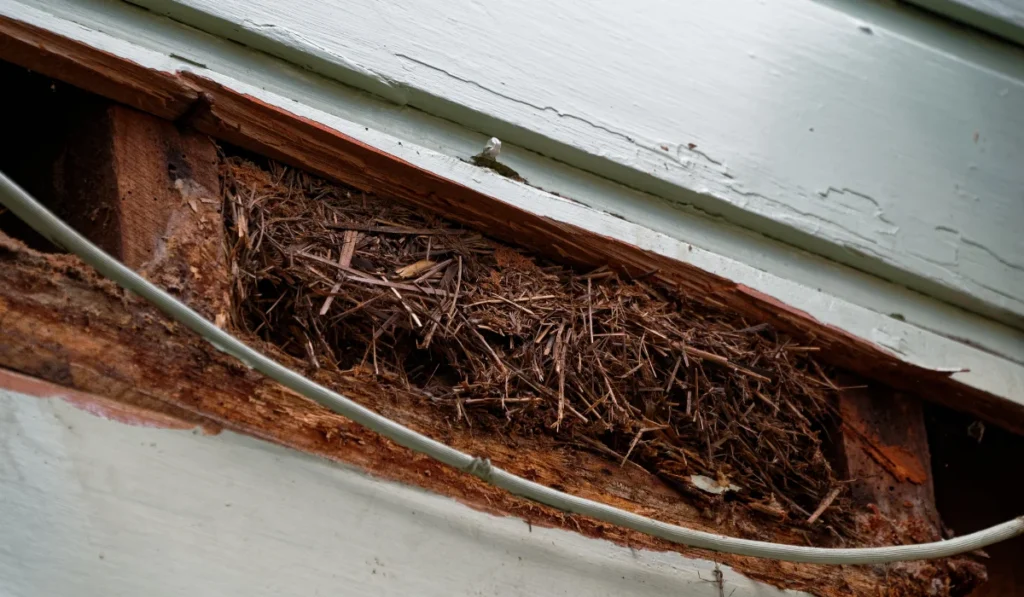
Rodents need only a small amount of food each day. They also use soft materials such as insulation or cardboard to build nests in hidden areas. Basements, wall voids, and attic corners become ideal shelters in winter. Professional pest control identifies nests, seals entry points, and safely removes rodents. At Waynes Pest Control, we protect homes through the coldest months, when rodent activity peaks.

How Tennessee Weather Patterns Affect Rodent Activity

Rodent season in Chattanooga does not follow the same schedule every year. Tennessee weather changes quickly, and rodents respond to shifts in temperature and rain. A sudden cold snap in October can send rodents, including brown rats, into homes earlier than expected. Heavy rain can flood burrows, forcing rodents indoors to find dry shelter. Homes in growing areas such as Ooltewah, Hixson, and East Brainerd often see more rodent activity when new construction disrupts habitats. Weather and environmental factors that increase rodent movement include:
  • Early cold fronts
  • Long rainy seasons
  • Long warm periods followed by sudden cooling
  • Ground-level flooding near creeks and low areas
Because Chattanooga has older homes, riverfront areas, and wooded streets, many properties stay at risk year-round. Our team uses local knowledge to track rodent patterns and tailor treatments to real conditions.

Signs That Rodent Season Has Reached Your Chattanooga Home

When rodent season in Chattanooga ramps up, signs often start small. You may hear scratching behind walls or in ceilings. You might find droppings in pantries, basements, or storage rooms. These early clues often mean rodents have already entered the home. Common signs include:
  • Scratching or scurrying at night
  • Droppings along baseboards or shelves
  • Chewed bags or boxes in pantries
  • Shredded paper or fabric for nests
  • Greasy rub marks along walls
  • Unusual pet behavior, like staring at walls or sniffing one corner
Rodents chew wood, insulation, and electrical wiring, creating fire hazards and potential health risks for your family. Their chewing and nesting behavior can cause severe damage if you do not act quickly. At Waynes Pest Control, we provide inspections to identify rodent activity early. Our professionals know rodent behavior and hiding spots, which makes inspections faster and more accurate.

Why Rodent Season Hits Certain Chattanooga Neighborhoods Harder

Rodent activity varies across Chattanooga because home design and landscapes differ. Older neighborhoods such as St. Elmo, Red Bank, Hill City, and North Chattanooga often have aging siding, older foundations, and crawl spaces with small openings. Even tiny gaps can be entry points. Mice can squeeze through a hole the size of a nickel. Wooded or elevated areas, such as Signal Mountain, Lookout Mountain, and Soddy-Daisy, often experience greater rodent pressure due to cooler air and natural cover. Rodents prefer shaded, quiet areas, so these neighborhoods see early-season activity. Neighborhood risk factors include:
  • Homes near creeks or wooded trails
  • Open or unsealed trash cans
  • Cluttered storage areas with hiding spots
  • Gaps around pipes, dryer vents, or door frames
  • Old crawl space covers or broken vents
Our team considers neighborhood patterns and develops plans for your home and location. This approach helps stop rodent infestations across the Chattanooga area.

Preventing Rodent Infestations During Peak Season

During rodent season, focus on prevention to protect your home. Because rodents reproduce quickly, even one or two mice can become an infestation within weeks. Simple prevention steps include:
  • Store pet food in sealed containers
  • Clean kitchen counters daily and sweep crumbs
  • Seal openings around plumbing, vents, and wiring
  • Keep outdoor trash cans tightly closed
  • Trim tree branches that touch the roof
  • Clear clutter from garages, basements, and crawl spaces
  • Repair broken screens and gaps under doors
These steps help keep rodents out, but they do not solve every issue. Chattanooga homes often have hidden cracks or entry points that a trained eye can find.

How Professional Pest Control Solves Rodent Problems Faster

Homeowners often try traps or bait from local stores, but during rodent season in Chattanooga, TN, rodent infestations grow faster than DIY tools can handle.  Rodents are cautious and often avoid new traps. They also hide in deep areas, such as insulation, attic corners, and crawl space foundations, where store-bought products cannot reach. Professional pest control services provide thorough inspections and long-term protection to help you get rid of rodents in your home. At Waynes Pest Control, we use targeted methods to remove mice and rats safely. Follow-up visits keep the problem under control. For added protection, SmartPest Control adds 24/7 monitoring that alerts our team when rodent activity increases. Professional pest control is helpful in winter, when rodents search more actively for food. The proper treatment plan helps you stop infestations and keep your Chattanooga home clean and pest-free.

Choosing The Right Treatment Plan For Your Chattanooga Home

Choosing the best treatment plan during rodent season in Chattanooga, TN, depends on your home’s structure and the level of activity. A strong plan includes rodent removal, sealing entry points, and ongoing support. Many Chattanooga homeowners pair rodent control with other services, especially if they also see ants, roaches, fleas, or wasps indoors.  At Waynes Pest Control, we build plans around your needs. We offer year-round pest control and SmartPest, which uses monitoring tools to detect rodent activity early and protect your home long-term.

Making The Right Rodent Control Choice For Your Chattanooga Home

Rodent season in Chattanooga, TN, affects homes across the region every year, but taking the proper steps can help you avoid trouble. When you understand the signs, the timing, and why rodents move indoors, you can act before an infestation grows. Regular inspections, sealed entry points, and consistent pest control help protect your home and family. At Waynes Pest Control, we work with Chattanooga homeowners to remove rodents and prevent them from coming back. We design our rodent control services for Tennessee weather, local neighborhoods, and common construction styles in the area.  If you see rodent activity or want a free inspection or free quote, contact us today. We are ready to help restore comfort and keep your home pest-free all year.

FAQs

When does rodent season start in Chattanooga, TN?

Rodent season in Chattanooga, TN, usually starts in October when temperatures begin to drop. Activity increases through winter as rodents search for heat and food inside Chattanooga homes.

What are the most common signs of a rodent infestation in Chattanooga homes?

You may see droppings, hear scratching noises, notice chewed entry points, or see food packages torn open. Pets often sense rodent activity first in Chattanooga homes.

Should I hire professional pest control for rodent problems in Chattanooga?

Yes. Because rodents hide in crawl spaces and reproduce quickly, professional rodent control gives Chattanooga homeowners better results and long-term protection.

Rebecca Wood

Waynes has been serving customers since 1973. We have grown over the decades through a commitment to providing a world-class experience for our customers. We believe that if our employees are happy and fulfilled, they will go above and beyond in delighting our customers.

Latest from Waynes Blog

Opossum

Opossums in Florida: Habits, Risks, and ID

An opossum in Florida is usually a Virginia opossum, the state’s only marsupial. These animals are common around wooded areas, water sources, neighborhoods, gardens, sheds, crawl spaces, and yards where food or shelter is easy to find.  Opossums are mostly nocturnal and often avoid people, but they can become a nuisance when they get into…

Learn More >

tick

Ticks in Florida: Types, Season, and Prevention

In Florida, homeowners often encounter ticks around yards, trails, pets, and wooded perimeters. These animals thrive in shaded, grassy, brushy, or wooded outdoor environments, particularly where moisture, leaf litter, pets, and wildlife create ideal conditions.  Because certain ticks can transmit diseases, effective prevention is vital. Frequent sightings of ticks on clothing, pets, or outdoor recreation…

Learn More >

black carpenter ants

Carpenter Ants in Florida: Signs and Seasonal Activity

In Florida, carpenter ants are large insects that can be found both indoors and outdoors, particularly near moisture sources, trees, decaying wood, window frames, crawl spaces, attics, and plumbing leaks.  Unlike termites, they do not consume wood; instead, they often establish nests inside structural voids, soft or decayed wood, and pre-existing cavities. Spotting an occasional…

Learn More >

Florida no-see-um (biting midge) resting on human skin

Florida No-See-Ums: Identification, Bites, and Season

Biting midges, sand gnats, or sand flies, commonly known as Florida no-see-ums, are minuscule biting flies that often cause discomfort in coastal yards, patios, beaches, and marsh edges. Because of their tiny size, you might experience their small, itchy bites without ever spotting the insect itself.  These animals are particularly troublesome across coastal Florida, thriving…

Learn More >

Numerous reddish Florida fire ants swarming across a dirt mound with grass at the edges

Florida Fire Ants: Identification, Bites, and Mounds

Florida fire ants are one of the most frustrating ant problems homeowners face because they can build mounds in lawns, sting when disturbed, and return after rain or yard work.  The red imported fire ant is the species most people mean when they talk about fire ants in Florida. These ants are reddish brown to…

Learn More >

Florida millipede crawling across wet brick tile, segmented dark body with many pale legs visible

Florida Millipedes: Identification and Seasonal Habits

A Florida millipede is usually a nuisance pest, not a sign of structural damage. Millipedes live outdoors in damp places where they feed on decaying plant material, mulch, leaf litter, and rotting vegetation.  They often become noticeable after rain, heavy irrigation, or sudden moisture changes because saturated soil can push them toward patios, garages, crawl…

Learn More >

Aedes Mosquitoes

Florida Mosquitoes: Species, Season, and Bites

Florida mosquitoes are more than a backyard annoyance. They can make patios, pools, porches, and coastal yards difficult to enjoy, and some species can spread disease.  Florida has many mosquito species, but homeowners usually need to focus on a few practical questions: where they are breeding, when they are most active, and why they keep…

Learn More >

Translucent mole crab (sand flea) resting on coarse mixed-color beach sand

Sand Fleas in Florida: ID, Bites, and Season

Sand fleas in Florida can mean two different things, and that is where most of the confusion starts. At the beach, “sand fleas” often refers to mole crabs, small crustaceans that live in the surf zone and are not household fleas.  When people talk about itchy bites near beaches, marshes, patios, or coastal yards, they…

Learn More >

Ants crawling along a dirty white window sill and frame

Common Florida Insects: How to Identify Them

A Florida insect problem can look different from house to house. One home may deal with ants in the kitchen, another may see roaches in the garage, and another may notice termites, mosquitoes, fleas, or bed bugs.  Florida’s warm, humid climate can keep many pests active for long stretches of the year, so identification matters….

Learn More >

Scroll to Top