
Rats enter Chattanooga homes through gaps, cracks, and openings that most homeowners would not think to check. Roof rats climb and access structures from above. Norway rats burrow and enter from ground level. Both species are adaptable, persistent, and capable of causing real damage before most people realize they are present. Knowing how each species moves, where it nests, and what evidence it leaves behind puts you in a much better position to respond before an infestation establishes.
Key Takeaways
- Roof rats enter from above, nesting in attics, wall voids, and elevated structures. Norway rats burrow near foundations and enter at ground level. The species determines which entry points to inspect first.
- Droppings, gnaw marks, and grease trails along walls are the most reliable signs of rat activity. Even a single confirmed sign warrants action.
- Rats and mice can jeopardize household health and cause ongoing property damage. Sealing entry points and removing food sources are the most important first steps.
- Waynes Pest Control brings over 50 years of experience and a family-owned approach to rodent control for Chattanooga homeowners.
How to Identify Rats in Your Chattanooga Home
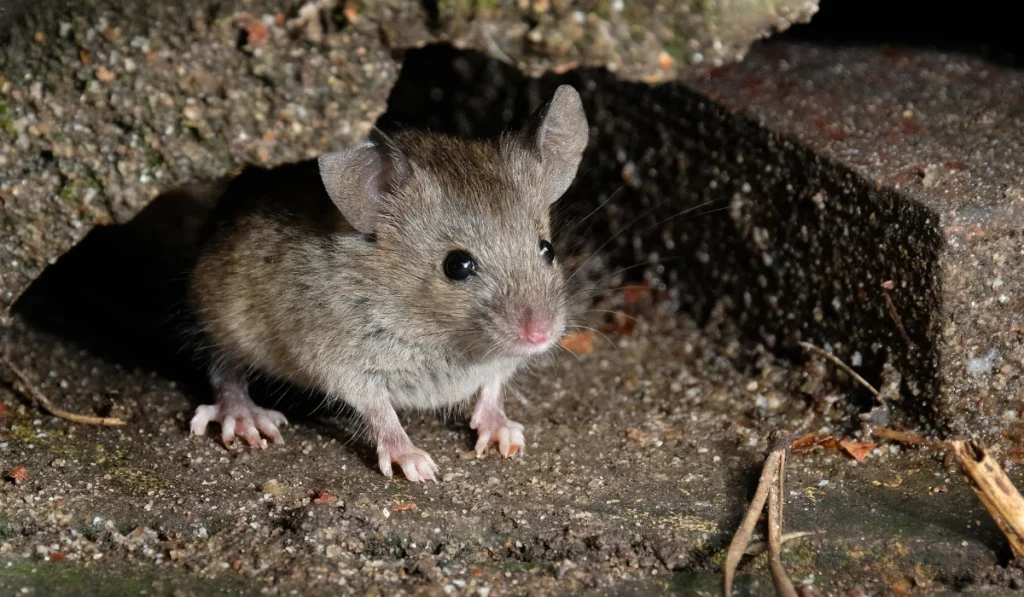
Roof rats, Norway rats, and house mice all enter Chattanooga homes, and each leaves different evidence in different locations. Telling them apart before you act keeps your response targeted and effective. University of Tennessee Extension provides identification resources for commensal rodents common to East Tennessee homes, including the physical differences between species that are easy to confuse.
Roof Rats vs. Norway Rats vs. House Mice
Size alone can mislead. A young rat and an adult house mouse can measure similar lengths overall, but the proportions differ clearly. A young rat has noticeably large feet and a large head relative to its body. A house mouse has small feet and a small head. These proportional differences are visible even at a quick look and are more reliable than total body length when you cannot get a close measurement.
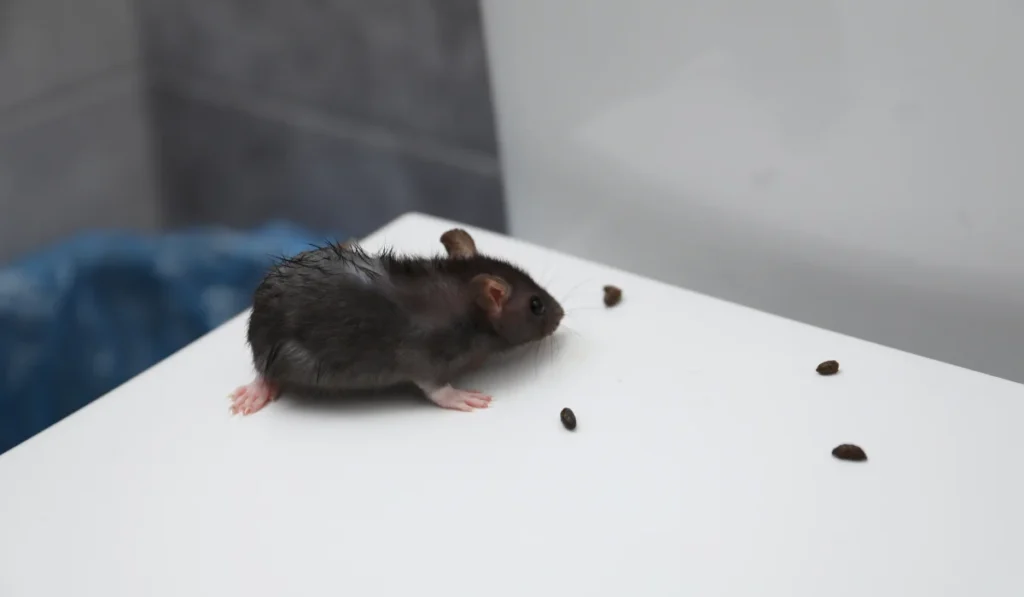
Droppings confirm the species with more certainty than any other indicator. Roof rat droppings are pointed and roughly half an inch long. Norway rat droppings are blunt-ended and closer to three-quarters of an inch. House mouse droppings are pointed but much smaller, around one-eighth of an inch. Finding droppings in a consistent location tells you which species is active and approximately where it is traveling.
Signs of Rat Activity Inside Your Home
Fresh droppings and gnaw marks in the same area are enough to warrant action without ever seeing the animal itself. Look for droppings along walls, in corners, behind appliances, and near plumbing access points. Gnaw marks on wood, plastic containers, and food packaging point to active feeding. Grease marks, which are dark oil stains left where rats repeatedly rub against surfaces, reveal the specific travel routes rats are using inside your walls, along baseboards, and near pipe runs. Finding those stains tells you exactly where the infestation is concentrated.
Where Activity Concentrates Around Chattanooga Homes
Roof rats favor elevated locations. Attic spaces, wall voids near the roofline, and tree canopy close to the structure are where they nest and travel. Norway rats concentrate at ground level, burrowing near foundations and nesting in crawl spaces and the lower sections of the structure. Mice nest within 30 feet of their food source and may establish inside wall voids, behind appliances, or in stored goods. Recognizing where activity concentrates gives you the clearest indication of which species is present and which part of the structure to inspect first.
Exterior Entry Points to Inspect
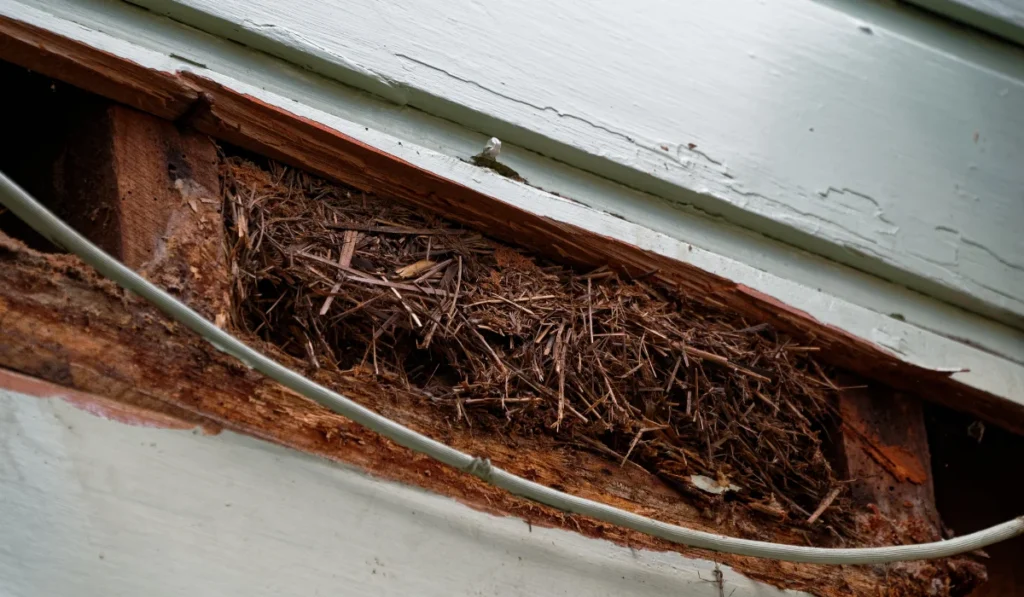
Norway rat entry holes appear in soft soil or where hard surfaces meet ground. The openings are clean and smooth, and grease marks around the edges confirm regular use. Roof rat entry points are above grade, including gaps at rooflines, openings around soffit edges, and spaces where utility lines enter the structure from above. Both species use gaps around utility penetrations, foundation cracks, and poorly fitted doors as access routes. Walking the full perimeter of your home and inspecting both ground-level and elevated openings gives you the most complete picture of where rats may be getting in.
Why Rat Problems Develop in Chattanooga Homes
Rats move toward structures when outdoor conditions push them to find food and shelter. Understanding where they nest near your home, what attracts them, and how they travel through a structure helps you identify the pressure points before an infestation becomes established.
Where Rats Nest Near Your Home
Roof rats climb and nest above ground in attics, trees, vine-covered structures, and wall voids near the roofline. They can travel up to 300 feet from their nest while foraging and use utility lines and tree canopy as elevated travel routes toward your structure. Norway rats burrow in soft soil near foundations and can travel up to 150 feet from their nest. Burrow openings in eroded soil along foundation edges, under concrete slabs, and in landscaped areas close to the structure are the most common outdoor nesting locations for this species in Chattanooga.
What Draws Rats Toward Your Home
Food is the primary draw. Accessible stored food in pantries, pet food left in open bowls, birdseed in unsecured containers, and garbage without tight-fitting lids all give rats a reliable reason to stay once they find a way inside. Seeds and nuts cached in wall voids by rats can sustain a population for weeks after the original food source has been secured, which is one reason infestations can be difficult to trace back to a single cause. Removing accessible food and storing pantry items in hard-sided sealed containers is the most immediate prevention step any Chattanooga homeowner can take.
How Rats Move Through a Structure
Both species use the edges of walls, studs, and pipes as travel guidelines. They follow consistent routes between their nests and food sources rather than crossing open floor space. Grease marks accumulate along these established pathways over time. When a food source is removed or a nesting area is disturbed, rats explore nearby areas for alternatives rather than leaving the structure. That behavioral pattern is why displacing rats without sealing entry points typically shifts activity to a different part of the building rather than resolving the infestation.
Seasonal Pressure on Chattanooga Homes
Rat activity around Chattanooga homes increases in fall and winter as cooler temperatures reduce outdoor food availability and drive rodents toward the warmth and resources structures provide. That seasonal pressure makes early fall the most productive time to inspect entry points, secure food storage, and address any conditions near the foundation that might support Norway rat burrowing. Roof rat activity can continue year-round given Chattanooga’s moderate climate, which means elevated entry points deserve attention through all seasons.
Risks of Rats in Your Chattanooga Home
Rats inside a Chattanooga home create concerns that go well beyond unsettling sounds in the walls. The EPA identifies Norway rats, roof rats, and house mice among the most consequential pests that infest homes, citing public health threats and property damage as the primary concerns. Understanding both helps you recognize why any confirmed sign of rat activity deserves prompt attention rather than a monitoring approach.
Health Risks
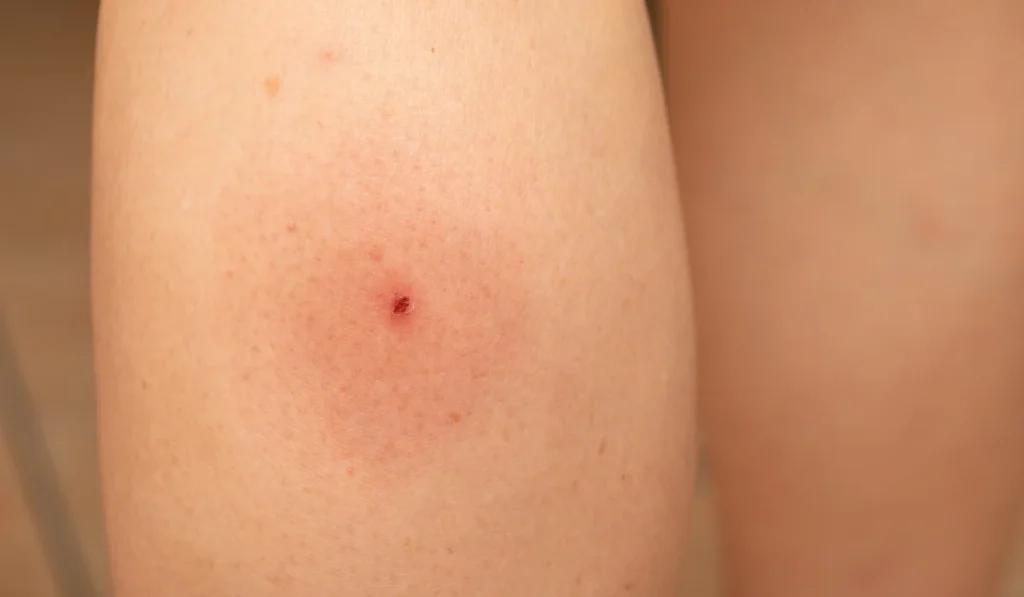
Rats travel along walls, pipes, and structural edges, spreading contamination through multiple rooms as they move between their nests and food sources. Their droppings, urine, and the surfaces they contact in food preparation and storage areas all create exposure risks for your household. Rodent mites are an additional concern. When a host dies or young leave a nest, mites move in search of a new host and may bite people. An active rat infestation near or inside a structure can produce mite activity in living areas that goes unnoticed until the rodent problem itself is identified.
Property Damage
Rats gnaw constantly to keep their teeth worn down, and the materials along their established travel routes absorb the most damage over time. Wiring inside wall voids, insulation in attics and crawl spaces, structural wood near entry points, and stored items along baseboard pathways are all at consistent risk. Vehicle wiring in attached garages is a particular concern when roof rats are active in the attic above. The longer an infestation goes unaddressed, the more cumulative the damage becomes across all areas rats use regularly.
Food Storage and Kitchen Areas
Kitchens and pantries are where rat contact with food surfaces creates the most direct health concern. Rats are bait shy by nature and will approach a food source cautiously over multiple visits before feeding consistently. That persistence means an unsecured pantry with any accessible item will eventually be found. Moving stored food into hard-sided sealed containers removes the attractant and makes it much harder for rats to sustain activity in kitchen areas once other control measures are in place.
When to Act
Even a single dropping, a gnaw mark on packaging, or a grease trail along a baseboard warrants setting traps, improving food storage, and inspecting entry points. You do not need to see a live rat to confirm a problem. Acting at the first sign keeps the infestation smaller and the response simpler. Waiting for visible activity typically means the population has already grown beyond what surface-level prevention can address on its own.
Professional Rat Control in Chattanooga, TN
A structured approach that covers reducing attractants, thorough inspection, and professional treatment gives you the best chance of addressing a rat infestation before it grows further or causes additional damage to your home.
Reducing What Draws Rats In
Removing accessible food is the most important first step. Store pantry items in hard-sided sealed containers. Keep pet food bowls empty between feeding times. Use garbage cans with tight-fitting lids. Remove stacked firewood and debris piles from near the foundation to eliminate outdoor nesting sites within foraging range of the structure.
Physical exclusion works alongside food source removal. Sealing gaps around utility penetrations, repairing foundation cracks, installing door sweeps, and screening crawl space vents closes the access routes rats depend on. Exclusion without removing food sources slows an infestation but rarely eliminates it. The two steps together produce more durable results than either alone.
Why Inspection Comes First
A professional inspection identifies where each species is entering, where it is nesting, and what conditions on the property are sustaining the infestation. Roof rat entry points require a different inspection focus than Norway rat burrows, and missing the primary entry point leaves the infestation in place regardless of what trapping or baiting is applied. Waynes service professionals inspect both ground-level and elevated access points, crawl spaces, attics, and the full perimeter of the structure to locate the vulnerabilities that matter most for your specific property.
Any bait used as part of control should be placed inside a tamper-resistant station made of durable plastic or metal, positioned where children and pets cannot access it. The EPA’s residential pest control guidance makes this recommendation for all rodenticide applications in occupied homes regardless of the product used.
What Professional Treatment Involves
Professional rat control combines tamper-resistant bait stations, strategically placed traps, and exclusion work tailored to the species identified during inspection. Roof rat activity calls for trap and station placement in elevated locations including attic spaces, along rafters, and near roofline entry points. Norway rat activity calls for ground-level placement along known travel routes near the foundation and at burrow openings. Matching placement to species behavior is what makes professional treatment more consistently effective than a standard approach applied without site-specific information.
Waynes Pest Control has served more than 150,000 families across Tennessee and surrounding states with over 50 years of experience. Every little thing matters. A LOT. That commitment shapes how Waynes approaches every inspection and every treatment, from the first visit through ongoing monitoring.
What a Rat Control Plan Covers
A complete plan pairs targeted treatment with exclusion work and follow-up monitoring. Sealing entry points confirmed during inspection supports the treatment and limits the chance of reinfestation once the current population is addressed. Regular follow-up maintains awareness of any new activity so it can be addressed before it grows. As an EPA Environmental Stewardship Program member since 2004, Waynes applies products responsibly and with the care that 50 years of family-owned service demands.
Bottom Line
Rats get into Chattanooga homes through gaps and openings that are easy to miss without a deliberate inspection. Roof rats access structures from above. Norway rats enter at ground level near the foundation. Both leave evidence that confirms their presence before most homeowners ever see a live animal. Keeping food secured, sealing entry points, and acting at the first sign of activity are the steps that make the most difference. When you need professional assessment and a plan tailored to your property, contact Waynes Pest Control to schedule an inspection.
Frequently Asked Questions
How Do I Know if Rats Have Entered My Home?
Look for droppings along walls and in corners, gnaw marks on packaging or structural materials, and grease trails where rodents repeatedly rub against surfaces. Even a single dropping or gnaw mark is enough to justify setting traps, securing food storage, and inspecting for entry points. You do not need to see a live animal to confirm that action is warranted.
What Attracts Rats to a Home in the First Place?
Accessible food is the primary draw. Unsealed pantry items, open pet food bowls, birdseed in unsecured containers, and garbage without tight lids all give rats a reliable reason to stay once they find a way inside. Reducing those food sources alongside sealing entry points gives you a more complete prevention approach than either step alone.
Can I Handle a Rat Problem on My Own?
Homeowners can address smaller problems with snap traps and food source removal. If bait is used, place it inside a tamper-resistant station made of durable plastic or metal and position it where children and pets cannot reach it. For larger or persistent problems, professional inspection and treatment is the more reliable path because it accounts for species-specific behavior and the specific entry points driving activity on your property.
When Are Rats Most Likely to Try Getting Inside?
Norway rat pressure on Chattanooga homes tends to increase in fall and winter as cooler temperatures reduce outdoor food availability. Roof rat activity can continue year-round given Chattanooga’s moderate climate. Staying alert to entry points, maintaining secured food storage, and inspecting the perimeter of your home before fall temperatures drop gives you the best chance of catching activity before it establishes inside.