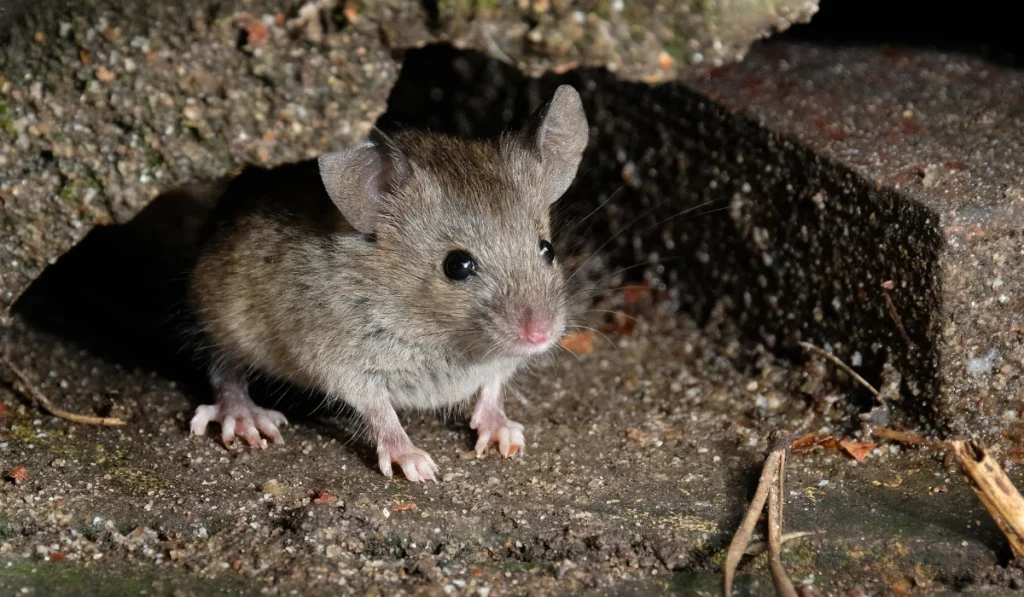


Cool nights around the Tennessee River bring mice and rats closer to homes. If you’ve asked, “When is rodent season in Chattanooga?” here’s the short answer. It starts as temperatures fall, days get shorter, and shelter indoors gets easier to find.
As outdoor food sources dwindle, rodents follow warm air and food scents into basements, crawl spaces, and garages. Across Chattanooga, from Northshore to Signal Mountain, many people notice a spike right after the first cold snap.
This guide covers the arrival of rodent season in Chattanooga, its peak in the fall, sealing entry points, identifying early signs, and when to contact local professionals. We’ll also show how a year-round plan helps keep your home pest-free.
Key Takeaways
- Rodent activity surges in the fall and lasts through winter across Chattanooga and Tennessee.
- Seal entry points, protect pet food, and repair gaps around the exterior of your home to prevent a rodent problem from developing.
- Watch for droppings, gnaw marks, and noises in basements and crawl spaces to catch an infestation early.
- Professional pest control and rodent control from a trusted pest control company keep household pests in check year-round.
Fall And Winter Are Peak Rodent Months In Chattanooga
Rodents move into homes mostly from October through February. If you’re wondering when rodent season is in Chattanooga, this is the time when mice and rats push indoors to escape the cold. They look for quiet spaces, steady food, and water. That is why garages, attics, and basements become hot spots.
Across Tennessee, you can expect a steady rise in calls once leaves turn on Lookout Mountain and Missionary Ridge. In the Chattanooga area, fall football weekends often line up with the start of indoor scouting by these critters.
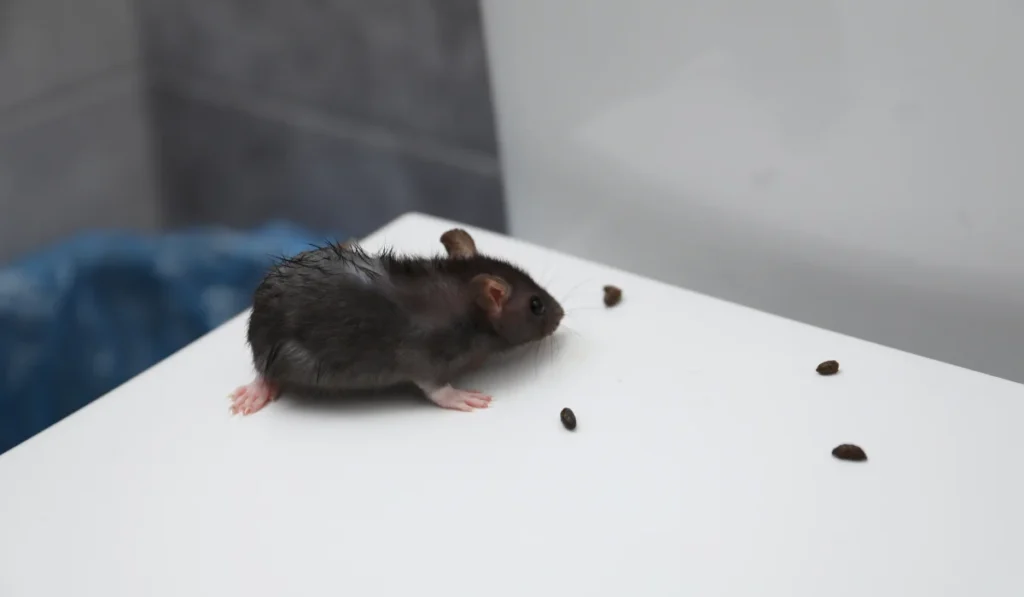
Watch for rub marks on walls, small black droppings in storage areas, and scratching at night. Act quickly during this window to prevent a minor issue from becoming an infestation.
Why Rodents Head Indoors: Heat, Food, And Shelter
When temperatures fall, warm air slips out through tiny gaps in your home’s exterior. Rodents follow these air currents into crawl spaces, soffit gaps, and wall voids. That’s why sealing entry points matters. Even a hole the size of a nickel can let in a mouse.
Food and water also draw them in. Open pet food bags, spilled bird seed, and leaky trash cans offer easy meals. Leaky pipes, HVAC condensation, and damp basements are additional sources of water.
Once inside, rodents shred insulation, chew cardboard, and build tunnels. Over time, they can damage wiring and spread health risks from urine, feces, and fleas.
Signs You Have A Problem: What To Check First
The first sign of trouble is often small. Look for pepper-like droppings near water heaters, behind the fridge, and along baseboards. You might hear light tapping or scurrying after sunset. Pets may stare at a wall or appliance as if something is inside.
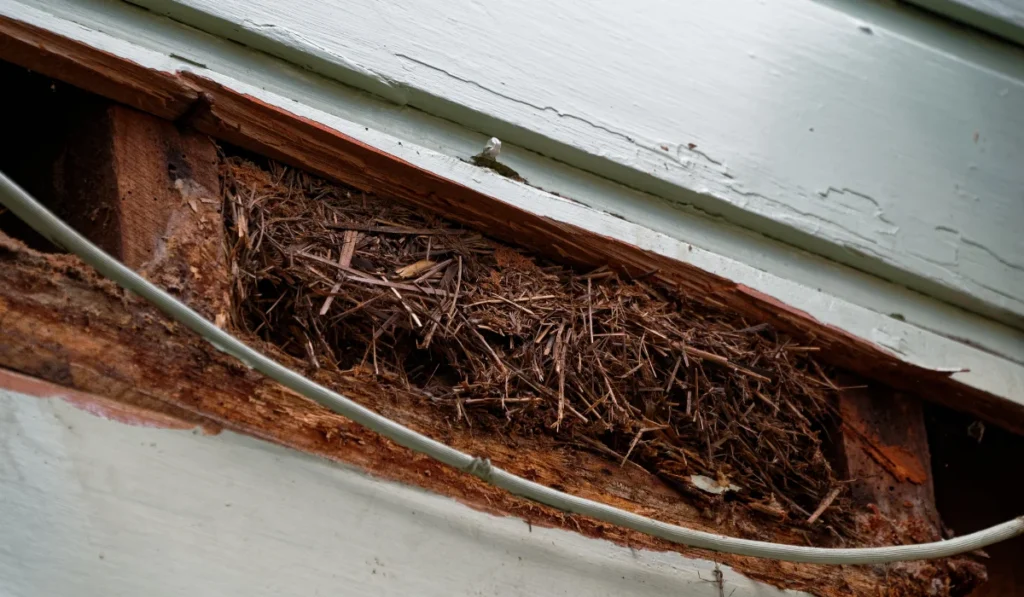
Check storage shelves and pantry zones next. Gnaw marks on dog food bags, cereal boxes, or soft plastics point to active rodent activity. In the crawl space or basements, look for nests made of shredded paper or insulation.
If you confirm these signs in your Chattanooga home, set safe traps and schedule a free inspection with a local pest control company.
Chattanooga Weather Patterns: Local Triggers For A Surge
Cooler weather often sparks rodent activity. Cold fronts moving through Chattanooga and Knoxville usually trigger indoor scouting. The first frost sends rodents to seek shelter in foundation cracks and weak door sweeps.
In Nashville, rain and sharp temperature swings shift food sources and send pests toward homes. Neighborhoods near wooded slopes or water tend to experience faster movement. On Signal Mountain, rodents often use trees and cables to reach rooflines and soffits.
Downtown and Northshore see more alley travel, with rodents slipping under garage doors or through gaps around utility lines. In every case, seal entry points before the first frost.
DIY Prevention That Works: Simple Steps For Homeowners
Start outside. Walk the exterior of your home with a flashlight. Check door sweeps, garage corners, AC line penetrations, and hose bibs for proper sealing.
Caulk small cracks, repair torn screens, and secure crawl space vents. Trim shrubs away from the siding to reduce their coverage.
Next, protect food. Store pet food in sealed bins, clean up birdseed spills, clear counters at night, and tie trash bags tightly.
Reduce clutter so you can spot new droppings or rub marks fast. These steps reduce pest pressure and expedite service.
Professional Help In The Chattanooga Area: What To Expect
If you already see droppings, gnaw marks, or hear noises, it’s time to learn how to get rid of rodents safely by calling local exterminators for a thorough inspection. A professional team will inspect the attic, basement, and crawl space. You will get a plan that includes removal, sanitation tips, and sealing entry points to stop new invaders.
A quality pest control service in Chattanooga, TN, will also suggest long-term steps. That can include exterior bait placements in locked stations, targeted trapping in safe locations, and follow-up visits.
Ask about a year-round plan that covers rodents and other household pests, such as roaches. This approach keeps pressure low and helps your home stay pest-free throughout the year.
Health And Safety: Why Speed Matters
Rodents don’t just steal pantry snacks. They damage finishes and can chew through wiring, which increases the fire risk. Their feces and urine can contaminate surfaces and spread diseases such as hantavirus, leptospirosis, and Salmonella, making it essential to protect your home from rodents and hantavirus through thorough cleanup and prevention measures.
Fleas and mites can ride in on their fur. Homes with children or pets face an added risk, especially if rodents nest near HVAC returns or in the kitchen. Ask about flea control in Tennessee if you have pets with flea issues.
Act fast. Don’t sweep dry droppings. The CDC warns sweeping can put virus particles into the air. Lightly mist, wipe with disposable towels, bag, and discard. Wash your hands.
Then, call a pest control company to locate the source, install the right devices, and seal the gaps.
Entry Points To Seal Before The First Cold Snap
Focus on gaps at ground level and along the roofline. Check where utility lines and cable wires enter the property. Tighten door sweeps and weatherstripping. Repair garage seals that show light along the bottom.
Many Chattanooga homes have open weep holes, missing screens, or warped fascia boards that allow easy access. Don’t forget the crawl space. Secure vents with tight screens. Seal plumbing and HVAC penetrations with the right materials.
In basements, check for cracks where the floor meets the wall. Finish by clearing stacked wood, leaf piles, and debris near the foundation.
Rodents And Other Seasonal Pests: What Else Spikes In Fall
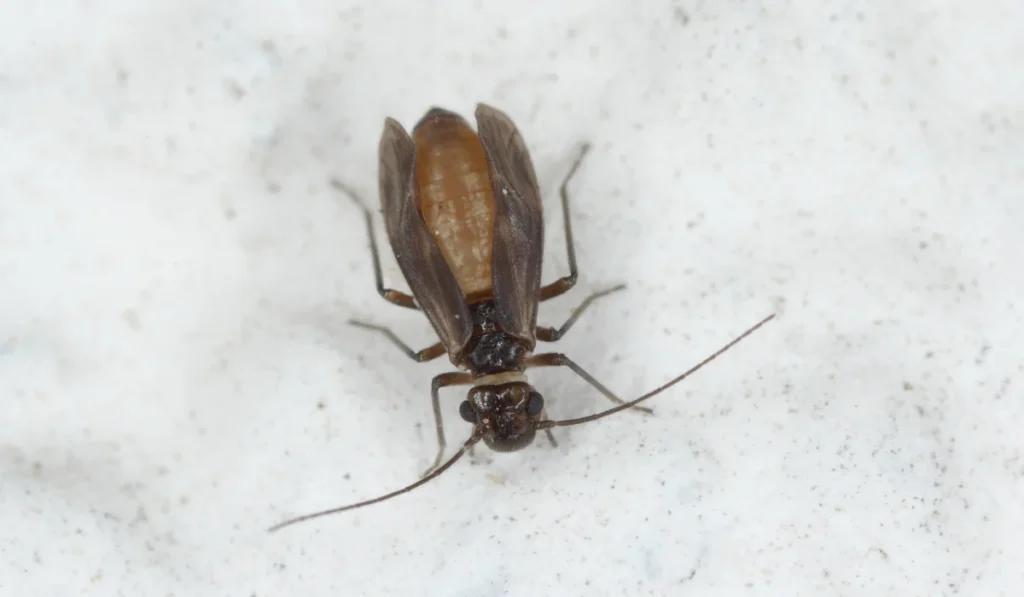
Rodent season overlaps with stink bugs and other fall invaders that use the same tiny gaps. Kitchens often see an increase in roaches as temperatures drop. A complete plan tackles both.
Your technician can treat for roaches while building a barrier that also blocks mice. Termite protection is different. Colonies work year-round, so you need a dedicated system and regular checks.
If you don’t have a termite plan, consider adding one during your rodent inspection.
Year-Round Protection: Why A Plan Pays Off
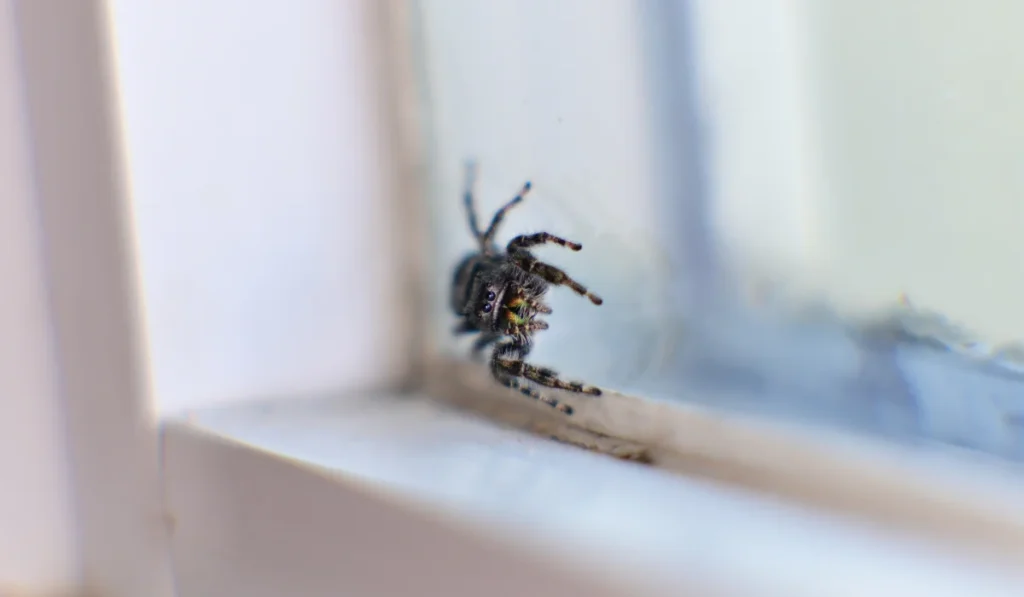
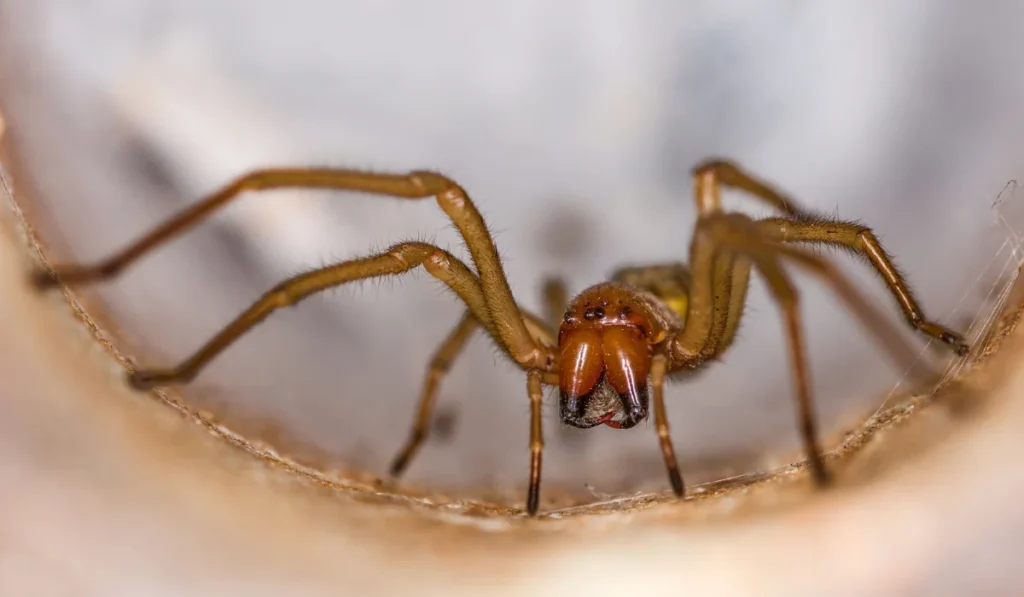
Rodents can test your home at any time, especially after storms. A year-round plan keeps devices active and provides a fast response if new activity arises. It also covers common household pests you do not want to think about, such as cockroaches, ants, and spiders. This steady approach saves time and helps your Chattanooga home stay ready.
If you split time between Chattanooga, Knoxville, and Nashville, a year-long service keeps all locations on a schedule. You receive routine checks, quick follow-ups, and a convenient point of contact. Request a free quote and ask for a calendar that suits your travel or work schedule.
How Waynes Helps: Local Service, Smart Steps
At Waynes Pest Control, we serve the Chattanooga area with trained exterminators who are familiar with local patterns in Signal Mountain, Hixson, East Brainerd, and beyond.
We inspect top to bottom, set devices that match the layout, and seal the entry points we find. We also coach homeowners on food storage, pet food handling, and trash routines that keep pressure low.
You can choose our rodent control services in Chattanooga, TN, on their own or incorporate them into a year-round pest control program. Both options include clear communication, scheduled check-ins, and fast help if you notice new rodent activity. We want you to enjoy a pest-free home without hassles.
What To Do Right Now If You Suspect A Rodent Infestation
If you suspect a rodent infestation, take action today. Store pet food in sealed containers. Pick up crumbs and wipe counters at night.
Place snap traps in locked, tamper-resistant stations if you have children or pets in the home. Note any droppings or unusual sounds so you can show your technician the areas of concern.
Making The Right Rodent Control Choice For Chattanooga Homeowners
Rodent season in Tennessee may start in the fall, but prevention is most effective when it’s consistent, not seasonal. Steady upkeep keeps your home healthy, safe, and free of surprises. Professional support makes it easier to stay ahead of problems before they spread.
At Waynes Pest Control, we provide Chattanooga homeowners with expert technicians and dependable service tailored to local conditions. Our team focuses on achieving lasting results through thorough inspections, adequate protection, and straightforward maintenance steps that fit seamlessly into your routine.
Contact us today to schedule your free inspection or request a quote. Our experts are ready to help you keep your Chattanooga home pest-free all year.
FAQs
What Months Are Worst For Rodents In Chattanooga?
October through February brings the most indoor pressure. Cold fronts, shorter days, and reduced outdoor food sources prompt mice and rats to seek entry points. Watch for droppings, noises at night, and gnaw marks in the crawl space, basements, and kitchens.
How Do I Know I Have A Rodent Problem Or Full Infestation?
You might see droppings, grease marks along baseboards, shredded nesting material, or hear scratching. Pets may fixate on walls or appliances. If you notice any of these, contact a pest control company for a thorough inspection and a customized plan to address the infestation.
Do I Need Separate Coverage For Termites And Roaches?
Yes. Termite protection needs a dedicated, year-round system. Roaches fall under general pest control. Request a rodent plan paired with a year-round pest control plan to ensure your home is fully protected against pests.