
 People often search for information about poisonous spiders in Alabama, but venomous is the more accurate term. Poison causes harm when it is swallowed, inhaled, or absorbed. Venom enters the body through a bite or sting.
Most spiders found around Alabama homes are not a serious threat to people. They would rather avoid you, and many help control insects around porches, gardens, garages, and other sheltered areas. The brown recluse and black widow deserve more attention because their bites can cause symptoms that require medical care.
Knowing what these spiders look like is only part of the answer. You also need to understand where they hide, how accidental bites happen, and when a spider sighting points to a larger problem. With the right information, you can respond carefully without treating every web or brown spider as an emergency.
People often search for information about poisonous spiders in Alabama, but venomous is the more accurate term. Poison causes harm when it is swallowed, inhaled, or absorbed. Venom enters the body through a bite or sting.
Most spiders found around Alabama homes are not a serious threat to people. They would rather avoid you, and many help control insects around porches, gardens, garages, and other sheltered areas. The brown recluse and black widow deserve more attention because their bites can cause symptoms that require medical care.
Knowing what these spiders look like is only part of the answer. You also need to understand where they hide, how accidental bites happen, and when a spider sighting points to a larger problem. With the right information, you can respond carefully without treating every web or brown spider as an emergency.
Which Poisonous Spiders in Alabama Pose a Medical Concern?
The brown recluse and black widow are the two poisonous spiders in Alabama that homeowners should learn to recognize. Both use venom to capture prey, but they differ in appearance, behavior, preferred hiding places, and the effects their bites may cause. Common house spiders, orb-weavers, wolf spiders, and jumping spiders can look intimidating, especially when they appear indoors. Size, speed, and dark coloring do not tell you whether a spider presents a medical concern. Accurate identification depends on several features, including body shape, markings, eye arrangement, web type, and where the spider was found. Neither the brown recluse nor the black widow seeks out people. Most bites happen when a spider becomes trapped against the skin or when someone disturbs its hiding place or web. Reaching into a storage box, putting on a shoe that has been sitting undisturbed, or moving firewood without gloves creates more risk than simply seeing a spider across the room.How to Identify a Brown Recluse Spider in Alabama
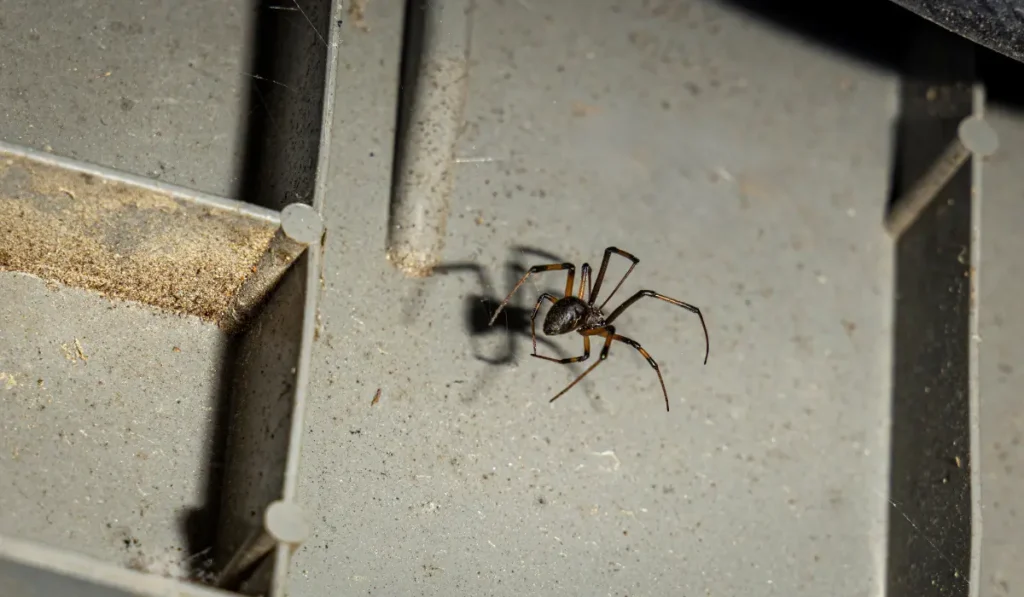
A brown recluse spider in Alabama can be difficult to identify because several harmless species share its tan or brown coloring. Brown recluses have a plain-looking body, legs that are generally uniform in color, and a darker mark behind the eyes that may resemble a violin.Look Beyond the Violin-Shaped Mark
The violin-like marking can support brown recluse identification, but it should not be the only feature you use. The mark varies in shape and intensity, and other brown spiders can have dark areas that look similar from a distance. A more useful feature is the eye arrangement. Brown recluses have six eyes arranged in three pairs, while most spiders have eight. Because their eyes are small, safe identification usually requires a sharp close-up photograph or examination by someone familiar with spider anatomy. The University of Kentucky Entomology brown recluse guide recommends considering physical features, habitat, and geographic range together. This method helps prevent common spiders from being misidentified as brown recluses based on color or one marking.Know Where Brown Recluses Hide
Brown recluses have been collected throughout Alabama, although they are more commonly found in the northern half of the state. Indoors, they favor dry, warm, low-disturbance spaces where they can remain hidden during the day. Closets, attics, crawl spaces, basements, storage rooms, and areas under stairs can offer suitable shelter. They may also hide in cardboard boxes, folded bedding, stored clothing, shoes, coats, drawers, and spaces behind furniture. At night, they may leave these retreats to search for live or dead insects. Brown recluses do not build large webs to catch flying prey. Instead, they create small, irregular silk retreats in protected areas. Finding one suspected recluse does not confirm an infestation, but repeated sightings or multiple spiders on monitoring traps should prompt a closer inspection.How to Identify a Black Widow Spider in Alabama
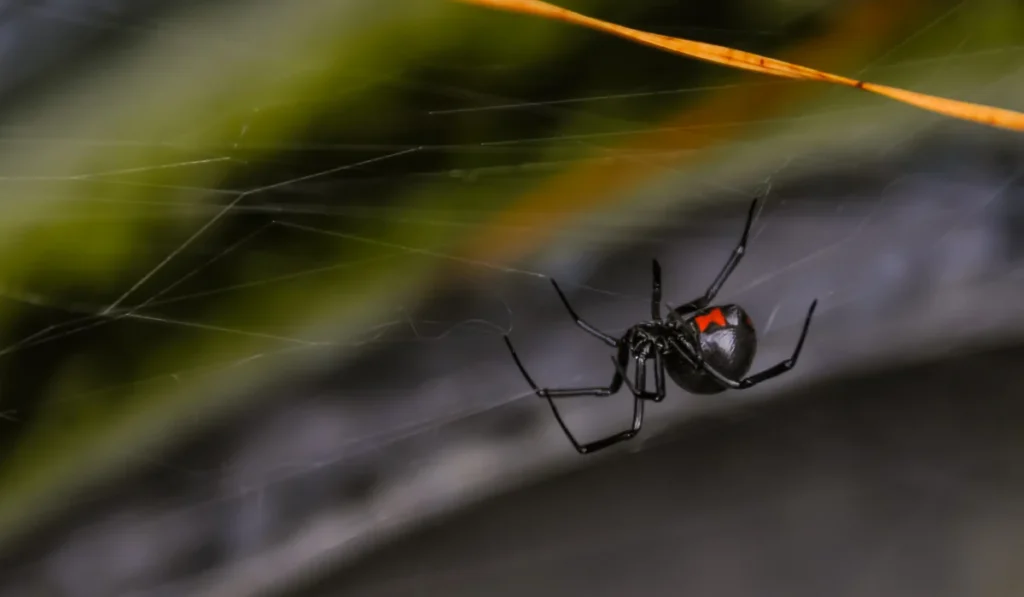
The black widow spider in Alabama has a more recognizable appearance than the brown recluse, but color alone can still lead to mistakes. Adult females are usually glossy black with a rounded abdomen. Their best-known feature is a red or orange hourglass-shaped marking on the underside of the abdomen.Account for Changes in Color and Pattern
Not every black widow matches the familiar image of an adult female. Young spiders and males may have lighter markings, stripes, or spots, and the hourglass can vary in shape. It may also be hidden when the spider is resting in its web. Several dark spiders live around Alabama homes, garages, sheds, and landscapes. A clear photograph showing the abdomen, underside marking, and web can help a trained professional make a more reliable identification. Do not handle the spider or place your hand near its web to get a better look.Check Sheltered Outdoor Areas
Black widows often build tangled, irregular webs in low, protected locations. Woodpiles, crawl spaces, sheds, garages, utility boxes, outdoor furniture, landscape materials, and clutter near the foundation can provide shelter. A black widow usually stays close to its web, especially when guarding an egg sac. Bites often occur when someone reaches into the web, moves stored materials, or presses the spider against the skin. Wearing gloves and checking dark spaces before placing your hands inside can reduce the chance of contact.Brown Recluse vs. Black Widow
Field Guide · Alabama
The two poisonous spiders in Alabama worth knowing
Most spiders around Alabama homes are not a serious threat. The brown recluse and black widow are the two that can cause bites requiring medical care.
1Venomous
Brown recluse
IDPale tan to brown with a plain-looking body, legs generally uniform in color, and a darker mark behind the eyes that may resemble a violin. Six eyes arranged in three pairs, while most spiders have eight.
WhereClosets, attics, crawl spaces, basements, storage rooms, and areas under stairs. May also hide in cardboard boxes, folded bedding, stored clothing, shoes, coats, and drawers.
NoteHides by day and may wander at night to search for insects. Bites may cause local pain, blistering, or skin injury that can require medical evaluation.
2Venomous
Black widow
IDAdult females are usually glossy black with a rounded abdomen and a red or orange hourglass-shaped marking on the underside of the abdomen. Young spiders and males may have lighter markings, stripes, or spots.
WhereWoodpiles, crawl spaces, sheds, garages, utility boxes, outdoor furniture, landscape materials, and clutter near the foundation.
NoteUsually remains close to its web, especially when guarding an egg sac. Venom affects the nervous system; bites may cause severe pain, muscle cramps, sweating, nausea, weakness, or abdominal discomfort.
Waynes can inspect your home, monitor activity, and recommend a plan when suspected venomous spiders keep appearing. Every little thing matters. A LOT.
| Feature | Brown Recluse | Black Widow |
| Typical color | Pale tan to brown | Glossy black in adult females |
| Main marking | Variable violin-like mark behind the eyes | Red or orange hourglass underneath the abdomen |
| Eye arrangement | Six eyes in three pairs | Eight eyes |
| Web type | Small, irregular silk retreat | Tangled web used to capture prey |
| Common locations | Boxes, clothing, closets, attics, and storage areas | Woodpiles, sheds, crawl spaces, utility areas, and outdoor clutter |
| Typical behavior | Hides by day and may wander at night | Usually remains near its web |
| Main bite concern | Local pain, blistering, or skin injury may occur | Pain, muscle cramping, sweating, or nausea may occur |