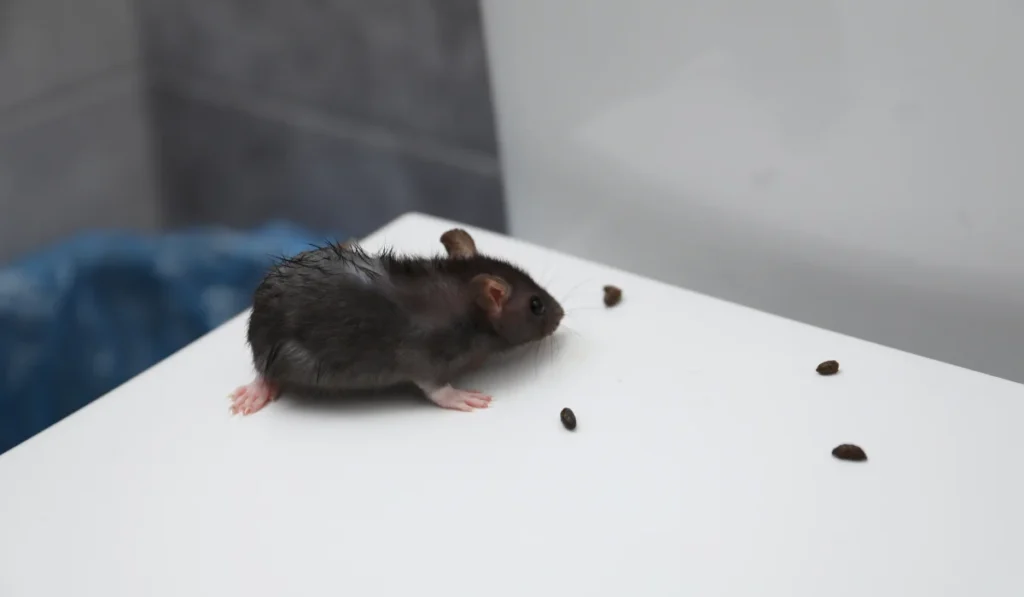


If you hear noises at night or find droppings near your home, you may be wondering whether Norway rats live in Chattanooga, TN. This concern is common across the area, especially near water, older homes, and busy commercial areas.
Norway rats, also called brown rats or sewer rats, are one of the most common rodents in Tennessee. Chattanooga’s mild weather, regular rain, and easy access to food help these rats survive and multiply.
This guide explains whether Norway rats live in Chattanooga year-round, where they hide, what causes infestations, and when to contact professional rodent control services in Chattanooga, TN.
Key Takeaways
- Norway rats are present in Chattanooga and nearby areas of Tennessee.
- They stay active year-round when food and shelter are available.
- Burrows and droppings are common warning signs of rat activity.
- Professional pest control helps reduce rat problems in homes.
Video Guide: How to Identify What Type of Rat You Have
This video shows how to identify the type of rat near your Chattanooga home. It explains visual differences between Norway rats, roof rats, and other rodents, including size, color, and nesting locations. Learning these differences helps homeowners understand common activity patterns and hiding spots discussed throughout this guide.
Are There Norway Rats In Chattanooga, TN Throughout The Year?
Yes, Norway rats are present in Chattanooga year-round. These rats adapt well to changing conditions and often move indoors when outdoor survival becomes harder.
Seasonal Activity In Chattanooga
In winter, Norway rats seek warmth in basements, crawl spaces, and inside walls. Spring breeding can quickly lead to a rodent infestation if rats go unchecked. During summer, rat activity increases near burrows, trash, and water sources. In the fall, rats move closer to homes as food sources shrink.
How Chattanooga’s Climate Supports Rats
Mild winters and steady moisture help Norway rats remain active year-round in Chattanooga. Creeks, storm drains, and older sewer systems give rats places to hide and nest.
Indoor Vs. Outdoor Survival
Norway rats prefer basements and crawl spaces, while roof rats often stay in attics. You may not see activity during the colder months, but rats usually remain hidden indoors.
If you suspect rat activity, we can inspect your home and provide focused removal options.
Where Do Norway Rats Live In Chattanooga?
In Chattanooga, Norway rats live wherever they can find shelter, food sources, and water. Their nesting spots depend on the structure of your home and the surrounding environment.
For example, some signs of Norway rat activity in Nashville homes include burrows near foundations, droppings along walls, and increased movement around ground-level structures, which are also common indicators seen in Chattanooga homes.
Indoor Habitats
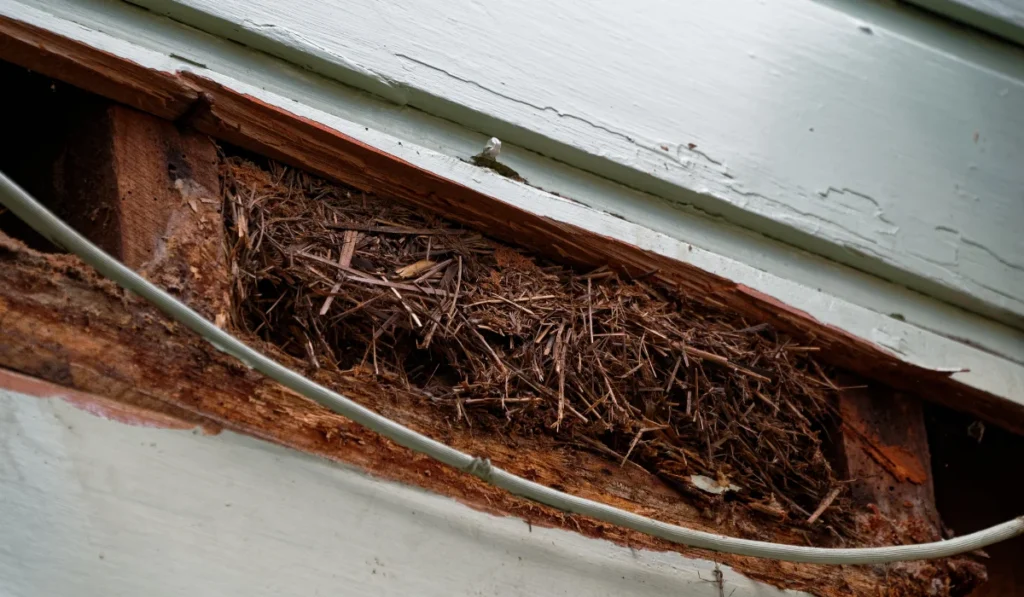
Inside homes, Norway rats hide in basements, crawl spaces, wall voids, and areas near stored pet food. Droppings and feces in these spaces often point to a rat problem.
Outdoor Habitats
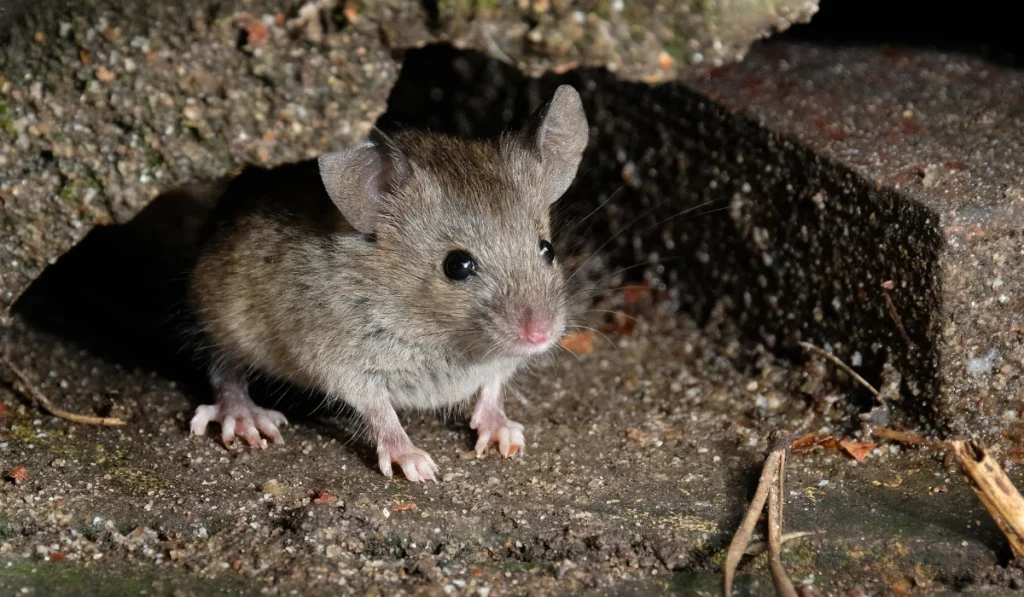
Outside, Norway rats dig burrows near foundations, decks, and sheds. Mulch beds, woodpiles, and overgrown landscaping attract rodents such as Norway rats, house mice, and deer mice.
Blocking entry points through professional exclusion helps limit access. Our pest control services help Chattanooga homeowners close off gaps and reduce future problems.
What Local Triggers Cause Norway Rat Problems In Chattanooga?
A rodent problem in Chattanooga often follows heavy rain, flooding, or construction. These events disturb burrows and push rats closer to homes.
Trash buildup, unsecured food, and standing water also raise the risk of infestation. Seasonal weather changes and human activity often combine to increase rodent pressure around homes.
Our exterminators understand local triggers and provide rat control tailored to Chattanooga neighborhoods.
Are Norway Rats Dangerous In Chattanooga?
Norway rats can transmit diseases such as hantavirus, leptospirosis, and rat-bite fever. They contaminate food, leave droppings, and damage wiring, creating fire risks.
While some small rodents are mainly a nuisance, Norway rats pose greater health and property concerns. If you want to protect your home from rodents and hantavirus, prompt pest control helps reduce these risks.
Making The Right Rodent Control Choice For Your Chattanooga Home
Norway rats are common in Chattanooga, and their activity often goes unnoticed until damage appears. Knowing where they live and what attracts them helps reduce risk.
With proper exclusion and professional pest control services, homeowners can reduce rat activity year-round. At Waynes Pest Control, we provide reliable rodent control backed by local experience in Chattanooga.
Contact us today or request a free quote.
FAQs
Are Norway rats active year-round in Chattanooga, TN?
Yes. Norway rats remain active year-round in Chattanooga due to mild winters and steady access to food and water. They often move into basements and crawl spaces during colder months.
What signs show Norway rats are in my Chattanooga home?
Common signs include droppings, gnaw marks, burrows near ground level, scratching sounds, and grease marks along walls inside Chattanooga homes.
Does the weather in Chattanooga affect rat infestations?
Yes. Heavy rain, flooding, and sudden temperature changes in Chattanooga often drive Norway rats indoors, increasing the need for professional rodent control.