
Seeing one mouse in your Huntsville home or business can point to a larger issue, especially if mice have found food, shelter, and a way inside. The mouse’s life cycle is short, and mice move through each stage quickly. This allows their population to grow in just a few weeks.
Indoor conditions allow mice to stay active year-round when food, water, and shelter are available. This guide will help you understand how fast mice multiply, what to look for, and when you need rodent control for your Huntsville home.
Key Takeaways
- Mice reproduce quickly due to a short gestation period, early sexual maturity, and frequent litters.
- Indoor conditions can provide steady food, shelter, and warmth that support rapid mouse population growth year-round.
- Without early action, the problem can grow before homeowners see the full extent of mouse activity, especially if entry points are left open.
How Fast Mice Reproduce
Mice have a short life cycle, which allows their population to grow quickly when food, shelter, and nesting space are available.
Sexual Maturity Happens Early
A female mouse begins the reproductive cycle at 4-8 weeks. Once that happens, mouse reproduction can continue with little delay if males and females are present.
Short Gestation Period
The gestation period for a house mouse is about 19 to 21 days. After giving birth, a female mouse may become pregnant again soon. This is why mouse control should happen before the problem spreads.
Large Litter Size
A female mouse can have several pups in one litter, often ranging from 3 to 12, depending on conditions.
Newborn mice are hairless, blind, and dependent on the nest at first. As young mice mature, they can begin the same cycle again.
How One Pair Can Turn Into an Infestation
It only takes one breeding pair to create a serious problem. Once mice find a safe indoor space, the population can grow while most activity stays hidden.
Stage 1: A Single Mouse Enters
Mice can squeeze through small openings around doors, vents, foundations, crawl spaces, utility lines, or roofline gaps.
You may hear light scurrying at night or notice a few droppings. These early signs are often easy to miss.
Stage 2: Breeding Begins
Once a male and female are present, mice breed quickly. Within a few weeks, the first litter is born.
The young mice usually stay hidden in shredded paper, insulation, fabric, cardboard, or other nesting materials.
Stage 3: Rapid Population Growth
Once a mouse reaches the reproductive cycle, it begins to breed.
You may start seeing more signs, such as gnaw marks, damaged food packaging, and new droppings after cleaning. This is often when homeowners realize they may be dealing with a mouse infestation instead of one random mouse.
Stage 4: Full Infestation
At this point, several generations of mice may be living in the same space.
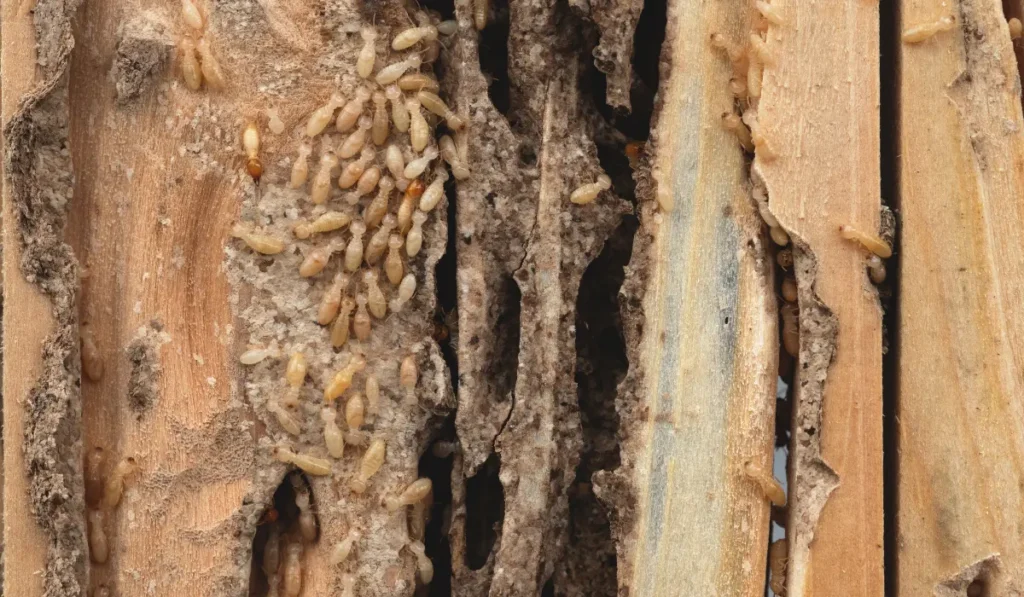
Clutter, moisture, and stored materials can also create conditions for other pest problems, but termites, cockroaches, and bed bugs require separate inspection and treatment. This can make the home harder to inspect and may require more than one type of pest treatment.
At this point, professional rodent control is usually the safer path because the source of the issue needs to be found and addressed.
What Helps Mice Multiply Faster Indoors
Many indoor spaces in Huntsville make it easy for mice to survive and reproduce. Several conditions help speed up population growth.
Easy Access to Food Sources
Mice look for easy food sources like crumbs, pantry items, and pet food. Even small amounts of food can support a growing mouse population.
Safe Nesting Materials
Mice use insulation, paper, fabric, cardboard, and stored clutter to build nests. These materials help protect baby mice and keep them warm.
Cluttered areas make it easier to build nests.
Hidden Entry Points
Small cracks and gaps can give mice a way inside. If these are not sealed, new mice can keep entering your home.
Closing these gaps is one of the most effective ways to stop rodents before they move in. This process, known as exclusion, focuses on sealing entry points and blocking access to your home.
With professional rodent control, the goal is to keep them out for good. That is where a full pest management approach makes a difference.
Services like Waynes’ inspection and exclusion work go beyond basic pest control by finding how mice are getting in and fixing the problem at its source.
Stable Indoor Conditions
Indoor spaces provide steady temperatures and protection. This allows mice to breed all year long without stopping.
Repellent products may seem helpful for a short time, but they do not remove food sources, nests, or ways inside.
When to Schedule a Mouse Inspection in Huntsville
Mice multiply quickly, and small mouse problems can spread before the signs become obvious. If you notice droppings, scratching sounds, gnaw marks, damaged food packaging, or shredded material behind storage boxes, schedule an inspection.
A professional inspection can find nesting areas, entry points, and signs of activity. Services like year-round pest prevention help keep your home pest-free. Targeted mouse control strategies also stop new mice from moving in.
Waynes Pest Control offers professional pest control services that include a detailed inspection to find where mice are active and how they get inside.
Each service is built around your home, with targeted treatment plans designed to address the problem at its source. If you suspect mice are in your home or have noticed signs of activity, contact us now for a thorough inspection and customized plan.
FAQs
How fast do mice reproduce in a home?
Mice reproduce quickly. A house mouse can have a litter every few weeks. Young mice can start breeding at around four weeks of age.
Can one mouse cause an infestation?
Yes. One mouse can mean there are more nearby. Once mice begin to breed, the population can grow fast.
What are the early signs of mice?
Common signs of an infestation include droppings, gnaw marks, scratching sounds, and damaged food packaging. You may also hear scurrying at night.