
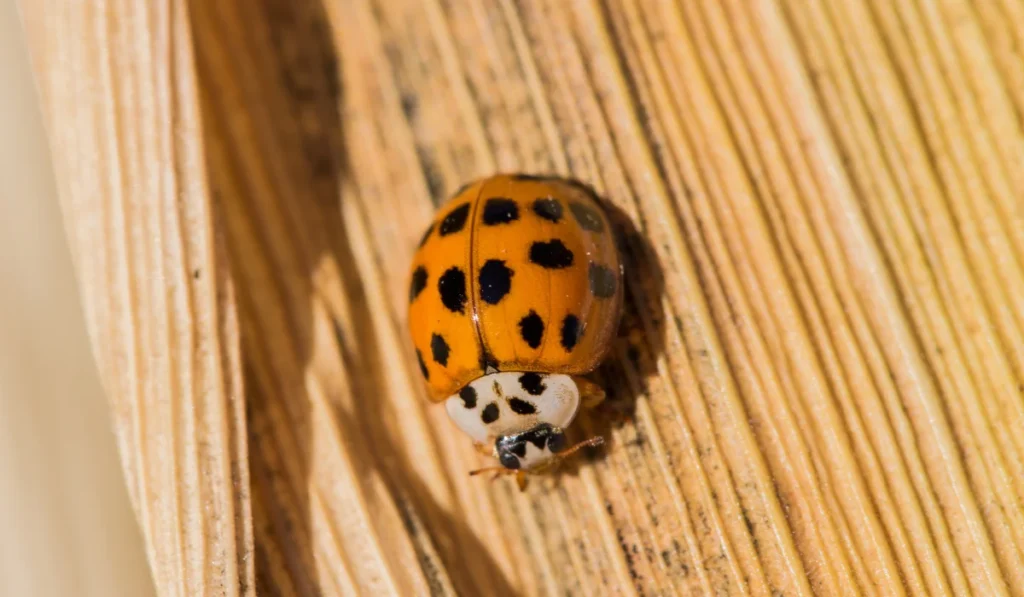
 In Birmingham and Pelham, this surge happens each fall. Many homeowners start looking for Asian lady beetle control in Birmingham, AL, to prevent these insects from moving indoors.
Multicolored Asian lady beetles (Harmonia axyridis) look like native ladybugs, but they behave differently. They gather in large numbers, slip through tiny gaps, and overwinter inside wall voids. They can stain surfaces and may bite lightly, but they are mostly a nuisance.
With a few smart steps, you can keep them out and clean up any that get in.
This guide covers how to identify Asian lady beetles, why they swarm Birmingham homes, simple indoor cleanup, sealing entry points, outdoor habits that help, common mistakes, and when to call a pro.
In Birmingham and Pelham, this surge happens each fall. Many homeowners start looking for Asian lady beetle control in Birmingham, AL, to prevent these insects from moving indoors.
Multicolored Asian lady beetles (Harmonia axyridis) look like native ladybugs, but they behave differently. They gather in large numbers, slip through tiny gaps, and overwinter inside wall voids. They can stain surfaces and may bite lightly, but they are mostly a nuisance.
With a few smart steps, you can keep them out and clean up any that get in.
This guide covers how to identify Asian lady beetles, why they swarm Birmingham homes, simple indoor cleanup, sealing entry points, outdoor habits that help, common mistakes, and when to call a pro.
Key Takeaways
Protection Calendar · Asian lady beetlesBirmingham, AL
Asian lady beetle season in Birmingham, AL
Tracks when Asian lady beetles leave summer habitats and push into homes seeking warmth for the winter. Darker shields mean heavier activity.
J
F
M
A
M
J
J
A
S
O
N
D
Peak: Oct–Nov, mass aggregation on sun-warmed structures as temperatures drop
Off Jan–AugLow Sep, DecPeak Oct–Nov
Waynes builds year-round protection across the Southeast, backed by 50 years and the EPA Pesticide Environmental Stewardship Program. Every little thing matters. A LOT.
- Asian lady beetles gather on warm, light colored walls, then slip indoors to overwinter.
- Look for black spots and a black “M” mark to tell them from native ladybugs.
- Indoors, use careful vacuuming and empty the vacuum bag outside.
- Sealing entry points and timely exterior service stops an Asian lady beetle infestation before it starts.
What Are Asian Lady Beetles?
Asian lady beetles look like native ladybugs, but they are invasive, and their fall behavior sets them apart. Outdoors, they eat aphids and other soft-bodied garden pests. As days cool, they gather on sunny south and west walls, then slip through tiny gaps to overwinter in wall and ceiling spaces. Adults are the main issue in the fall and winter. Larvae stay outdoors in summer. Indoors, they may bite lightly and can release a yellow, strong-smelling fluid that stains walls and fabrics when stressed. They do not spread disease, but they are a nuisance, especially in large numbers. They often enter around door frames, vents, utility lines, and attic spaces. They may also appear alongside other fall invaders, such as stink bugs and boxelder bugs.Asian Lady Beetles Vs. Native Ladybugs
Many homeowners mistake Asian lady beetles for native ladybugs. Here’s a simple side-by-side to spot the differences quickly, especially for Birmingham homes in the fall.| Feature | Asian Lady Beetles (Harmonia axyridis) | Native Ladybugs |
|---|---|---|
| Color Range | Pale orange to bright red | Usually red to deep red |
| Black Spots | Few to many, highly variable | More consistent patterns |
| Pronotum Mark (Behind Head) | Distinct black “M” or “W” on a pale shield | No “M” mark |
| Swarming On Homes | Yes, gather in large numbers on sunny walls | Rarely swarm homes |
| Season You Notice Them | Fall and warm winter afternoons | Mostly spring and summer in gardens |
| Indoor Behavior In Birmingham | Slip through small gaps and show up on walls and windows | Usually stay outdoors |
| Biting / Odor | May nibble; can release yellow, smelly fluid that stains | Do not bite; no staining fluid |
| Overwinter Habit | Seek wall voids, attic spaces, and other shelter spots | Overwinter outdoors, not in houses |
| Role In Gardens | Eat aphids and other soft-bodied pests | Eat aphids and other garden pests |
| Markings | Look for the “M” mark and mixed spot patterns | No “M,” steadier look, less house-seeking behavior |
Why They Swarm Birmingham Homes
Homeowners often ask, “Why are orange ladybugs in my house?” After the first cool front, sun-warmed walls draw them in as they seek warmth. South or west sides heat up, especially if the siding is light-colored. Beetles land there in large numbers. By evening, they search for small gaps and settle in to overwinter until spring. Around Birmingham, homes on ridges or near open areas warm fast on sunny afternoons. That attracts beetles and other fall invaders, such as stink bugs and boxelder bugs. Asian lady beetles feed on aphids and other garden pests, helping reduce yard pests. Trouble starts when they shift from the yard to your house and find entry points.How To Get Rid Of Asian Lady Beetle Indoors
If they are already inside, you can get rid of Asian lady beetles using several control methods. Use gentle vacuuming with a soft brush.- Do not smash beetles on walls to avoid stains and odor.
- Empty the vacuum bag outside right after vacuuming.
- Expect a few to reappear on sunny days because adults wander from wall spaces.
- Skip interior sprays. Focus on collecting and removing beetles.
- Set simple light traps near windows at night to catch stragglers.
- Remember, this is a DIY cleanup for adults in fall and winter. Larvae stay outside in summer.
- Keep rooms tidy and repeat light cleanup as needed.
Seal The Gaps Before They Overwinter
Sealing the right spots outside makes the biggest difference. Use this checklist to target the areas where Asian lady beetles slip in.- Door frames
- Window trim
- Soffits
- Gable vents
- Utility lines
- Crevices where siding meets brick
- Around pipes or cables entering the house
- Attic openings/light leaks
Smart Outdoor Habits Around Gardens And Walls
Asian lady beetles feed on aphids and other garden pests, then move to buildings in the fall. You can protect your home by doing the following:- Keeping shrubs trimmed back a couple of feet from walls.
- Raking leaves away from the foundation.
- Clearing stacks of firewood or bins that sit right against the house.
- If your siding is light colored, consider shade or screening where practical.
- Managing lighting at night. Bright porch lights can draw insects toward doors and windows.
- If you spot clusters building, a quick rinse with a garden hose can scatter them before they settle.
Common Mistakes Homeowners Make
Even minor missteps can make an Asian lady beetle problem worse. Here are a few to avoid:- Smashing beetles on walls: This leaves yellow stains and a strong smell.
- Waiting too long to seal gaps: Once beetles are active, many have already slipped inside.
- Using only indoor sprays: Sprays do little because most beetles hide inside wall spaces.
- Mixing them up with native ladybugs: Check for black spots and the “M” mark behind the head to tell the difference.
- Skipping outdoor cleanup: Ignoring trim, vents, and sunny walls can let beetles return every winter.