
Orange ladybugs invading your home each fall are Asian lady beetles, an invasive species that bites, stains, and swarms Southeast homes seeking warmth.
Key Takeaways
- The orange ladybug clustering on your walls is an Asian lady beetle (Harmonia axyridis), an invasive species, not a native ladybug.
- You can identify them by the black “M” marking where their shells meet their heads, their orange to yellow color, and their larger oval shape.
- Asian lady beetles bite, release a yellow fluid that stains surfaces, and produce an unpleasant odor when threatened or crushed.
- Sealing cracks around windows and doors before September is the most effective prevention step for homes across Alabama, Tennessee, Mississippi, and Florida.
- A vacuum cleaner with a hose attachment is the best indoor removal tool. Do not crush them.
What the Orange Ladybug Actually Is and Why It Matters
The orange ladybug on your window is not a native ladybug at all. It is an Asian lady beetle (Harmonia axyridis), an invasive species introduced to North America from Asia. Native ladybugs are red, round, and stay outdoors. Asian lady beetles are orange to yellow, oval-shaped, and invade buildings every fall in large numbers across the Southeast.
The distinction matters because these two insects behave very differently. Native ladybugs overwinter under leaves and bark outdoors. Asian lady beetles push through gaps around windows and doors to shelter inside your walls and attic. Once inside, they release aggregation pheromones that draw hundreds more beetles to the same location year after year.
How to Identify Orange Ladybugs vs. Native Ladybugs
Three features separate an orange ladybug from a native ladybug fast. The black “M” or “W” shape behind the head where the shells meet is the clearest marker. No native ladybug species carries that marking. The other two identifiers are size and color: Asian lady beetles measure about one-third of an inch and range from pale yellow to deep orange to brown, while most native species are smaller, rounder, and red.
| Feature | Asian Lady Beetle | Native Ladybug |
|---|---|---|
| Color | Orange to yellow, sometimes brown | Red (most common color) |
| Size | About 1/3 inch, oval | About 1/8 inch, round |
| Head marking | Black “M” where shells meet heads | No distinct marking |
| Spot pattern | Zero to 19 spots, highly variable | Seven spots on most native species |
| Behavior | Bites, enters buildings, releases yellow fluid | Stays outdoors, rarely bites |
Orange Ladybug Color Variations Explained
Asian lady beetles range from pale yellow to deep orange to brown, and color varies by diet and genetics. Beetles that consume more aphids and insects during their life cycle tend to show brighter orange shells. Lighter yellow specimens appear in areas with lower prey density. The color alone does not determine the insect’s identity. Always check for the black “M” marking where the shells meet the head.
Color also does not indicate whether the beetle poses a greater threat indoors. All color variations bite, stain surfaces with yellow fluid, and produce an unpleasant odor when threatened. The behavior is consistent across the species regardless of shell color.
Why Orange Ladybugs Push Into Southeast Homes Each Fall
Asian lady beetles seek warmth when outdoor temperatures drop below 60 °F, which drives their fall invasion of homes across the Southeast. In Alabama, Tennessee, Mississippi, and Florida, this temperature shift arrives between late September and early November. Beetles gravitate toward south- and west-facing walls that absorb direct sun and radiate heat, making those surfaces the first place they land.
How Orange Ladybugs Find Entry Points in Buildings
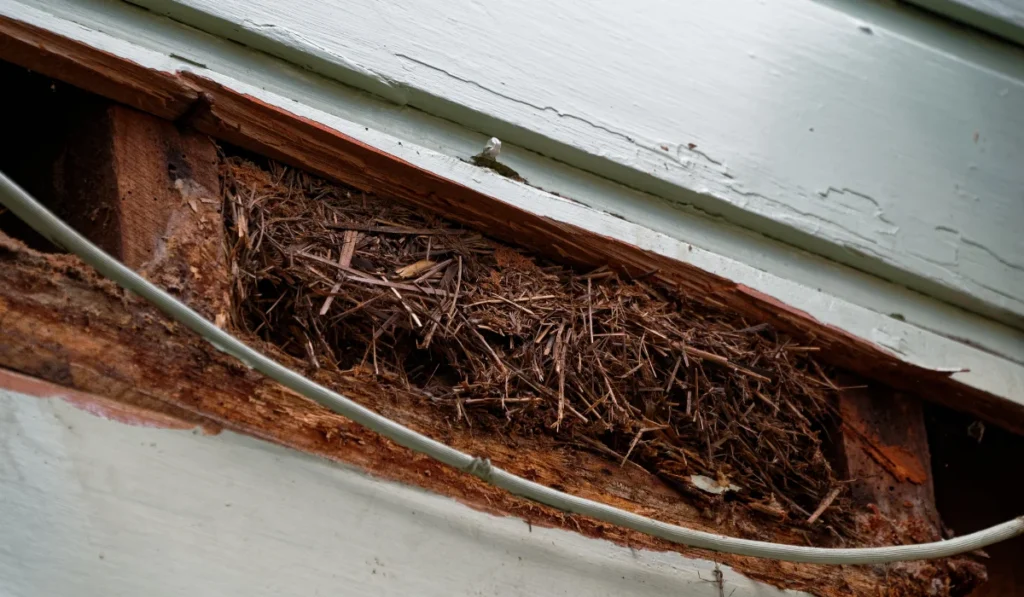
Cracks around windows, gaps beneath doors, and openings near utility cables are the primary routes these beetles use to enter buildings. They detect warmth radiating from gaps and follow the temperature gradient indoors. Once a few beetles enter, they release aggregation pheromones that signal hundreds more to the same location. This is why the same wall or window frame sees beetle clusters every fall.
Common entry points include:
- Cracks around window frames and door frames
- Gaps where siding meets the foundation
- Openings around utility pipes and cables entering walls
- Damaged or missing window screens
- Soffits and attic vents without fine mesh covers
The beetles do not reproduce indoors. They gather in wall voids, attics, and window recesses to wait out winter. When your heating system warms those spaces, they wake up and wander into living areas. This cycle explains why beetles appear on warm winter days and again in early spring when they attempt to leave.
Why Light Attracts Orange Ladybugs at Night
Asian lady beetles navigate toward light, which is why they cluster around porch lights, illuminated windows, and bright interior rooms. Light traps designed for indoor insects can capture beetles that have already entered, but they do not stop new beetles from arriving outside. Buildings with large, south-facing windows and bright exterior lighting are the most heavily targeted structures in any neighborhood during fall.
Are Orange Ladybugs a Threat to People and Pets
Asian lady beetles are a nuisance pest that cause more harm than native ladybugs, though they do not transmit diseases to humans. Research published in Allergy and Asthma Proceedings documents Harmonia axyridis as a clinical allergen source, with some people developing IgE-mediated responses after exposure in homes with large infestations. Understanding the actual risks helps you respond without overreacting.
Do Orange Ladybugs Bite Humans
Asian lady beetles do bite. They scrape skin with their mandibles, and the sensation compares to a small pinch. The bite does not transmit diseases and rarely breaks skin enough to draw blood, though some people develop a small welt. Individuals with sensitivities to the beetles’ defensive fluid may experience mild skin irritation or respiratory symptoms in heavily infested homes.
Are Orange Ladybugs Dangerous to Dogs and Cats
Dogs face the greatest risk because they snap at insects indoors. When a dog eats Asian lady beetles, the beetles’ yellow defensive fluid can irritate the mouth and gums. Watch for drooling or signs of oral discomfort and rinse the mouth with water. Cats show less interest in the insects, but the same irritation applies if they eat them. The beetles are not poisonous in the way venomous insects are, but the fluid is bitter and causes genuine discomfort.
Why Orange Ladybugs Stain Walls and Smell Bad
When threatened or crushed, Asian lady beetles release a yellow fluid from their leg joints called reflex blood. This defense mechanism works against predators in the wild. Indoors, it leaves a visible stain on walls, curtains, and light-colored surfaces. The fluid also carries an unpleasant odor that lingers on porous materials like fabric and unsealed wood. This is why pest control professionals and entomologists recommend vacuuming over squishing when removing beetles from your home.
How to Remove and Prevent an Orange Lady Beetle Infestation
Prevention is far more effective than removal. Sealing your home’s exterior before September stops beetles at the source. If they are already inside, the right removal method keeps your walls and upholstery free of yellow staining.
Seal Entry Points to Keep Orange Ladybugs Out
Caulking cracks around windows and doors before fall is the single most effective step you can take against an orange ladybug invasion. Focus work on south- and west-facing walls where sun exposure creates warmth that draws beetles. This same work also blocks stink bugs, boxelder bugs, and other fall invaders that share similar overwintering behavior.
A full prevention checklist for Southeast homeowners:
- Seal cracks around windows and door frames with silicone caulk
- Replace or repair damaged window screens
- Install door sweeps on all exterior doors
- Seal gaps around pipes and cables entering walls
- Cover attic vents and soffits with fine mesh
Best Removal Methods for Orange Ladybugs Already Indoors
A vacuum cleaner with a hose attachment is the most effective indoor removal tool for beetles already inside your home. Collect beetles from walls, windows, and ceilings without crushing them. This prevents the yellow fluid stain and the unpleasant odor that follows. After vacuuming, seal the bag and store it in a cool outdoor location until spring, then release the beetles into your garden where they eat aphids and protect your plants.
Light traps placed near windows capture beetles that emerge from wall voids during warmer winter days. These traps use UV light to attract insects and a collection chamber to hold them. They work well in attics and rooms where beetle clusters concentrate. If you find yellow fluid stains on walls or fabric, blot them with a damp cloth and mild detergent before they set into the surface.
When to Call Pest Control for Orange Ladybugs
A few beetles on a window do not require professional help, but hundreds clustering on exterior walls or streaming through cracks signal a larger infestation. Professional pest control targets exterior surfaces and entry points before beetles breach your walls. As the EPA’s integrated pest management framework explains, treating the exterior perimeter before insects establish interior populations is more effective than responding after they are inside.
Waynes has served over 150,000 families across Alabama, Tennessee, Mississippi, and Florida for more than 50 years. As a member of the EPA Pesticide Environmental Stewardship Program since 2004, Waynes applies targeted treatments to exterior walls, window frames, and known entry points to reduce beetle populations before they reach your home. The service is guaranteed for 90 days. Every little thing matters. A LOT.
If beetles are already indoors in large numbers, a professional inspection identifies how they entered and seals those access points. Schedule an inspection through your local Waynes branch before the next fall season starts.
Bottom Line on Orange Ladybugs in Your Home
The orange ladybug on your walls is an Asian lady beetle, an invasive species that seeks warmth in your home every fall. These insects bite, stain surfaces with yellow fluid, produce an unpleasant odor, and can trigger allergic reactions in sensitive individuals. They are a genuine nuisance pest, not a benign visitor. Native ladybugs do not behave this way. The oval shape, orange color, and black “M” marking where the shells meet the head identify the invasive species on sight.
Your best window for action is late summer through early September, before beetles begin swarming. Seal cracks around windows and doors, cover attic vents with fine mesh, and install door sweeps. If beetles are already inside, use a vacuum cleaner rather than crushing them. When the population is large enough that beetles are streaming through gaps or gathering inside walls, the USDA’s integrated pest management guidance supports exterior perimeter treatment as the most targeted approach. Contact your local Waynes branch to get a plan in place before fall arrives.
Frequently Asked Questions
Are orange ladybugs poisonous to humans or pets?
Asian lady beetles are not poisonous in the traditional sense. They do not carry venom or transmit diseases to humans. Their yellow defensive fluid can irritate skin and a dog’s mouth and gums, but it is not toxic. If your dog eats a large number of beetles and shows drooling or oral discomfort, rinse the mouth with water and consult a veterinarian.
What is the difference between orange lady bugs and red ladybugs?
Orange lady bugs are Asian lady beetles, an invasive species introduced from Asia. Red ladybugs are native species that overwinter outdoors and rarely enter homes. The clearest difference is the black “M” marking on the Asian lady beetle’s head where its shells meet. Native ladybugs lack this marking, are smaller, rounder, and carry seven spots on most species. They stay in gardens and do not swarm buildings in fall.
How do you remove orange lady beetles without staining your walls?
Use a vacuum cleaner with a hose attachment to collect beetles from walls and windows without crushing them. Crushing releases the yellow defensive fluid that stains surfaces and produces an unpleasant odor. After vacuuming, seal the bag and store it outdoors. Light traps placed near windows also capture beetles without direct contact. If stains appear, blot with a damp cloth and mild detergent before they set.
Why do orange ladybugs return to the same house every fall?
Asian lady beetles return to the same buildings each fall because aggregation pheromones from previous seasons remain on exterior surfaces. These pheromones signal to new beetles that the building is a suitable overwintering site. Treating exterior walls and sealing cracks reduces the pheromone signal and discourages future invasions. The fall window between late September and mid-November is your best opportunity to interrupt this cycle.