
Fall is such a beautiful time in the South—the crisp air, colorful leaves, and football games make it a favorite season for many. But along with the pumpkin spice comes some unwanted guests: fall invaders. These pests don’t just stay outside—they love to find their way into homes and commercial spaces.
At Waynes Pest Control, we want to help you identify a few of the most common fall invaders and our best pest control tips for keeping them out. As a local company committed to caring for the environment, we take the time to do the job right.
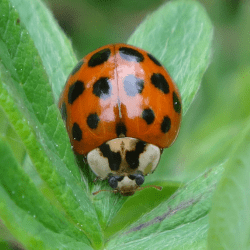
Asian lady beetles are often confused with ladybugs, but they’re slightly larger—about ⅓ of an inch long. Their colors range from orange to red, with around 20 black spots on their wing covers. While they don’t damage structures or spread disease, they invade homes in large numbers and leave behind a sticky orange residue. If handled, they may even pinch.
 How to Prevent Asian Lady Beetle Infestations
Stink Bug Prevention Tips:
Boxelder Bug Prevention Tips:
How to Prevent Asian Lady Beetle Infestations
Stink Bug Prevention Tips:
Boxelder Bug Prevention Tips:
Common Fall Pest Invaders in Alabama, Tennessee, Mississippi & the Florida Panhandle
Asian Lady Beetle Control
Field Guide · Southeast
Fall invaders sneaking into Southeast homes
Three look-alike nuisance pests push indoors each autumn across Alabama, Tennessee, Mississippi, and the Florida Panhandle. Telling them apart changes how you respond.
1Can bite
Asian Lady Beetle
IDOrange to red, up to 20 black spots; look for the white M- or W-shaped mark behind the head — true ladybugs lack it
WhereSouth- and west-facing exterior walls, attics, wall voids, window frames
NoteReleases a sticky yellow-orange fluid when disturbed that stains fabric and surfaces. Can deliver a mild pinch if handled, but poses no medical risk.
2Low concern
Brown Marmorated Stink Bug
IDGrayish-brown shield shape with alternating light and dark bands on the abdomen edge
WhereSunny exterior walls in early fall; moves into wall voids, attics, and living spaces as temperatures drop
NoteReleases a strong odor when threatened or crushed — avoid vacuuming without a bag or sealed canister. No structural damage or disease risk.
3Low concern
Boxelder Bug
IDBlackish-gray, pointed at both ends, with bright red veining on the wings and red edges on the thorax
WhereNear boxelder, maple, and ash trees; aggregates on warm exterior walls before moving inside
NoteDoes not bite or damage structures. Large aggregations are the primary nuisance — they can stain light-colored surfaces with fecal spotting.
Waynes has protected Southeast families for 50 years as an EPA Pesticide Environmental Stewardship member. Every little thing matters. A LOT.
 How to Prevent Asian Lady Beetle Infestations
- Seal cracks and holes around windows, doors, and siding
- Use light traps to lure them away from your living spaces
- Vacuum them up
Stink Bug Control
Stink bugs are easy to recognize by their unique shield-like shape. They are about ⅓ of an inch long and are grayish-brown in color. While their folded wings may not be obvious at first glance, you’ll definitely notice their defense mechanism: when threatened, they release a strong odor. Stink Bug Prevention Tips:
- Seal entry points like cracks and gaps
- Keep windows and doors shut when not in use
- Repair or replace torn screens
- Switch outdoor lighting to yellow bulbs (less attractive to stink bugs)
- Vacuum up any that make it inside
Boxelder Bug Control
Boxelder bugs are about ½ an inch long, blackish-gray with bright red markings on their backs, and have bodies pointed at both ends. Outdoors, they feed on sap from boxelder, maple, and ash trees. While they don’t bite, they gather in large numbers and quickly become a nuisance once inside. Boxelder Bug Prevention Tips:
- Clear away debris and leaves near your foundation
- Keep your lawn weed-free and rake regularly
- Sweep up boxelder tree seeds
- Wash them away with a strong stream of water outside
- Vacuum them up indoors
Need Expert Fall Invader Pest Control Services? Call Waynes!
If DIY methods aren’t effective—or you simply don’t have the time—our Fall Invader Service is an option to help you to keep these pests out for good. Fill out our contact form or give us a call at 866-929-6371 today.Related reading: how to get rid of stink bugs in your home.