
Get rid of silverfish by cutting moisture, sealing cracks, and treating hidden areas where these wingless insects feed and lay eggs year-round.
Key Takeaways
- Silverfish need humidity above 75% to survive. Reducing moisture is the fastest way to reduce their numbers.
- They feed on starchy materials including paper, book bindings, cardboard boxes, and pet foods.
- Seal cracks along baseboards, window frames, and walls to cut off the routes silverfish use to spread through your home.
- Diatomaceous earth and boric acid are the most effective home-applied treatments for silverfish control.
- A heavy infestation requires professional treatment to reach wall voids and crawl spaces where DIY methods cannot.
What Silverfish Eat and Why They Enter Your Home
Silverfish are wingless insects that feed on almost anything containing starch or cellulose, which makes your home a reliable food source year-round. Their diet includes paper, book bindings, cardboard boxes, wallpaper paste, clothing fibers, dead insects, and pet foods. If you store important papers or old photos in damp areas, silverfish will find them.
Adult silverfish measure half an inch to three-quarters of an inch long. They have a teardrop shape, silver-gray scales, and three tail filaments at the rear. They dart across surfaces and avoid light, preferring dark places with high humidity over exposed areas of your home.
Where Silverfish Hide Inside Your House
Silverfish concentrate in the dampest, darkest areas of your home, which is why infestations often go undetected for months. A six-year trapping study published in International Biodeterioration and Biodegradation found that silverfish populations rise in low-occupancy spaces where humidity builds without correction. Rooms that see less foot traffic, like storage areas and utility rooms, provide exactly those conditions.
Inside your home, silverfish are most active in:
- Basements and crawl spaces with moisture buildup
- Bathrooms near baseboards and under sinks
- Attics with poor ventilation
- Kitchen cabinets and pantries with starchy food sources
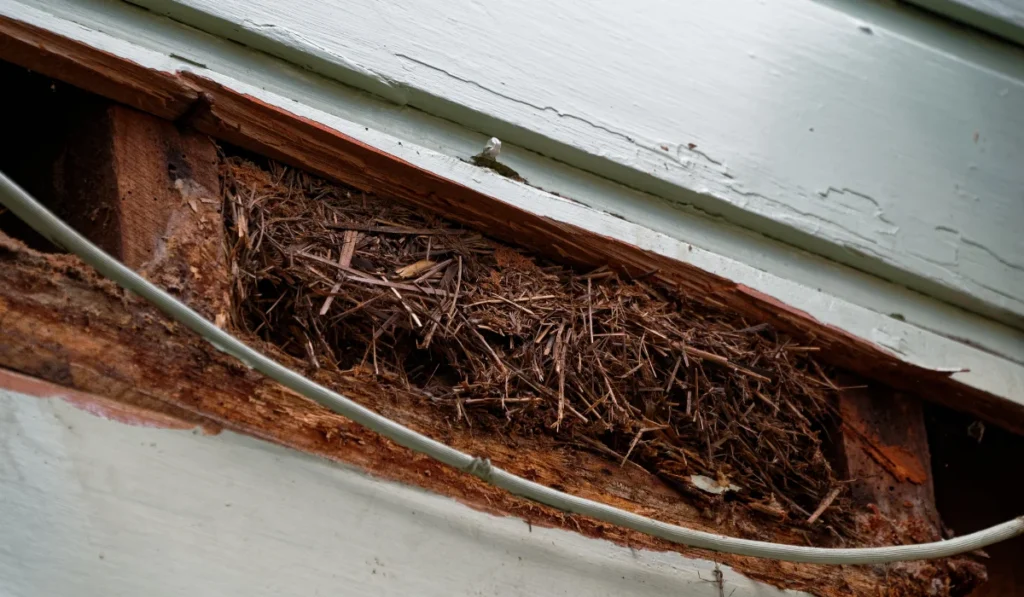
- Behind walls and window frames
Silverfish lay eggs in hidden areas and cracks, which makes a silverfish infestation hard to detect early. A single female deposits clusters of eggs throughout your house across several months. The same study noted that mature individuals require months to develop, meaning populations build slowly before you notice them.
Signs of Silverfish Activity in Your Home
Yellow stains on paper, fabric, or wallpaper are often the first visible sign of silverfish feeding. You may also find small, pepper-like droppings along baseboards, on your floor near storage areas, or inside cabinets. Tiny translucent shed skins in damp areas and irregular holes or notches chewed into paper, boxes, or clothing are additional signs.
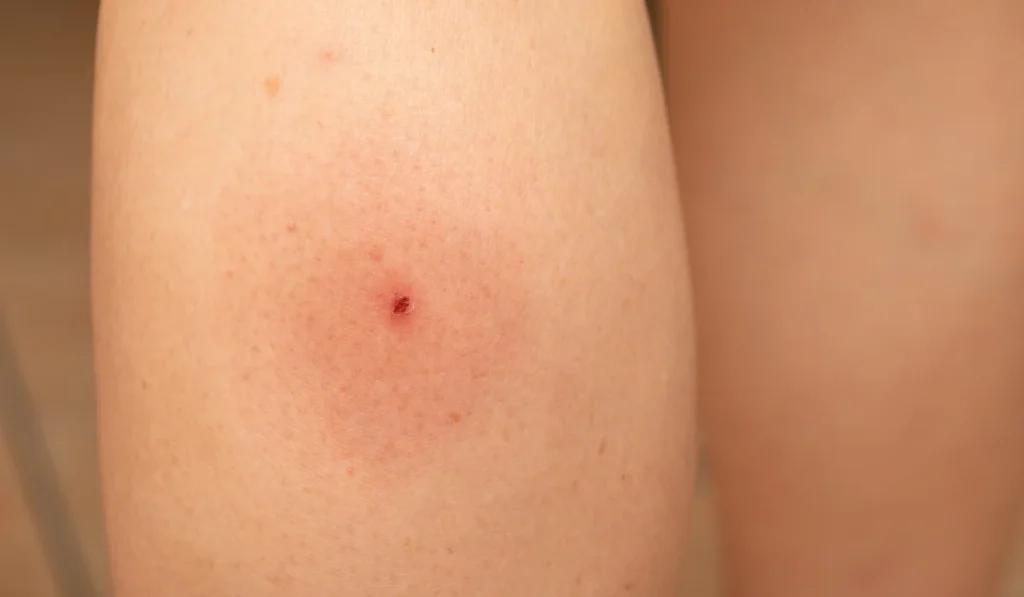
Silverfish do not bite people or pets. They lack the mouthparts to pierce skin. Their primary risk is property damage to paper, clothing, and stored items, along with potential allergic reactions from shed scales, which contain a protein that combines with household allergens.
How to Get Rid of Silverfish With DIY Methods
The fastest way to get rid of silverfish is to remove the conditions that sustain them, starting with moisture control. Silverfish need humidity levels above 75% to survive and reproduce. Drop the moisture below that threshold and the infestation weakens on its own. Pair that with food source reduction and physical sealing and you cut off all three pillars the infestation depends on.
Control Humidity to Reduce Silverfish in Damp Areas
Running a dehumidifier in your basement or crawl space is the single most direct step you can take against silverfish. These insects cannot survive long in environments below 50% relative humidity. Fix leaking pipes and faucets that create water sources, ventilate bathrooms with exhaust fans during and after showers, and repair water damage around window frames and baseboards.
Check crawl spaces for standing water or moisture buildup after heavy rain. Southeast homes in Alabama, Tennessee, Mississippi, and Florida deal with high ambient humidity for much of the year, which means crawl space moisture control is an ongoing task rather than a one-time fix.
Seal Cracks to Stop Silverfish From Spreading
Sealing cracks along baseboards, window frames, and walls cuts off the pathways silverfish use to travel between rooms. Use caulk on non-porous surfaces and weatherstripping around doors. Pay close attention to gaps where plumbing enters walls, since silverfish follow pipe runs from damp areas into living spaces.
Replace cardboard boxes in storage areas with sealed plastic bins. Cardboard provides both food and shelter, making it one of the primary attract silverfish draws in basements and attics. Store important papers, photos, and book collections in airtight containers on shelving that keeps them off the floor.
Remove Food Sources That Attract Silverfish
Reducing available food sources starves an active silverfish infestation and slows reproduction. Vacuum regularly to remove crumbs, dead insects, and silverfish eggs from floors and baseboards. Keep pet foods in sealed containers rather than open bags, and clean behind furniture and appliances where bugs collect and debris accumulates.
Silverfish also feed on dead silverfish, which means a growing population sustains itself even when other food is scarce. Regular vacuuming along baseboards and in hidden areas removes both the insects and the food they would otherwise recycle.
Natural Treatments That Target Silverfish on Contact
Diatomaceous earth (food-grade) works by physically damaging the outer coating of silverfish and other crawling insects on contact. Dust it thinly along baseboards, behind furniture, and in hidden areas where silverfish travel. Reapply after cleaning or if the area gets damp, since moisture neutralizes its effectiveness.
Boric acid applied as a thin dust in cracks and hidden areas targets silverfish and other pests like cockroaches, ants, and spiders that share the same humid environments. Keep both products away from areas accessible to children and pets. Essential oil sprays using cedar or lavender mixed with water act as natural repellents near cracks and damp areas, though they work best as a supplement to moisture control rather than a replacement for it.
Sticky traps placed along baseboards and in dark places help monitor activity and reduce adult numbers. Baking soda mixed with a starchy bait can also kill silverfish that feed on it in hidden areas. Cucumber peels placed near active zones repel silverfish in some cases, though results vary by infestation level.
When to Call Waynes to Get Rid of Silverfish
If silverfish keep appearing after weeks of DIY effort, the infestation likely extends into areas you cannot access or treat on your own. Silverfish breed in wall voids, behind baseboards, and inside crawl spaces where sprays and traps cannot reach. A heavy infestation in these hidden areas requires professional treatment to locate and address the source directly.
What Professional Treatment for Silverfish Covers
Professional pest control targets silverfish at the source by inspecting humid environments, locating where they feed and lay eggs, and applying treatments to cracks and hidden areas throughout your home. A technician can also identify structural moisture problems and entry points that DIY methods tend to miss because they require getting into crawl spaces, attics, and wall access points.
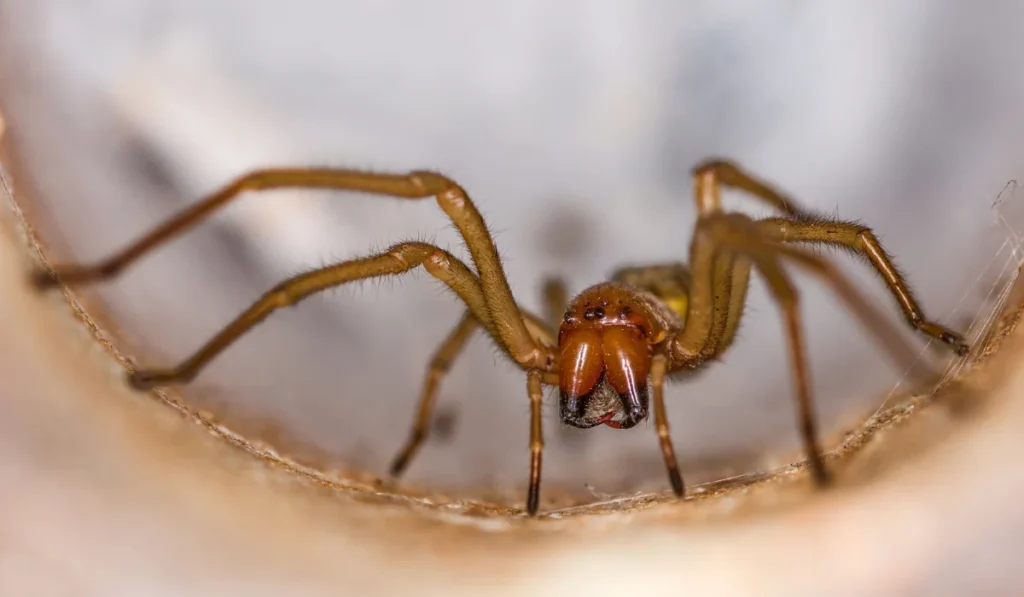
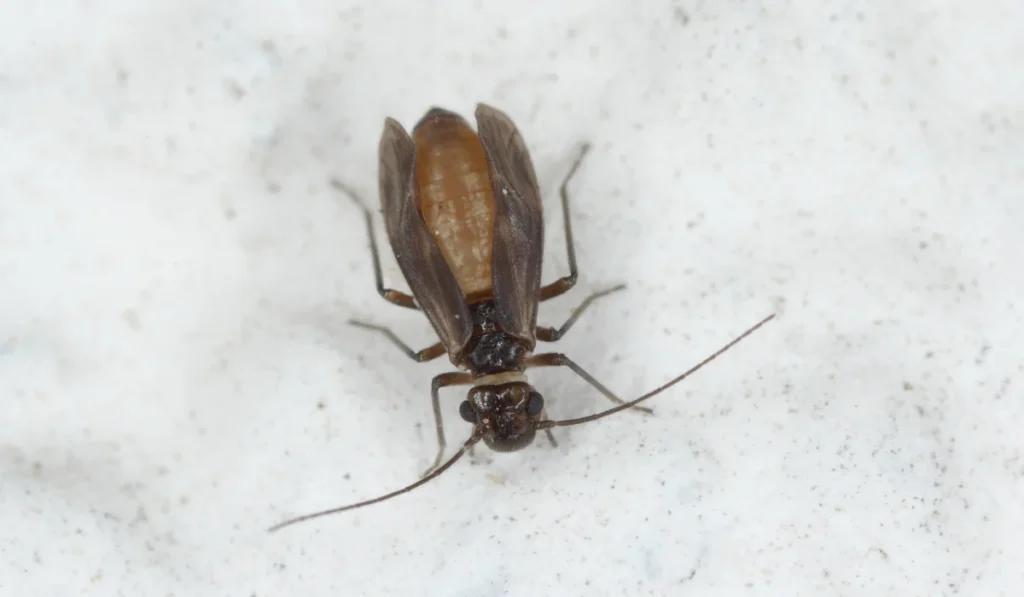
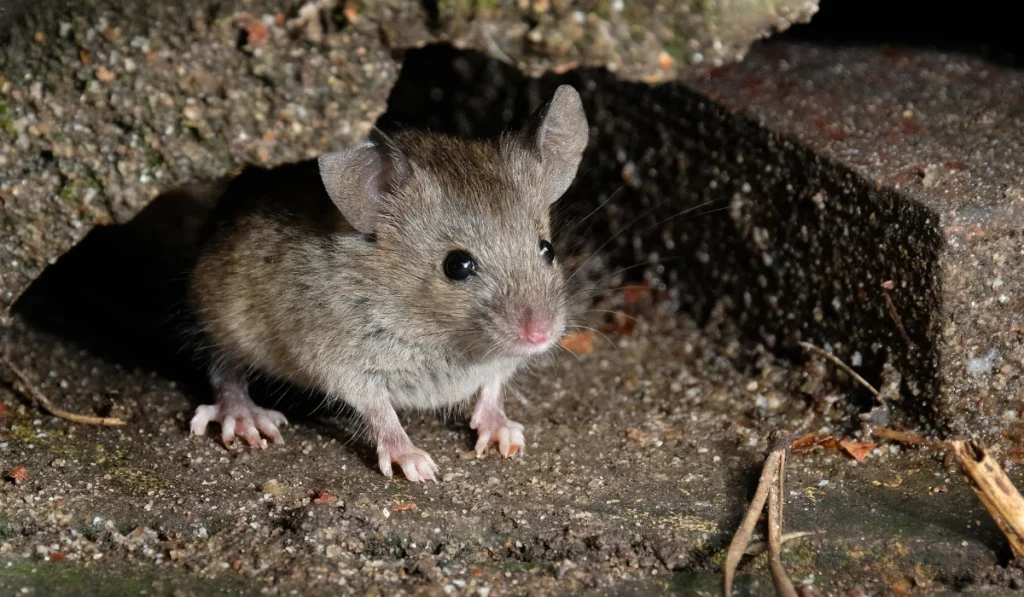
A professional approach also addresses other pests that share the same conditions as silverfish. Cockroaches, ants, and spiders all thrive in high-humidity environments, and spiders feed on silverfish directly, meaning a silverfish infestation can draw additional bugs into your home. The EPA’s integrated pest management framework recommends addressing the conditions that sustain pests rather than treating symptoms alone, which is the approach Waynes uses across its service territory.
Why Southeast Homes Face Greater Silverfish Pressure
Homes in Alabama, Tennessee, Florida, and Mississippi deal with ambient humidity levels that allow silverfish to remain active year-round, not just in spring and summer. Crawl spaces in humid climates accumulate moisture faster than in drier regions, and older construction often has more unsealed entry points that give silverfish unobstructed access between zones.
Waynes has served more than 150,000 families across the Southeast over 50 years, and silverfish problems in the region often connect directly to crawl space moisture. As a member of the EPA Pesticide Environmental Stewardship Program since 2004, Waynes applies treatments designed to minimize exposure for children and pets while controlling the insects inside your home. Every little thing matters. A LOT.
Bottom Line on Getting Rid of Silverfish at Home
Silverfish infestations are built on three foundations: moisture, food, and access. Cut humidity below the threshold they need to survive, remove the starchy materials they feed on, and seal the cracks they use to move through your home, and most infestations respond. Diatomaceous earth and boric acid give you contact-level control in the areas you can reach. Sticky traps and natural repellents add monitoring and deterrence.
When the infestation extends into crawl spaces, wall voids, and attics, DIY methods reach their limit. That is when professional treatment makes the difference. Waynes technicians inspect the full home, treat hidden areas, and address the moisture conditions that keep silverfish populations going. Schedule an inspection to confirm the extent of your silverfish problem and get a treatment plan built around your home.
Frequently Asked Questions
Do silverfish bite people or pets?
Silverfish do not bite. They lack the mouthparts to pierce skin. Their primary risk is property damage to paper, clothing, book bindings, and stored food, along with potential allergic reactions in sensitive individuals from shed scales that contain a protein called tropomyosin.
What attracts silverfish to a house?
Moisture, starchy materials, and dark spaces attract silverfish. Humid environments in basements, bathrooms, crawl spaces, and attics provide the conditions they need to survive and reproduce. Food sources like paper, cardboard boxes, book bindings, and pet foods keep them fed once they settle in.
How long does it take to get rid of silverfish?
DIY methods like diatomaceous earth, humidity control, and traps can reduce silverfish numbers within a few weeks when applied consistently. Professional treatment reaches wall voids and crawl spaces where home methods cannot, with most homeowners reporting fewer sightings within two to three visits depending on infestation size.
Can a silverfish infestation attract other pests?
Yes. Silverfish share humid environments with cockroaches, ants, and spiders. Spiders actively feed on silverfish, so a silverfish infestation can draw additional pests into your home. Addressing the moisture and food conditions that sustain silverfish typically reduces pressure from these other pests as well.
What is the difference between silverfish and other similar bugs?
Silverfish are wingless insects with a distinct teardrop shape, silver-gray scales, and three tail filaments. They move in a fish-like darting motion and are most active at night. Firebrats look similar but prefer hot, dry areas like attics near heat sources, while silverfish prefer cooler, damp areas like basements and bathrooms.