
You turn on the bathroom light at night. A small, shiny bug runs across the floor. It moves fast and disappears under the baseboard. If you live in Nashville, you may have just seen one. Many homeowners ask, “Are silverfish harmful?”
Middle Tennessee homes often have silverfish because they prefer dark, damp areas. You may see them in basements, crawl spaces, bathrooms, or laundry rooms.
The good news is that silverfish are not dangerous like termites or bed bugs. However, a silverfish infestation can still damage paper, fabrics, and stored items.
Understanding what silverfish do, what they don’t do, and when to call professional pest control can help you address the problem early.
Key Takeaways
- Silverfish are nuisance pests that do not bite people or pets.
- A silverfish infestation often indicates your home has excess moisture.
- Silverfish eat paper, glue, fabrics, and other starchy materials.
- If silverfish keep showing up, you may need professional pest control.
Are Silverfish Actually Harmful?
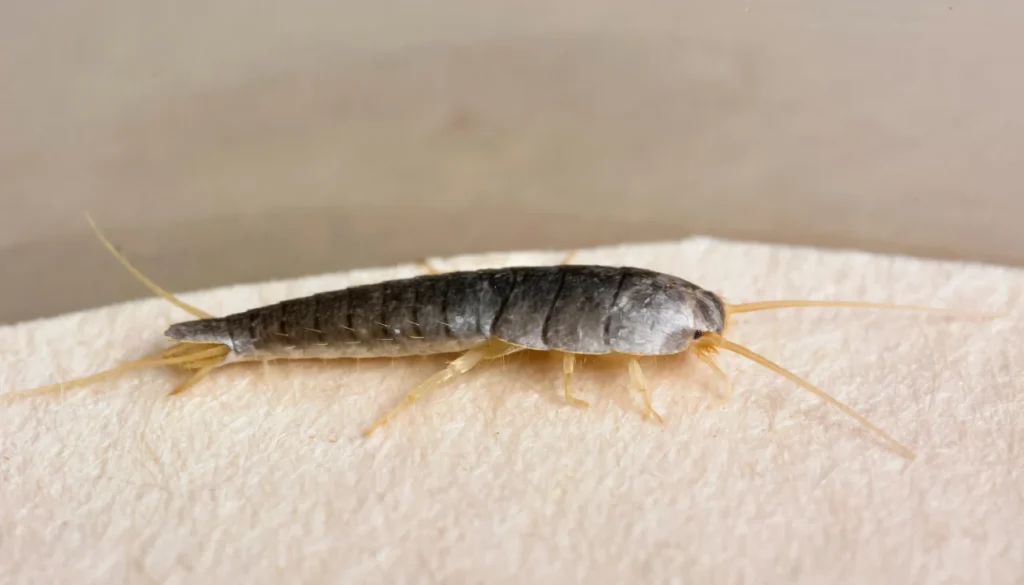
Silverfish are small wingless insects with long antennae and three thin appendages at the back of their bodies. Their shiny scales give them a silver color. Because of their appearance, many homeowners assume silverfish are harmful.
They hide during the day and come out at night. Most of the time, they stay in cracks and crevices or along baseboards. Seeing them can be unsettling, but they are usually just a nuisance.
Do Silverfish Bite?
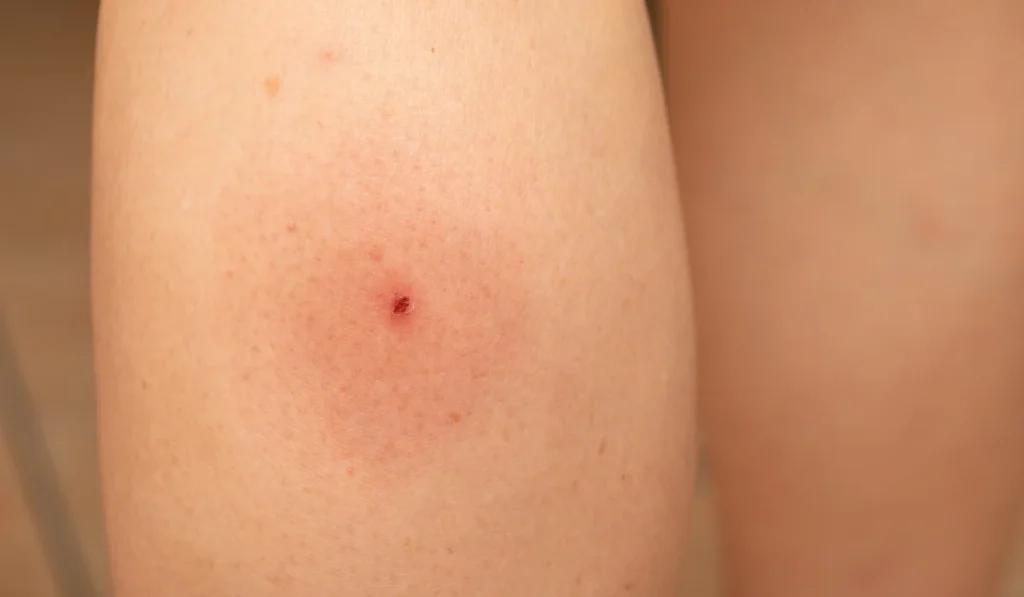
Some people worry about a silverfish bite. The truth is that a silverfish bite does not occur because they do not bite people or pets.
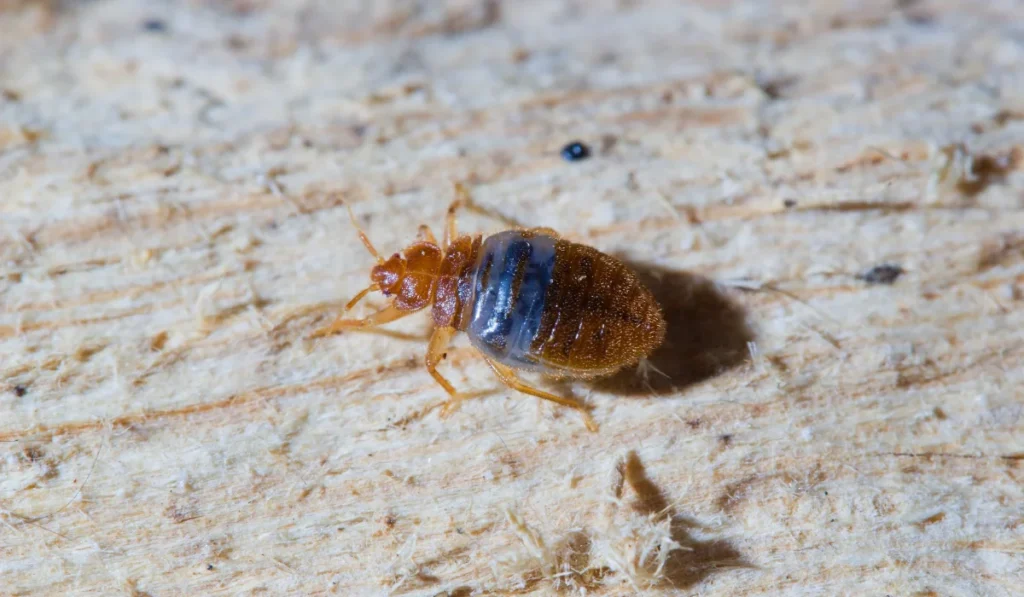
They are very different from bed bugs, which feed on blood while people sleep and are notorious for hitching rides home from hotel stays. Silverfish feed only on paper, glue, and other starchy materials.
Do Silverfish Cause Allergic Reactions?
Silverfish rarely cause allergic reactions. In some homes, their droppings or shed skins may bother people with allergies.
Other pests, such as cockroaches, are much more likely to cause allergy issues.
Do Silverfish Spread Disease?
Silverfish do not spread disease. The University of Maine Cooperative Extension states that there is no evidence linking silverfish to disease. People consider them nuisance pests because they eat food and household items and can contaminate food.
Still, a silverfish infestation may point to damp areas in your home. Moisture problems can also attract pests such as earwigs, firebrats, and termites, and seasonal invaders like kudzu bugs that sneak indoors in fall can show up alongside them. On the brighter side, not every insect you spot is a problem, and it helps to know which garden bugs are actually beneficial before reaching for a spray.
What Silverfish Do To Homes
Silverfish do not harm people, but they can damage certain materials. According to the Virginia Cooperative Extension, silverfish damage usually affects paper and fabrics.
Damage to Paper and Old Books
Silverfish eat paper because it contains cellulose and carbohydrates. They feed on book bindings, wallpaper paste, and cardboard boxes.
If you store old books or papers in basements, you may notice small holes or rough edges. These signs show that silverfish have been feeding on them.
Damage to Clothing and Fabrics
Silverfish also eat fabrics made from natural fibers. Cotton, linen, and silk can become food sources for silverfish.
You may notice small holes in clothes stored in closets or crawl spaces. Keeping clothing in airtight containers can help protect it.
Getting Into Pantry Items
Silverfish sometimes feed on dry food. Flour, cereal, and pet food can attract them.
They can easily enter cardboard boxes. Storing food in airtight containers can help keep silverfish away from your pantry.
What Silverfish Don’t Do
Many people hear myths about silverfish. Knowing the facts can make the problem less stressful.
They Do Not Destroy Structural Wood
Silverfish are not termites. Termites eat wood and can damage a home’s structure.
Silverfish prefer paper, glue, and fabrics. They do not damage wooden beams or your home’s frame.
They Are Not Bed Bugs
Some homeowners mistake silverfish for bed bugs. Bed bugs hide near beds and feed on blood.
Silverfish prefer damp areas such as basements, bathrooms, and laundry rooms. They usually stay away from beds and sleeping areas.
They Do Not Like Dry Homes
Silverfish need moisture to survive. Homes with humid areas are more likely to attract them.
Common silverfish control steps include lowering humidity, sealing cracks with caulk, fixing leaks, keeping gutters clear, and storing paper goods in airtight containers. Results can vary.
When Silverfish Are a Bigger Issue
Seeing one silverfish once in a while is not unusual. But some signs show that you may have a larger silverfish infestation.
You See Them Often
If you see silverfish in several rooms, they may be living and breeding in your home. They hide behind baseboards, inside wall crevices, or in crawl spaces.
Frequent sightings often indicate a growing population.
You Notice Droppings or Shed Skins
Silverfish leave small droppings and shed skins behind. These signs appear along baseboards or in damp areas.
If you keep seeing these signs, the infestation may be getting worse.
DIY Methods Are Not Working
Some homeowners try to get rid of silverfish using boric acid, diatomaceous earth, or store-bought silverfish control products.
These products may kill some silverfish on contact, but they may not reach where they live and breed. Silverfish hide deep in cracks, behind baseboards, and inside wall spaces, making them hard to eliminate without professional pest control.
If they keep returning after DIY treatments, the problem may be larger than it appears. In these cases, ongoing pest control can help manage the problem and prevent silverfish from spreading to other areas of the home.
Our technicians inspect common hiding spots, identify moisture issues that attract silverfish, and apply targeted treatments to control the infestation and help prevent its return.
Schedule a Silverfish Inspection in Nashville
If silverfish keep showing up in your home, the problem may be bigger than it seems. Nashville’s humid climate helps silverfish infestations grow, especially in damp areas like basements, crawl spaces, bathrooms, and laundry rooms.
At Waynes Pest Control, our trained technicians locate where silverfish hide, find entry points and moisture issues, and recommend treatment to stop the infestation. From there, our team can recommend a treatment plan to address the problem and help reduce future activity in your home.
If silverfish are becoming a problem in your home, contact us today to request a quote or call 866-WAYNES1.
FAQs
What do silverfish look like?
Silverfish are small wingless insects with long antennae and three thin appendages at the back of their bodies. Their bodies are silver or gray and covered with tiny scales.
What do silverfish eat?
Silverfish eat carbohydrates found in paper, glue, cotton, and other starchy materials. They may also feed on dry foods and even dead insects.
Are silverfish a sign of a moisture problem?
Yes. Silverfish prefer damp areas such as basements, crawl spaces, bathrooms, and laundry rooms. Seeing them often may mean your home has excess moisture.